Search Results for: surface prep

Close up of decorative plaster corbels above windows

Horsehair Plaster: How to Identify It and Choose Compatible Repair Materials

Introduction Horsehair plaster is plaster reinforced with animal hair to add strength. You can spot it by a fibrous texture and an uneven surface that feels a bit springy. Handle repairs with care and aim to match the look and feel of the surrounding area. To identify it, look for a plaster layer with visible […]

Horsehair Plaster: How to Identify It and Choose Compatible Repair Materials Read More »

Man applying plaster to wall using trowel and hawk

Roman Clay Wall Finish: How to Get the Look, What Substrates Work, and How to Seal It

Introduction Roman Clay Wall Finish is a hand-applied plaster look that mimics traditional lime-based finishes. You build it in layers on a prepared substrate, then blend and burnish to create the texture. Check the substrate and product labels for compatibility and curing times before you start. For substrates, common options include clean, smooth walls or

Roman Clay Wall Finish: How to Get the Look, What Substrates Work, and How to Seal It Read More »

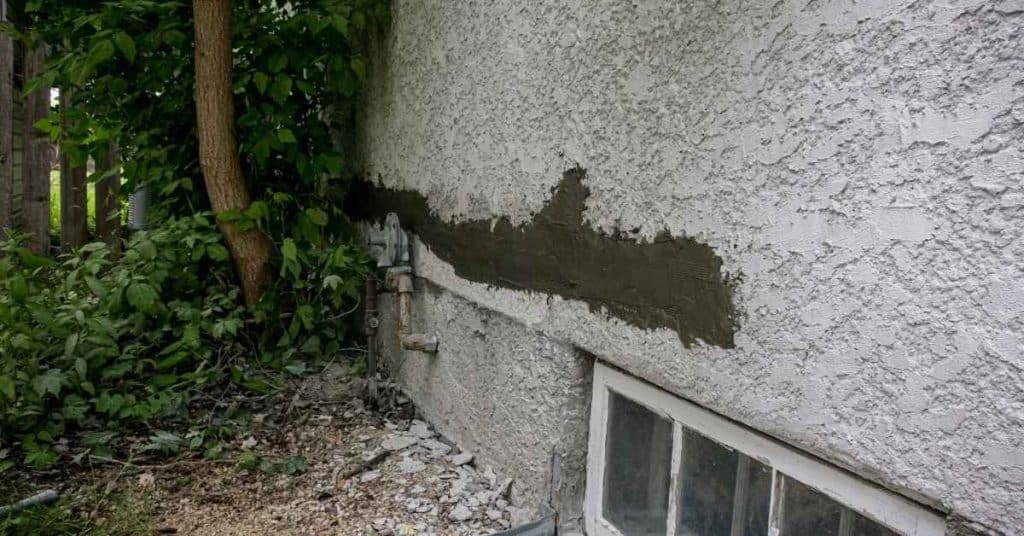
Stucco wall with fresh patch above basement window

How to Patch Stucco Where Lath Is Rusting: Cutback Limits, Fastener Choices, and Rebuild

Introduction This guide shows how to patch stucco when the metal lath under it is rusting. You’ll assess the damage, remove deteriorated material, and prepare the surface for repair. Keep the work conservative and follow safety and building guidance as you go. Cutback limits depend on the substrate and structure, so check manufacturer instructions and

How to Patch Stucco Where Lath Is Rusting: Cutback Limits, Fastener Choices, and Rebuild Read More »

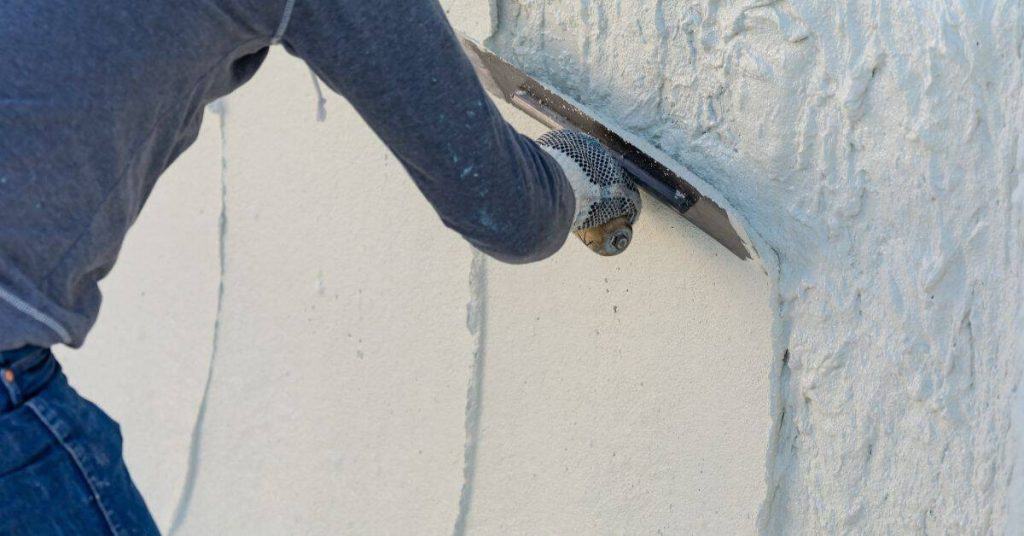
Worker applying stucco texture to exterior wall with trowel

Repairing Stucco Around Exterior Electrical Boxes: Rebuild Steps That Keep the Gasket Dry

Introduction Repairing stucco around exterior electrical boxes is about sealing the gap and protecting the gasket from moisture. This job is hands-on and requires careful prep, clean surfaces, and proper patching to keep water out. Work slowly and check the seal around the box after each step. Start by cleaning the area around the box

Repairing Stucco Around Exterior Electrical Boxes: Rebuild Steps That Keep the Gasket Dry Read More »

blue stucco wall texture with varied surface depth

How to Seal Stucco Wall Penetrations With a Sleeve and Flange

Introduction A sleeve-and-flange detail can weather-seal a pipe, HVAC lineset, conduit, or listed wall termination through stucco—but it is not a universal recipe. The correct detail depends on what passes through the wall, the wall assembly, required clearances, and whether you can reconnect the water-resistive barrier (WRB) behind the stucco. Related guidance: Sealing Fasteners Through

How to Seal Stucco Wall Penetrations With a Sleeve and Flange Read More »

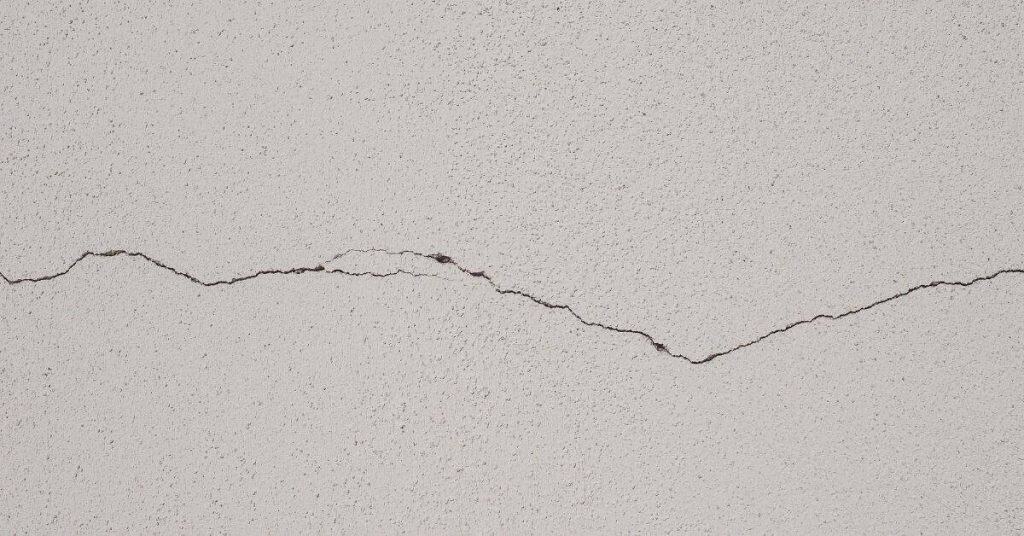
horizontal crack in white stucco wall surface

DIY Stucco Weep Path Maintenance: Keeping Bottom Terminations From Clogging With Dirt

Introduction Weep paths are channels at the bottom of stucco details that drain moisture away. Keeping them clear helps prevent water from backing up into the wall. This article shows a plain‑language, DIY approach to inspecting and cleaning them without tearing the finish. Start by locating the bottom terminations and looking for dirt, debris, or

DIY Stucco Weep Path Maintenance: Keeping Bottom Terminations From Clogging With Dirt Read More »

Worker spraying stucco onto a brick wall

Stucco Screed Beads and Termination Beads: Which Profile Goes Where (and Why It Matters)

Introduction Screed beads and termination beads are edge profiles used to shape and finish stucco at joints and edges. They help keep the finish straight and seal transitions where the stucco meets other surfaces. Check the product label and manufacturer guidance to ensure you’re matching the profile to your job and local rules. Plan where

Stucco Screed Beads and Termination Beads: Which Profile Goes Where (and Why It Matters) Read More »

closeup of red brick wall with mortar joints

Installing Expansion Joints in New Stucco: Simple Layout Rules for DIY Projects

Introduction Expansion joints are gaps that let stucco expand and contract without cracking. In new stucco, plan these joints where movement or stress is likely and at regular intervals. Keep joints clean and avoid sealing them with rigid materials. Where to place joints depends on wall size, substrate, and climate. Check manufacturer guidance and local

Installing Expansion Joints in New Stucco: Simple Layout Rules for DIY Projects Read More »

Close up of foam insulation and stucco edge

How to Repair a Missing Stucco ‘Drip Edge’ at Horizontal Bands (So Water Stops Tracking Back)

Introduction A missing stucco drip edge is the built‑in edge of the stucco that directs moisture away and stops water from tracking back into the wall. Without it, water can wend its way behind the band and cause staining or leaks. To fix it, plan to add proper edging or flashing where the horizontal band

How to Repair a Missing Stucco ‘Drip Edge’ at Horizontal Bands (So Water Stops Tracking Back) Read More »

Reinforcing mesh embedded in stucco corner near white wall

Stucco Corner Cracks at Windows: Mesh Layout That Actually Stops the Repeat Cracks

Introduction A proper mesh layout at window corners is a reinforcement plan that helps stop cracks from reappearing. It keeps the stucco from pulling away where the frame meets the opening. Check manufacturer instructions and local rules for acceptable mesh sizes and application methods. I lay out the mesh so it overlaps the corner edges

Stucco Corner Cracks at Windows: Mesh Layout That Actually Stops the Repeat Cracks Read More »