
Introduction
Repairing stucco around exterior electrical boxes is about sealing the gap and protecting the gasket from moisture.
This job is hands-on and requires careful prep, clean surfaces, and proper patching to keep water out. Work slowly and check the seal around the box after each step.
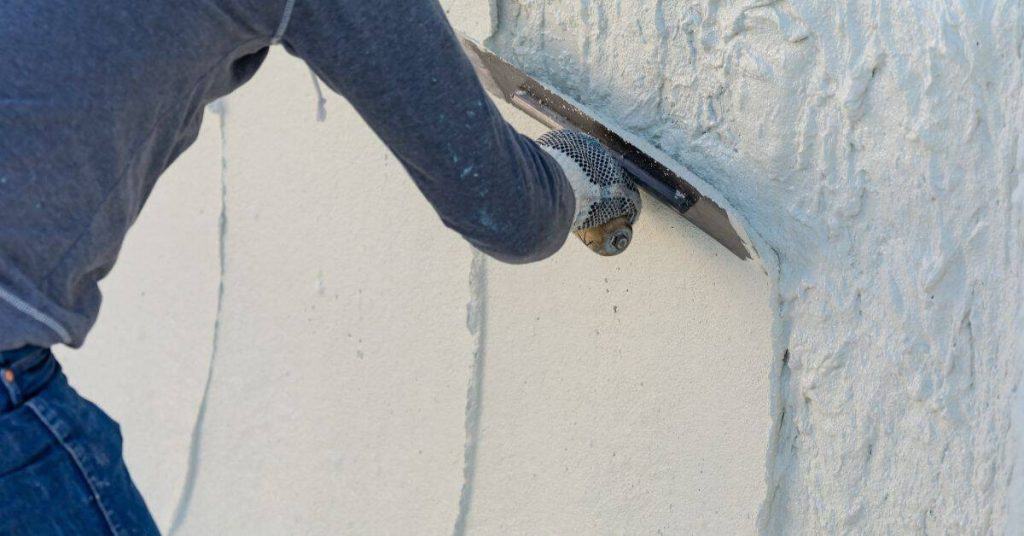
Start by cleaning the area around the box and loosening old material. Use a patch or skim coat that matches the surrounding stucco and gently press it into the gap, avoiding compression of the gasket. Let the patch cure as directed and recheck for moisture under the gasket after it sets.
Key takeaways
- Shut off power at the main disconnect before inspecting exterior boxes.
- Guard existing wiring; avoid disturbing damp-rated box seals during replacement.
- Securely protect the gasket area with temporary plastic and clean surfaces.
- Match stucco thickness and texture to maintain weatherproof flashing continuity.
- Apply appropriate flashing under and around the box to prevent leaks.
- Test for water intrusion after rebuild; re-seal with compatible gasket material.
Table of Contents
- Introduction
- Key takeaways
- Tools and Materials Checklist
- Material Specs and Standards Explained
- Safety and Code Considerations
- Inspection and Damage Assessment
- Preparation and Box Protection
- Waterproofing and Flashing Installation
- Rebuilding Stucco Around the Box
- Gasket Detail, Sealing, and Testing
- Conclusion
- FAQ
Tools and Materials Checklist
Make a focused inventory of the essential tools and materials you will need for exterior electrical box work. Note the purpose of each item and how it interacts with masonry, stucco, and flashing components. Check compatibility with the box style and substrate before you start.
Keep a running list of labels, manufacturer instructions, and local rules to verify as you gather supplies. If a item’s spec isn’t clear, verify the data sheet or contact the manufacturer for guidance. Use the information to confirm you have a complete, compatible kit before you cut or remove any material.
Tools
Before you start, ensure you have all the necessary tools to safely remove and apply stucco around your exterior electrical boxes.
- Utility knife: For scoring and cutting backer rod and sealant.
- Tuckpointing trowel: To apply and smooth out repair stucco.
- Drill with masonry bit: To create pilot holes for fasteners.
- Safety glasses: Protect your eyes from debris.
- Work gloves: For handling materials and tools.
- Dust mask: To protect against stucco dust.
- Ladder: For reaching high electrical boxes.
- Flashlight: To inspect electrical components in dark spaces.
Quick rule: Always prioritize safety. Wear PPE and keep electrical components dry to prevent shorts or fires.
Materials
Before you start, ensure you have all the necessary materials to repair your stucco around exterior electrical boxes.
- Lath: To create a base for your new stucco application.
- Corrosion-resistant fasteners: To secure lath and prevent rusting.
- Cement or repair stucco: Match the existing texture and color for seamless repair.
- Flashing: To direct water away from electrical boxes.
- Backer rod: To fill gaps before applying sealant.
- Gasket-compatible sealant: To create a watertight seal around the box.
- Stucco data sheets: Verify product compatibility to ensure longevity of your repair.
Quick rule: Always check product data sheets to confirm materials are compatible and suitable for exterior use.
Material Specs and Standards Explained
Explain the key material types you will encounter, including stucco, lath, flashing membranes, sealants, and gaskets. Look for performance attributes that matter for exterior use, such as moisture resistance and durability. Always read the label and data sheet for limitations and application notes.
Choose products with appropriate exterior ratings and substrate compatibility. Verify mean product life, moisture tolerance, and curing characteristics through official product literature or the manufacturer’s instructions. When in doubt, compare options to ensure long term performance at the box edge.
Stucco mixes and premixed patch products
When repairing stucco around exterior electrical boxes, you’ll need the right mix to ensure durability and longevity. Here’s what to look for:
Cement-based mixes are traditional but can crack over time due to shrinkage. They’re okay for small repairs, but consider other options for larger ones.
Polymer-modified stucco mixes add flexibility and strength. They resist cracking better than cement-based mixes and are a good choice for exterior repairs.
Acrylic repair products offer excellent adhesion and flexibility, making them ideal for patching. Always follow the manufacturer’s guidance for substrate bonding and exterior use.
Sealants, gaskets, and flashing materials
The right sealant, gasket, and flashing can prevent water intrusion and keep your electrical boxes dry. Here are key factors to consider:
- Silicone: Good for exterior use due to its UV resistance and flexibility. Look for 100% silicone with a low modulus rating to accommodate movement.
- Acrylic: Inexpensive but not ideal for exterior use as it can degrade under UV exposure. Avoid using on outdoor electrical boxes.
- Polyurethane: Offers excellent adhesion and flexibility, but it’s sensitive to moisture during application. Ensure the surface is dry before applying.
- Metal Flashing: Provides a durable barrier against water intrusion. Look for corrosion-resistant materials like galvanized steel or aluminum.
- Flexible Membranes: Self-adhesive membranes offer ease of application and flexibility to accommodate movement. Check the manufacturer’s specs for UV resistance and adhesion properties.
Safety and Code Considerations
Practice solid electrical safety by de-energizing circuits and keeping the area dry. Use PPE and follow lockout procedures as you work around the box. Keep access clear and avoid shortcuts that could injure you or others.
Know when to pause and call a licensed electrician or building official. If anything about the installation conflicts with local rules or code guidance, stop and verify with the right authority. Always verify applicable labels, instructions, and local requirements before proceeding.
Electrical safety steps
Before you start, de-energize the circuit. Turn off the power at your main electrical panel.
Use a non-contact voltage tester to confirm that the wires are dead. Touch the tester’s tip to each wire in the box.
Once confirmed, secure the work area with barriers if needed, and keep live-work to a minimum. Always call a pro for live-work.
Local code and inspection points
Before you start repairing, use this checklist to ensure you’re up to code.
- Check local codes: Exterior penetrations, box mounting, weatherproofing may have specific rules.
- Permits needed? Some repairs require permits. Check with your local building department.
- Inspection required? Some repairs need inspection before you close up the stucco.
- Box mounting: Ensure the box is securely mounted, level, and flush with the surface.
- Weatherproofing: Check that the gasket is intact, and the box is properly flashed.
- Grounding: Ensure all metal parts are grounded correctly.
- Wiring method: Confirm wires are properly installed and secured in the box.
- Stucco thickness: Ensure stucco is thick enough to protect the box but not so thick it causes cracking.
Quick rule: Always check local codes before starting any repair work. It’s your responsibility to ensure you’re up to code.
Inspection and Damage Assessment
Perform a systematic inspection to determine the extent of stucco failure and water intrusion around the box. Check for cracks, spalling, and signs of moisture behind the finish. Identify any obvious compromises in the substrate or flashing that could affect the repair.
Assess whether the box, substrate, or framing are compromised. Look for rot, corrosion, or loose framing connections. Document findings with notes so you know what needs repair or replacement before proceeding.
Signs of water intrusion and substrate damage
Before you start repairs, use this checklist to identify signs of water damage and substrate issues.
- Staining or discoloration: Check for dark spots or stains on the stucco. This indicates water has penetrated.
- Efflorescence: Look for a white, powdery substance on the surface. It’s a sign of water moving through the stucco.
- Soft or spongy substrate: Gently press the stucco. If it feels soft or gives way, the substrate is damaged.
- Delamination: Check if the stucco is peeling away from the substrate. This indicates a loss of adhesion.
- Rust on nails or screws: Rust is a sign of water intrusion and can lead to further damage.
- Mold or mildew: Presence of mold or mildew indicates moisture has entered the substrate.
- Cracking or crumbling stucco: These are clear signs of water damage and need immediate attention.
- Wet insulation: If the electrical box is surrounded by wet insulation, it’s a sign of serious water intrusion.
Quick rule: If you find any of these signs, deeper repair is needed. A simple patch won’t solve the problem.
Determining repair scope: patch, partial, or full rebuild
Based on your inspection findings, use this checklist to decide the extent of repairs needed.
- Minor cracks: If cracks are small and localized, a simple patch may be sufficient.
- Widespread cracking: This indicates a larger problem that might require partial or full rebuild.
- Water stains but no soft spots: A patch might work, but keep an eye on the area to ensure no further damage occurs.
- Soft spots but no cracks: This could indicate hidden water intrusion. Consider a partial or full rebuild.
- Delamination but no other signs: A partial rebuild might be needed to replace the damaged stucco and reinstall flashing.
- Rust on nails/screws but no other signs: A patch could work, but ensure all rusted fasteners are replaced.
- Mold/mildew but no structural damage: A partial rebuild might be needed to replace the damaged stucco and treat the mold.
- Structural damage or wet insulation: A full rebuild is likely necessary to address the underlying water intrusion problem.
Quick rule: If you’re unsure about the extent of repairs needed, it’s always better to err on the side of caution and do a partial or full rebuild rather than risk further damage with a patch.

Preparation and Box Protection
Describe safe methods to expose the repair area while protecting the interior of the electrical box. Keep the box dry and remove debris that could contaminate the sealant or flashing materials. Use temporary coverings to shield openings from moisture.
Prepare the substrate for new flashing and stucco bonding by cleaning and priming as required. Ensure the box remains accessible and dry during the prep work, and plan drainage paths away from the electrical components.
Removing failed stucco and cleaning the substrate
Start by cutting away any loose, degraded stucco around the electrical box. Use a utility knife or a chisel to score and snap off chunks. Be careful not to damage the wiring, conduit, or the box’s flange.
Once you’ve removed the bulk of the old stucco, use a wire brush or a stiff-bristle paintbrush to clean out any remaining debris from the substrate. This ensures good adhesion for your new flashing and stucco patch.
If there are any cracks or voids in the substrate, fill them with a suitable patching compound before proceeding. Allow it to cure according to the manufacturer’s instructions.
Temporarily protecting the box and wiring
Before you start any work, ensure the power to the box is off. Use a non-contact voltage tester to confirm this.
To protect the interior of the electrical box from moisture and debris during your repairs, use a piece of plastic sheeting or a trash bag. Cut a hole in it that’s slightly larger than the box, then slip it over the box and secure it with tape or a rubber band.
For added protection, you can also install a temporary cover or cap on the box. These are available at hardware stores and provide a snug fit to keep out dust and water. Make sure not to energize any exposed conductors while the box is covered.
Waterproofing and Flashing Installation
Provide step by step guidance on installing through-wall flashing, membranes, and backwraps so water is directed away from the box and gasket interface. Overlap and seal joints to prevent water entry at the critical edge of the opening. Verify that the flashing extends beyond the box plane as needed for drainage.
Protect the gasket interface during flashing work and avoid trapping moisture behind layers. Align materials with the stucco thickness and keep edges straight for a clean finish. Confirm compatibility with the existing wall system before finalizing.
Installing metal flashing or flexible membranes
The first step is to choose the right material. Metal flashings are durable, but flexible membranes can be easier to work with for DIYers.
Start by seating the flashing under the weather-resistive barrier and stucco. It should overlap the WRB by at least 2 inches. Use a shingle fashion – start from the bottom and work your way up.
Now, integrate it with the box mounting flange. Cut the flashing to fit around the box, leaving about 1/4 inch gap between the edge of the box and the flashing. This prevents water from wicking behind the stucco.
Drainage detailing and weep provision
The key here is to create paths for water to drain away. This prevents it from collecting behind your stucco assembly.
Use backwraps or drainage gaps around the box. Backwraps are pre-formed pieces that wrap around the box, creating a gap between the box and the stucco. Drainage gaps can be created by leaving a small space between the box and the stucco.
Ensure these paths lead water outwards, not inwards towards your home’s interior. Check local codes for specific requirements on weep provision.
Rebuilding Stucco Around the Box
Follow instructions for reinstalling lath, applying scratch and base coats, and finishing so the repaired area bonds correctly to the existing wall. Keep the flashing unbroken and the edge clean to preserve drainage and seal. Work methodically to maintain a uniform surface ahead of the finish coat.
Ensure the repaired area bonds well with the existing wall and preserves flashing integrity. Feather edges where needed and match the texture to blend with the surrounding stucco. Allow appropriate curing conditions as advised by the material labels or manufacturer instructions.
Lath attachment and scratch coat application
First, secure corrosion-resistant lath to the substrate around your electrical box. Use screws that are long enough to penetrate into the studs but not so long they poke through the other side.
Next, apply your scratch coat. Mix it well and use a hawk and trowel to spread it evenly onto the lath. Press the lath into the mix as you go to ensure good adhesion.
Be careful around the box gasket area. You don’t want too much material here that could trap water or prevent the box from sealing properly. Keep it clean and clear.
Brown coat and finish coat techniques
For your brown (or base) coat, you’ll want to build up a proper thickness. This is the layer that gives your stucco its strength. Apply it in thin layers, letting each one cure according to the product’s instructions before adding the next.
When it comes to applying your finish coat, match the texture and coloration of your existing stucco as closely as possible. You might need to experiment with different trowel techniques or add pigments to your mix.
Remember: Always follow the manufacturer’s curing guidance for each layer. This ensures your stucco sets properly and reaches its full strength.
Gasket Detail, Sealing, and Testing
Focus on seating the box gasket correctly and selecting compatible sealants for exterior use. Avoid sealants that could degrade the gasket or trap moisture near the electrical components. Check fit and compression to ensure a proper seal without forcing the gasket.
Use noninvasive testing methods to confirm a watertight interface without compromising electrical safety. Visual checks and manufacturer guidance on testing are recommended. If anything looks suspicious, recheck compatibility and follow the documented procedures.
Gasket selection and proper placement
First, pick an exterior-rated gasket or boot. It should match your box’s size and be compatible with your stucco material.
Press the gasket evenly around the box. Use a flathead screwdriver to gently compress it, ensuring even contact without deforming the box.
Avoid over-compressing or twisting the gasket, as this can impair screw torque and cause leaks.
Sealant application and compatibility checks
Use a paintable, exterior-grade caulk. Apply it in a smooth, continuous bead along the gasket’s outer edge.
Before applying, test sealant adhesion on a small, hidden area of your stucco and box materials. If it doesn’t stick or peels off easily, try another brand.
Where expansion joints are present, use a backer rod before caulking to prevent excessive expansion from cracking the seal.
Leak testing and visual checkpoints
Before powering up your box, perform these checks to ensure a watertight interface:
- Hose test: Use a garden hose with low pressure. Spray around the box, checking for any leaks or water intrusion.
- Visual inspection: Look for gaps in caulking, gasket displacement, or moisture on the box’s interior.
- Electrical safety: Ensure no wires are exposed and all connections are secure before testing.
- Gasket compression: Check that the gasket is still evenly compressed around the box.
- Caulk adhesion: Gently pull on caulk to ensure it’s well-adhered. If it peels off easily, reapply and retest.
- Expansion joints: Check for any cracks or gaps in caulking around expansion joints.
- Drainage: Ensure water drains away from the box, not towards it.
- Weep provision: Verify that weep holes are clear and unobstructed.
Quick rule: If leaks are detected, address them immediately to prevent further damage. Retest after repairs.
Conclusion
Protecting the gasket and the wiring is not optional — it’s what keeps moisture out, prevents arcing, and keeps the finish looking clean for years. Stay deliberate, follow the steps, and you’ll finish with a durable, weather-tight result.
As you move forward, say this in your head as a simple checklist: confirm the existing box area is undamaged, protect the box during work, apply correct flashing and waterproofing, rebuild the stucco carefully around the box, fit and seal the gasket, then run a thorough test of water intrusion and electrical integrity. Do the work in the right rough order, and verify each step before moving on.
Common mistakes to avoid are leaving gaps around the box, skipping proper flashing, and over- or under-tightening fasteners. Always follow the safety rules: wear eye and hand protection, power down at the breaker before touching any conductors, test any seal in a small area first, and never mix incompatible sealants with stucco or gasket materials.
If you’re unsure about the wiring, structural damage, or flashing details, it makes sense to call a pro rather than push on. When you complete these steps carefully, you’ll have a dry, durable seal and a safer exterior. Stay steady, work methodically, and you’ll get a solid result you can trust.
FAQ
What should I inspect on the electrical box before rebuilding around it?
Look for any cracks, loose covers, or water intrusion signs around the box. If the box or conduit shows damage, fix that first or replace it before finishing the stucco. Check that the knockout areas and gasket seating surfaces are clean and undamaged.
How should I protect the gasket while I rebuild the stucco?
Keep the gasket clean and undisturbed during the process. If you must remove it, document how it sits and reinstall exactly as it came from the manufacturer. Don’t squeeze or pinch the gasket; stretch it only as much as needed to seat properly.
What flashing and sealant choices work best around exterior boxes?
Use flashing designed for exterior use and compatible with stucco. Apply sealant per the product instructions, focusing on the joint between the box flange and the stucco, then re-cover with a weatherproof coating. If in doubt, verify with the gasket and box manufacturer’s instructions or a local rule.
How do I test for a dry gasket after the rebuild?
Physically inspect the area for any moisture ingress after it’s cured. Run a quick water test around the box edge to see if water beads away instead of wicking in. If you see leaks, stop and rework the flashing and sealant according to the label directions.