Search Results for: surface prep

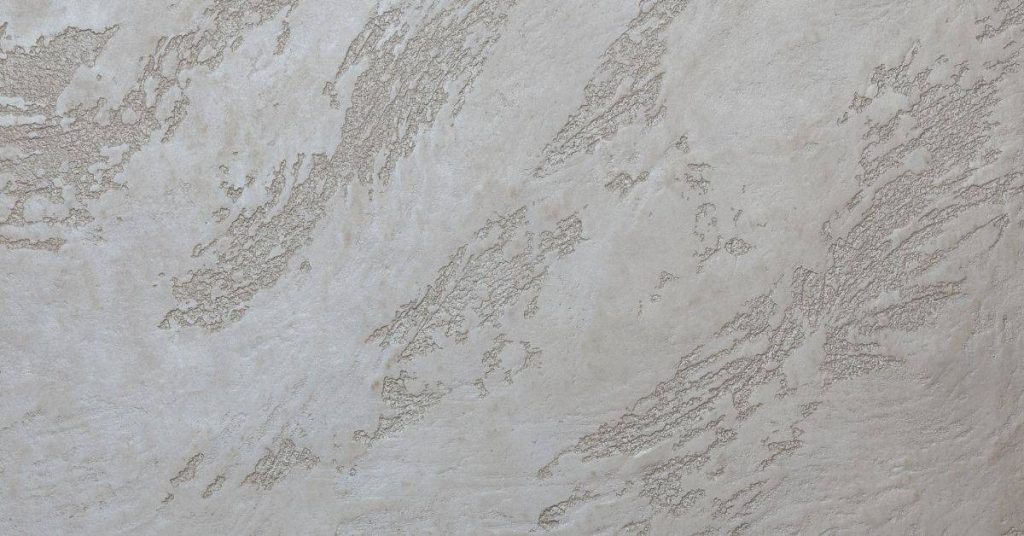
Close-up of textured beige wall finish with irregular patterns

Feather Finish vs. Self-Leveler for Minor Concrete-Floor Dips

Introduction For an isolated, shallow dip, gouge, or edge transition in a concrete floor, choose a feather-finish patching compound. Choose self-leveling underlayment when low areas are broad, numerous, or outside the patch product’s stated thickness range. A patch lets you correct one defect without raising the surrounding floor; a self-leveler treats a larger field and […]

Feather Finish vs. Self-Leveler for Minor Concrete-Floor Dips Read More »

Hand applying plaster to wall with trowel

How to Tell Whether a Plaster Wall Crack Is Cosmetic or Movement-Related

Introduction A fine crack confined to a dry plaster finish is often cosmetic. A crack that is widening, extending, displaced, or accompanied by bulging plaster, sticking doors or windows, or matching damage elsewhere needs investigation. This article is a homeowner triage guide, not a structural diagnosis. Crack width alone cannot tell you whether a wall

How to Tell Whether a Plaster Wall Crack Is Cosmetic or Movement-Related Read More »

Stucco exterior wall with multiple windows and red trim

Stucco Cracks Around Windows: Common Causes and Better Detailing

Introduction Stucco cracks around windows are gaps in the stucco that show movement or moisture at the opening. They’re often caused by framing shifts, flashing issues, or moisture-related stress near the window edge. There are different crack types to look for, like hairline, spider, or cross-pattern cracks. Moisture behind the stucco worsens damage, and using

Stucco Cracks Around Windows: Common Causes and Better Detailing Read More »

Pile of red bricks with a pickaxe resting on top

Efflorescence on Brick and Block: Removal Methods That Don’t Make It Worse

Introduction Efflorescence is the white, powdery deposit that forms on brick or block when water brings soluble salts to the surface. This article explains simple removal methods that avoid making it worse. You’ll get practical, hands-on steps you can do yourself without fancy tools. Start with the easiest, low-risk approach and test a small area

Efflorescence on Brick and Block: Removal Methods That Don’t Make It Worse Read More »

Closeup of red brick wall with mortar joints

Type N vs. Type S Mortar for Block, Brick, and Stone

Introduction Choose Type N or Type S mortar from the masonry assembly—not strength alone. For many permitted above-grade, nonstructural brick or block applications, Type N is a common starting point. Type S has a higher specified compressive-strength classification, but it is not automatically the better choice for every wall, stone, climate, or repair. First identify

Type N vs. Type S Mortar for Block, Brick, and Stone Read More »

Concrete screeding tool smoothing wet concrete surface

Concrete Sand: Mason Sand vs Concrete Sand vs Play Sand (What Actually Works)

Introduction Concrete sand is the coarse, well-graded sand used in concrete mixes and as bedding material. Mason sand, concrete sand, and play sand differ mainly in texture, particle size, and how they compact. Knowing which to use depends on the job and what the sand needs to do in the mix or base. Mason sand

Concrete Sand: Mason Sand vs Concrete Sand vs Play Sand (What Actually Works) Read More »

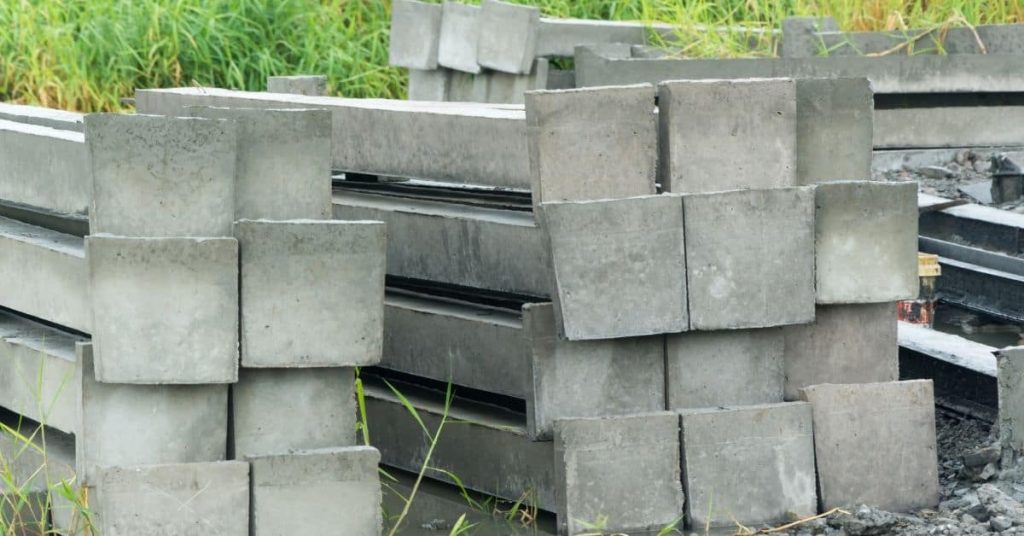
stacked precast concrete columns outdoors on grassy ground

Can You Use Calcium Chloride in Concrete? When It’s Allowed and When It’s a Bad Idea

Introduction Calcium chloride can speed up concrete setting, but it is not allowed for every mix or every job. For DIY pours, check product labels and local rules to know if it’s permitted. If you’re unsure, ask the supplier or code authority before using it on your project. In some cases it’s allowed, but in

Can You Use Calcium Chloride in Concrete? When It’s Allowed and When It’s a Bad Idea Read More »