Search Results for: surface prep

Freshly poured smooth concrete floor indoors

DIY Concrete Vibration: Internal vs External, How Long to Vibrate, and What Not to Do

Introduction Concrete vibration is the process of removing air pockets and consolidating fresh concrete to improve strength and finish. It helps achieve a dense, smooth slab when working with concrete. This piece compares internal and external methods and what you should know for a DIY job. Internal vibration uses a probe that goes into the

DIY Concrete Vibration: Internal vs External, How Long to Vibrate, and What Not to Do Read More »

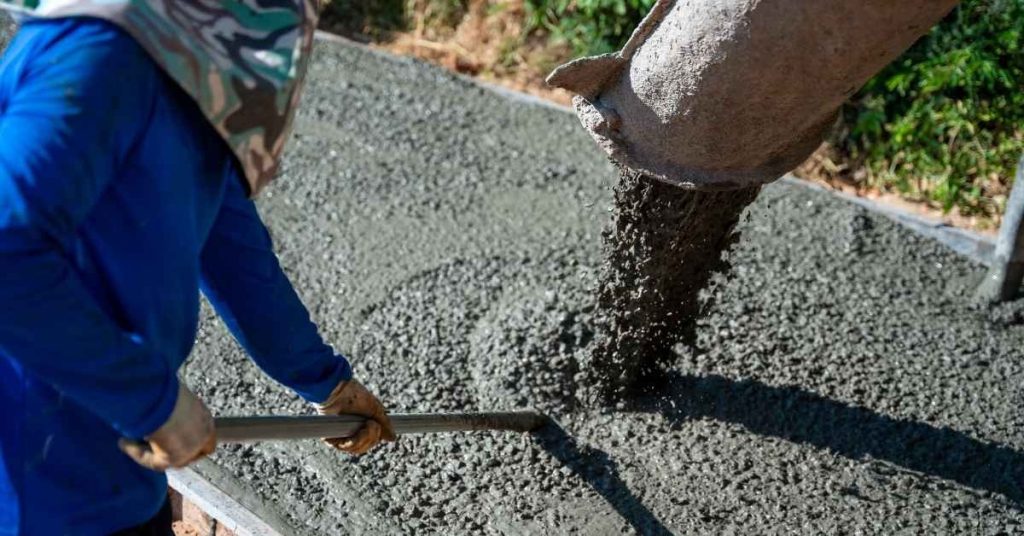
Worker spreading wet concrete from chute with shovel

Adding Gravel to Bagged Concrete: Correct Ratios and Compaction Tips

Introduction Adding gravel to bagged concrete is blending an appropriate amount of aggregate with a pre-mixed concrete product to improve stability and workability. Check the bag or manufacturer instructions for the recommended ratio and how the aggregate should be added. The aim is a consistent mix with fewer voids and a solid, workable set without

Adding Gravel to Bagged Concrete: Correct Ratios and Compaction Tips Read More »

Empty concrete parking garage with white support beams

Adding Sand to Bagged Concrete: When It Helps and When It Weakens the Mix

Introduction Adding sand to bagged concrete can change how it flows and how strong it ends up. The right amount improves workability, but too much can weaken the mix. Always test a small batch and follow the product directions. Sand addition often increases the volume of the mix, which can affect formwork and curing time.

Adding Sand to Bagged Concrete: When It Helps and When It Weakens the Mix Read More »

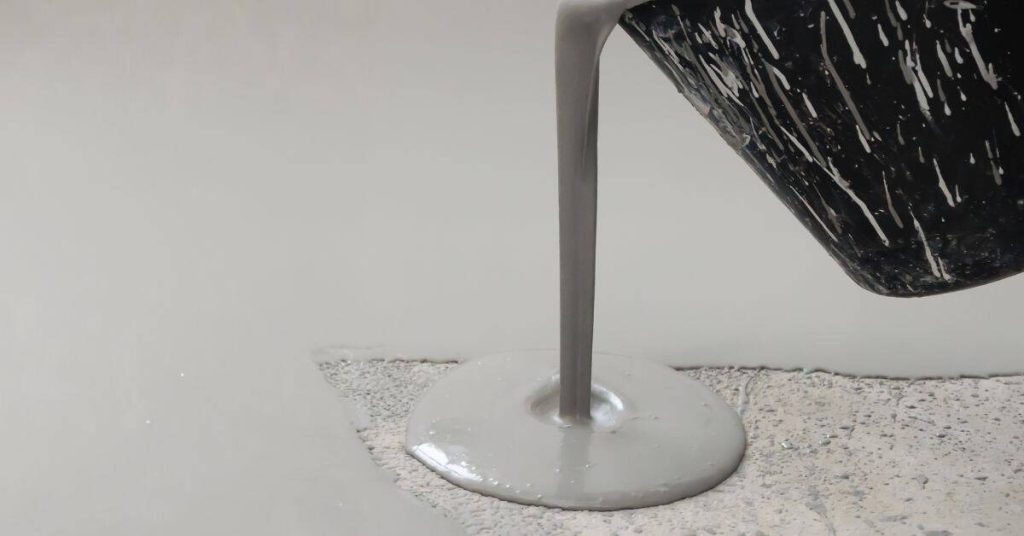
Gray liquid concrete being poured from bucket onto surface

Concrete Isolation Joints: Where to Place Them Around Walls and Columns

Introduction An isolation joint is a gap that lets the concrete slab move independently from walls and columns to prevent cracking. In this article we cover where to put them around walls and columns in a DIY-friendly way, not a textbook. Check local rules and manufacturer instructions for placement guidance. Geotechnical soil conditions and reports

Concrete Isolation Joints: Where to Place Them Around Walls and Columns Read More »

Two black rectangular planters with green plants outside white house

Ferrocement Planters and Thin Structures: Mesh Layout, Mortar Mix, and Curing

Introduction Ferrocement is a thin, reinforced cement mortar system that uses mesh and a cementitious mix to build lightweight, curved shells like planters. It relies on multiple coats and a strong mesh lattice to hold shape and resist cracking. It’s a hands-on technique that you can adapt for small DIY projects, with attention to formwork

Ferrocement Planters and Thin Structures: Mesh Layout, Mortar Mix, and Curing Read More »

Black freestanding bathtub on dark floor with stool and plant

Concrete Permeability: What It Means and a Simple Water Test You Can Do

Introduction Concrete permeability is how easily water and other liquids move through the concrete. In plain terms, a more permeable mix can soak up moisture and salts, which affects durability and winter performance. This article explains a simple water test you can do at home to get a feel for permeability. The test is a

Concrete Permeability: What It Means and a Simple Water Test You Can Do Read More »

Blue swimming pool water next to exposed aggregate concrete edge

Capillary Break Under Slabs: Materials, Foam-Glass Options, and Edge Details That Work

Introduction A capillary break under slabs is a layer or treatment that stops water from wicking from the soil into the concrete. In plain terms, it keeps moisture away from the slab to prevent dampness and cracking. Choose a method and materials that fit your climate and slab design. Foam-glass options can be used as

Capillary Break Under Slabs: Materials, Foam-Glass Options, and Edge Details That Work Read More »

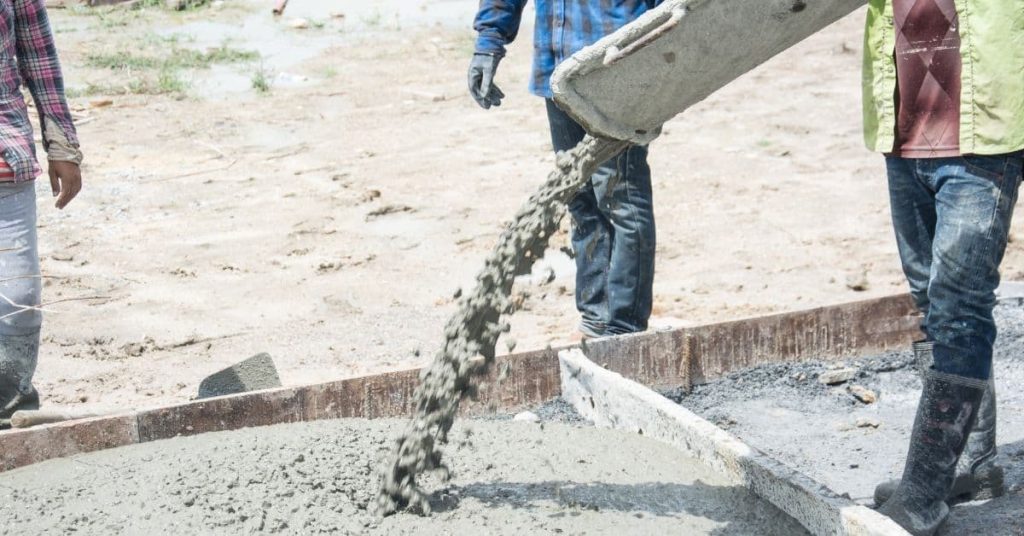
Workers pouring wet concrete into a wooden frame outdoors

Cellular Concrete Uses: Trench Backfill and Under-Slab Fill (Pros, Cons, DIY Limits)

Introduction Cellular concrete is a lightweight concrete mix used for trench backfill and under-slab fill. It is also known as foamed or aerated concrete, and it’s discussed as a DIY-friendly option with attention to local rules and product instructions. It’s not a substitute for every job, so check what your project requires first and follow

Cellular Concrete Uses: Trench Backfill and Under-Slab Fill (Pros, Cons, DIY Limits) Read More »

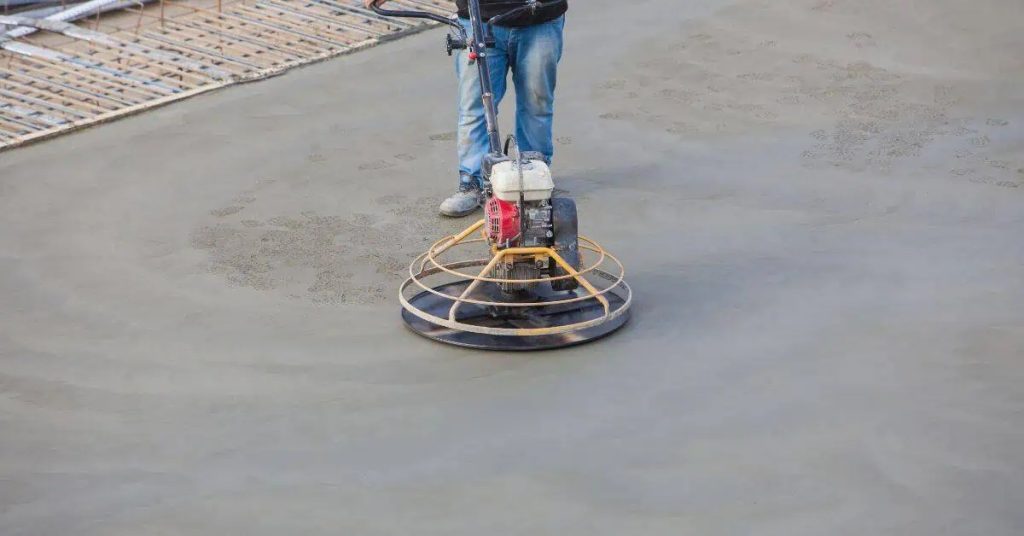
person using power trowel on wet concrete slab

Foamed Concrete for Small DIY Planters: Mixing, Casting, and Curing

Introduction Foamed concrete can make a small cast planter easier to handle than ordinary concrete, but it is not a universal DIY recipe or a structural material. This guide is for small, ground-supported, nonstructural planters made with a specific cellular-concrete product or preformed-foam system. Use the selected product’s technical data sheet and safety data sheet

Foamed Concrete for Small DIY Planters: Mixing, Casting, and Curing Read More »