Search Results for: surface prep

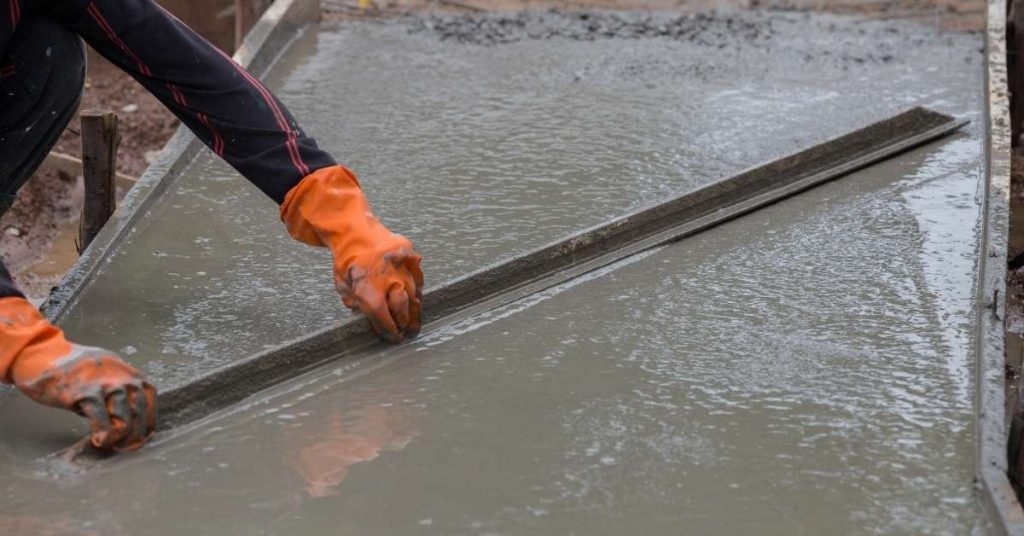
Hands with orange gloves leveling wet concrete slab

Under-Slab Plumbing Sleeves: How to Leave Movement Without Leaks

Introduction Under-slab plumbing sleeves are protective conduits that allow pipes to move slightly under a concrete slab to prevent leaks. They give a controlled path for movement so joints don’t crack or rub on sharp edges. This intro will lay out the practical ideas you’ll need to know when planning or checking sleeves on a […]

Under-Slab Plumbing Sleeves: How to Leave Movement Without Leaks Read More »

Rusty rebar grid and foam insulation panels in concrete form

Concrete Slab Termite Shields: Detailing for Pest Control and Moisture

Introduction Termite shields in concrete slabs are physical barriers and detailing practices that help deter termites from entering the structure. They sit at the interface between soil and slab and are installed during pour to block termite paths. Along with proper moisture control and detailing, they reduce the chance termites take up residence. Termites favor

Concrete Slab Termite Shields: Detailing for Pest Control and Moisture Read More »

Concrete pouring over rebar grid at construction site

Sonotube Footings: Keeping Tubes Plumb and Preventing Soil Collapse

Introduction Sonotube footings are cylindrical form tubes used to shape concrete footings and keep them plumb during pour. They help prevent soil from collapsing around the pour by providing a stable, vertical mold. Before pouring, set the tubes on a solid base, check alignment with a level, and brace as needed. Sizes and installation steps

Sonotube Footings: Keeping Tubes Plumb and Preventing Soil Collapse Read More »

Concrete pouring from chute into wooden forms supported by gravel

Concrete Form Blowouts: How to Brace, Inspect, and Stop a Failing Pour

Introduction A concrete form blowout is a formwork failure during placement: a panel bows, a joint opens, a tie or anchor moves, or the form collapses and releases fresh concrete. Treat visible movement or rapidly increasing leakage as a stop-work condition, not a cosmetic problem. Do not use generic brace dimensions as a design. Formwork

Concrete Form Blowouts: How to Brace, Inspect, and Stop a Failing Pour Read More »

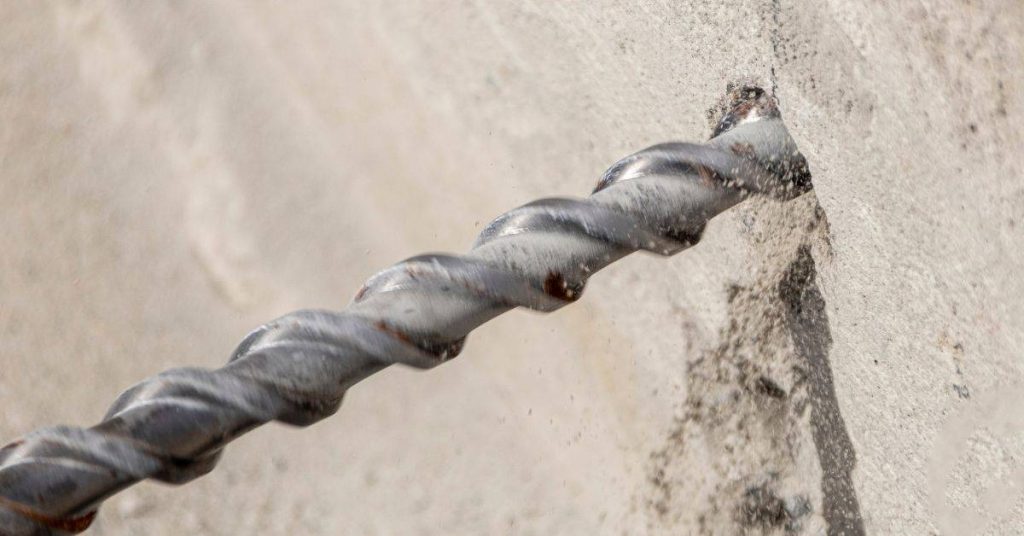
Close up of drill bit penetrating concrete surface

Drilling Rebar Dowels: How Deep to Go and How to Avoid Blowouts

Introduction Drilling rebar dowels is the process of making a hole that the steel bar can sit in securely. Key takeaways Verify embedment depth per plans and code requirements before drilling. Choose drill bits matching hole diameter and concrete hardness per label. Drill slowly with steady pressure to reduce blowouts and surface spalling risk. Clean

Drilling Rebar Dowels: How Deep to Go and How to Avoid Blowouts Read More »

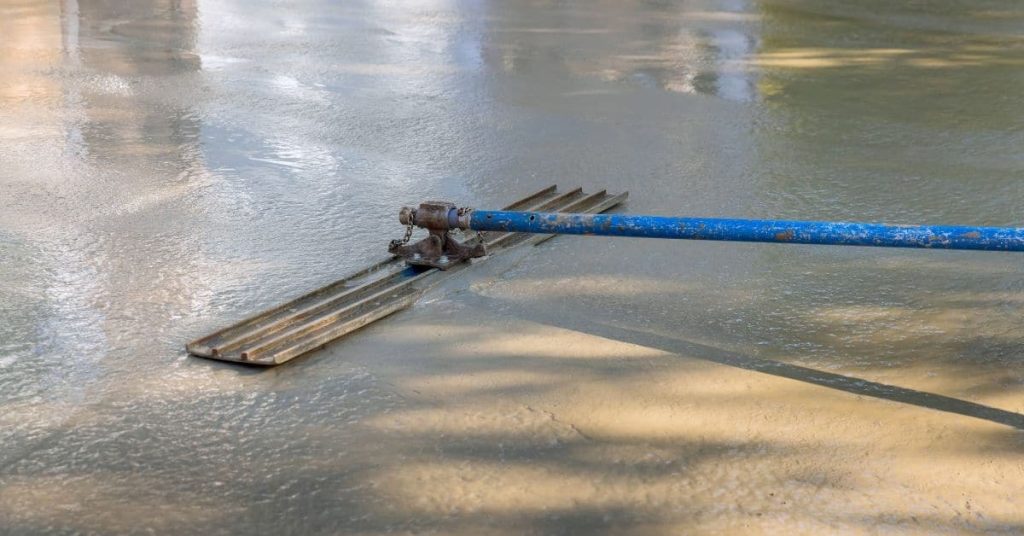
Concrete screed tool smoothing wet concrete surface outdoors

Concrete Finishing in Direct Sun: Shade, Fogging, and Timing Tips

Introduction Concrete finishing in direct sun means you need shade, moisture control, and smart timing to get a smooth, durable surface. Shade helps slow rapid moisture loss, fogging or misting adds surface cooling, and timing keeps finishing steps aligned with the concrete’s surface condition. Plan ahead to avoid streaks, itching, or surface damage from heat

Concrete Finishing in Direct Sun: Shade, Fogging, and Timing Tips Read More »