Search Results for: surface prep

Man in red cap applying joint compound to drywall ceiling

Plaster vs Joint Compound for Repairs: Where Each Cracks and How to Combine Them

Introduction Use joint compound for drywall seams and shallow, stable patches. Use a compatible plaster-repair or plaster system when you must rebuild missing plaster, match a plaster finish, or repair lath-and-plaster. The wall must be sound, dry, and firmly attached before either material will last. They can appear in the same repair only when the […]

Plaster vs Joint Compound for Repairs: Where Each Cracks and How to Combine Them Read More »
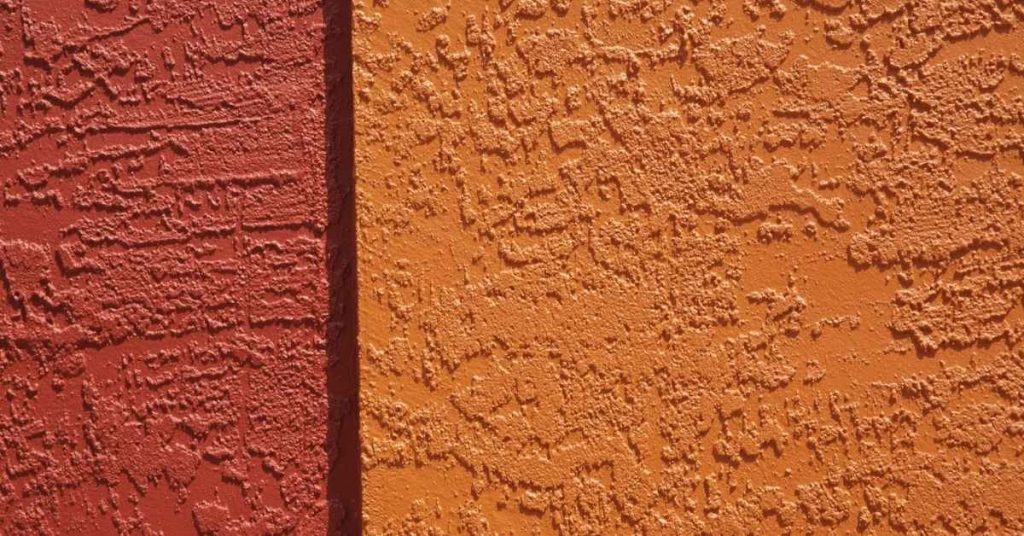
Close-up of two different colored stucco wall sections with textured surface

Color Matching Stucco Repairs in Shade vs Sun: Why It Looks Different and How to Test

Introduction Color matching stucco repairs varies between shade and sun, because lighting changes how pigments look. Natural light shifts perception and can make colors appear lighter or darker in different conditions. Test patches in both areas and compare them under the same conditions you’ll live with day to day. When testing, check colors in sun

Color Matching Stucco Repairs in Shade vs Sun: Why It Looks Different and How to Test Read More »

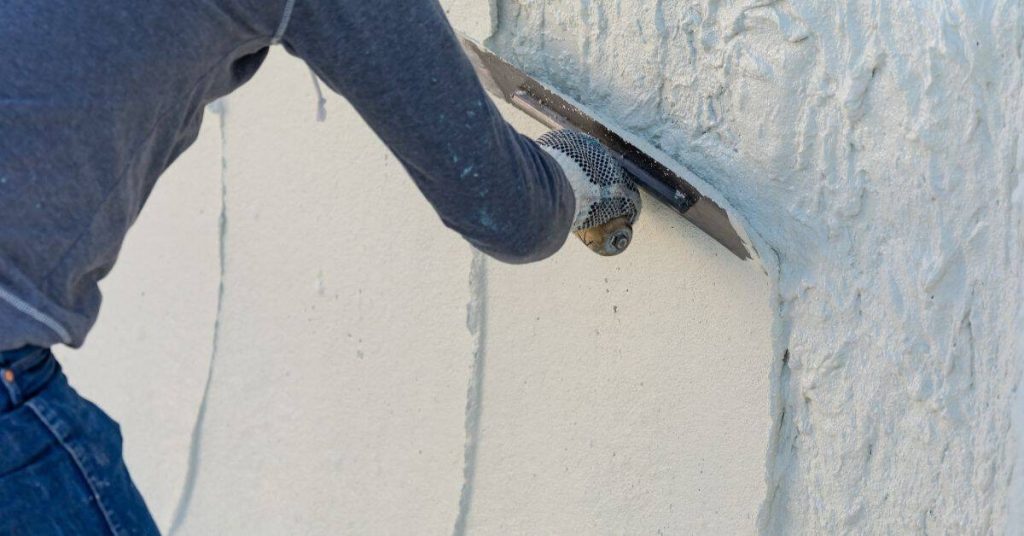
Person applying stucco texture to exterior foam wall

Stucco + Exterior Foam Additions: Transition Details That Keep Drainage Paths Open

Introduction This approach combines stucco with exterior foam to manage drainage and keep water from standing against the foundation. It adds an insulating layer outside the wall and creates a smooth receiver for the stucco finish. You’ll want to plan how drainage paths remain open while the layers are installed and sealed. For DIY work,

Stucco + Exterior Foam Additions: Transition Details That Keep Drainage Paths Open Read More »

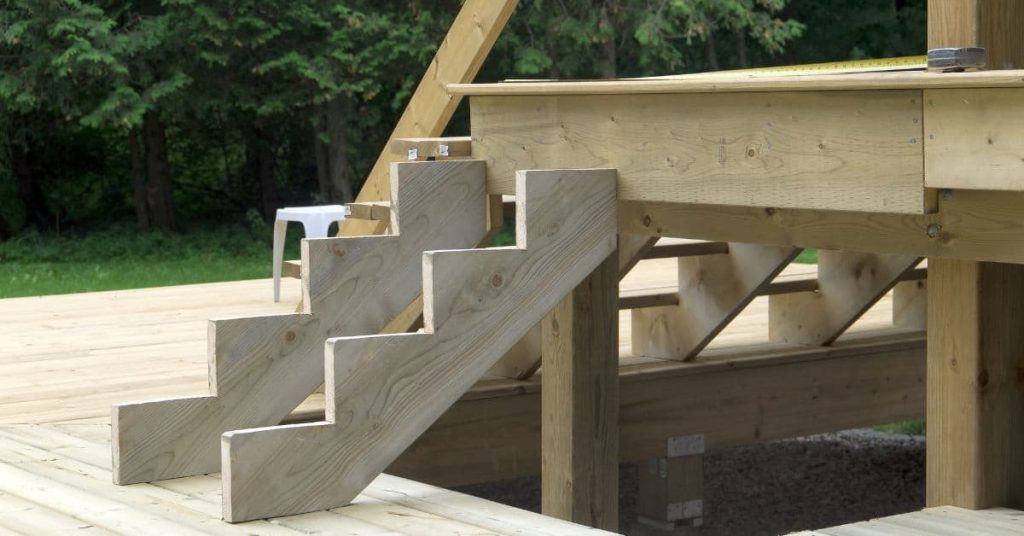
Wooden stair stringers attached to deck frame outdoors

Stucco Around Deck Ledger Boards: Waterproofing Details That Don’t Rely on Caulk

Introduction Stucco around a deck ledger boards is a method to seal and protect the joint where the deck meets the house. It relies on proper transitions and flashing rather than relying on caulk as the main waterproofing tool. The goal is to keep water from getting behind the stucco and into the wall cavity.

Stucco Around Deck Ledger Boards: Waterproofing Details That Don’t Rely on Caulk Read More »

White stucco coated brick wall texture close-up

Stucco Control Joint Layout: Where They Belong and Why Random Cracks Follow Bad Layout

Introduction Control joints in stucco are deliberate gaps that guide where cracks will form, instead of letting random cracks run everywhere. They serve as a planned break for movement due to temperature, moisture, and framing shifts. Placement guidelines depend on factors like height, openings, and changes in plane; check manufacturer instructions for specifics. Use appropriate

Stucco Control Joint Layout: Where They Belong and Why Random Cracks Follow Bad Layout Read More »

Stack of gray concrete cinder blocks under blue sky

Concrete Planter Drain Holes: Placement, Wicking Risk, and Waterproofing Details

Introduction Concrete planter drainage holes are openings made in the sides or bottom to let excess water escape and keep soil from becoming waterlogged. Place them where excess water can drain freely and where roots won’t be damaged, keeping an eye on their placement relative to the planter edge. Too little drainage can cause waterlogging

Concrete Planter Drain Holes: Placement, Wicking Risk, and Waterproofing Details Read More »

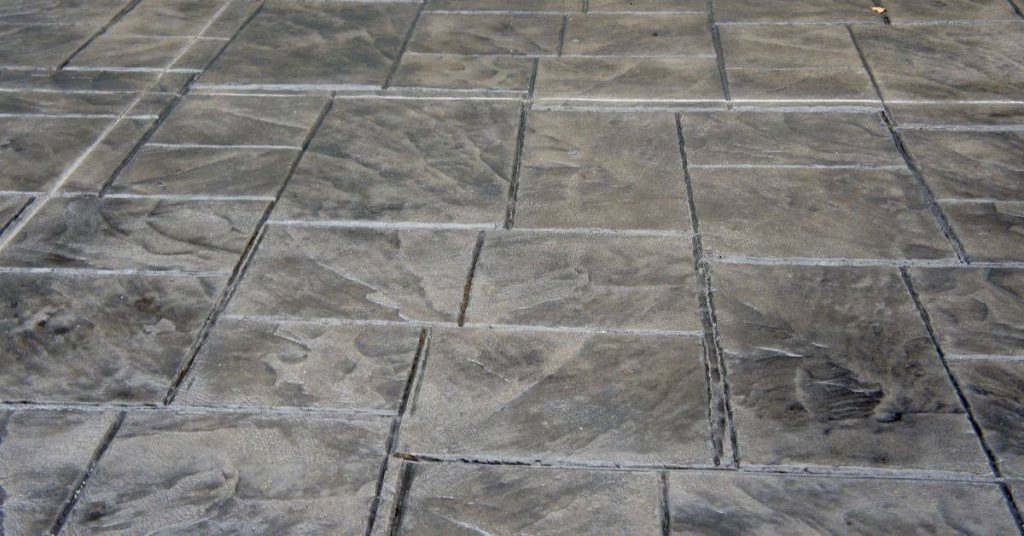
Stamped concrete patio surface with gray color and texture

Concrete Countertop Sealer Spot Repairs: Fixing One Area Without Recoating Everything

Introduction A sealer spot repair on a concrete countertop is fixing a damaged area without recoating the whole surface. It starts with identifying the kind of damage—stains, dull or rough spots—and cleaning the area thoroughly before any repair. Then you’ll choose a compatible sealant and follow the product directions for spot treatment, avoiding the rest

Concrete Countertop Sealer Spot Repairs: Fixing One Area Without Recoating Everything Read More »

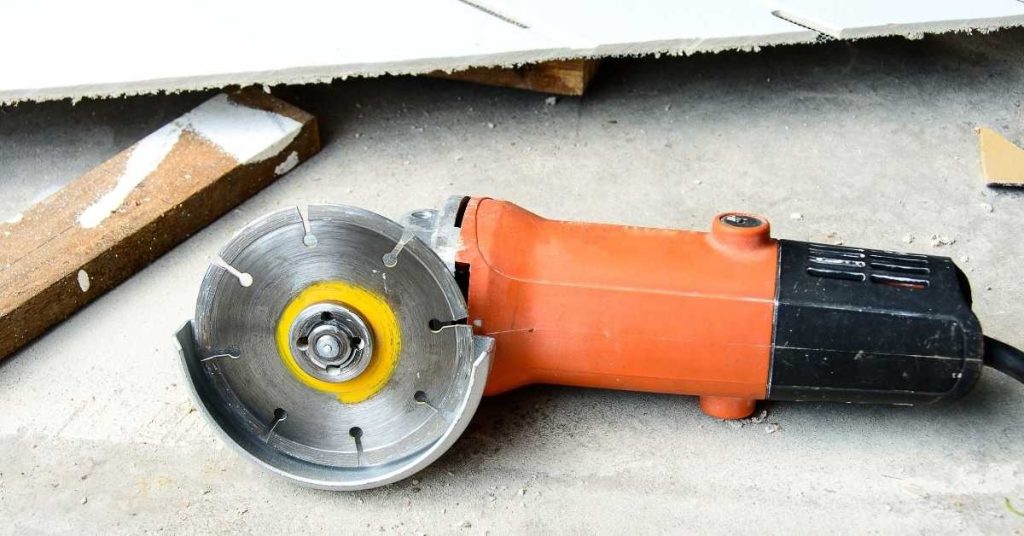
Corded angle grinder lying on dusty concrete floor

How to Avoid Grinder ‘Swirl Marks’: Technique, Tool Path, and When to Cross-Hatch

Introduction Grinder swirl marks are fine scratches left by abrasive motion, and you avoid them with the right technique. Choose the right grinder and disk for the wood task, keep the surface clean, and maintain steady, even pressure. Work in small, overlapping passes and check your progress often before moving to a finer abrasive. Use

How to Avoid Grinder ‘Swirl Marks’: Technique, Tool Path, and When to Cross-Hatch Read More »

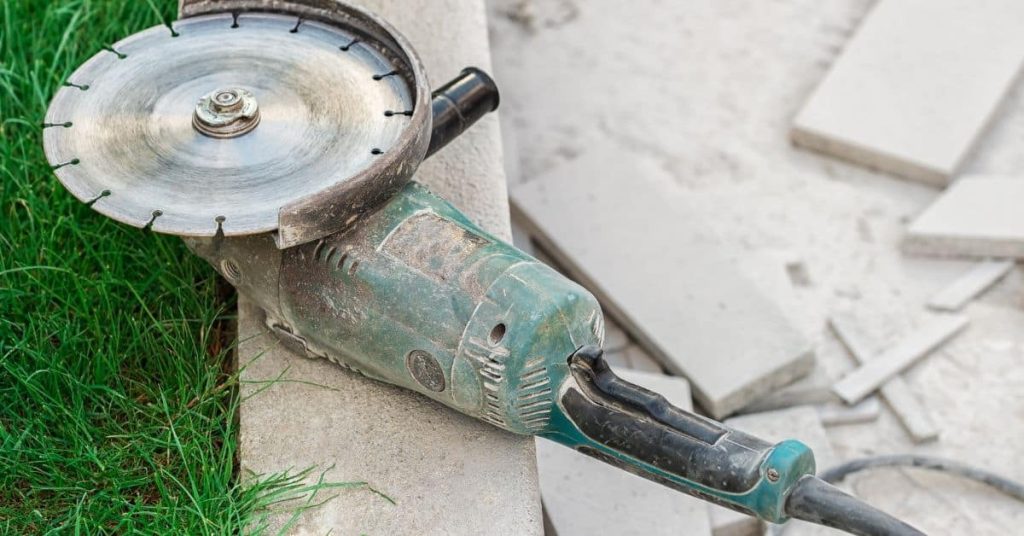
Electric concrete cutting angle grinder resting on curb

Concrete Sawcut Dust Control: Dry vs Wet Cutting and How to Protect Indoor Spaces

Introduction Dry cutting creates concrete dust that must be controlled, while wet cutting uses water to suppress dust. This article gives a practical, hands-on look at how each method works in real spots around the house. You’ll see what to check on equipment and what to expect when cutting indoors vs outdoors. We’ll cover how

Concrete Sawcut Dust Control: Dry vs Wet Cutting and How to Protect Indoor Spaces Read More »

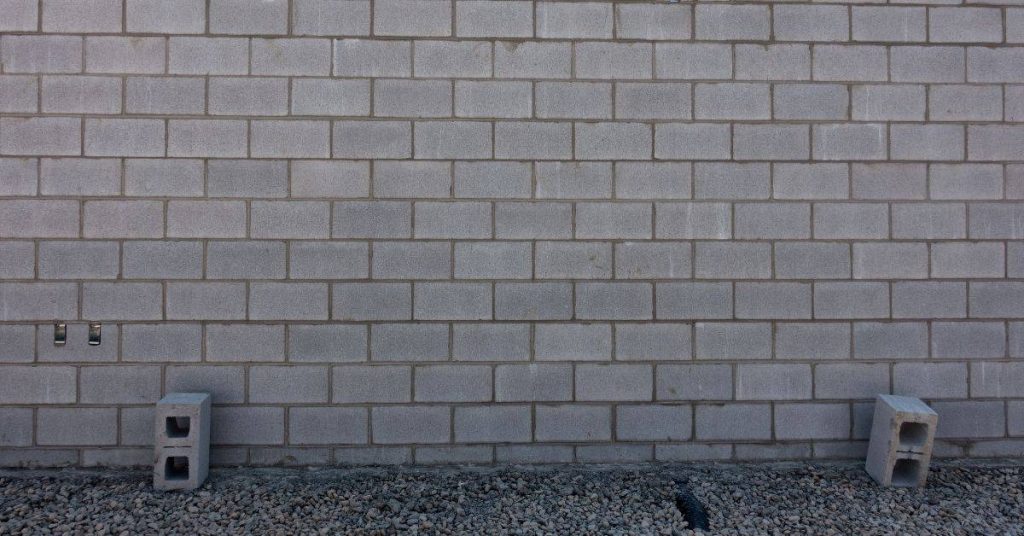
Gray concrete block wall with gravel base and two hollow concrete blocks

Anchoring Into Concrete Block: Hollow vs Grouted Cells and Proper Fastener Choices

Introduction Anchoring into concrete block means using the right anchors and installation technique to secure fasteners into hollow or grouted cells. The choice depends on whether you’re dealing with hollow sections or fully grouted blocks, so consult the anchor’s instructions and the block type before proceeding. Plan for safe drilling, clean holes, and proper seating

Anchoring Into Concrete Block: Hollow vs Grouted Cells and Proper Fastener Choices Read More »