Search Results for: surface prep

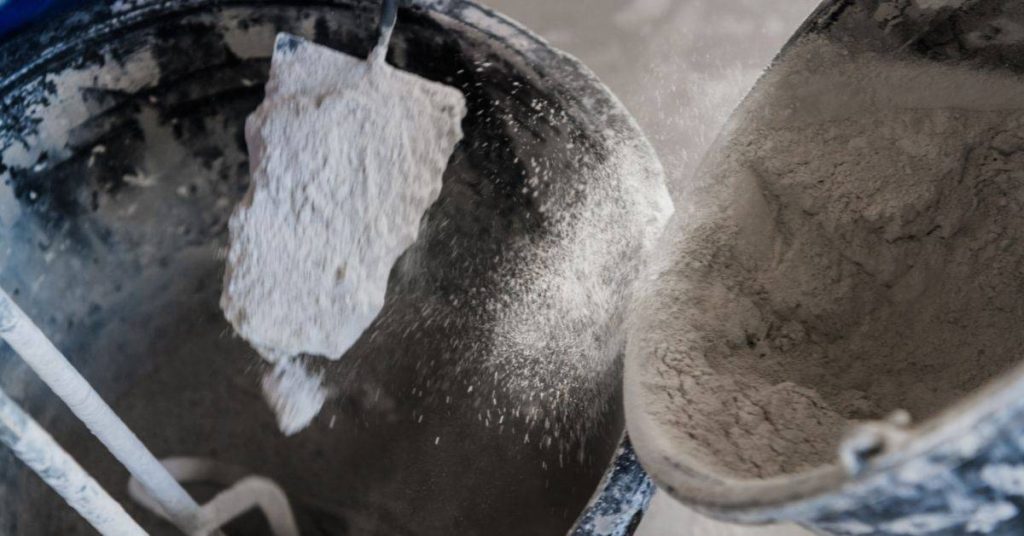
Dry concrete mix being poured into a 5-gallon bucket

Concrete Mixing in 5-Gallon Buckets: Repeatable Ratios for Small Projects

Introduction Concrete mixing in 5-gallon buckets is making small batches of concrete using a bucket as your mixing vessel. This approach works well for quick patches, tiny fills, and simple touchups. You’ll typically combine materials in small, single-session batches. Keep the mix consistent so you get a uniform texture each time. Use clean buckets, a

Concrete Mixing in 5-Gallon Buckets: Repeatable Ratios for Small Projects Read More »

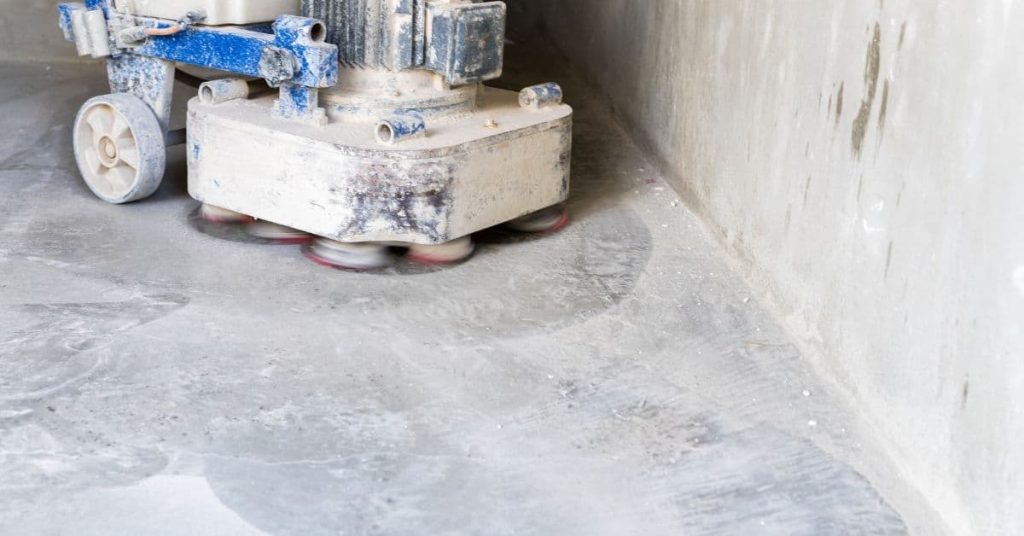
Concrete floor grinding machine smoothing surface near wall

Fixing Trip Hazards by Grinding: How Much You Can Remove Before You Create New Problems

Introduction Grinding to fix trip hazards is removing small amounts of material from high spots so the surface becomes even. Do not remove more than necessary, since over-grinding can create new problems. Check the material, tool, and surface before you start, and follow manufacturer instructions and local rules. Do small passes and check your progress

Fixing Trip Hazards by Grinding: How Much You Can Remove Before You Create New Problems Read More »

Hands holding yellow and brown paint color swatches

How to Blend Multiple Bag Batches: Staging Mixes So Color and Workability Match

Introduction Blending multiple bag batches means combining portions from different bags so the final mortar looks and feels the same. This is about matching color and workability across mixes, not just mixing once and hoping it stays consistent. You’ll want a simple plan for staging batches so the material remains uniform as you work. Start

How to Blend Multiple Bag Batches: Staging Mixes So Color and Workability Match Read More »

Empty wheelbarrow resting on concrete surface

Concrete Near Downspouts: Slopes, Splash Blocks, and How to Stop Undermining

Introduction Concrete near downspouts needs proper slope and splash protection to prevent water from undermining the footing. Gutters and splash blocks channel roof runoff away from the foundation and concrete edge. This article explains what splash blocks are, why they matter, and how to position them so water moves away from the wall. Choosing a

Concrete Near Downspouts: Slopes, Splash Blocks, and How to Stop Undermining Read More »

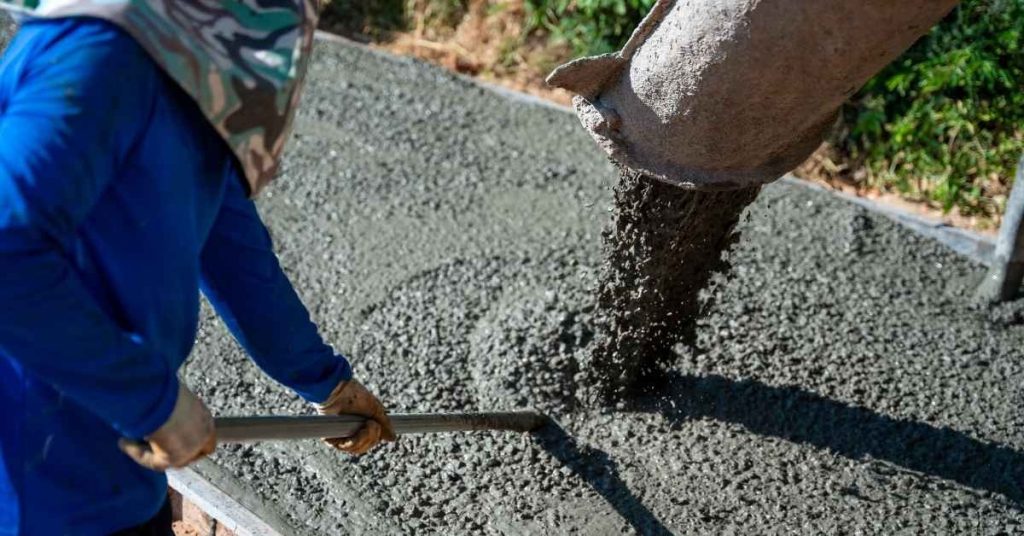
Worker pouring concrete into outdoor slab frame

Concrete on Fill Dirt: Settlement Risk Tests You Can Do With a Post Hole

Introduction Settlement tests for concrete on fill dirt help you assess how a post hole may settle after the concrete cures. Using a simple post hole, you can observe movement and identify if extra reinforcement or different fill is needed. These checks keep the project honest and give you practical results you can act on.

Concrete on Fill Dirt: Settlement Risk Tests You Can Do With a Post Hole Read More »

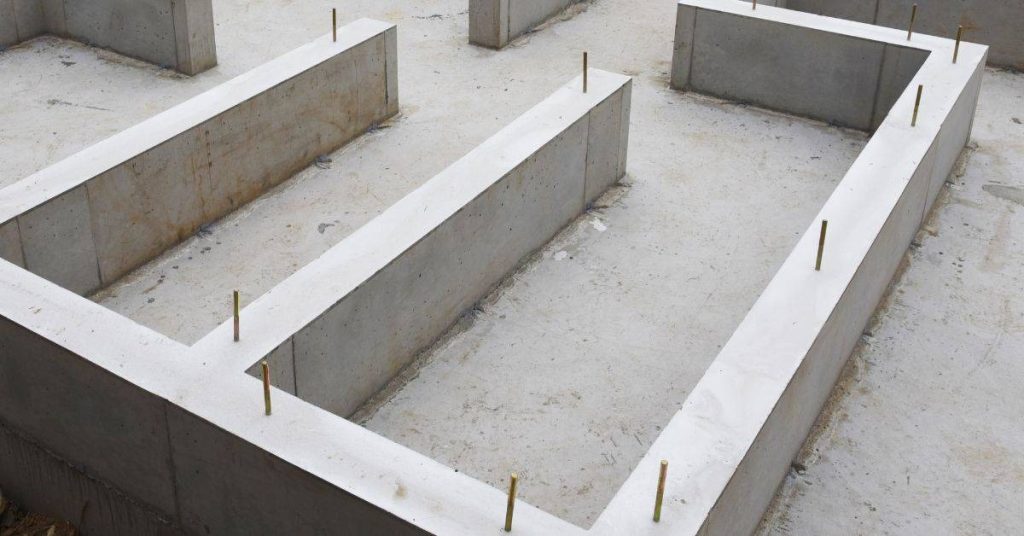
concrete foundation forms with embedded rods on construction site

Making a Simple Concrete Strike-Off for Small Forms: Straightness Checks and Setup Tips

Introduction A concrete strike-off is a simple flat guide used to level fresh concrete so the top surface stays true across small forms. It helps you check straightness and control the final height with the form you are using. Keep the setup clean and checked for levelness as you pour. You will need a straight

Making a Simple Concrete Strike-Off for Small Forms: Straightness Checks and Setup Tips Read More »

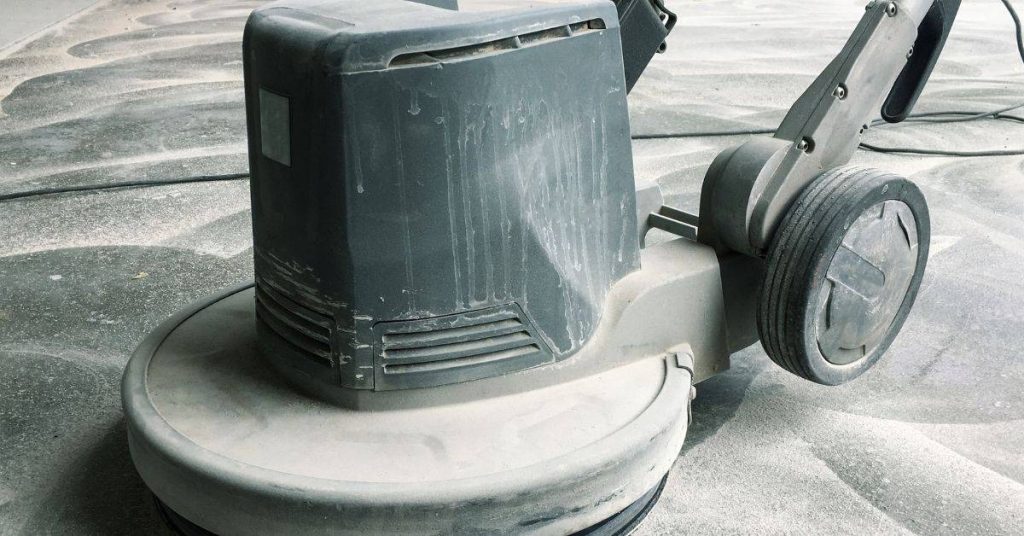
Concrete floor grinding machine on concrete surface

Concrete Trowel Blade Burnishing: When It Makes a Floor Stronger and When It Creates Dark Swirls

Introduction Concrete trowel blade burnishing is the act of using a trowel blade on a fresh slab to seal the surface and tighten the paste, which can harden the floor but may leave dark swirl marks if done too aggressively. In practice, it can give a slick finish and extra density when conditions are right,

Concrete Trowel Blade Burnishing: When It Makes a Floor Stronger and When It Creates Dark Swirls Read More »

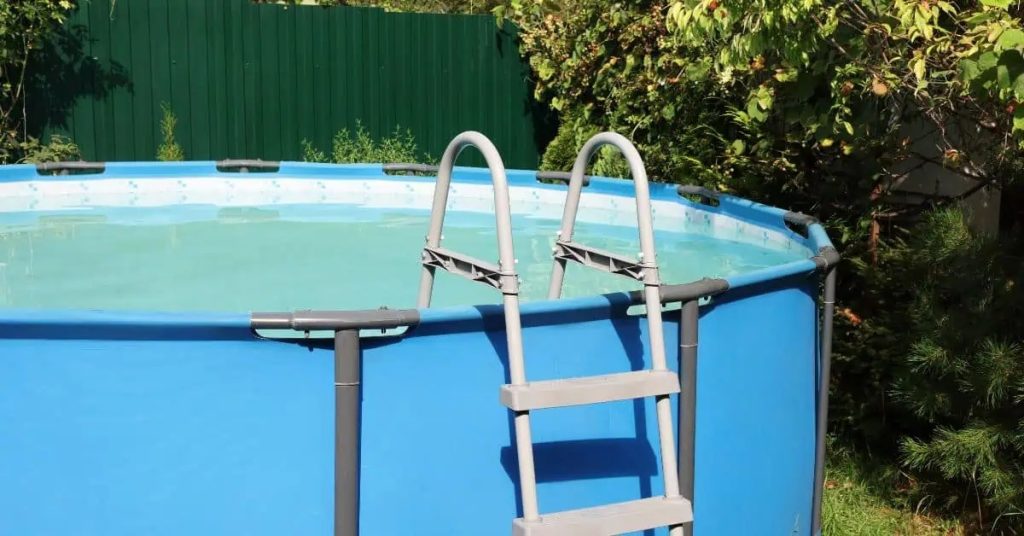
Above ground pool with ladder in backyard

Concrete on Frost-Heave-Prone Ground: DIY Drainage Fixes Before You Pour

Introduction Concrete on frost-prone ground needs drainage and subgrade prep to resist heave. In plain terms, moisture and freezing soil can push concrete upward if the ground isn’t managed. Check your local rules and follow manufacturer guidance for soil prep and drainage when planning a pour. A proper base and a simple drainage path help

Concrete on Frost-Heave-Prone Ground: DIY Drainage Fixes Before You Pour Read More »

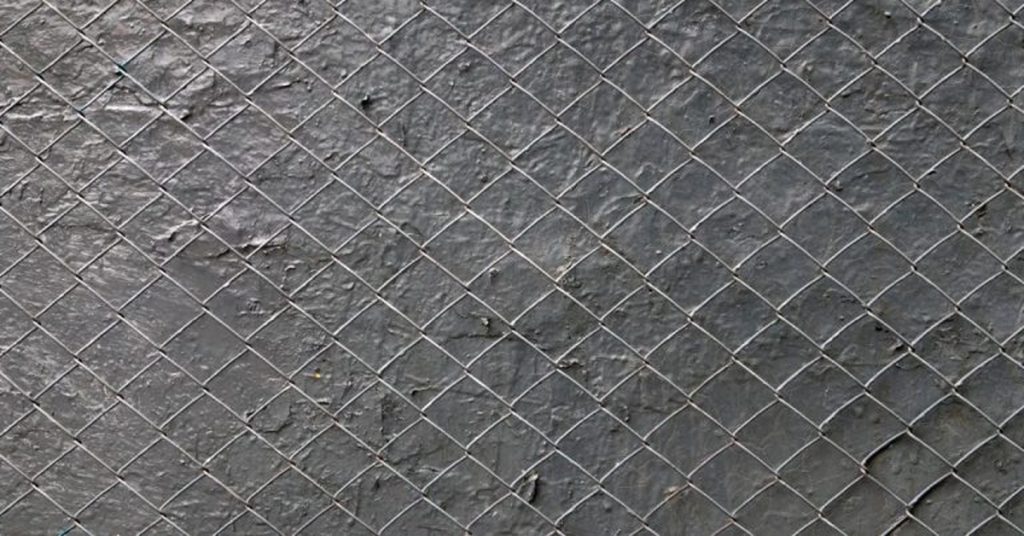
Wire mesh secured flat on wet cement surface

How to Keep Mesh Flat During a Pour: Pinning Methods That Beat ‘Hook and Pull’

Introduction Pinning mesh flat during a pour means using temporary fasteners to hold the wire or plastic mesh steady so it lays as you pour. The goal is to prevent sagging, curling, or fish-tailing as the concrete flows. You’ll position, secure, and adjust as you go. Try a few simple techniques: place temporary pins or

How to Keep Mesh Flat During a Pour: Pinning Methods That Beat ‘Hook and Pull’ Read More »