Search Results for: surface prep

Close-up of rough concrete wall with wood formboard texture

Fresco vs Limewash: What’s Actually Possible on Fresh Lime Plaster and What Isn’t

Introduction Fresco and limewash are two ways to finish fresh lime plaster, but they work differently and have different limits. Fresco is typically applied with the plaster while it’s still workable, while limewash is painted on after some setting. What you can actually do depends on the mix, moisture in the wall, and local guidance—check […]

Fresco vs Limewash: What’s Actually Possible on Fresh Lime Plaster and What Isn’t Read More »
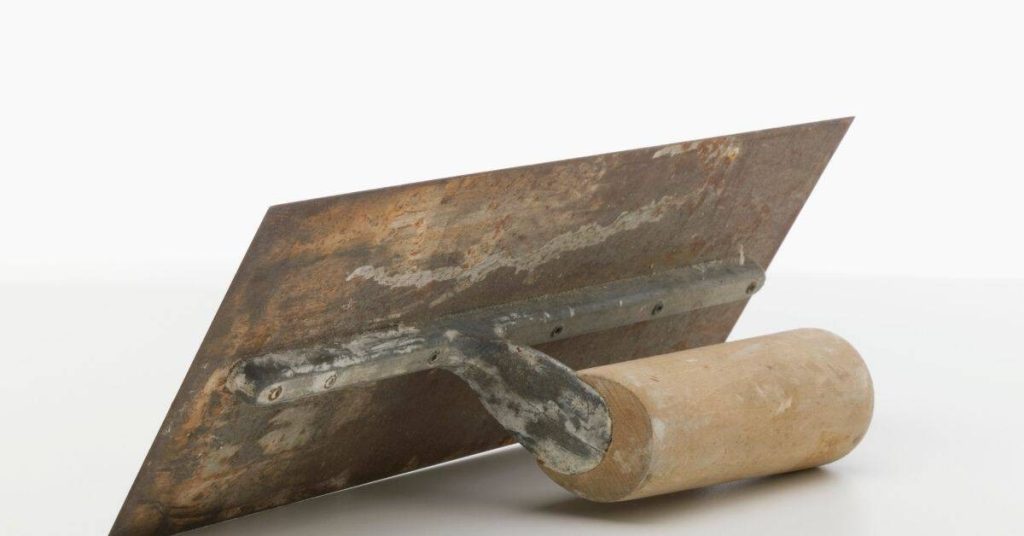
Rusty plastering trowel with wooden handle on white background

Repairing Historic Plaster With Embedded Wood Trim: Keeping Reveals Crisp Without Cracking

Introduction Repairing historic plaster with embedded wood trim means restoring plaster around the trim while preserving the wood reveals. It’s a practical, hands-on job that requires careful alignment of the reveals and gradual patching. Take your time to resecure loose plaster and check that the trim remains in the same plane. Use patch materials that

Repairing Historic Plaster With Embedded Wood Trim: Keeping Reveals Crisp Without Cracking Read More »

Closeup of stacked gray concrete cinder blocks

Removing Mulch Dye Stains on Concrete: Why They Stick and How to Lift Them

Introduction Mulch dye stains are color residues left on concrete after mulch pigments dry. Key takeaways Act quickly on fresh dye stains; blot, rinse, and avoid spreading. Identify stain type before treatment: dye stain, discoloration, or finish film. Test cleaner on a small area first to prevent damage. Use least-aggressive methods in sequence; wear eye/skin

Removing Mulch Dye Stains on Concrete: Why They Stick and How to Lift Them Read More »

Empty residential garage with concrete floor and closed garage door

Cleaning Concrete After Fertilizer Spills: Salts, Staining, and Rinse Rules

Introduction Cleaning concrete after fertilizer spills involves removing salts and stains while rinsing away residue. Fertilizers can leave mineral salts that pull water from the surface and leave pale or dark spots. This guide keeps it practical for DIY work and warns you to follow product labels and local rules. Start by rinsing the area

Cleaning Concrete After Fertilizer Spills: Salts, Staining, and Rinse Rules Read More »

Wet concrete being poured onto a surface

Embedding Magnets in Concrete: Layout, Encapsulation, and Avoiding Rust Stains

Introduction Embedding magnets in concrete means placing magnets inside or just beneath the surface of a poured concrete member so they stay with the concrete. Plan their layout so they don’t interfere with forms or rebar. Keep the magnet placement simple and clear in your form work to avoid surprises during curing. Encapsulation should protect

Embedding Magnets in Concrete: Layout, Encapsulation, and Avoiding Rust Stains Read More »

pile of crushed concrete aggregate rocks and debris

Why Concrete Chips at Control Joints: Sawcut Timing, Aggregate, and Edge Protection

Introduction Chipping at control joints happens when the timing of the sawcut and how the edges are protected allow the concrete near the joint to chip. In DIY terms, it means bits of the slab break off along the joint after cutting. Factors like how fresh the concrete was, how deep the cut is, and

Why Concrete Chips at Control Joints: Sawcut Timing, Aggregate, and Edge Protection Read More »

Red metal concrete formwork with angled braces and safety railing

How to Cast Concrete With Embedded Hardware: Threads, Tape, and Keeping Inserts Clean

Introduction Casting concrete with embedded hardware means placing fasteners or inserts into the form before the concrete sets so they stay in the right place. Key takeaways Plan hardware embed locations early to avoid rework and clearance conflicts. Label inserts and keep threads clean during form setup and pour. Use release agent properly and wipe

How to Cast Concrete With Embedded Hardware: Threads, Tape, and Keeping Inserts Clean Read More »

close-up of various sized crushed concrete aggregate stones

Preventing Aggregate Shadowing in Thin Casts: Particle Size, Paste Content, and Vibration

Introduction Aggregate shadowing in a thin cast happens when larger particles block the cement paste, making the surface look uneven. Choose a mix with a good spread of particle sizes, and check the paste content and vibration guidance on the product label. If in doubt, follow the manufacturer’s instructions and local rules for thin applications.

Preventing Aggregate Shadowing in Thin Casts: Particle Size, Paste Content, and Vibration Read More »

Worker smoothing fresh concrete with hand tools outdoors

DIY Concrete ‘Slump’ Without a Cone: Visual Checks That Actually Correlate to Workability

Introduction A slump without a cone is a simple visual check of concrete’s workability, based on how it holds its shape and settles. You compare the look to what you expect for your mix and application, not a hard number. Use this as a quick sanity check, then verify with the proper method if required

DIY Concrete ‘Slump’ Without a Cone: Visual Checks That Actually Correlate to Workability Read More »