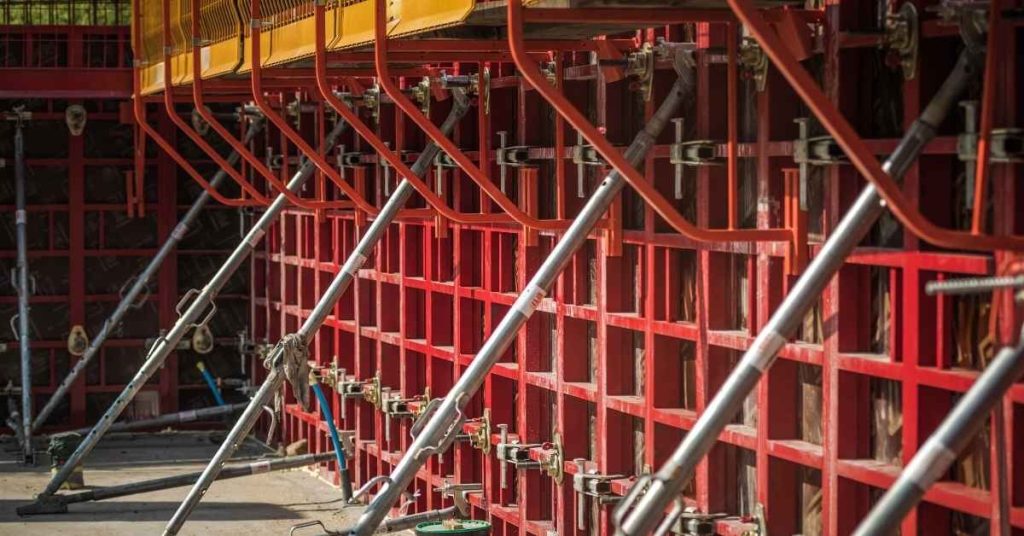
Introduction
Casting concrete with embedded hardware means placing fasteners or inserts into the form before the concrete sets so they stay in the right place.
Key takeaways
- Plan hardware embed locations early to avoid rework and clearance conflicts.
- Label inserts and keep threads clean during form setup and pour.
- Use release agent properly and wipe clean to protect threads and inserts.
- Check embedment depth with manufacturer guidance and local codes before casting.
- Wear eye protection and gloves when handling sharp hardware and forms.
- Protect surrounding concrete from spills with taped edges and form barriers.
Table of Contents
- Introduction
- Key takeaways
- Project Planning and Design Considerations
- Tools and Materials Checklist
- Material Specs and Standards Explained
- Methods for Embedding Hardware Before Casting
- Keeping Inserts Clean During Casting
- Casting Process Step-by-Step
- Troubleshooting Common Problems
- Inspection, Post-Cast Finishing, and Installation
- Conclusion
- FAQ
Project Planning and Design Considerations
Start by confirming embed types early in the plan. Consider how fasteners, sleeves, and anchors will be integrated with the drawings. Check coordination notes with structural and architectural teams so placement aligns with loads and clearances.
Evaluate constraints like edge distances, slab thickness, and accessibility for installation. Decide whether embeds will be fixed to form work or suspended with temporary supports. If unsure, refer to the project data sheets or manufacturer instructions for guidance.
Embed selection and sizing
Choosing the right embed is crucial. You’ve got cast-in anchors, inserts, studs – each has its use.
Talk to your designer. Get specifics on diameters, lengths, load capacity. Too small, it won’t hold. Too big, it’s a waste.
Here’s what you need:
– Diameter: Enough to handle the load.
– Length: Long enough for grip strength.
– Load capacity: Matches your needs.
Location, spacing, and tolerances
Placing embeds right is half the battle. Too close to edges, they might pop out. Too deep, they’re useless.
Check shop drawings. Confirm concrete cover – that’s distance from embed to form face. Tolerance bands too? They’re there for a reason.
Here’s what you need:
– Spacing: Evenly spread, no crowding.
– Concrete cover: Enough protection, not too much.
– Tolerances: Follow the plan, keep it tight.
Coordination with other trades
Ems are just one piece of the puzzle. Rebar, post-tensioning, conduits – they all play a role. Clashes happen if you’re not careful.
Communicate early and often. Know where everyone’s stuff is going. Changes on site? They cost time and money.
Here’s what you need:
– Rebar: No overlaps, no interference.
– Post-tensioning: Clear paths for cables.
– Conduits: Space for pipes, no blockages.
– Formwork: Accurate layout, no surprises.
Tools and Materials Checklist
Assemble a practical kit of hand tools, drills, and insertion aids plus protective hardware. Gather sleeves, anchors, and threaded inserts that match the embed plan. Include form-release agents, tape, and cleaning supplies to keep threads clear.
Include temporary spacers, shims, and hardware fasteners for layout and securing during pour. Have a plan for labeling and organizing components on site. If spec sheets are unclear, verify requirements with the supplier or project specs.
Hardware types and protectors
Before embedding, ensure your hardware is protected from concrete. Here’s a checklist of common protectors.
- Thread caps: Use for bolts with exposed threads to prevent concrete from filling the thread grooves.
- Dummy nuts: Apply to nuts that won’t be tightened until after the pour. They keep concrete out and hold the hardware in place.
- Sacrificial sleeves: Slip over rods or rebar to protect them from corrosion and make removal easier post-pour.
- Plugs: Insert into hollow hardware like pipe nipples to stop concrete from flowing through.
Quick rule: Always use the right protector for your hardware’s geometry. Skipping this can lead to damaged or stuck hardware after the pour.
Tape, plugs, and temporary caps
Seal threads and openings before pouring concrete. Here’s a checklist of tapes and plugs to consider.
- Duct tape: Inexpensive but can peel off during mixing. Use for small areas or when budget is tight.
- Gaffers tape: Sticks better than duct tape, resists moisture, and peels off cleanly post-pour.
- Plugs (rubber, foam, or plastic): Insert into openings to prevent concrete from flowing through. Choose based on hole size and shape.
- Temporary caps: Screw onto threads to keep them clean during the pour. Remove post-pour for final tightening.
Quick rule: Use tapes and plugs that resist concrete slurry best. Skipping this can result in damaged threads or hardware that’s hard to remove.
Formwork, fasteners, and positioning jigs
Accurate embed placement is crucial. Here are essential formwork items and simple jigs to help.
- Form ties: Use to secure formwork together. Ensure they’re tight and won’t shift during the pour.
- Wedges or clamps: Apply pressure to keep forms aligned and prevent leaks.
- Positioning jigs (wood, metal, or plastic): Create simple fixtures to hold embeds in place during placement and vibration. Ensure they’re secure but removable post-pour.
- Fasteners (nails, screws, or bolts): Use to attach positioning jigs to formwork. Choose based on jig material and required holding force.
Quick rule: Invest time in proper formwork setup and embed positioning. Poor setup can lead to misaligned concrete elements or hardware that’s hard to access post-pour.
Material Specs and Standards Explained
Identify which concrete strength, aggregate size, and curing conditions matter for embed performance. Understand how embedded hardware tolerances interact with the concrete profile. Look up the relevant standards or project specs to know what to check.
Cross-check hardware materials against corrosion resistance, thread hardness, and compatibility with concrete additives. If the project references standards, review the exact sections cited by the spec. When in doubt, confirm with the spec owner or manufacturer instructions.
Concrete Mix, Strength, and Curing Considerations
The concrete mix’s workability is crucial for embed stability. A more fluid mix can better encapsulate inserts, reducing voids and improving bond strength.
Consult your project spec or mix design to ensure the mix meets your needs. For critical embeds, consider a higher slump or using a superplasticizer.
Curing also plays a significant role. Proper curing maintains concrete’s early strength and prevents shrinkage cracks that could compromise embed performance.
Follow curing guidelines in ASTM C30 or your project spec for best results.
Corrosion Protection and Coatings for Embeds
Protecting embedded hardware from corrosion is vital. Moisture in concrete can cause rust, leading to reduced embed strength over time.
Apply protective coatings or wraps before embedding. Follow manufacturer guidelines for application and curing times.
For critical embeds, consider using stainless steel or galvanized hardware. These materials offer better corrosion resistance but may have different embedment requirements.
Always follow local codes and standards, such as ASTM A1085 for stainless steel, to ensure compliance.
Thread Standards and Hardware Grades
Matching thread standards is crucial. Incompatible threads can lead to stripped inserts or bolts that won’t tighten properly.
Verify your embeds’ threads align with the bolts or plates you’ll use. Common thread standards include UNC, UNF, and metric (M).
Hardware grades matter too. Higher-grade materials offer better strength and corrosion resistance but may have different embedment requirements.
Check your project specs and consult hardware manufacturers for compatibility. For critical embeds, consider having a metallurgist verify material properties.
Methods for Embedding Hardware Before Casting
Fixed-to-form embeds stay in place as the form is set, offering high alignment control. Suspended embeds hang from temporary supports to minimize edge interference. Temporary frames can hold hardware accurately without sticking to the concrete face.
Choose the method based on access, pour height, and alignment needs. Verify that chosen method matches the drawings and inspection requirements. If you’re unsure, consult the project plans or manufacturer guidance for limitations.
Using thread protectors and caps
Thread protectors are essential for keeping your threads clean during the concrete pour. Here’s how to use them:
1. Install thread protectors immediately after tapping or cutting threads. This prevents debris from entering.
2. Secure protectors tightly using a wrench. Vibrations during pouring can loosen them, so make sure they’re snug.
3. Remove protectors only after the concrete has set and gained initial strength (usually 24-48 hours).
Wrapping with tape and when to use it
Tape can help seal threads against concrete, but it’s not a standalone solution. Here’s how to use it:
1. Choose concrete-grade tape. It sticks better and lasts longer than regular duct tape.
2. Wrap tightly around the thread area, overlapping layers for extra protection.
3. Use tape in combination with protectors. Tape alone won’t stop vibrations from damaging threads; protectors are still needed.
4. Don’t rely on tape in high-vibration areas. It can peel off during pouring, leaving your threads exposed.
Mechanical fixtures and jigs for positioning
Proper embed placement is crucial. Here’s how to use mechanical fixtures and jigs:
1. Fabricate or purchase a fixture that fits your embed snugly. This could be a simple wooden block with a hole drilled in it.
2. Insert the embed into the fixture, ensuring it’s at the correct depth and alignment.
3. Secure the fixture to the formwork using clamps or screws. Make sure it’s stable and won’t move during pouring.
4. After the concrete has set, carefully remove the fixture. If you’ve used a wooden block, it might need to be pried off gently.

Keeping Inserts Clean During Casting
Plan a clean path for concrete so threads and cavities stay free of mortar. Use compatible tapes, plugs, and barriers to block ingress in critical areas. Keep a routine to inspect inserts before the pour and after form removal.
Employ formwork strategies that minimize concrete seepage around inserts. Use release agents or sleeves to prevent sticking. If you see conflicting guidance, check the product label, manufacturer instructions, or local code notes for best practices.
Best practices to prevent concrete ingress
Preventing concrete from entering threads and cavities during casting is crucial. Here are some best practices:
Seal tightly: Use thread protectors, caps, or tape to seal openings completely before pouring.
Create drainage paths: Ensure there’s a way for trapped air to escape as concrete fills the form. This could be through small vents or strategically placed hardware.
Pour sequentially: Start at the lowest points and work upwards, allowing gravity to help keep cavities clean.
Cleaning after pour: safe techniques
After the concrete has set, it’s time to clean your inserts. Here are some safe methods:
Wait until the concrete gains strength. This usually takes 24-72 hours, depending on the mix.
Use mechanical cleaning: Gently scrape or brush away any excess concrete using a soft-bristled brush or plastic scraper.
For tougher spots, use compressed air or mild solvents. Be careful not to damage threads or coatings.
Temporary sealing strategies and ventilation
Sealing openings temporarily during casting is important, but so is allowing trapped air to escape. Here’s how:
Use temporary seals: Cover openings with tape or caps that can be easily removed after pouring.
Avoid hydraulic pressure: Ensure there are no blocked paths for air to escape as concrete fills the form. This prevents slurry from being forced into openings.
Consider using vents: Small holes or tubes can be placed at high points in your formwork to allow trapped air to escape as concrete rises.
Casting Process Step-by-Step
Begin with a pre-pour checklist that includes embed alignment and protection. Pour in stages if needed to control movement and concrete flow around inserts. Stop to verify positioning before the cone of concrete reaches any critical depth.
Demold and inspect embeds soon after initial set, then finish surfaces with care to avoid damage. Document any deviations and plan corrective steps before further work. If you’re unsure about a step, review the project specs or supplier guidance.
Step-by-Step Process
Follow this clear, numbered sequence to cast concrete with embedded hardware safely and effectively.
- Preparation: Check your plans, gather tools, and ensure safety measures are in place. Wear gloves, goggles, and a hard hat.
- Positioning Hardware: Install embeds using thread protectors, caps, or tape as previously discussed. Use mechanical fixtures if needed.
- Main Pour: Start pouring at the lowest point, maintaining consistent lift heights to minimize displacement. Vibrate concrete gently to remove air pockets but avoid dislodging inserts.
- Consolidation: Use a bull float to strike off excess material and ensure a smooth surface. Then, use a darby or straight edge to screed the concrete.
- Final Checks: After pouring, verify that all embeds are still secure and correctly positioned. Clean up tools and materials, then allow the concrete to cure according to specified times.
Pre-pour checks and mock dry runs
Before pouring, conduct a thorough check to ensure everything is in place and ready. This helps prevent costly mistakes.
Checklist: Verify embed locations, protector fit, access for cleaning, and that all hardware meets standards and specifications.
Perform a mock dry run: Assemble your setup without concrete to confirm everything fits as planned. This helps identify any issues before pouring.
Adjustments are easier now than after the pour. Make sure you have enough room for cleaning and access to all embeds.
Pour techniques to minimize displacement and voids
Proper pouring techniques help reduce movement of embedded hardware and prevent void formation near inserts.
Pour Points: Start at the lowest point and pour in a controlled manner, working upwards. This helps prevent embeds from floating or shifting.
Lift Heights: Maintain consistent lift heights (typically 12″ to 18″) to avoid displacing hardware as you fill the form.
Sequencing: Pour in a systematic pattern, ensuring each section is fully filled before moving on. This helps prevent voids and ensures even consolidation.
Vibration, consolidation, and embed stability
Appropriate vibration practices help consolidate concrete without dislodging inserts. Monitor embed stability throughout the process to ensure hardware remains secure.
Vibration: Use a vibrator with the correct frequency (typically 120 Hz) to remove air pockets. Vibrate gently and briefly, avoiding excessive movement that could dislodge embeds.
Consolidation: After vibrating, use a poker vibrator or a similar tool to consolidate concrete around inserts, ensuring no voids form near the hardware.
Embed Stability: Keep an eye on embedded hardware during vibration and consolidation. If you notice any movement, stop immediately and assess the situation. You may need to reinforce or adjust embeds before proceeding.
Troubleshooting Common Problems
Address threads or cavities that fill with concrete by evaluating access for cleaning and tapping out debris. If an insert shifts, re-check its alignment and securement before continuing. Contamination signals the need for rework or protective measures for future pours.
Establish a quick corrective protocol for each issue and verify that the hardware can still perform its function. When in doubt, reference the relevant standards, product data sheets, or the project’s acceptance criteria for guidance.
Dealing with filled or fouled threads
If you find threads filled with concrete, don’t panic. Here’s how to tackle it:
Cleaning: Use a hammer drill and masonry bit to carefully chisel out the concrete. Wear safety glasses and gloves.
Repairing: If threads are still usable, wrap them with tape before recasting. If severely damaged, replace the embed.
Remember, prevention is key. Use thread protectors during casting and keep inserts clean as mentioned earlier.
Misaligned or shifted inserts
During pour, if you notice an insert shifting, stop work immediately:
Corrective Measures: Use wooden wedges or temporary braces to realign the embed. Vibrate carefully around it to consolidate concrete.
After curing, if misalignment persists:
Permanent Repair: Consult an engineer. They might suggest recasting, underpinning, or other structural solutions.
Corrosion, bonding, and failure modes
Regularly inspect your concrete for signs of corrosion or bond failures:
Detection: Look for cracks, rust stains, or delamination. Use a magnet to check rebar cover.
If found, consult an engineer for repair strategies:
Repair & Mitigation: They may suggest patching, wrapping, or even replacing affected areas. Always follow their specifications.
Inspection, Post-Cast Finishing, and Installation
Perform acceptance checks on embed alignment, finish consistency, and cleanliness of threads. Plan post-cast finishing to preserve embed integrity and prepare for final installation. Coordinate with trades to ensure clearances and accessibility are verified.
Follow through with final hardware installation steps as specified and confirm torque, seating, or protective coatings. If the specs aren’t explicit, verify with the drawings, vendor instructions, or the project administrator before proceeding.
Visual checkpoints and measurement verification
Before demolding, use this checklist to confirm embed location and cleanliness.
- Check embed locations: Verify they match your pre-pour plan. Incorrect placement can lead to structural issues.
- Inspect insert cleanliness: Ensure no concrete residue remains. Fouled threads won’t grip bolts properly.
- Measure embed depths: Confirm they’re within tolerance. Shallow or deep inserts can cause installation problems.
- Check for voids: Tap inserts gently; a dull thud indicates a void, which weakens the concrete.
- Inspect insert alignment: Ensure they’re straight and level. Misaligned inserts make installation difficult.
- Verify insert spacing: Check there’s enough room for hardware and tools between embeds.
- Check for cracks or damage: Inspect the concrete around inserts for any signs of distress.
- Measure embed spacing: Ensure they’re consistent with your design. Irregular spacing can cause installation issues.
Quick rule: If anything’s amiss, address it before proceeding to prevent bigger problems later.
Re-threading, repair mortars, and patching options
When threads are damaged or missing, use these methods to repair them.
- Repair mortars: Use for minor thread damage. Apply with a trowel, let cure, then clean excess.
- Threaded inserts: Ideal for major thread loss. Drill out damaged area, tap threads, and install insert.
- Patching compounds: For deep recesses, use a two-part epoxy patching compound to rebuild the recess.
- Helicoil inserts: For stripped or damaged tapped holes, use these inserts to restore threading.
- Avoid concrete repair mortars: They’re not designed for threads and won’t provide a strong grip.
- Clean thoroughly: After repairs, clean threads with a wire brush and compressed air to remove all residue.
- Test fit hardware: Before final installation, ensure repaired threads accept bolts smoothly.
- Inspect for corrosion: Check repaired areas for any signs of rust or corrosion before installing hardware.
Quick rule: Always test repair methods on scrap material first to ensure they work as expected.
Final installation and torque/spec checks
Before installing hardware, follow these steps to ensure a secure fit.
- Check embeds for cleanliness: Ensure no residue remains that could prevent proper seating.
- Inspect hardware condition: Check bolts and other hardware for any damage or corrosion.
- Apply anti-seize compound: Coat threads to prevent seizing and galling during installation and removal.
- Install hardware according to manufacturer’s instructions: Follow recommended torque settings and procedures.
- Perform pull tests: After installation, test hardware by attempting to pull it out. Resistance indicates a good bond.
- Inspect for leaks or cracks: Check around installed hardware for any signs of water ingress or structural issues.
- Re-torque after curing: Wait 24-48 hours, then re-tighten bolts to ensure they haven’t loosened during curing.
- Document installation details: Record torque settings, hardware types, and any special notes for future reference.
Quick rule: Always follow manufacturer guidelines to prevent damage to both the concrete and installed hardware.
Conclusion
Getting a solid, clean cast with embedded hardware comes from solid planning, clean inserts, and respecting how concrete behaves. When you lock those in, you get durability, appearance, and fewer call-backs on the job.
First, confirm the hardware layout matches your design, then run through the tools and materials you checked earlier, set the forms and gaps correctly, protect and align inserts, and keep them clean as you embed before pouring. Pour in manageable steps if needed, monitor alignment as the concrete goes in, and cure according to spec before removing forms and doing final finishing. If you keep to the sequence and test a small area first, you’ll catch issues before they ruin a whole section.
Common mistakes to avoid are using inappropriate tape or fasteners near the concrete, neglecting to seal or properly secure inserts, and moving or torquing hardware after the cement starts to set. A simple safety rule is: never force alignment or install hardware when the concrete is too wet or too hard. Always verify clearances, use rated materials, and wear eye and skin protection when mixing, pouring, and cleaning. If something seems off, pause and recheck rather than pushing ahead.
If you encounter misalignment, unusual pours, cracks around embeds, or you’re unsure about load paths and installation specifics, call a professional rather than guessing. With careful planning, measured steps, and proper protection, you can finish strong and get a reliable, long-lasting result. Stay focused, stay safe, and push ahead with confidence.
FAQ
How can I keep threaded inserts clean and free from concrete during casting?
Protect the threads with a compatible insert protector or use tape and a release method called out by the insert manufacturer. Plan to remove any protection right after form removal or curing so you don’t trap debris.
What’s the best way to use tape or other barriers to protect threads while pouring?
Apply a light, low-tack tape or a removable barrier where the threads will sit. Keep it simple and avoid bulking up the area so the insert still seats correctly. Remove the barrier as soon as practical after the pour and before cleaning up.
How do I verify the inserts are properly positioned before pouring?
Mark their locations on the form and double-check height and alignment with the project plan. Use temporary shims or blocks to hold them steady, then recheck before you cast. If something’s off, fix it now rather than after the concrete sets.
If threads get clogged or damaged after casting, what should I do?
Don’t force anything. Check the insert manufacturer’s instructions for cleaning or repair options. If needed, plan replacement or repair methods with a qualified approach and follow local guidelines.

