Search Results for: surface prep

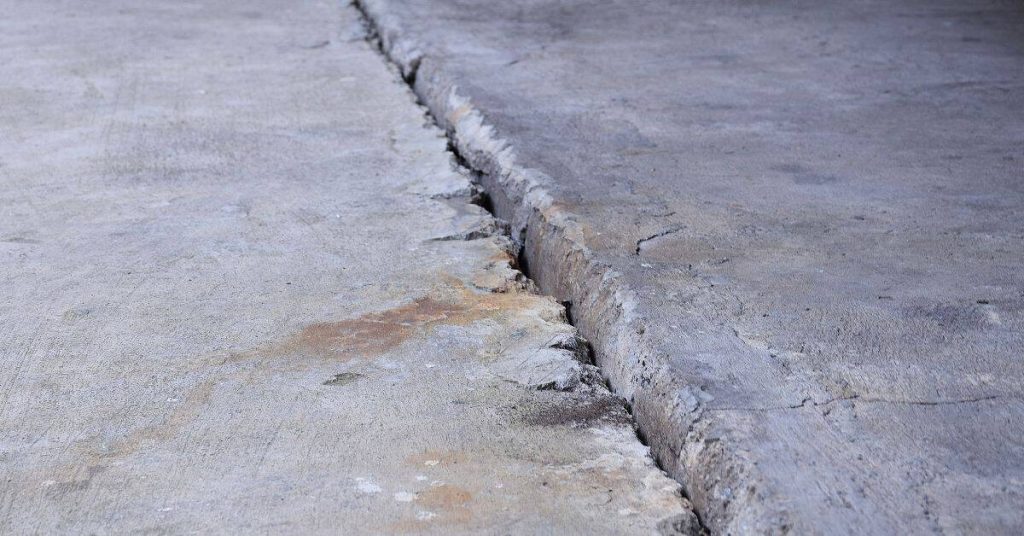
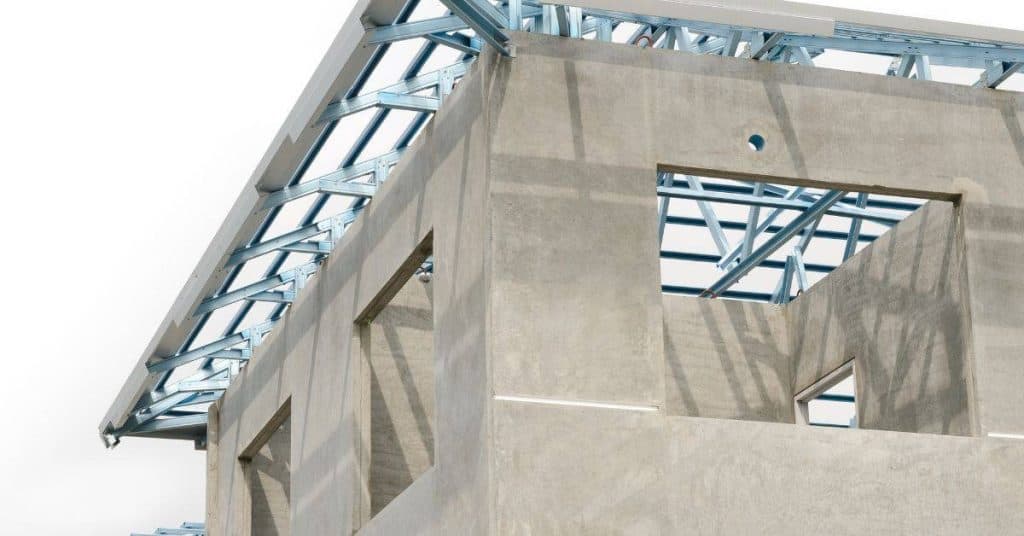
Precast concrete wall panels with metal roof framing

Interior Concrete Wall Efflorescence: Cleaning Without Driving Salts Deeper

Introduction Efflorescence is the chalky salt stain that forms on interior concrete walls when water carries soluble salts to the surface. It’s a surface phenomenon, not a stain from dirt, and it can reappear if moisture keeps moving through the wall. To clean it without driving salts deeper, use a light touch, rinse thoroughly, and […]

Interior Concrete Wall Efflorescence: Cleaning Without Driving Salts Deeper Read More »

Man applying plaster compound on ceiling with trowel

How to Stabilize a ‘Rattly’ Plaster Ceiling (Beyond Washers): Joist Checks and Re-Key Options

Introduction Stabilizing a rattly plaster ceiling means tightening and re-supporting the joists so the ceiling stops moving. I’ll walk you through practical checks and simple fixes you can do yourself, without fancy tools. It’s about locating loose supports, listening for squeaks, and planning safe adjustments. Start by inspecting the joists above the ceiling for sag,

How to Stabilize a ‘Rattly’ Plaster Ceiling (Beyond Washers): Joist Checks and Re-Key Options Read More »

White textured plaster wall surface with swirl patterns

Skim Coating Over Textured Plaster: High-Spot Knockdown and Flatness Checks

Introduction Skim coating over textured plaster is applying a thin, smooth layer to even out high spots and create a flat surface. You’ll knock down the high spots, then skim with lightweight compound to blend the texture. Start by inspecting for obvious ridges and plan where you’ll feather edges. Before you start, confirm you have

Skim Coating Over Textured Plaster: High-Spot Knockdown and Flatness Checks Read More »

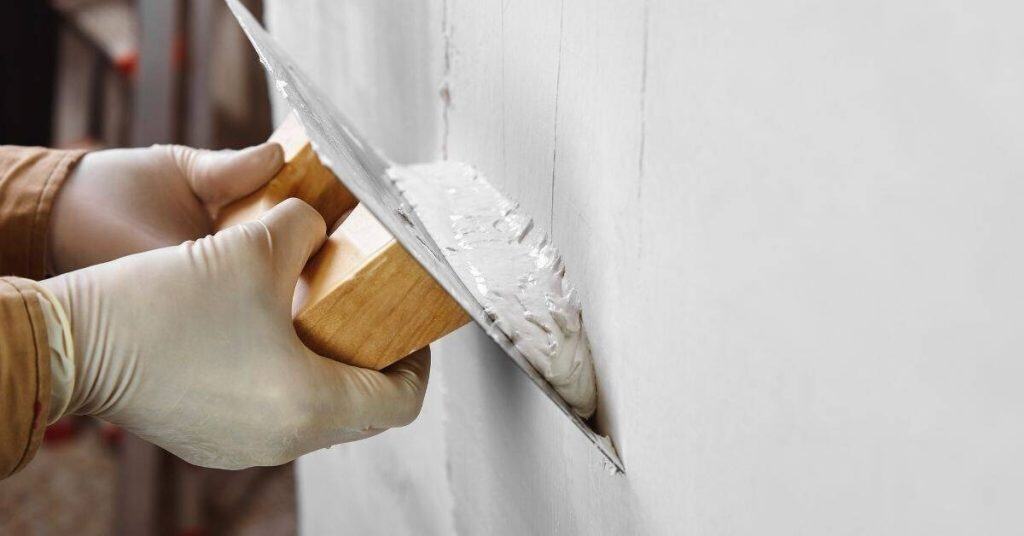
Hands applying plaster with a trowel on wall

Clay Plaster Basics for Homeowners: Mixing, Application, and Crack Control

Introduction Clay plaster is a traditional, breathable finish made from clay and water that you apply to walls. It’s forgiving and doable for DIY projects when you work in small, manageable steps. Check the bag or supplier instructions for how to blend, the right water amount, and any additives. Apply in thin coats, letting each

Clay Plaster Basics for Homeowners: Mixing, Application, and Crack Control Read More »

Hand applying textured plaster on wall with trowel

Marmorino Lime Plaster Finish: Step-by-Step to a Soft Stone Look (Beginner Friendly)

Introduction Marmorino lime plaster is a traditional decorative plaster that creates a soft, stone-like finish. This article walks beginners through the basics, from materials to technique, in plain language. You’ll learn what to check on product labels and manufacturer instructions before you start. Expect a hands-on, step-by-step method you can adapt to walls you already

Marmorino Lime Plaster Finish: Step-by-Step to a Soft Stone Look (Beginner Friendly) Read More »

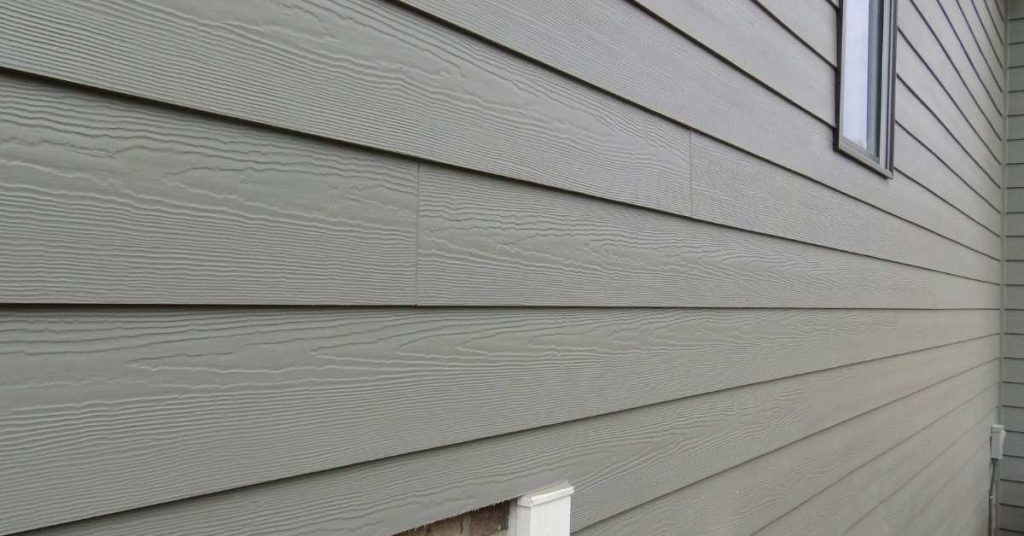
Close-up of gray fiber cement siding on house exterior

Stucco vs. Fiber Cement Siding: DIY Repairability and Long-Term Maintenance Compared

Introduction Stucco and fiber cement siding are two exterior materials, and this article compares their repairability and long-term maintenance. You’ll see practical, hands-on guidance on patching, replacing damaged sections, and what keeps these materials lasting. If a spec matters, check the product label, manufacturer instructions, and local rules before you dive in. From a DIY

Stucco vs. Fiber Cement Siding: DIY Repairability and Long-Term Maintenance Compared Read More »

Hand wearing glove installing fastener into foam board insulation

Stucco Over Foam Board: Choosing Mesh Weights and Avoiding ‘Wavy Wall’ Syndrome

Introduction This article explains how to apply stucco over foam board and why mesh weight matters. You’ll learn about choosing the right mesh and what to watch for to keep the wall flat. We’ll keep it practical and hands-on, with steps you can check on the job site. Start by confirming your foam board and

Stucco Over Foam Board: Choosing Mesh Weights and Avoiding ‘Wavy Wall’ Syndrome Read More »

Hands holding brown color paint swatches over building plans

DIY Stucco Paint Selection by Climate: Hot/Humid vs. Freeze/Thaw vs. Coastal Salt

Introduction DIY stucco paint selection by climate means choosing paints and finishes that tolerate hot and humid, freeze/thaw, or coastal salt conditions. Your climate dictates how well coatings bond, dry, and resist cracking. Think of it as matching the product to your weather and exposure. Start by checking the label for moisture tolerance, temperature range,

DIY Stucco Paint Selection by Climate: Hot/Humid vs. Freeze/Thaw vs. Coastal Salt Read More »

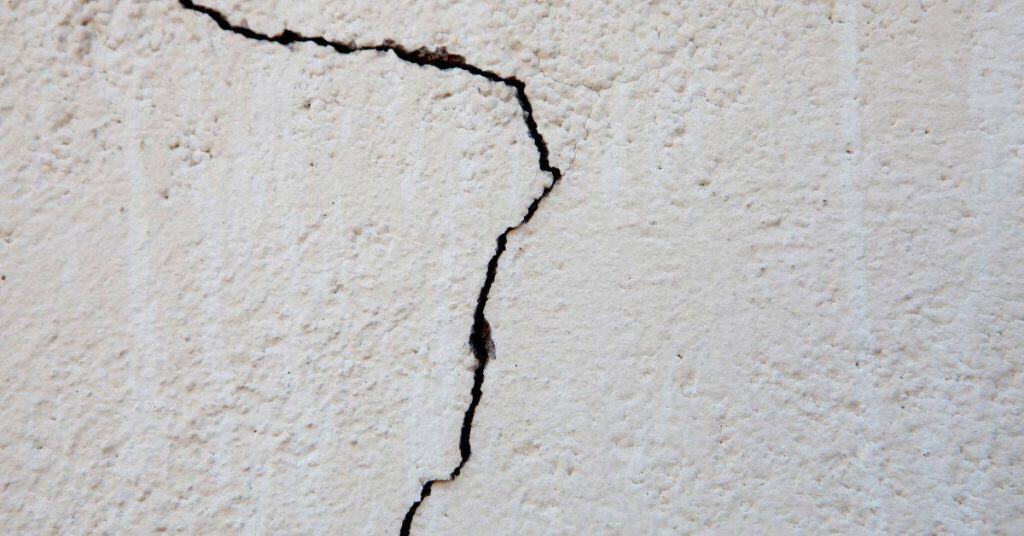
Closeup of cracked white stucco wall surface

Fixing Stucco Bubbling Under Paint: Moisture Sources, Drying Time, and Recoat Choices

Introduction Bubbling stucco under paint happens when moisture gets trapped and lifts both the stucco and the paint. Key takeaways Inspect bubbling areas for moisture signs before chipping or sanding anything. Differentiate active moisture from historic damage to plan repairs carefully. Trace water sources from roof, gutters, and plumbing to prevent recurrence. Allow substrate drying

Fixing Stucco Bubbling Under Paint: Moisture Sources, Drying Time, and Recoat Choices Read More »