Search Results for: stucco patch

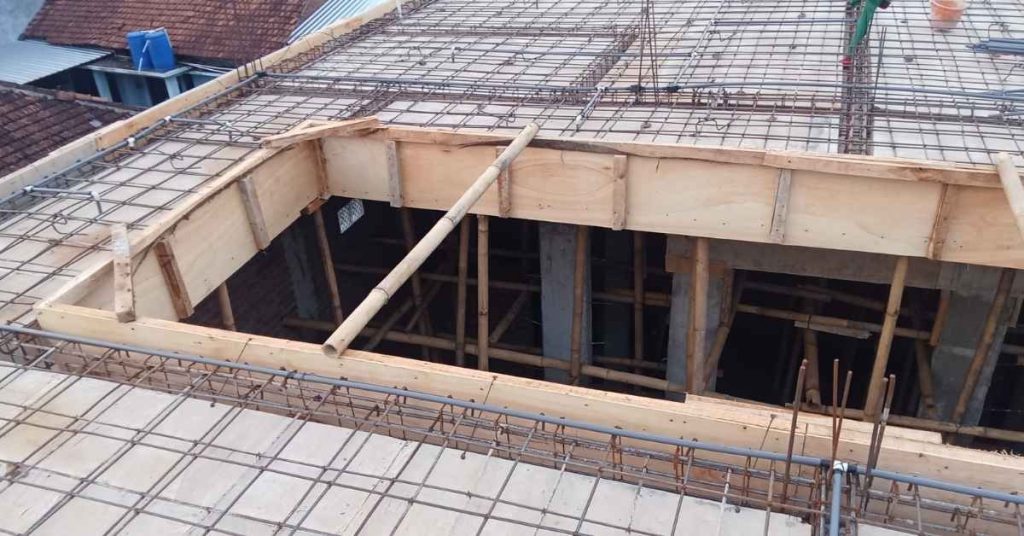
Wooden formwork and steel rebar grid on concrete slab

Concrete Slab-on-Grade for a Small Shed: Vapor Barriers, Thickened Edges, and Bolt Layout

Introduction A slab-on-grade is a concrete floor poured directly on prepared ground with no raised foundation. For a small shed, you’ll want to plan for a vapor barrier, thickened edges, and a simple bolt layout to anchor posts. As you work, verify local rules and follow manufacturer instructions for materials. Starting prep means grading, compacting, […]

Concrete Slab-on-Grade for a Small Shed: Vapor Barriers, Thickened Edges, and Bolt Layout Read More »

Stone fireplace surrounded by plaster walls and large windows

Clay Plaster in Entryways: Scuff Resistance, Touch-Ups, and Protective Finishes

Introduction Clay plaster in entryways is a clay-based finish applied to walls to create a durable, breathable surface. In busy entry spots you’ll want to understand how it resists scuffs and how touch-ups go when scuffs happen. Check product labels and local rules for any limits on sealing or indoor use before you start. Touch-ups

Clay Plaster in Entryways: Scuff Resistance, Touch-Ups, and Protective Finishes Read More »

Hand smoothing plaster on white wall with trowel

Repair Mortar That Debonds: Surface Prep Mistakes and How to Reattach Correctly

Introduction Repairing mortar that debonds means reattaching loose mortar to the wall or joint using proper prep and bonding steps. Start by cleaning away loose bits and finding solid edges so the new mix has something solid to grab. Check the product label or manufacturer instructions for bond requirements and suitable mixes, and follow local

Repair Mortar That Debonds: Surface Prep Mistakes and How to Reattach Correctly Read More »

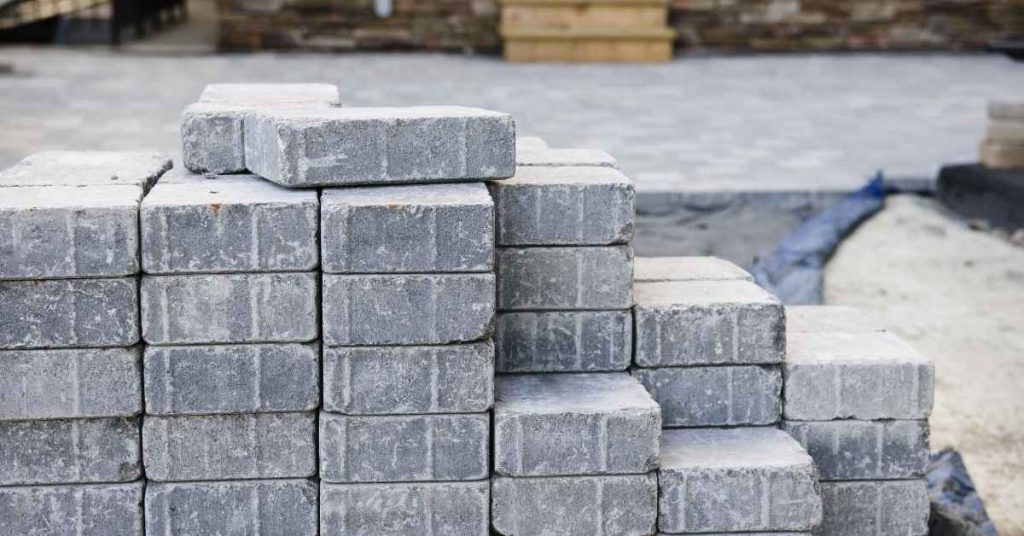
Stack of gray concrete paving blocks outdoors

Concrete Sealer Sheen Control Outdoors: When Matte Looks Better (and When It Traps Dirt)

Introduction A matte sealer finish on outdoor concrete is a low-shine coating that reduces reflection and hides surface imperfections. Choose matte when you want a natural look that doesn’t glare in sun and can mask light dirt. If you want a brighter, reflectant surface, matte may look dull by comparison. Matte finishes can trap dust

Concrete Sealer Sheen Control Outdoors: When Matte Looks Better (and When It Traps Dirt) Read More »

Concrete beams with exposed rebar on construction site

Salt-Finish Concrete on Small Projects: Timing, Cleanup, and Sealing Without Haze

Introduction Salt-finish concrete is a decorative surface created by applying and later washing away salt to expose a textured layer. On small projects, it’s a practical way to add grip and character, but timing and technique matter for a clean look. Always check manufacturer guidelines for how long to work the surface, how to apply

Salt-Finish Concrete on Small Projects: Timing, Cleanup, and Sealing Without Haze Read More »

Hand painting interior wall corner with roller

Painting Over Powdery Masonry: Consolidants vs Primers and When to Repoint First

Introduction Consolidants and primers are coatings used on powdery masonry to stop dusting and ready the wall for paint. Consolidants penetrate and bind loose material, while primers create a sealed, paint-ready surface. Choose based on the condition of the masonry and follow manufacturer instructions. If the masonry is badly eroded or the joints crumble, repointing

Painting Over Powdery Masonry: Consolidants vs Primers and When to Repoint First Read More »

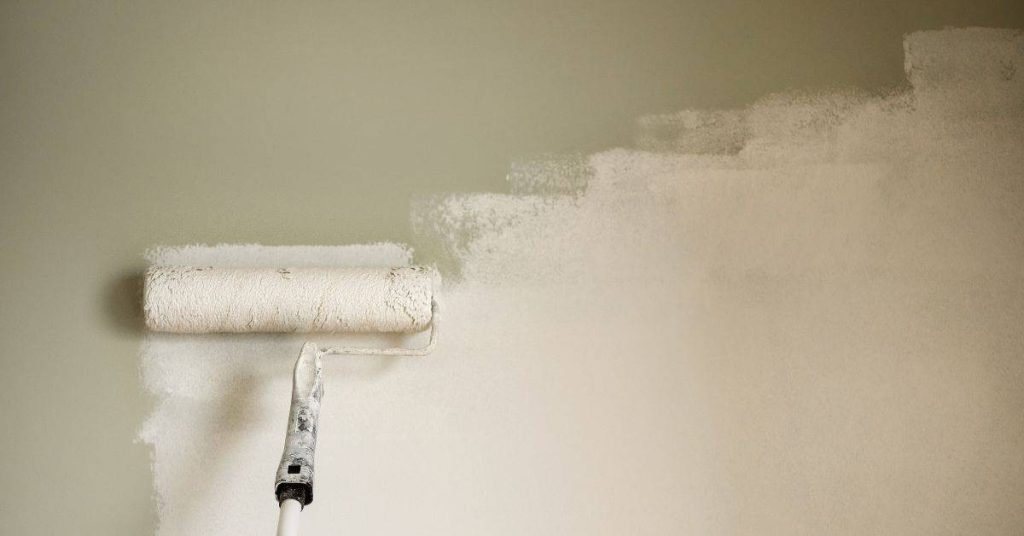
Paint roller applying white paint on beige wall

How to Prevent Roller Marks in Clear Sealers: Work Zones, Wet Edge, and Re-Roll Traps

Introduction Preventing roller marks in clear sealers is about keeping a smooth, wet edge and consistent roller motion. Set up your work zones so you move methodically and don’t drag a dry edge across the surface. Check the product label and local rules for timing, and re-roll small areas to blend before the edge starts

How to Prevent Roller Marks in Clear Sealers: Work Zones, Wet Edge, and Re-Roll Traps Read More »

Hand shaping a ball of plaster close up

How to Rebuild Missing Plaster Keys: Methods That Don’t Require Full Demo

Introduction A plaster key restoration is rebuilding the shallow grip surfaces in a wall to allow new plaster to bond without tearing out the entire section. It’s done without full demolition and is aimed at DIY repair. This introduction sets up practical, hands-on steps you can follow at home. Start with a careful inspection of

How to Rebuild Missing Plaster Keys: Methods That Don’t Require Full Demo Read More »

Man using cordless drill on white wall with woman watching

Using Plaster Washers Correctly: Screw Spacing and How to Avoid Dimpling

Introduction Plaster washers are flat rings that sit under a screw head to spread the load and reduce dimpling in plaster or drywall. They help keep the surface smooth while you fasten material to the wall. Always check the product label and local rules for recommended spacing and installation guidance. In this article we’ll cover

Using Plaster Washers Correctly: Screw Spacing and How to Avoid Dimpling Read More »

Yellow hard hat, safety gloves, white mask, and safety glasses on table

Categories

Categories: Concrete Practical concrete guides for DIY projects and repairs. You’ll find step-by-step help with prep, forms, reinforcement, finishing, curing, sealing, and troubleshooting common failures. If you’re new to concrete, start with curing/finishing timing and moisture basics first—they prevent most expensive mistakes. Stucco Stucco and cement-based render guides focused on details that prevent water damage

Categories Read More »