Search Results for: skim coat plaster

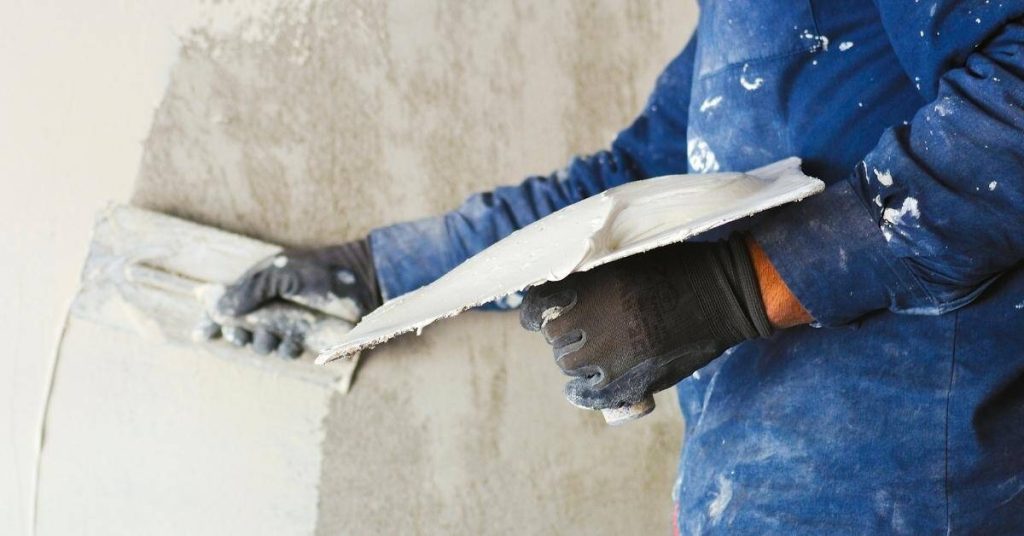
Man holding plastering hawk with fresh plaster

Sagging Plaster Ceilings: When Washers Help—and When Strapping Is Smarter

Introduction Sagging plaster ceilings can be stabilized temporarily by using washers under fasteners to pull the plaster back up. This is a short-term fix that can buy time while you plan a more permanent repair. Make sure you’re hitting solid framing, not just flaky plaster. Strapping is usually the smarter long-term approach when the ceiling […]

Sagging Plaster Ceilings: When Washers Help—and When Strapping Is Smarter Read More »

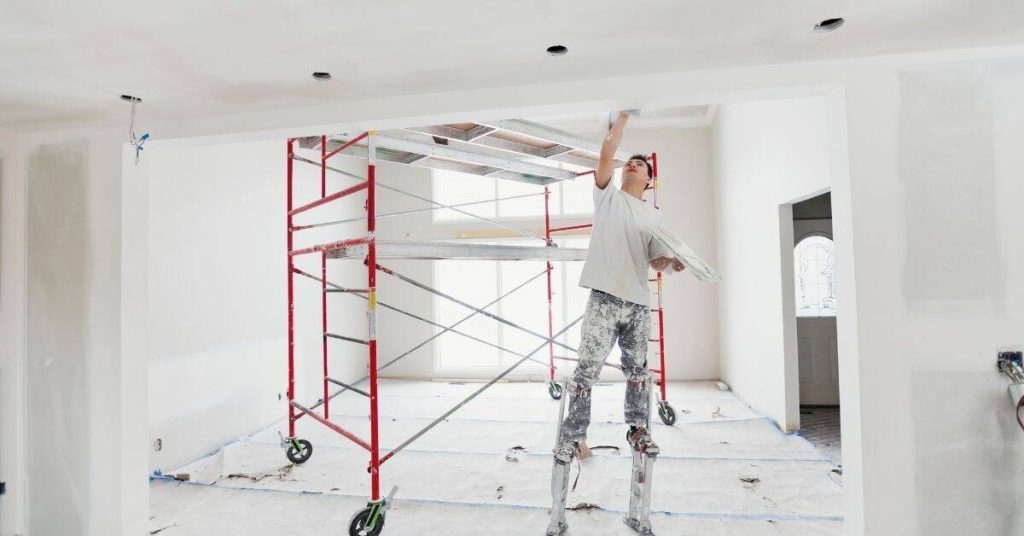
Worker on stilts applying plaster to ceiling near scaffolding

Plaster Ceiling Cracks Along Joists: Why They Return and How to Bridge Them

Introduction Cracks along ceiling plaster near joists happen when the ceiling system moves and the plaster loses grip. They often reopen because framing shifts or settling continues after repair. This is DIY-friendly but you must inspect joist movement and check for underlying causes. Bridge them by stabilizing the joint area and smoothing a patch over

Plaster Ceiling Cracks Along Joists: Why They Return and How to Bridge Them Read More »

Worker applying plaster to interior wall using trowel and hawk

Plaster Repairs Around HVAC Registers: Heat, Vibration, and Sharp Edges

Introduction Plaster repairs around HVAC registers are patches that seal gaps and restore a smooth surface where the duct opening meets the wall. These repairs must account for heat, vibration, and sharp edges created by the register. Keep it simple: assess the damage, choose appropriate patch materials, and plan a clean joint with the surrounding

Plaster Repairs Around HVAC Registers: Heat, Vibration, and Sharp Edges Read More »

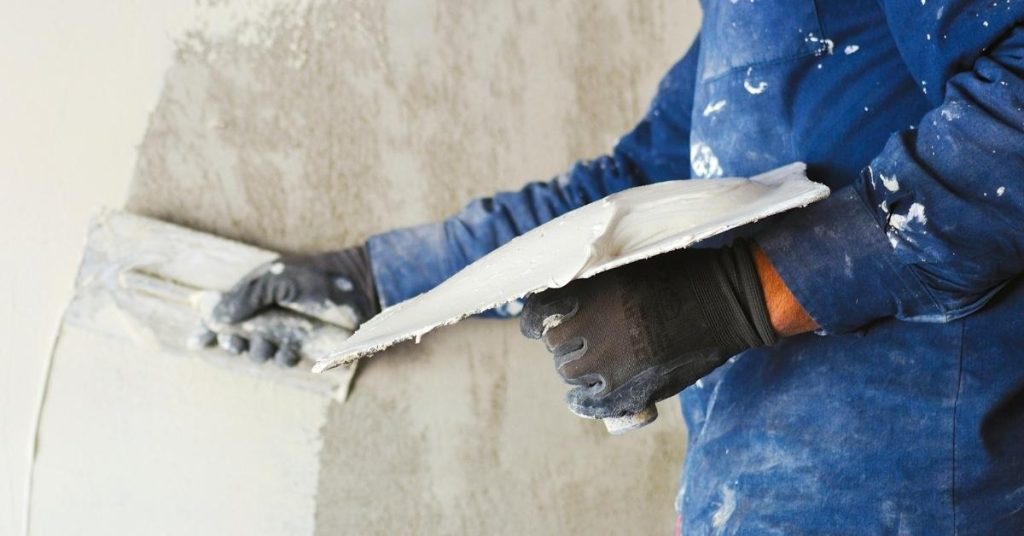
Worker applying plaster to wall with trowel

Smoothing Interior Concrete Block Walls: Skim Coats, Bonding, and Moisture Concerns

Introduction Smoothing interior concrete block walls means applying a skim coat to create a flat, paint-ready surface. It’s a light, even layer that fills small voids and helps the wall accept finish coats. The key is good bonding and proper moisture handling before you start. Lean on simple steps: clean and rough up the surface,

Smoothing Interior Concrete Block Walls: Skim Coats, Bonding, and Moisture Concerns Read More »

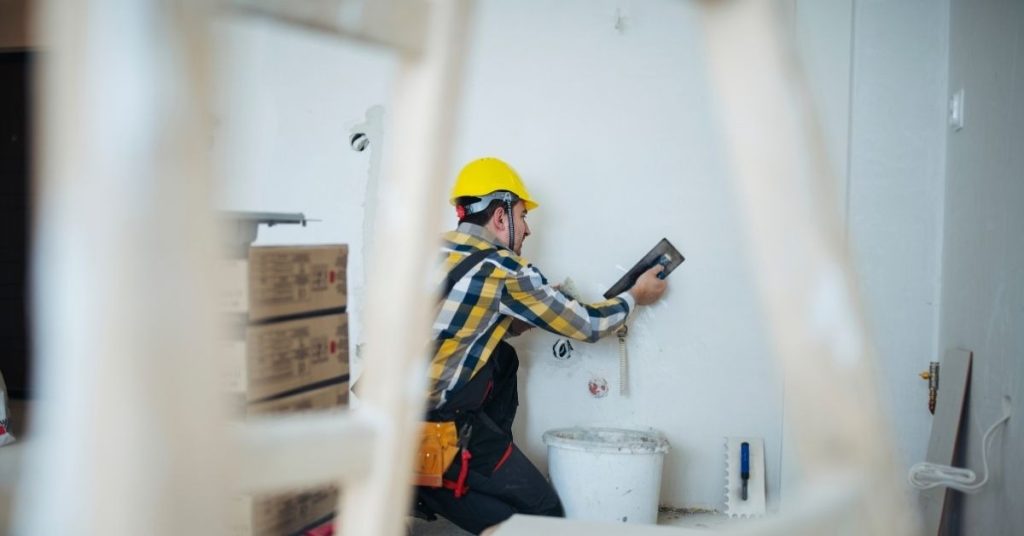
Worker wearing yellow helmet applying plaster to a wall

Plaster After Flooring Changes: Baseboard Edges, Gaps, and Crack Isolation

Introduction Plaster after flooring changes is about finishing edges where the wall meets the new floor to keep things smooth and crack-free. This topic covers baseboard edges, gaps, and how plaster behaves around different floor heights. Stay practical and honest about what you can patch and what might need more follow-up. Start by inspecting the

Plaster After Flooring Changes: Baseboard Edges, Gaps, and Crack Isolation Read More »

Man applying plaster on wall with a trowel

Heat-Resistant Plaster Finishes Near Wood Stoves: Safer Choices and Topcoats

Introduction Heat-resistant plaster finishes are durable coatings designed to survive nearby wood stoves without cracking or posing a fire risk. Choose a plaster system that is non-combustible with a solid backing and proper joints, and follow the manufacturer’s instructions for installation and curing. For topcoats, look for options labeled for high-heat areas and apply them

Heat-Resistant Plaster Finishes Near Wood Stoves: Safer Choices and Topcoats Read More »

Worker applying plaster to wall with trowel and hawk

Venetian Plaster Over Existing Tile: Prep, Bond Bridges, and Edge Detailing

Introduction Venetian plaster over existing tile is applying plaster onto a tile surface to create a seamless, stone-like finish. Prep and bond are critical, because you’re sticking plaster to a non-porous base. You’ll need to clean, roughen, and seal as needed, then choose a compatible bonding product and follow its directions. Start with careful prep,

Venetian Plaster Over Existing Tile: Prep, Bond Bridges, and Edge Detailing Read More »

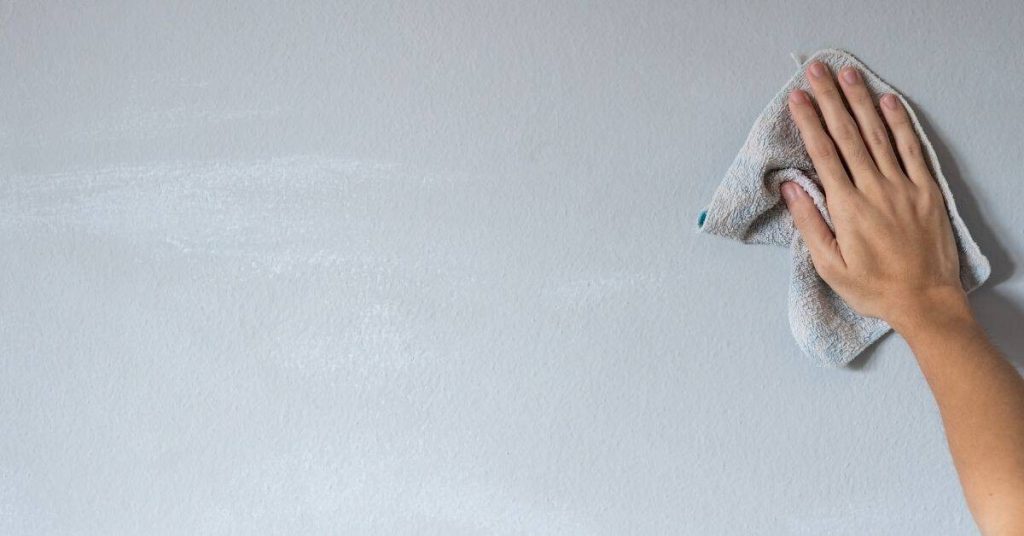
Hand wiping plaster wall with gray cleaning rag

Restoring Plaster After Smoke Damage: Cleaning, Sealing, and When Skims Won’t Bond

Introduction Restoring plaster after smoke damage means cleaning soot from surfaces, sealing with an appropriate primer, and addressing spots where skim coats won’t bond. This is a hands-on job you can tackle with basic tools, but you’ll need to verify suitability with product labels and local rules. Start with a gentle cleaning method that won’t

Restoring Plaster After Smoke Damage: Cleaning, Sealing, and When Skims Won’t Bond Read More »

Person applying plaster to wall with trowel and hawk

Plaster Timing vs Indoor Humidity: Avoiding Flashing, Soft Spots, and Patch Ghosting

Introduction Plaster timing vs indoor humidity is about when to plaster based on how damp the air and surfaces are. Doing it at the wrong moment can lead to flashing, soft spots, or patch ghosting that shows later. Check the product label and manufacturer instructions for open time and cure expectations, and adjust with airflow

Plaster Timing vs Indoor Humidity: Avoiding Flashing, Soft Spots, and Patch Ghosting Read More »