Search Results for: skim coat plaster

Close up of blue painted stucco wall texture

Stucco Patches on Painted Surfaces: Bonding Agents, Scratch Keys, and When to Strip Paint

Introduction This article explains how to patch stucco on painted surfaces, including prep, bonding, and deciding when to strip paint. It covers bonding agents, scratch keys, and the little checks you need to avoid a failed patch. Keep it DIY-friendly with practical steps you can do on a weekend. Start by inspecting the painted area […]

Stucco Patches on Painted Surfaces: Bonding Agents, Scratch Keys, and When to Strip Paint Read More »

Hand holding a rusty trowel on a stucco surface

Diagnosing ‘Soft’ Stucco: Simple Probing Tests to Separate Surface Erosion From Lath Failure

Introduction Diagnosing soft stucco means using simple probing to tell if the issue is surface erosion or actual lath failure. This hands-on approach helps you identify trouble without tearing the whole wall apart. You’ll base any next steps on what the probe reveals about attachment and depth. Start with gentle, vertical and horizontal probing at

Diagnosing ‘Soft’ Stucco: Simple Probing Tests to Separate Surface Erosion From Lath Failure Read More »

Close-up of concrete floor grinding machine in use

Concrete Driveway Oil Stain Removal: Enzyme vs. Poultice vs. Grinding (What Works When)

Introduction Oil stain removal on a concrete driveway comes down to enzyme treatment, poultice, or grinding. Enzymes break down the oil, poultices draw it out, and grinding physically removes the surface. What works best depends on the stain depth, age, and your tolerance for dust or smell. Check product labels and manufacturer instructions, and local

Concrete Driveway Oil Stain Removal: Enzyme vs. Poultice vs. Grinding (What Works When) Read More »

fresh self-leveling concrete poured on floor

Self-Leveling Underlayment Over Wood Subfloors: Prep, Lath, and Pour Thickness

Introduction Self-leveling underlayment over wood subfloors is a cementitious mix poured over prepared wood to create a flat, stable surface for new floors. It requires cleaning, securing loose boards, removing finishes, and flattening high spots so the surface is sound and ready to accept the leveling compound. Take it slow and work in small sections,

Self-Leveling Underlayment Over Wood Subfloors: Prep, Lath, and Pour Thickness Read More »
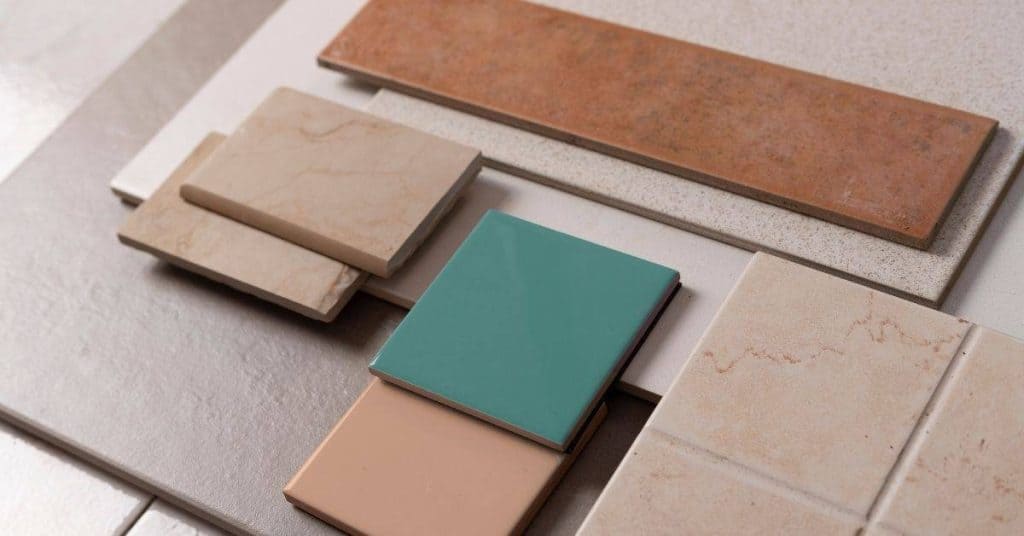
Various ceramic and porcelain tile samples arranged on a surface

Pool Waterline Tile Repairs: Bonding to Old Substrates and Avoiding Hollow Spots

Introduction Bonding old pool waterline tile to aged substrates requires thorough prep and the right adhesives to prevent hollow spots. This is a hands-on, DIY task that starts with cleaning, roughing the surface, and choosing compatible materials. Check product labels and manufacturer guidance for substrate compatibility, cure times, and any moisture considerations. Dust control during

Pool Waterline Tile Repairs: Bonding to Old Substrates and Avoiding Hollow Spots Read More »

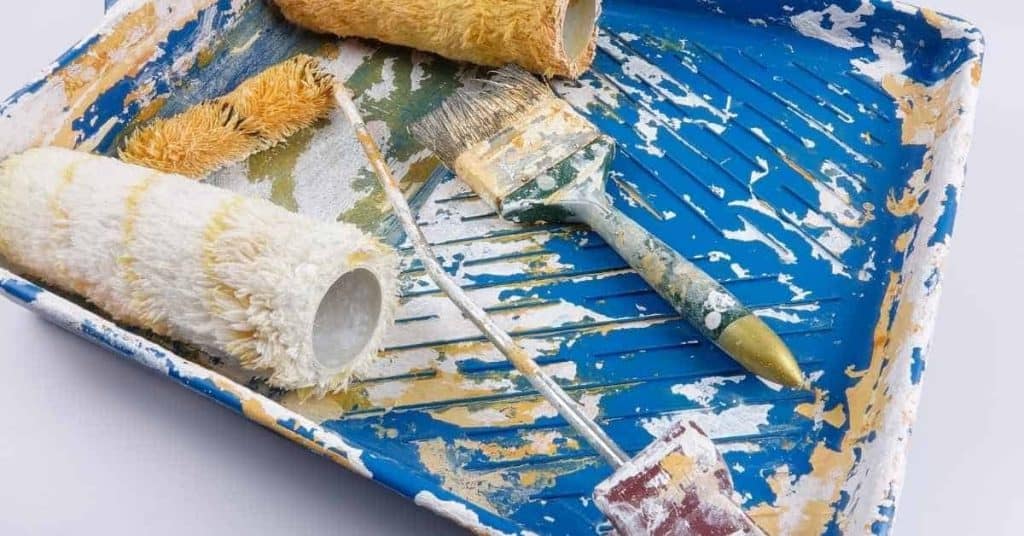
paint tray with paint roller covers and a paintbrush covered in dried paint

How to Store Partially Used Paint for Years: Skin Prevention and Remix Steps

Introduction Long-term storage of partially used paint means keeping the can sealed, preventing skin from forming, and preserving it for future remix. Keep containers tightly closed, label clearly, and store upright in a cool, stable spot away from direct heat or freezing conditions. Check the product label and manufacturer instructions for any shelf-life notes or

How to Store Partially Used Paint for Years: Skin Prevention and Remix Steps Read More »

Person painting wood siding with white primer brush

Primer Compatibility Chart: Water-Based vs. Oil-Based vs. Shellac (What Can Go Over What)

Introduction Primer compatibility means choosing the right primer for the surface and topcoat so the finish adheres and lasts. Different primers are designed to bond to different surfaces and to seal, block stains, or prevent bleed-through. Always check the label for what the primer can be applied over and what the topcoat can be used

Primer Compatibility Chart: Water-Based vs. Oil-Based vs. Shellac (What Can Go Over What) Read More »

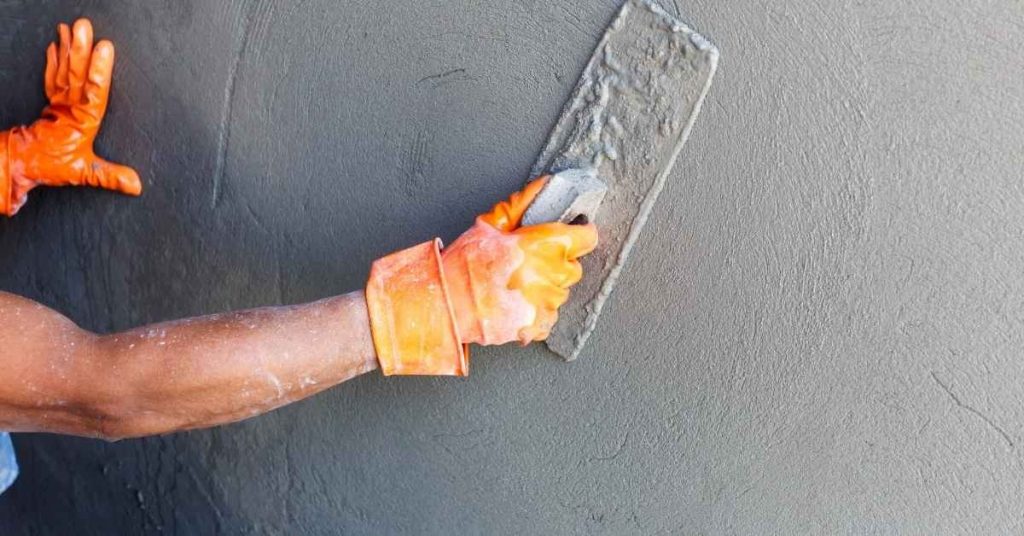
Person applying plaster on wall with trowel wearing orange gloves

Drywall Texture Matching: Orange Peel vs. Knockdown vs. Skip Trowel (DIY Spray vs. Hand)

Introduction Drywall texture matching is the process of reproducing a wall’s texture so new work blends with the old. It covers orange peel, knockdown, and skip trowel textures, whether you spray or hand‑apply. You’ll decide based on what you’re trying to reproduce and what tools you have on hand. Start by inspecting the existing surface

Drywall Texture Matching: Orange Peel vs. Knockdown vs. Skip Trowel (DIY Spray vs. Hand) Read More »

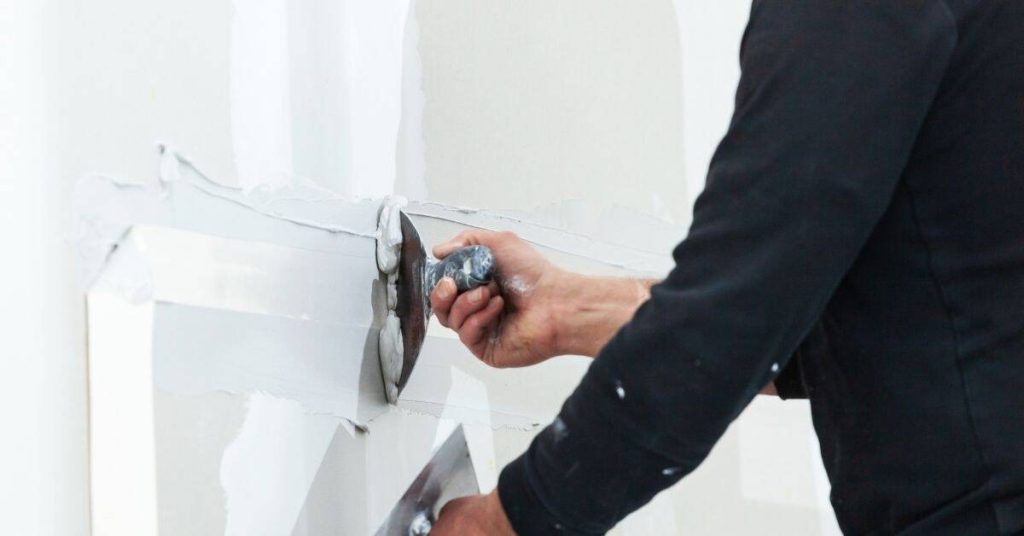
Person applying plaster to drywall seam with putty knife

Fixing ‘Picture Framing’ on Drywall: Why Edges Show Through and How to Reset the Surface

Introduction Picture framing on drywall is when the edge of a wall surface shows a frame-like line where joints or tape peek through. That happens after you paint or texture and the details of the tape or joint compound show along the edge. Fixing it means rebuilding a clean, smooth edge before you repaint. First,

Fixing ‘Picture Framing’ on Drywall: Why Edges Show Through and How to Reset the Surface Read More »

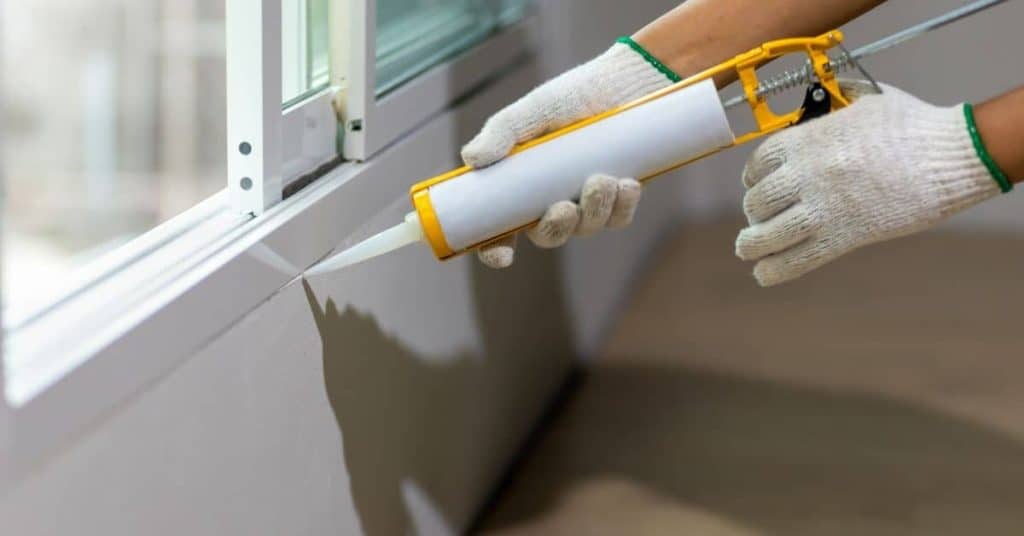
Hand applying white silicone caulk around window frame

Painting Over Silicone Caulk: When It Works, When It Peels, and How to Prep

Introduction Painting over silicone caulk is not reliably paintable, and it often peels later. Silicone tends to resist most paints, so prep and choices matter. If the goal is a solid paint job, plan for alternative routes like replacing or masking. To prep, clean the joint and dry it thoroughly before any paint effort. Lightly

Painting Over Silicone Caulk: When It Works, When It Peels, and How to Prep Read More »