Search Results for: skim coat plaster

wood stairs with white trim and caulking gun on step

How to Paint Over Old Oil-Based Trim With Water-Based Paint (No Mystery Peeling)

Introduction Painting over oil-based trim with water-based paint is possible with the right prep. It means you’ll remove grime, scuff the surface, and use a compatible primer before applying the water-based finish. This article walks you through a practical, step-by-step approach you can do with basic tools. First, clean the trim and roughen the surface […]

How to Paint Over Old Oil-Based Trim With Water-Based Paint (No Mystery Peeling) Read More »

Stucco wall with a long patch near basement window

Fixing Hollow-Sounding Stucco: When to Patch vs When to Rebuild

Introduction Hollow-sounding stucco means the outer layer isn’t firmly attached to the wall and loose areas rattle. For small, localized hollows, you can patch; for wide or underlying damage, you’ll likely need to rebuild the affected area. This is a hands-on decision that depends on what’s beneath the surface and how stable the substrate feels.

Fixing Hollow-Sounding Stucco: When to Patch vs When to Rebuild Read More »

Close-up of moss growing on deteriorating concrete edge

Feather-Edge Concrete Repairs: When They Fail and Better Build-Up Methods

Introduction Feather-edge concrete repairs are a method to rebuild a thin, tapered edge on damaged concrete so it blends with the surrounding slab. This approach is hands-on and relies on proper surface prep, bonding, and gradual build-up rather than full removal. If the edge is chipped but the rest of the slab is sound, a

Feather-Edge Concrete Repairs: When They Fail and Better Build-Up Methods Read More »

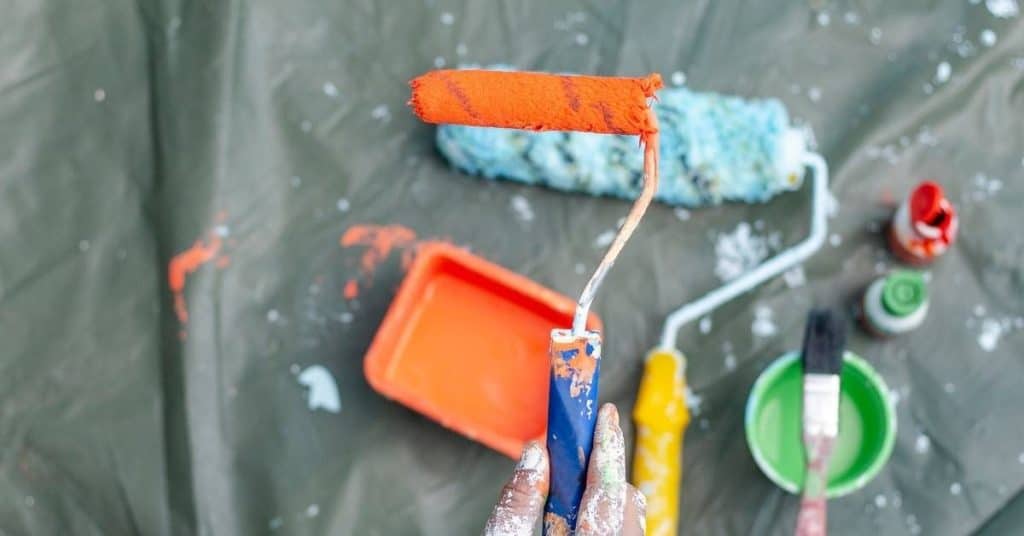
Hand holding paint roller with orange paint over plastic drop cloth

Special-Effect Paint Rollers: 9 Finishes, How They’re Done, and When They Fail

Introduction Special-effect paint rollers create textured or patterned finishes on walls using unique roller covers. They work with ordinary paint and standard tools, but the roller design dictates the look. This introduction covers the main types, how to apply them, and common failure points to watch for. Types include swirls, stipple-like textures, comb patterns, and

Special-Effect Paint Rollers: 9 Finishes, How They’re Done, and When They Fail Read More »

Person painting interior wall with roller near ceiling

Interior Paint Prep: 10 Simple Steps for Better Adhesion and Fewer Flaws

Introduction Interior paint prep means getting walls and nearby surfaces ready so paint sticks well and dries smooth. Start by clearing the room or work area and removing obstacles that block access to the walls. Then inspect for damage, peeling paint, or rough patches and plan any small fixes before you begin. Choose simple tools

Interior Paint Prep: 10 Simple Steps for Better Adhesion and Fewer Flaws Read More »

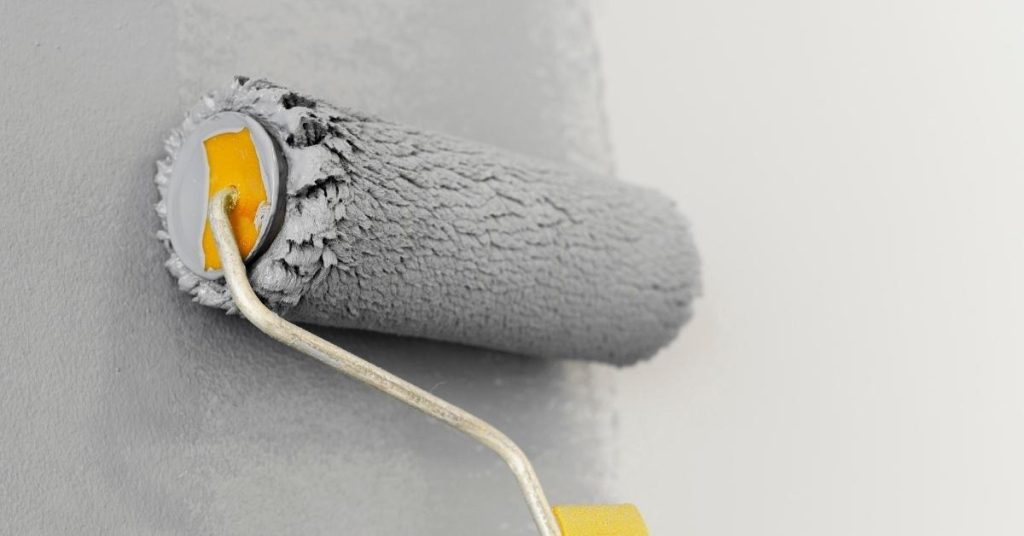
Paint roller applying gray paint on white wall

Roller Stipple Problems: How to Get Smoother Walls Without Spraying

Introduction Roller stippling is a technique that creates a textured, stippled wall by rolling on paint with a stippling roller. This intro helps you spot common issues and set up for a smoother finish without spraying. Keep in mind technique and paint consistency matter, not big machinery. Choose a roller with a suitable nap and

Roller Stipple Problems: How to Get Smoother Walls Without Spraying Read More »

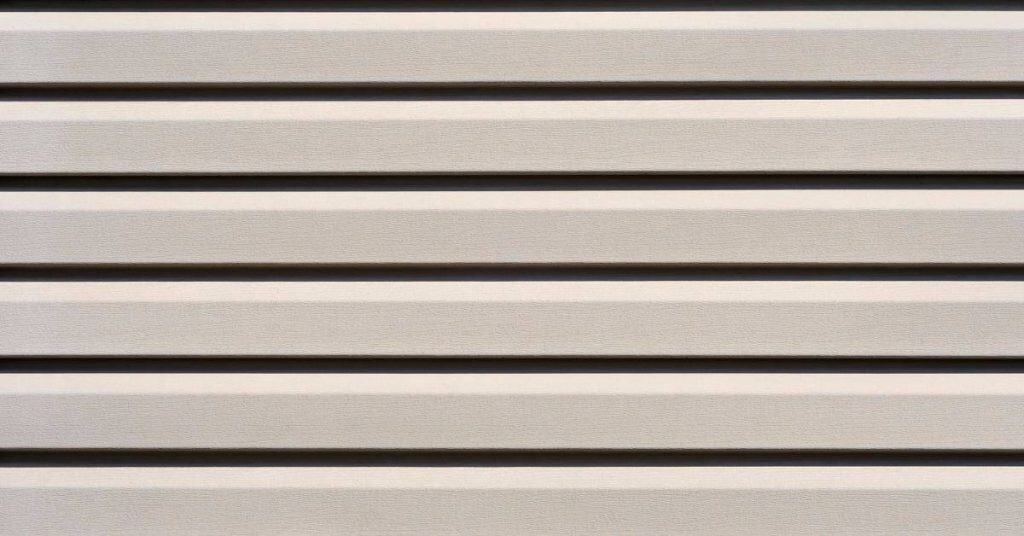
Close-up of horizontal lap siding painted beige

Paint Telegraphing: Why Old Repairs Show Through and How to Hide Them

Introduction Paint telegraphing is the visible outline or pattern of old repairs showing through fresh paint. It happens when the underlying repairs or textures are different from the surrounding wall. In this article we’ll cover why it happens and how to reduce or hide it during a DIY repaint. Causes include uneven patches, old joint

Paint Telegraphing: Why Old Repairs Show Through and How to Hide Them Read More »

Unfolded aluminum ladder, paint bucket, and white painted room

Paint Sheen Selection by Room: Practical Rules That Prevent Regret

Introduction Paint sheen selection by room means picking the finish level for your walls based on how the space will be used. Key takeaways Choose sheen by room use to balance appearance, durability, and maintenance. Test samples on actual surfaces to judge light, texture, and mood. Consider prep, surface porosity, and recommended primers before applying

Paint Sheen Selection by Room: Practical Rules That Prevent Regret Read More »

Man in blue overalls painting interior wall with roller

Paint Peeling on Interior Walls: Fast Diagnosis and Lasting Repairs

Introduction Paint peeling on interior walls is when old paint loses adhesion and starts flaking off. Common causes include moisture intrusion, sun exposure, or poor surface prep. Look for bubbling, cracking, or peeling at edges and near windows. To diagnose, check for ongoing moisture, test a small area to see if the paint re-adheres after

Paint Peeling on Interior Walls: Fast Diagnosis and Lasting Repairs Read More »

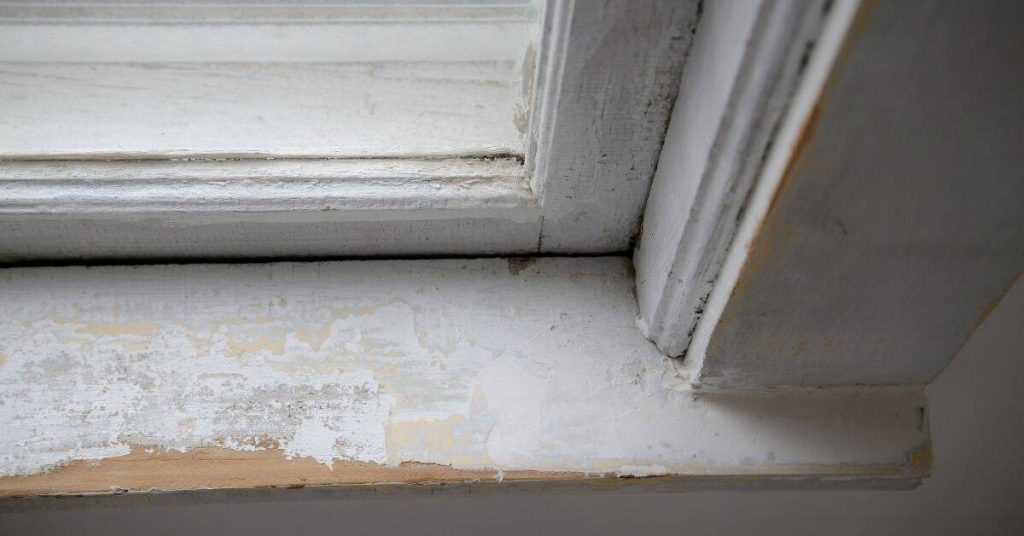
Close-up of peeling paint on white exterior wooden window trim

Paint Peeling on Exterior Trim: Moisture Checks and Prep That Works

Introduction Peeling exterior trim paint is the finish flaking off due to moisture invading the surface. Before you redo it, check for moisture and prepare the area so you can scrub and inspect properly. This article walks you through pressure washing, scraping, and priming in a hands-on way. Start by cleaning with pressure washing, then

Paint Peeling on Exterior Trim: Moisture Checks and Prep That Works Read More »