Search Results for: skim coat plaster

Smooth shiny epoxy coated floor inside industrial space

Paint Additives Explained: When Paint Conditioners Help and When They Hurt

Introduction Paint additives are substances mixed into paint to adjust how it behaves. They can help with spread, drying time, and finish, but they aren’t always right for every job. Check the label and follow manufacturer guidance to know if a product is appropriate for your project. Different types include conditioners, extenders, and retarders, and […]

Paint Additives Explained: When Paint Conditioners Help and When They Hurt Read More »

Hand using small roller to paint cabinet door white

14 Handy Painting Hints: Small Tweaks That Improve Big Projects

Introduction Painting hints are practical, small tweaks that make big painting projects easier and better. Keep expectations realistic and approach each step with a plan and clean work area. This article speaks in plain terms for DIY homeowners, with hands-on tips you can try this weekend. Focus on paint preparation techniques, selecting colors and finishes,

14 Handy Painting Hints: Small Tweaks That Improve Big Projects Read More »

Worker in blue overalls and helmet painting wall yellow with roller

Alternatives to Painting Walls: Panels, Wallpaper, Textures, and Finishes

Introduction Alternatives to painting walls are other surface finishes you can apply to change a room’s look without a fresh coat of paint. This guide stays practical—panels, wallpaper, textures, and different finishes can be installed or applied by a DIYer with common tools. I’ll keep it plain and honest, with steps you can check against

Alternatives to Painting Walls: Panels, Wallpaper, Textures, and Finishes Read More »
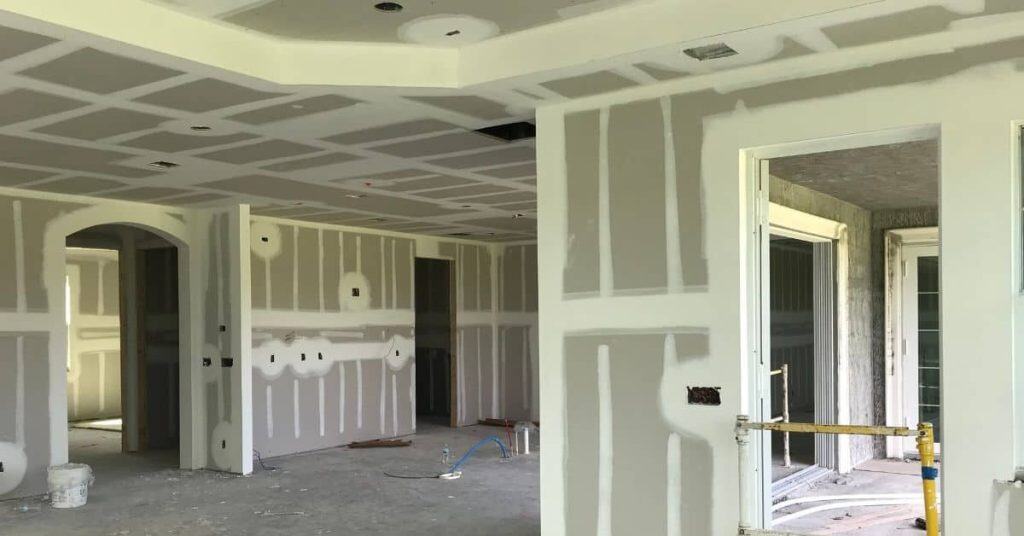
Interior room with drywall sheets taped and mudded on walls and ceiling

Drywall Installation Tips from Pros: Speed, Flatness, and Fewer Cracks

Introduction Drywall installation is the process of hanging and finishing gypsum boards to create smooth, ready-to-finish walls. Do it with careful planning and steady hands, and you’ll move faster without sacrificing results. Start by measuring, cutting, and staggering panels so seams don’t line up on the same wall. To speed things up, keep panels oriented

Drywall Installation Tips from Pros: Speed, Flatness, and Fewer Cracks Read More »

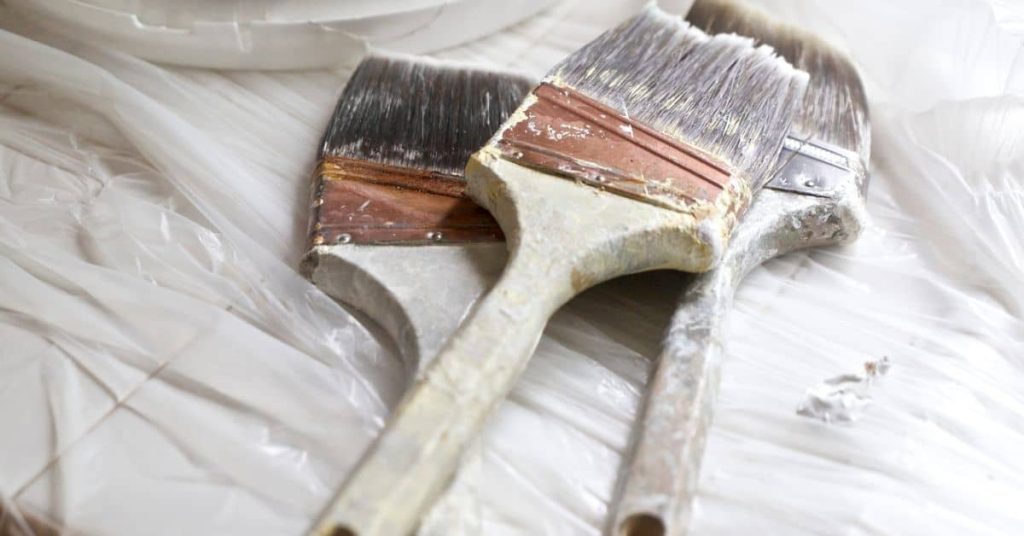
Three paintbrushes with dried paint on plastic sheet

Painting and Wallpapering Faster: Workflow Tips Without Cutting Corners

Introduction Painting and wallpapering faster means finishing cleanly with smart prep and steady workflow, not rushing. This article speaks in plain terms about real, practical steps you can take on a DIY job site. It’s written for homeowners who want solid results without cutting corners. Start by preparing the workspace: protect floors, remove obstacles, and

Painting and Wallpapering Faster: Workflow Tips Without Cutting Corners Read More »

Person applying paint to a white wall with roller

Blocking Nicotine and Smoke Odor: Primers That Work and Application Rules

Introduction Blocking nicotine and smoke odor means reducing or preventing lingering smells and stains from affecting new spaces. It involves primers and careful prep, but it’s mostly about choosing the right products and following proper steps. I’ll keep it practical for a DIY project, from surface prep to application rules. Then pick a primer designed

Blocking Nicotine and Smoke Odor: Primers That Work and Application Rules Read More »

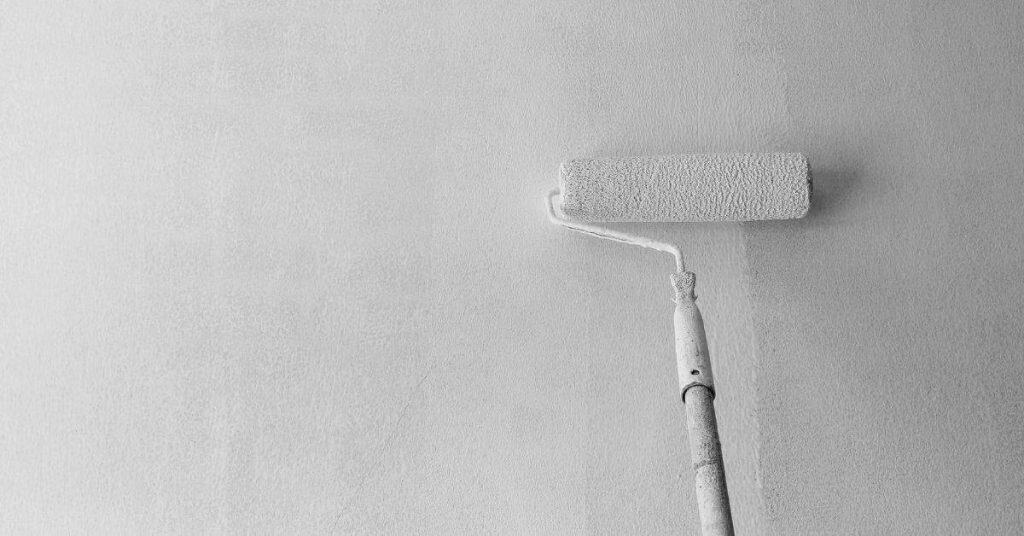
paint roller applying white paint on textured wall

Alligatoring Paint: What It Means and When You Need to Strip

Introduction Alligatoring paint is a surface condition where the film cracks into finger-like ridges that resemble alligator skin. This happens when the old coating becomes brittle or loses adhesion to the substrate. The result is a rough, uneven finish that often signals it’s time to address the finish before repainting. Deciding whether to strip depends

Alligatoring Paint: What It Means and When You Need to Strip Read More »

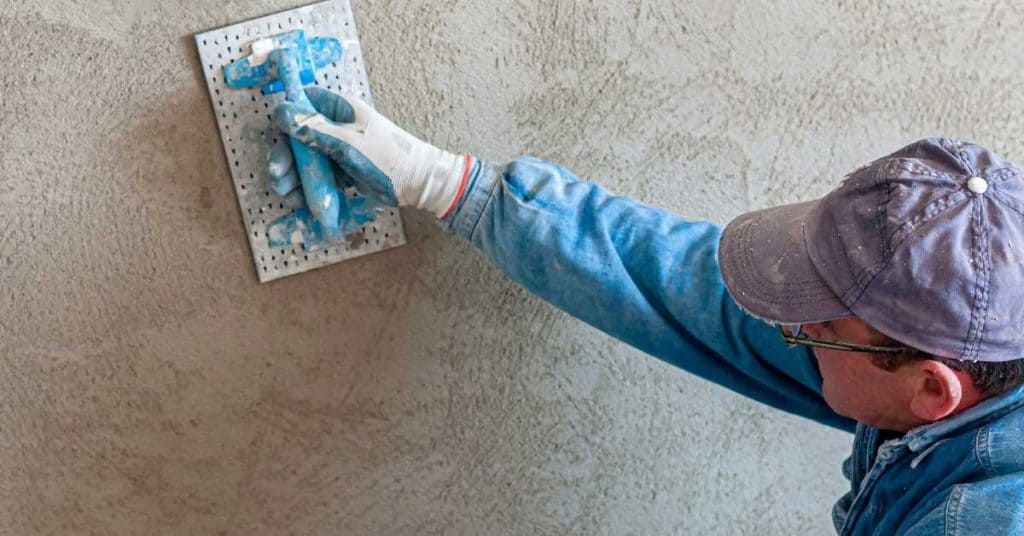
Worker applying textured stucco with a blue trowel

Stucco Texture Options That Hide Repairs: Sand Float, Dash, and Skip Trowel

Introduction Sand float, dash, and skip trowel are stucco textures that help hide repairs. They each use different hand angles and apply techniques to create patterns that blend in with the existing wall. You’ll pick based on the surface and how rough you want the finish, and you should check product labels or manufacturer guidance

Stucco Texture Options That Hide Repairs: Sand Float, Dash, and Skip Trowel Read More »