Search Results for: silica sand for drying

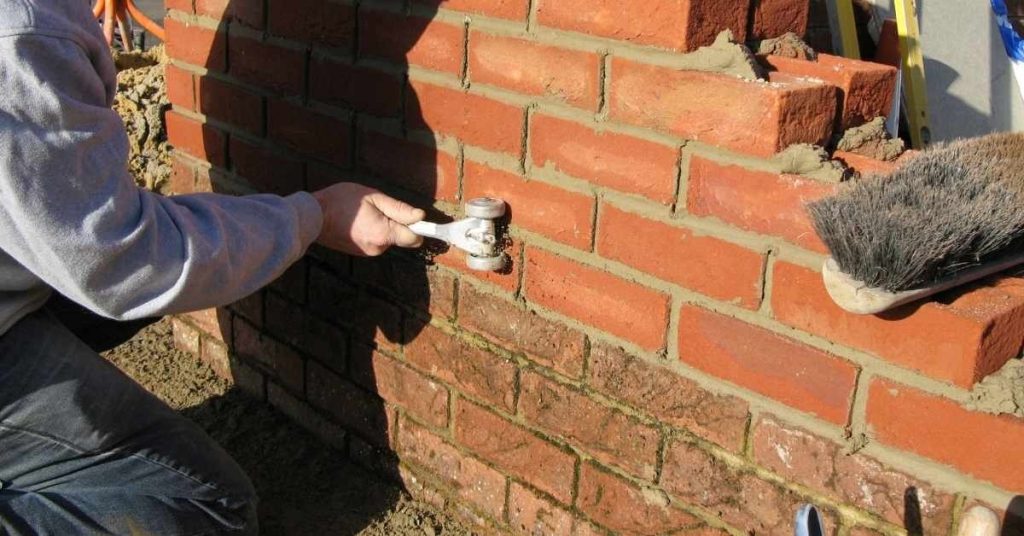
Person using joint roller on brick wall mortar joints

Brick Tuckpointing for DIY: Joint Prep, Tooling, and Curing Basics

Introduction Brick tuckpointing is the process of repairing mortar joints to restore strength and appearance. This article gives a practical, hands-on approach you can use at home. You’ll learn basic prep, tooling, and curing ideas without fancy jargon. Begin with a close inspection of the joints and determine whether you need to rake out damaged […]

Brick Tuckpointing for DIY: Joint Prep, Tooling, and Curing Basics Read More »
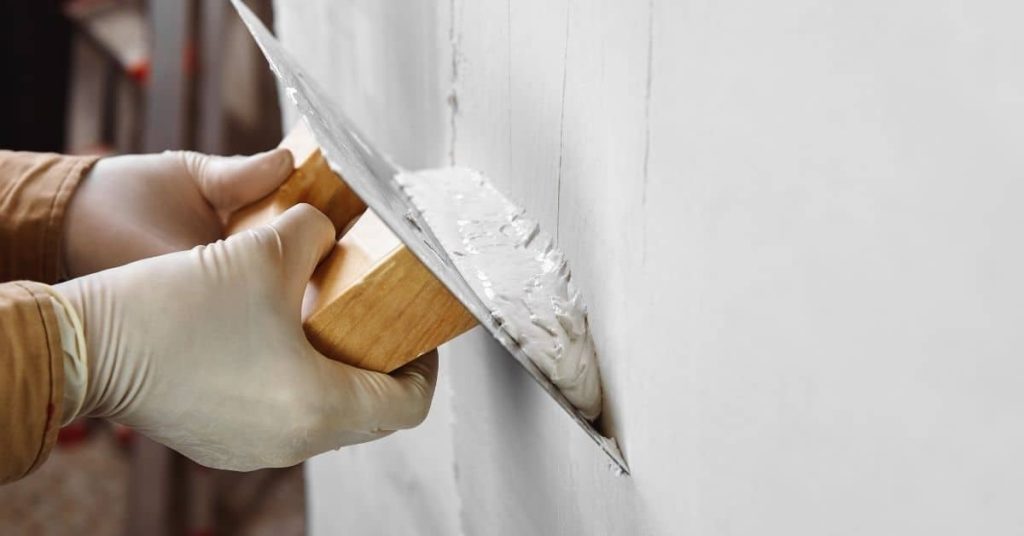
Gloved hands applying plaster on wall with trowel

Gypsum Over Lime Plaster: Compatibility Traps and Smart Primers

Introduction Gypsum over lime plaster is when you apply gypsum-based finish over a lime plaster substrate, which calls for checking compatibility first. Lime and gypsum cure differently, so mismatches can cause peeling or cracking, and a proper primer or bond coat helps. Plan your prep and follow manufacturer or product guidance for the exact steps.

Gypsum Over Lime Plaster: Compatibility Traps and Smart Primers Read More »

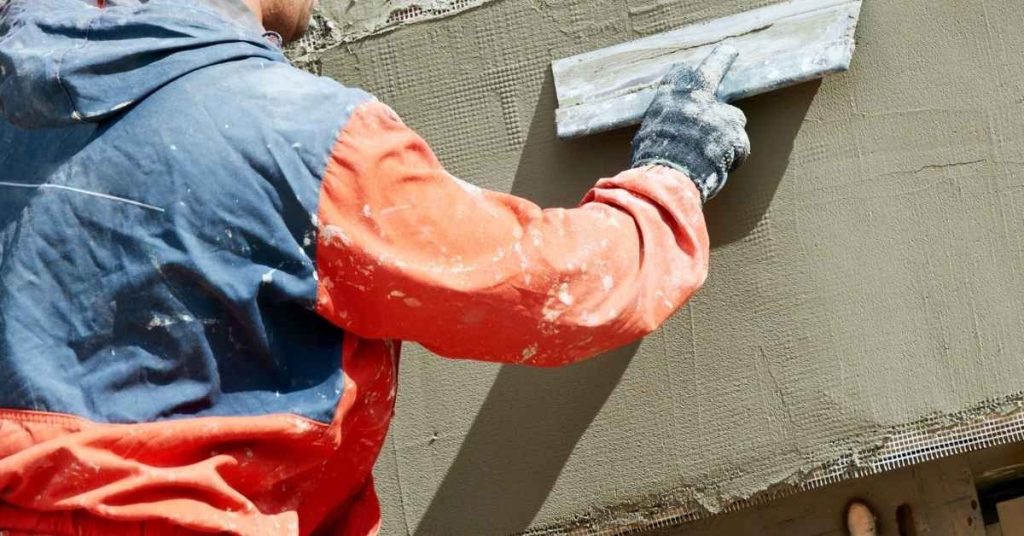
Person applying stucco to wall with trowel

Stucco Window Sills Done Right: Slope, End Dams, and Rot Prevention

Introduction This is about making stucco window sills that shed water properly and resist rot. You’ll focus on the right slope, install end dams, and plan for long-lasting rot prevention. Tackle it like a practical DIY project with common tools and careful flashing. Choose materials and details that stand up to moisture, and verify with

Stucco Window Sills Done Right: Slope, End Dams, and Rot Prevention Read More »

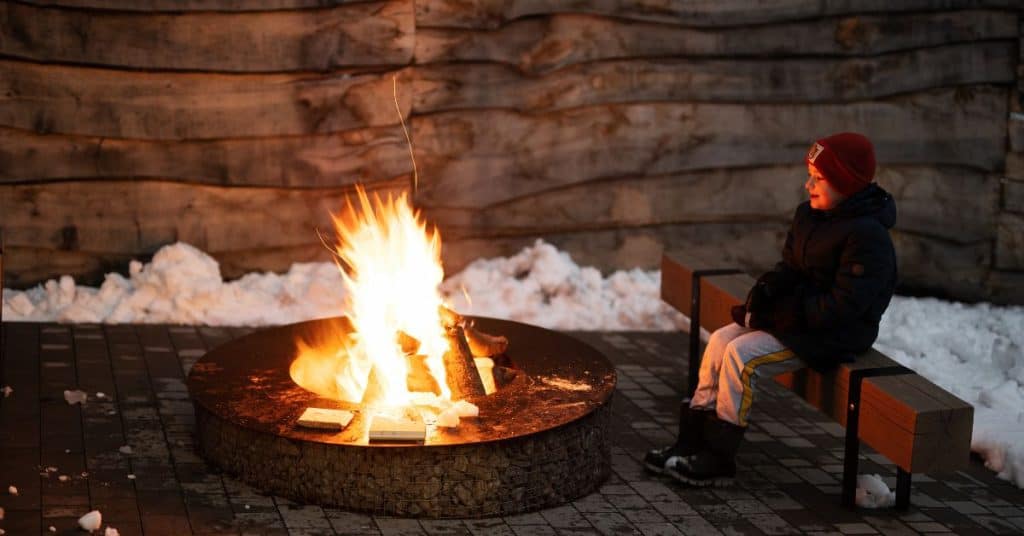
Person sits on a wooden bench beside a circular fire pit in snow.

Concrete for Outdoor Fire Pits: Mix Tweaks, Heat Limits, and Safer Sealers

Introduction Concrete for outdoor fire pits is the sturdy, heat‑tolerant material you pour to form the pit structure and seating. This article gives practical tweaks for mix, curing, and sealers so you can do it safely. Always check local codes and manufacturer labels for heat limits and curing temps. Focus on a durable mix and

Concrete for Outdoor Fire Pits: Mix Tweaks, Heat Limits, and Safer Sealers Read More »

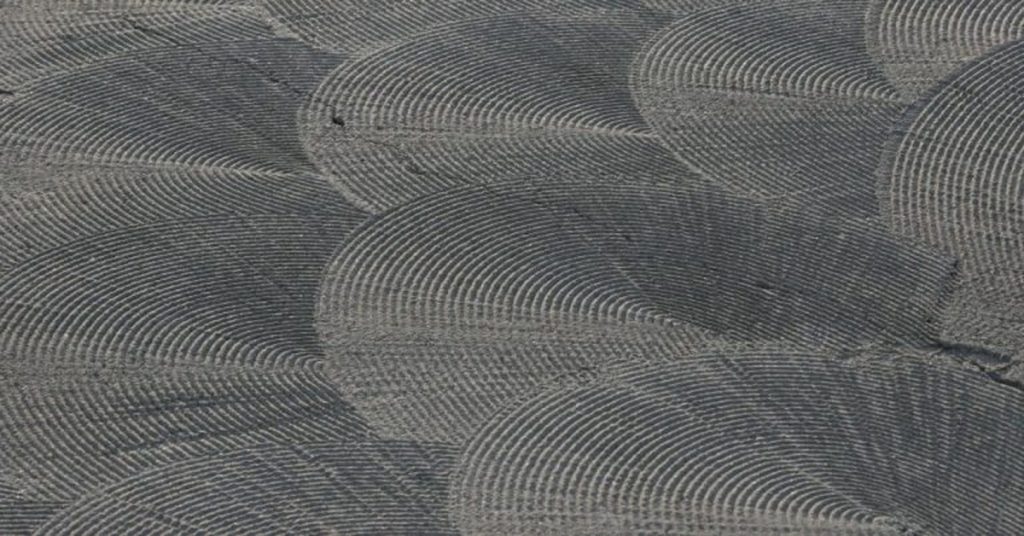
concrete surface with circular textured pattern

Adding Texture to Slick Concrete: Mechanical vs Chemical Methods and What Holds Up

Introduction Texturing slick concrete means creating a non-slip, patterned surface using either mechanical tools or chemical treatments. Mechanical methods bite into the surface with grinder discs, scarifiers, or brushes, while chemical methods react the surface to leave a grip pattern. Both approaches require clean, dry conditions and a plan for the look you want, plus

Adding Texture to Slick Concrete: Mechanical vs Chemical Methods and What Holds Up Read More »

modern multi-story apartment building with concrete surfaces and balconies

Concrete Surface Densifying on Vertical Faces: When It’s Worth It and Application Tricks

Introduction Concrete surface densifying on vertical faces is a treatment that hardens and seals the outer layer of the concrete. It aims to improve abrasion resistance and make vertical surfaces easier to keep clean. Before you start, read the product label and follow the manufacturer’s instructions for temps, application method, and cure time. It’s worth

Concrete Surface Densifying on Vertical Faces: When It’s Worth It and Application Tricks Read More »

Blue painted stucco wall texture close-up

Mineral Paint on Stucco: When It Outlasts Acrylic and How to Prep Properly

Introduction Mineral paint on stucco provides a durable, breathable finish that can outlast typical acrylic when the surface is prepped properly. In plain terms, you start with clean, sound stucco, protect surrounding areas, and choose a mineral-based paint designed for masonry. The prep and technique matter more than color or brand. The application hinges on

Mineral Paint on Stucco: When It Outlasts Acrylic and How to Prep Properly Read More »

Paint roller applying white paint on wall surface

How to Paint Concrete Block Without Trapping Moisture: Breathability vs Washability

Introduction Painting concrete block should let moisture escape while protecting the surface. That balance is breathability vs washability, not just color. You’ll need guidance from labels and local rules. Start by cleaning and inspecting for cracks, then plan a breathable, washable finish. Check product labels for vapor permeability and washability, and follow manufacturer instructions. If

How to Paint Concrete Block Without Trapping Moisture: Breathability vs Washability Read More »

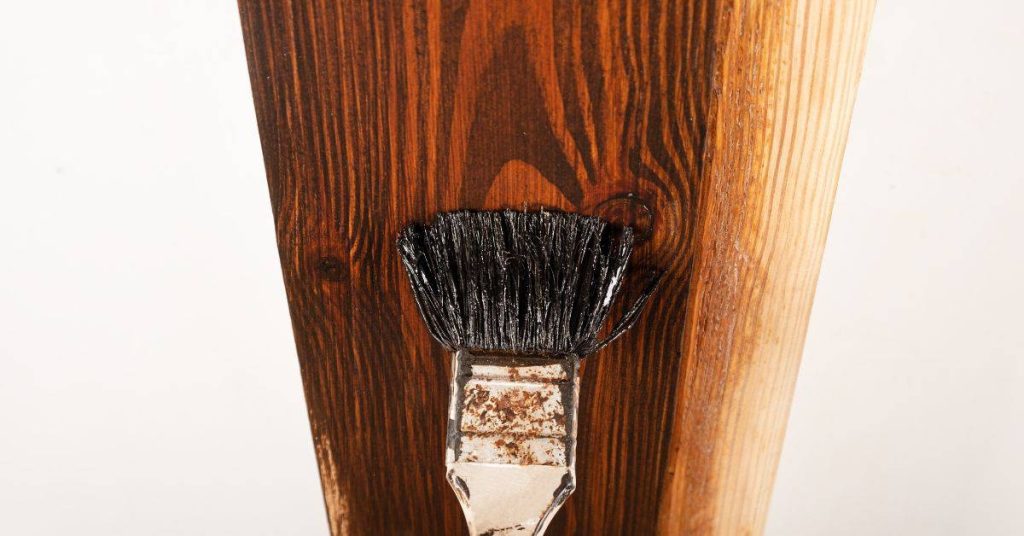
Paintbrush applying dark varnish to wooden plank

Coating Over Damp Wood Near Concrete: Why Blisters Form and Better Breathable Systems

Introduction Blisters form when moisture underneath the coating pushes through and splits the film over damp wood near concrete. You’ll see raised bubbles or pockets as the coating tries to cure in a wet, alkaline environment. Work is risky if you skip drying and proper surface prep. Look for breathable coating options and follow proper

Coating Over Damp Wood Near Concrete: Why Blisters Form and Better Breathable Systems Read More »