Search Results for: silica pool sand

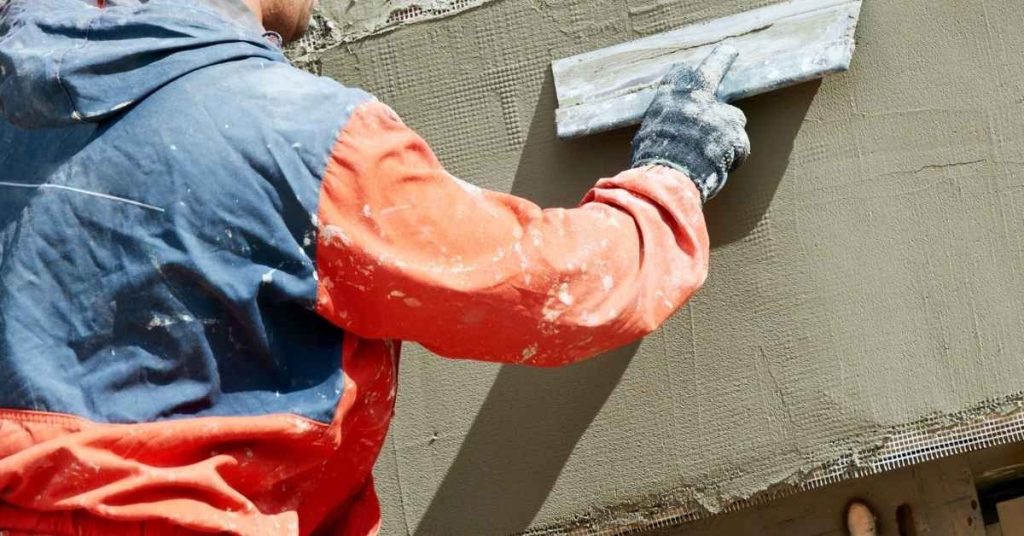
Person applying stucco to wall with trowel

Stucco Window Sills Done Right: Slope, End Dams, and Rot Prevention

Introduction This is about making stucco window sills that shed water properly and resist rot. You’ll focus on the right slope, install end dams, and plan for long-lasting rot prevention. Tackle it like a practical DIY project with common tools and careful flashing. Choose materials and details that stand up to moisture, and verify with […]

Stucco Window Sills Done Right: Slope, End Dams, and Rot Prevention Read More »

Concrete building columns and ceiling beams under blue sky

Deck Stair Footings in Concrete: Getting Below Frost Without Over-Digging

Introduction Deck stair footings are concrete supports placed below the frost line to keep stairs from heaving. This article explains how to do that without digging more than necessary. Check your local code and manufacturers for the exact depths and mix. Understanding frost depth, footing size, and concrete choices matters for a solid, long-lasting set.

Deck Stair Footings in Concrete: Getting Below Frost Without Over-Digging Read More »

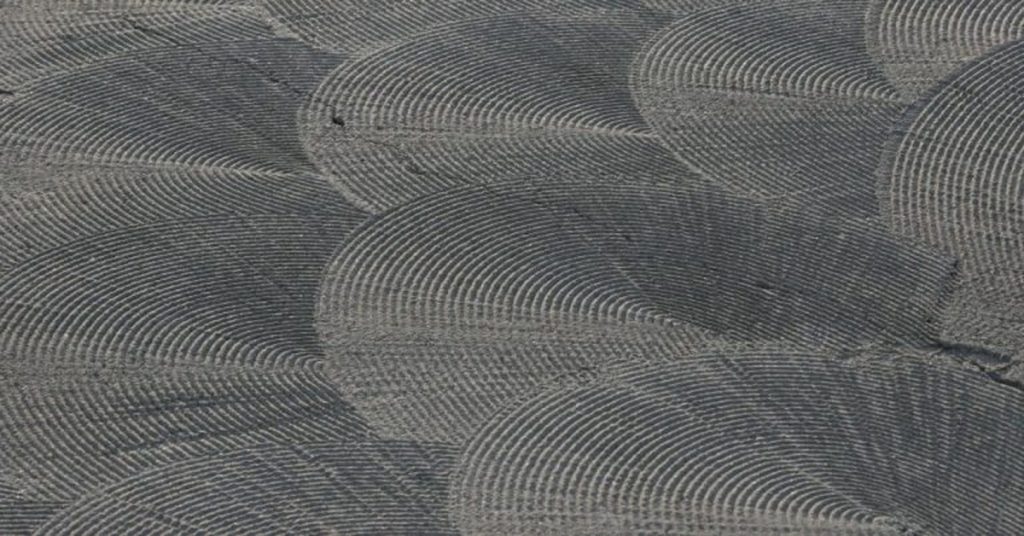
concrete surface with circular textured pattern

Adding Texture to Slick Concrete: Mechanical vs Chemical Methods and What Holds Up

Introduction Texturing slick concrete means creating a non-slip, patterned surface using either mechanical tools or chemical treatments. Mechanical methods bite into the surface with grinder discs, scarifiers, or brushes, while chemical methods react the surface to leave a grip pattern. Both approaches require clean, dry conditions and a plan for the look you want, plus

Adding Texture to Slick Concrete: Mechanical vs Chemical Methods and What Holds Up Read More »

modern multi-story apartment building with concrete surfaces and balconies

Concrete Surface Densifying on Vertical Faces: When It’s Worth It and Application Tricks

Introduction Concrete surface densifying on vertical faces is a treatment that hardens and seals the outer layer of the concrete. It aims to improve abrasion resistance and make vertical surfaces easier to keep clean. Before you start, read the product label and follow the manufacturer’s instructions for temps, application method, and cure time. It’s worth

Concrete Surface Densifying on Vertical Faces: When It’s Worth It and Application Tricks Read More »

Blue painted stucco wall texture close-up

Mineral Paint on Stucco: When It Outlasts Acrylic and How to Prep Properly

Introduction Mineral paint on stucco provides a durable, breathable finish that can outlast typical acrylic when the surface is prepped properly. In plain terms, you start with clean, sound stucco, protect surrounding areas, and choose a mineral-based paint designed for masonry. The prep and technique matter more than color or brand. The application hinges on

Mineral Paint on Stucco: When It Outlasts Acrylic and How to Prep Properly Read More »

Paint roller applying white paint on wall surface

How to Paint Concrete Block Without Trapping Moisture: Breathability vs Washability

Introduction Painting concrete block should let moisture escape while protecting the surface. That balance is breathability vs washability, not just color. You’ll need guidance from labels and local rules. Start by cleaning and inspecting for cracks, then plan a breathable, washable finish. Check product labels for vapor permeability and washability, and follow manufacturer instructions. If

How to Paint Concrete Block Without Trapping Moisture: Breathability vs Washability Read More »

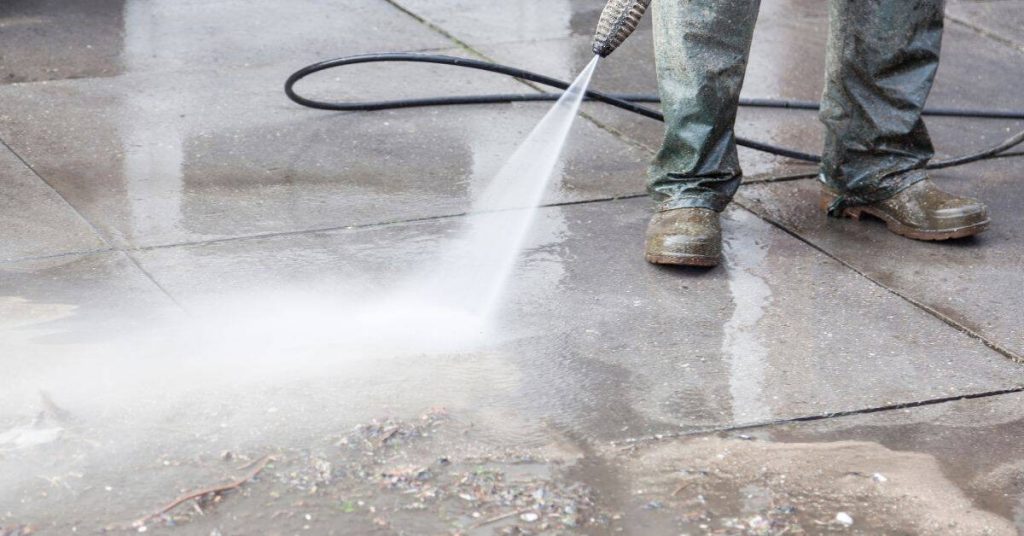
Person pressure washing smooth concrete patio surface

How to Tell If Concrete Is Too Smooth to Coat: Simple Adhesion Checks Before You Prime

Introduction Too smooth concrete resists adhesion and can fail after priming. This article shows simple checks to decide if the surface needs profiling. Roughening helps primers bite into the surface and create a lasting bond. Start with cleaning, then roughen the area using a grinder, wire brush, or sanding pad and clean away dust. Do

How to Tell If Concrete Is Too Smooth to Coat: Simple Adhesion Checks Before You Prime Read More »

Concrete steps with orange rust stains and some plants growing

DIY Salt Damage Prevention for Steps: Pre-Winter Sealer Checks and Drainage Tweaks

Introduction Salt damage prevention for steps means preparing concrete stairs to resist freeze-thaw and salt exposure before winter. This involves inspecting surfaces, cleaning debris, and checking the edge seals so water and salt don’t penetrate. Keep an eye on cracks or chips and plan resealing if you spot trouble. Before the cold sets in, look

DIY Salt Damage Prevention for Steps: Pre-Winter Sealer Checks and Drainage Tweaks Read More »

Hand wearing white glove installing brown plastic anchor on foam board

Installing a New Vent Through Stucco: Sleeves, Slope, and Sealant Geometry

Introduction Installing a new vent through stucco means creating a weather-tight opening in stucco siding to run a vent sleeve and sealant geometry. This keeps airflow functional while protecting the wall from water penetration. You’ll want to plan the sleeve, slope, and seal around the opening so the vent directs moisture away from the home.

Installing a New Vent Through Stucco: Sleeves, Slope, and Sealant Geometry Read More »

White electrical outlet on a painted white wall

Limewash Over Previously Painted Walls: What Prep Makes It Stick (and What Doesn’t)

Introduction Limewash can be applied over previously painted walls with proper prep to let it stick. Start by cleaning and inspecting the surface, scraping off loose paint, and washing until it’s clean and dry. Then follow the product label directions and any local rules for bonding or priming as needed. In practice, the beginners’ approach

Limewash Over Previously Painted Walls: What Prep Makes It Stick (and What Doesn’t) Read More »