Search Results for: silica pool sand

Polished concrete floor reflecting overhead lights and columns

Concrete Densifiers for DIY: Lithium vs Sodium Silicate and What Can Go Wrong

Introduction Lithium and sodium silicate densifiers are concrete surface treatments that harden the top layer by penetrating and sealing the pores. They can help reduce dust, improve spill resistance, and give a subtle finish, but the best choice depends on your concrete and environment. Always check the product label and follow the manufacturer instructions, and […]

Concrete Densifiers for DIY: Lithium vs Sodium Silicate and What Can Go Wrong Read More »

Concrete screeding tool smoothing wet concrete surface

Concrete Sand: Mason Sand vs Concrete Sand vs Play Sand (What Actually Works)

Introduction Concrete sand is the coarse, well-graded sand used in concrete mixes and as bedding material. Mason sand, concrete sand, and play sand differ mainly in texture, particle size, and how they compact. Knowing which to use depends on the job and what the sand needs to do in the mix or base. Mason sand

Concrete Sand: Mason Sand vs Concrete Sand vs Play Sand (What Actually Works) Read More »

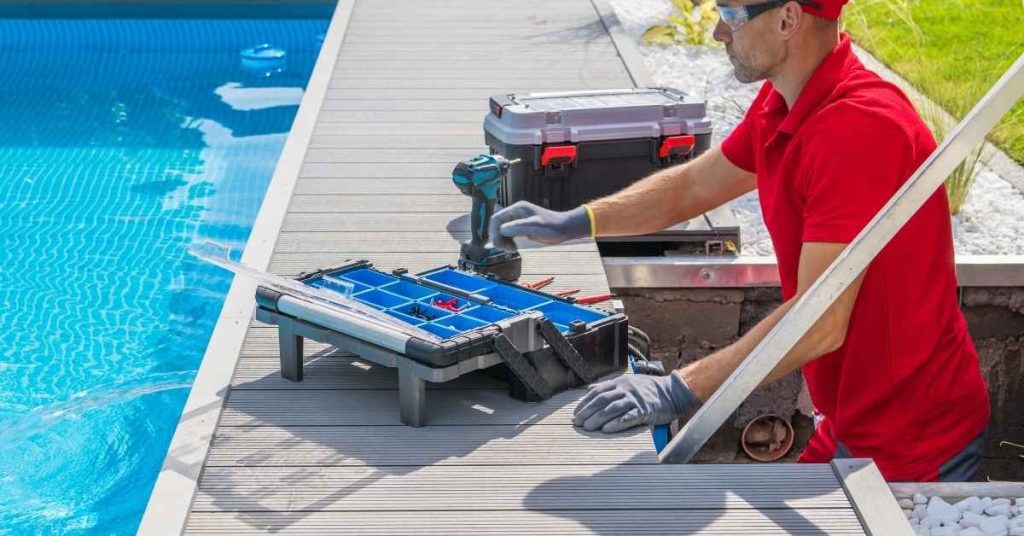
Man working on pool deck installation using tools and safety glasses

Painting Pool Decks: Slip Resistance, Chlorine, and Cool-Deck Options

Introduction Painting pool decks means choosing a coating that resists slipping, stands up to chlorine and pool chemicals, and stays cooler underfoot; it’s a practical surface upgrade, not a decorative paint job. Think about slip additives, chemical resistance, and reflective or “cool” coatings when you pick products, and always check the label and manufacturer instructions

Painting Pool Decks: Slip Resistance, Chlorine, and Cool-Deck Options Read More »

Man in red shirt working on pool deck with tools

Painting Pool Decks: Step-by-Step Timeline and Duration Guide

Introduction The timeline for painting pool decks is crucial to ensure a durable, long-lasting finish. Understanding the duration of each step helps you plan your project effectively. From surface preparation to final curing, this guide walks you through the process, helping you allocate time wisely and avoid common delays. For the full guide, see Painting

Painting Pool Decks: Step-by-Step Timeline and Duration Guide Read More »

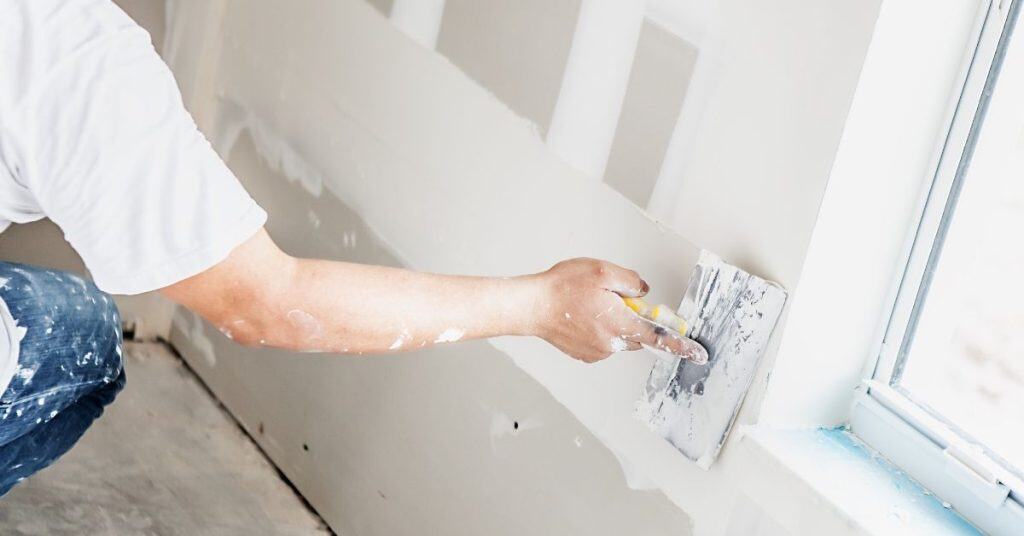
Person applying drywall joint compound near window

Choosing Plaster vs Joint Compound for Repairs: Durability, Sanding, and Paint Finish Differences

Introduction Plaster is a harder-setting wall finish made from cement- or gypsum-based mixes, while joint compound is a softer, gypsum-based product meant for taping and small repairs. For DIYers that means plaster will hold up better in high-traffic areas and where impact resistance matters, and joint compound is easier to apply and feather for small

Choosing Plaster vs Joint Compound for Repairs: Durability, Sanding, and Paint Finish Differences Read More »

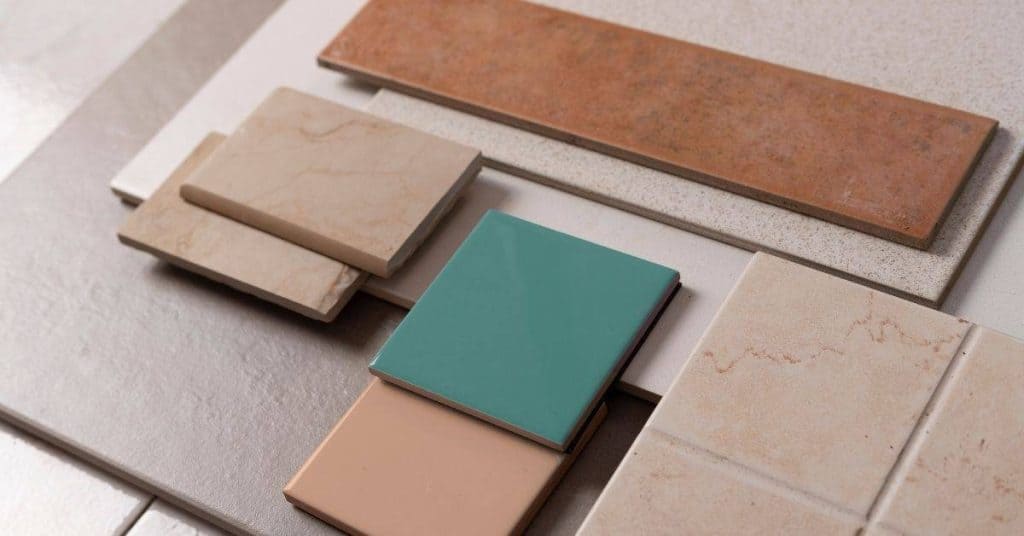
Various ceramic and porcelain tile samples arranged on a surface

Pool Waterline Tile Repairs: Bonding to Old Substrates and Avoiding Hollow Spots

Introduction Bonding old pool waterline tile to aged substrates requires thorough prep and the right adhesives to prevent hollow spots. This is a hands-on, DIY task that starts with cleaning, roughing the surface, and choosing compatible materials. Check product labels and manufacturer guidance for substrate compatibility, cure times, and any moisture considerations. Dust control during

Pool Waterline Tile Repairs: Bonding to Old Substrates and Avoiding Hollow Spots Read More »

Interlocking permeable paver blocks with open joints and gravel fill.

Concrete Paver ‘Rocking’ Fix on Sand: When to Regrade vs. Switch to Mortar

Introduction A rocking concrete paver on sand happens when the base shifts and the paver isn’t bedded level. You’ll usually see movement when a surface feels wobbly or shows gaps around edges. This article helps you decide whether to regrade the base or switch to mortar in a simple, hands-on way. To identify the problem,

Concrete Paver ‘Rocking’ Fix on Sand: When to Regrade vs. Switch to Mortar Read More »

Using Polymer Sand Vs. Mortar in Wide Paver Joints on Concrete

Using Polymer Sand Vs. Mortar in Wide Paver Joints on Concrete

Table of Contents Quick comparison: polymeric sand vs mortar (summary) Suitable joint widths and depths for each material Prep steps for existing pavers on concrete Application process for polymeric sand (detailed how‑to) Application process for mortar (detailed how‑to) Drainage, substrate and edge restraint considerations Durability, flexibility, and lifecycle performance Cost, time and labor comparison (initial

Using Polymer Sand Vs. Mortar in Wide Paver Joints on Concrete Read More »

Wet-Sanding Counters Without Clouds of Dust

Wet-Sanding Counters Without Clouds of Dust

Table of Contents When to choose wet-sanding vs dry-sanding Tools and materials checklist Workspace setup and containment to minimize dust spread Surface preparation and repairs before wet-sanding Step-by-step wet-sanding technique Polishing and buffing for a streak-free finish Cleanup, drying, and post-project inspection Safety, health risks, and PPE (explicit guidance) Wastewater, environmental handling, and legal considerations

Wet-Sanding Counters Without Clouds of Dust Read More »