Search Results for: silica dust

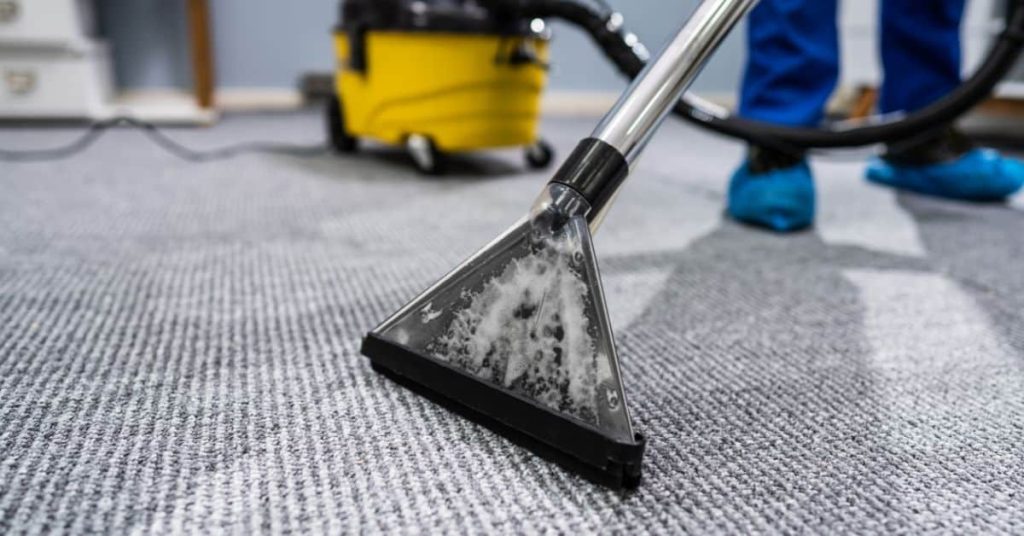
Closeup of carpet cleaning extraction tool on gray carpet

Electrochemical Re-Alkalization and Chloride Extraction: What Homeowners Should Know Before Hiring It

Introduction Electrochemical re-alkalization and chloride extraction are concrete repair methods aimed at neutralizing acidic attack and removing embedded chlorides from reinforced concrete. In plain terms, these processes use electrical currents to push pH back up and pull harmful chlorides out, so the steel stays safer. Think of it as a general overview you can compare […]
Electrochemical Re-Alkalization and Chloride Extraction: What Homeowners Should Know Before Hiring It Read More »

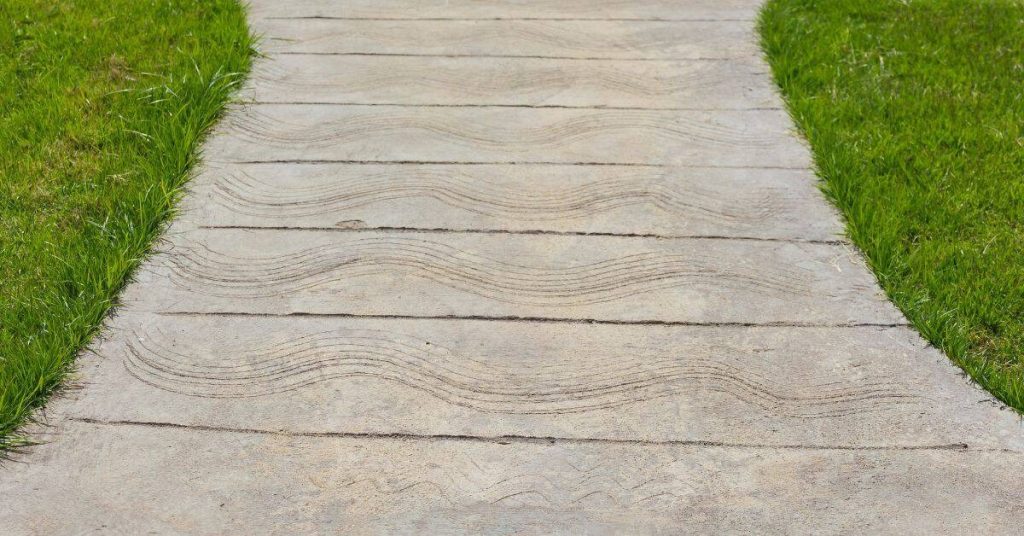
Concrete pathway with wave texture and green grass sides

Concrete Repair in Sulfate Soils: Material Selection That Won’t Turn to Mush

Introduction Concrete repair in sulfate soils means choosing repair materials that resist sulfate attack so the patch doesn’t crumble. Always check the product label and manufacturer instructions for sulfate resistance and compatible cementitious systems. If in doubt, confirm with local rules and test methods, and avoid mixes that aren’t specifically rated for sulfate exposure. Plan

Concrete Repair in Sulfate Soils: Material Selection That Won’t Turn to Mush Read More »

Concrete ceiling with patched spalling areas

Polymer-Modified Repair Mortars in Freeze–Thaw Zones: When Polymer Helps and When It Hurts

Introduction Polymer-modified repair mortars are cement mixes that use polymers to improve adhesion and cohesiveness in damaged concrete. In DIY jobs near freeze–thaw cycles, they can help keep cracks from reopening if applied to a clean, prepped surface. Always read the product label for mixing ratios, cure time, and any temperature guidance before starting. Polymers

Polymer-Modified Repair Mortars in Freeze–Thaw Zones: When Polymer Helps and When It Hurts Read More »

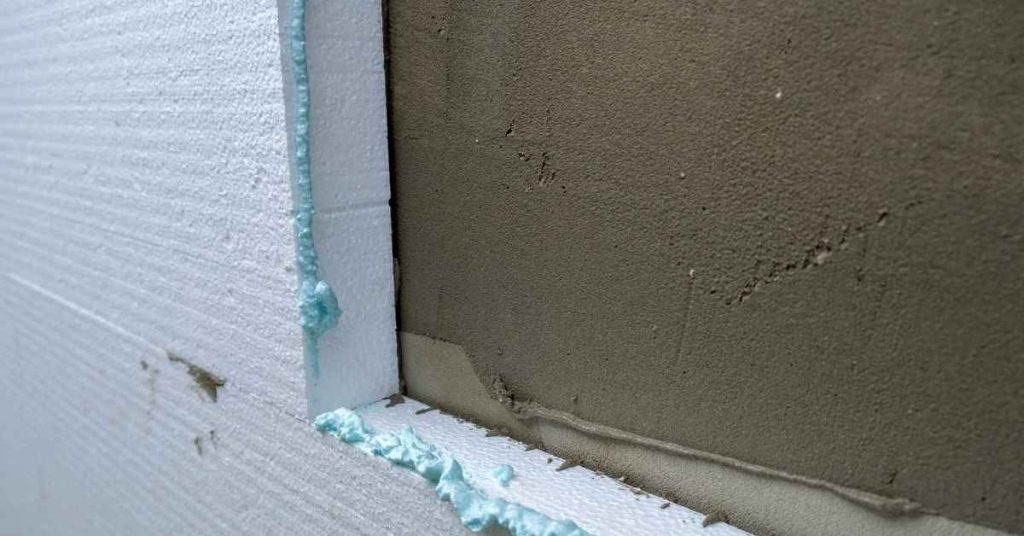
Close-up of foam insulation and repair mortar edge

Feather-Edge Rules for Repair Mortars: Minimum Thickness by Product Type

Introduction Feather-edge thickness for repair mortars is the minimum thickness you should aim for at the feathered edge of a repair, as defined by the product you choose. Because different products have different requirements, always check the label and the manufacturer instructions for the exact minimum. If in doubt, consult local rules or a pro

Feather-Edge Rules for Repair Mortars: Minimum Thickness by Product Type Read More »

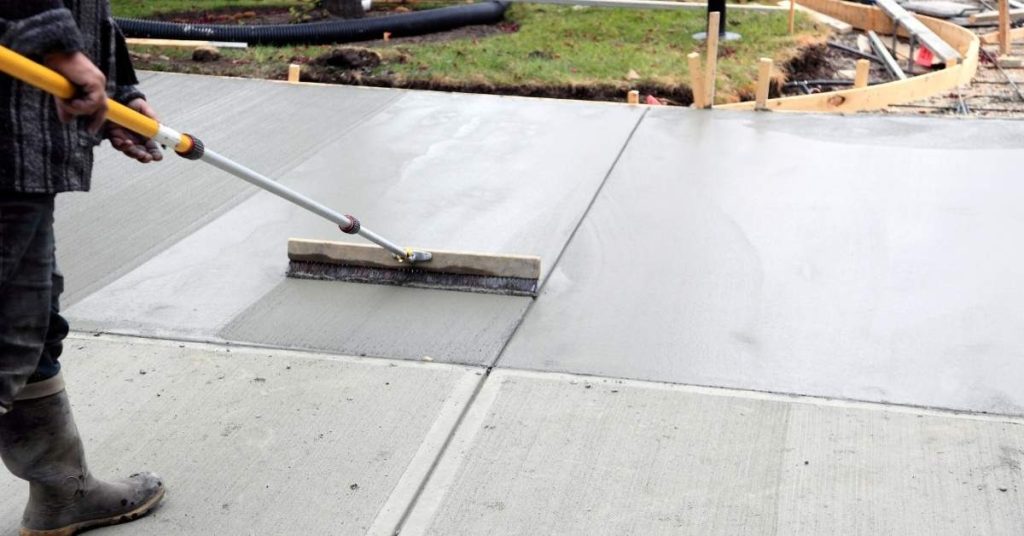
Person using concrete broom on wet concrete sidewalk

Reprofiling Worn Broom Finish: Thin Overlay vs Cut-and-Replace

Introduction Reprofiling worn broom finish means restoring a broom-textured concrete surface by either applying a thin overlay or replacing the affected slab. The approach you choose hinges on how deep the damage is, how flat you need it, and what your budget allows. Before you mix anything, focus on proper surface prep, crack clearing, and

Reprofiling Worn Broom Finish: Thin Overlay vs Cut-and-Replace Read More »

Worker pouring concrete mix over steel rebar grid

DIY Grout-Style Mixes vs True Concrete: When High Sand Content Is Actually Stronger

Introduction Grout-style mixes with high sand content differ from true concrete in composition and how they cure. In some cases, more sand can bulk up the mix and feel stronger, but that doesn’t mean it works the same as real concrete in every situation. Always check the product label and manufacturer guidance to confirm sand

DIY Grout-Style Mixes vs True Concrete: When High Sand Content Is Actually Stronger Read More »

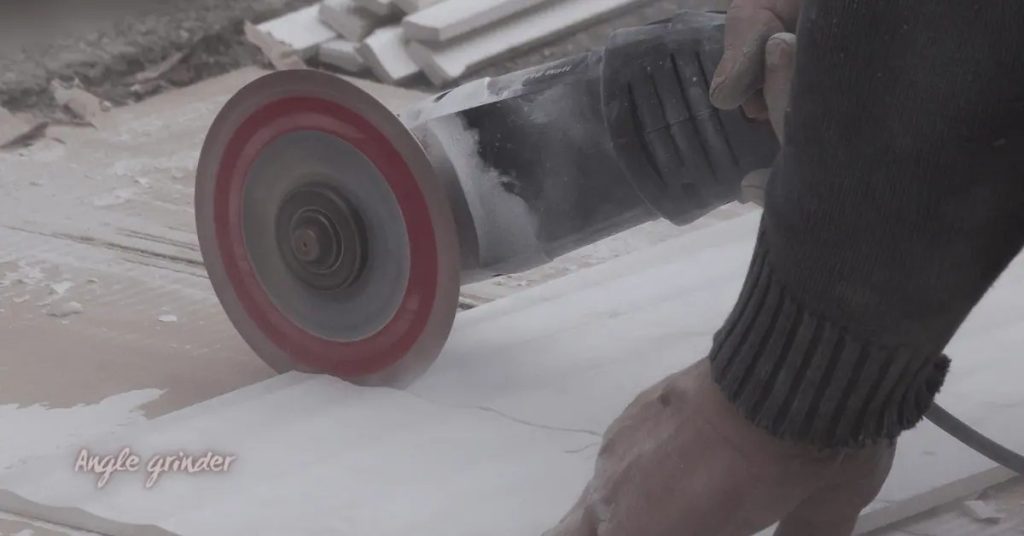
Angle grinder cutting a concrete surface with dust

Accelerator + Superplasticizer Interactions: The Combo That Can Flash Set

Introduction Accelerators and superplasticizers are concrete admixtures that, when used together, can cause rapid hardening or flash set. This article explains how their interaction can change workability and set times in DIY mixes. Always check product labels and follow manufacturer instructions for compatibility. In the field, watch for signs of quick stiffening and plan your

Accelerator + Superplasticizer Interactions: The Combo That Can Flash Set Read More »

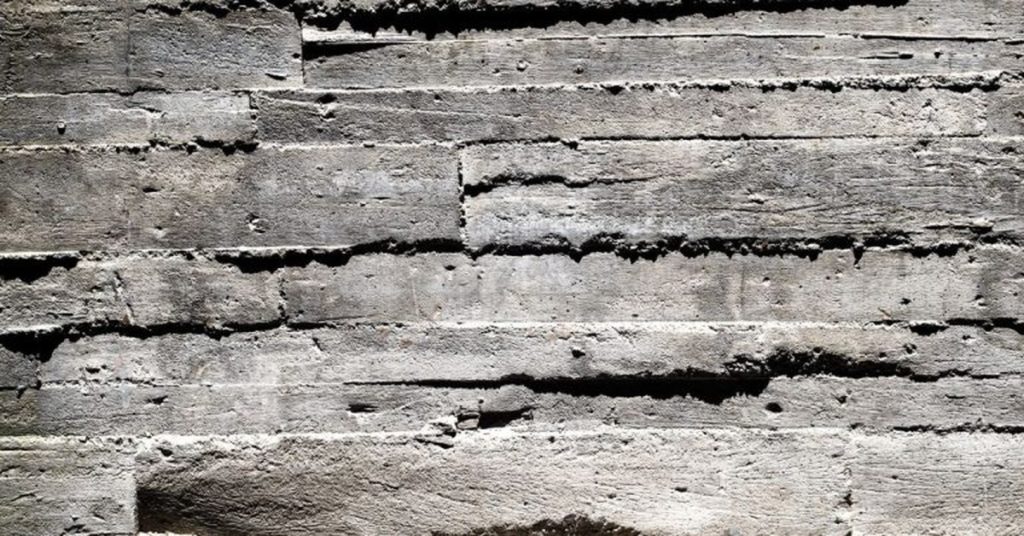
Close-up of rough concrete wall with wood formboard texture

Hydrated Lime in Concrete Mixes: Workability, Finish, and Strength Effects

Introduction Hydrated lime is a dry powder added to concrete to adjust texture and binding. In DIY mixes, it can improve workability and long-term texture, but it also changes setting behavior. Check the product label and local guidelines before use. It can influence finish quality and how smoothly you can trowel or pour. Lime affects

Hydrated Lime in Concrete Mixes: Workability, Finish, and Strength Effects Read More »

Worker spraying cement plaster on interior wall

Aluminate Cement Systems: Compatibility Traps With Portland Cement Repairs

Introduction Aluminate cement systems can clash with Portland cement repairs because their chemistries and hydration behave differently. That mismatch can affect bonding, crack resistance, and how the repair ages in real-world use. In practical terms, you want to know if the two systems will stick together over time and cope with the environment around your

Aluminate Cement Systems: Compatibility Traps With Portland Cement Repairs Read More »

Hands smoothing wet concrete with trowels on a slab

Basalt Fibers vs Polypropylene Fibers: Crack Control, Finishing, and Cost Tradeoffs

Introduction Basalt fibers and polypropylene fibers are two concrete add-ons that help crack control and finishing, with different costs and handling requirements. In practice, the choice comes down to how you mix, place, and finish the concrete, plus how much you’re willing to pay for long-term durability. Always check the manufacturer instructions and local rules

Basalt Fibers vs Polypropylene Fibers: Crack Control, Finishing, and Cost Tradeoffs Read More »