Search Results for: silica dust

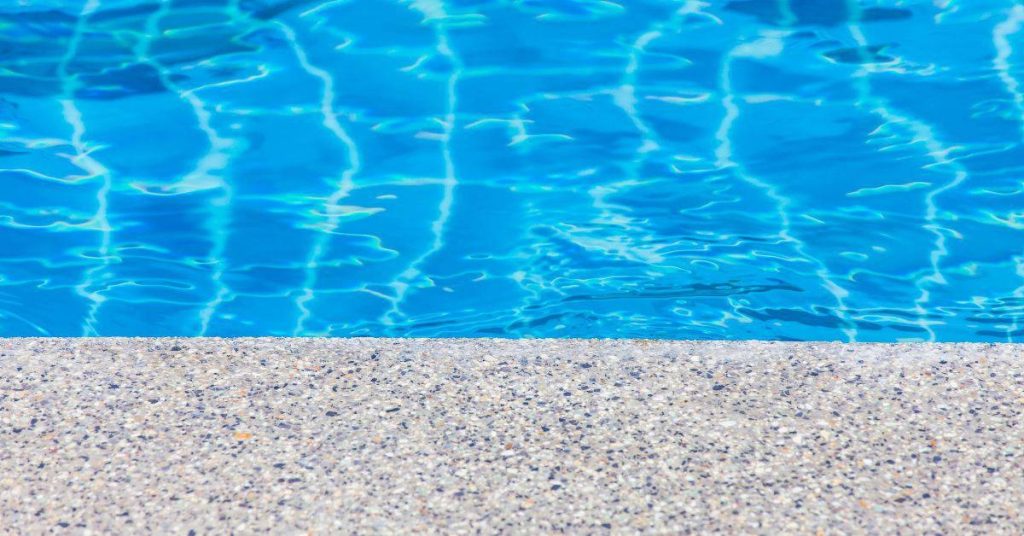
Close-up of exposed aggregate concrete pool edge with water

Concrete Furniture Outdoors: Mix Tweaks and Detailing to Avoid Edge Spalls and Staining

Introduction Concrete furniture outdoors is solid, weather-ready seating and tabletops cast from concrete that you use outside. Tweaks to the mix and detailing at the edges help prevent edge spalls and reduce staining over time. This article keeps things practical, focusing on what to check in your mix, forms, and finishes before you pour. Maintenance […]

Concrete Furniture Outdoors: Mix Tweaks and Detailing to Avoid Edge Spalls and Staining Read More »
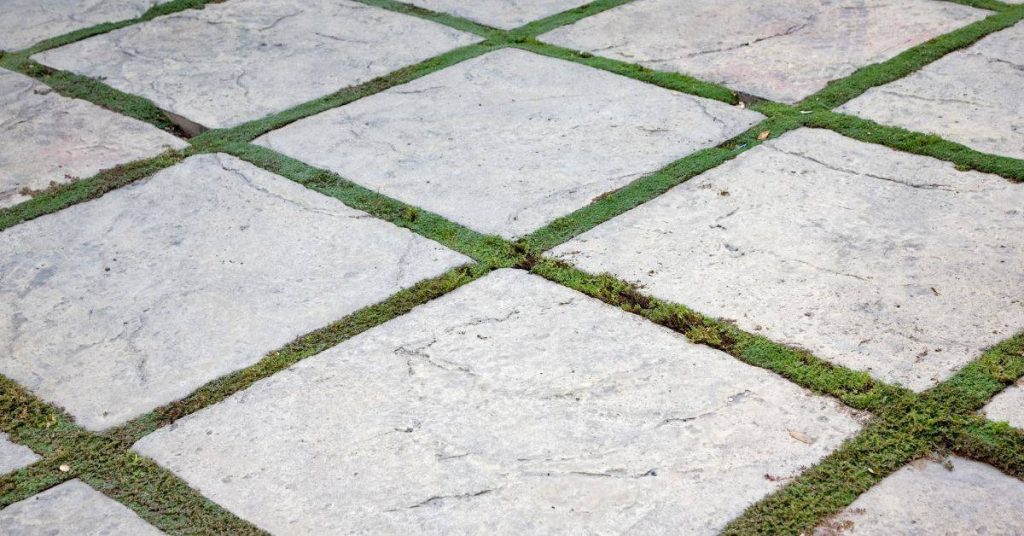
Square stone pavers with green moss in the joints

Sandblasted Finishes: Uniformity Tricks and How to Avoid Shadowing Around Joints

Introduction Sandblasted finishes are a textured surface created by blasting marble with abrasive media to reveal the stone’s grain. The result is a matte, slip-resistant look that hides tiny flaws and can add character to a space. As a DIY project, it’s important to understand that consistency comes from planning, the right media, and steady

Sandblasted Finishes: Uniformity Tricks and How to Avoid Shadowing Around Joints Read More »

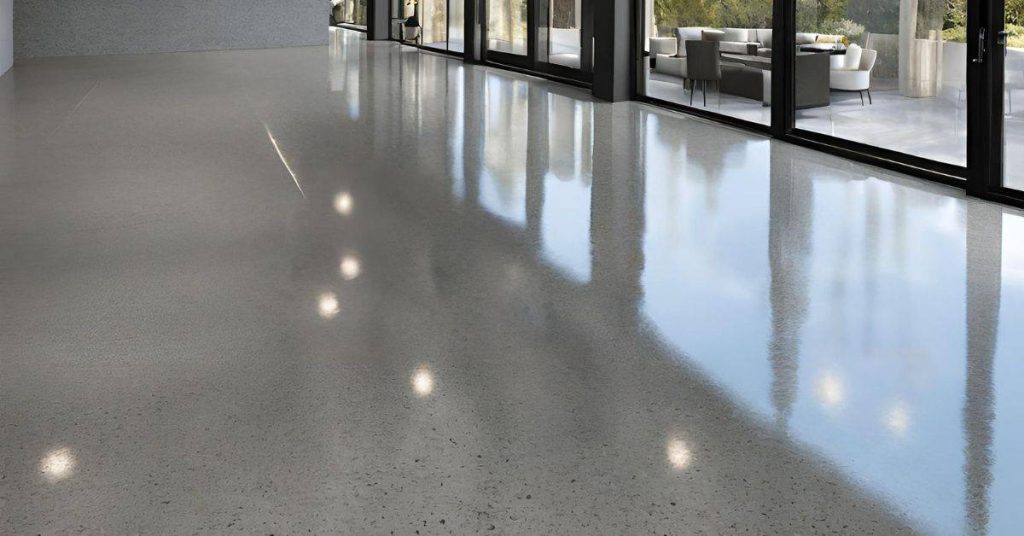
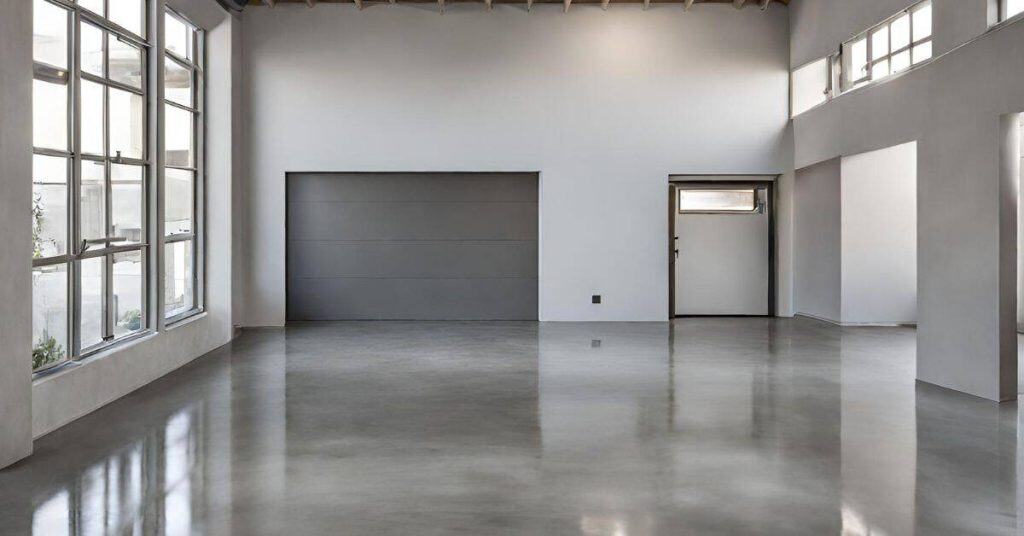
Empty room with polished concrete floor and large windows

Using Sacrificial Wax Systems on Polished Concrete: Maintenance Schedule That Doesn’t Turn Dull

Introduction A sacrificial wax system on polished concrete is a protective layer you apply to guard the surface and keep the shine. As you wear and spill on the floor, you refresh the wax rather than grind the surface again. Approach this like a practical DIY job: work in small areas, follow the product instructions,

Using Sacrificial Wax Systems on Polished Concrete: Maintenance Schedule That Doesn’t Turn Dull Read More »

Stacked white cement bags arranged in rows

White Concrete Mix for Clean Architectural Pieces: Cement Choice, Sand Color, and Plasticizer Options

Introduction White concrete mix is a cement-based blend designed to produce a light, pale finish for clean architectural pieces. When choosing cement, look for options that emphasize whiteness and low tint; check the label and manufacturer instructions to understand allowable color ranges. If in doubt, ask the supplier about pigments or whitening additives and how

White Concrete Mix for Clean Architectural Pieces: Cement Choice, Sand Color, and Plasticizer Options Read More »

Polished concrete floor next to large window overlooking ocean

Concrete Polishing Grit Progression Explained: Avoiding ‘Wavy’ Shine and Swirl Marks

Introduction Concrete polishing grit progression is the stepped use of abrasive grits to smooth and shine a concrete surface. In practice, you move from coarser grits to finer ones to minimize swirl marks and achieve a consistent look. A careful sequence helps you control the shine and avoid waviness as you work. Choose the grit

Concrete Polishing Grit Progression Explained: Avoiding ‘Wavy’ Shine and Swirl Marks Read More »

shiny polished concrete floor in modern indoor space

Repairing Etched or Dull Polished Concrete: Densifier Reapplication vs Re-Polish

Introduction Repairing Etched or Dull Polished Concrete: Densifier Reapplication vs Re-Polish is about choosing between reapplying a densifier to revitalize the surface or running a light re-polish to restore gloss. The decision hinges on whether the dullness comes from chemical etching, wear, or a dull film on the surface. Plan based on what the surface

Repairing Etched or Dull Polished Concrete: Densifier Reapplication vs Re-Polish Read More »

Covered porch with painted concrete floor and metal chairs

Controlling Sheen on Concrete Sealers: Matte vs Gloss, Slip Risk, and Maintenance Reality

Introduction Matte and gloss sealers define the look and reflectivity of a concrete surface. A matte finish hides minor wear but can be harder to keep clean, while a gloss finish is clearer but may show wear and slip risk more readily. This article gives a practical, DIY‑friendly overview of what to expect and how

Controlling Sheen on Concrete Sealers: Matte vs Gloss, Slip Risk, and Maintenance Reality Read More »

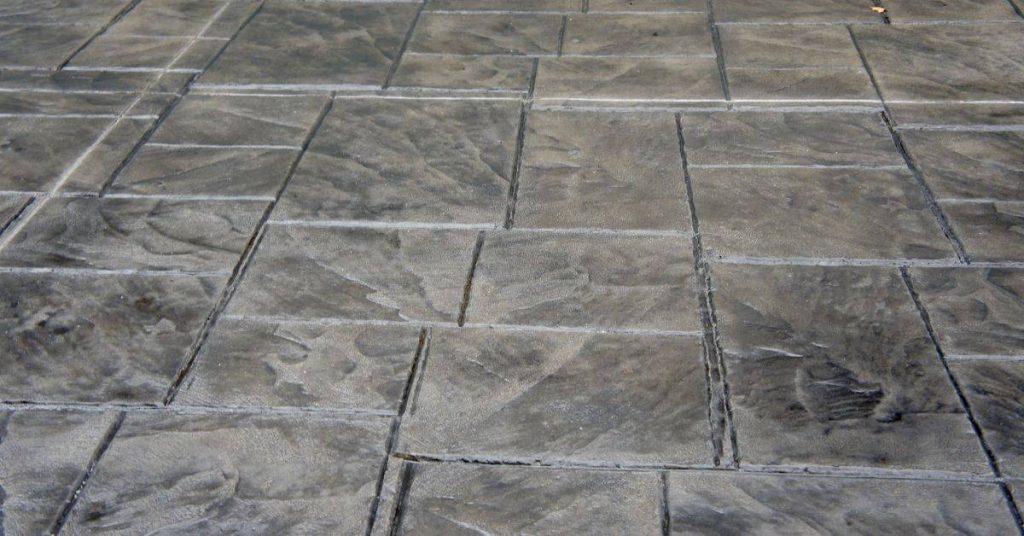
Stamped concrete patio surface with rectangular patterns

Deck Coatings Over Concrete: Urethane Traffic Coatings vs Acrylic Systems

Introduction Urethane traffic coatings and acrylic systems are two common deck coatings for concrete that you apply to protect and beautify a surface. This article gives a plain‑language look at how each one works and what to expect from applying them. Areas we support cover common concrete decks and patios in residential settings. For questions

Deck Coatings Over Concrete: Urethane Traffic Coatings vs Acrylic Systems Read More »

close up of red brick wall mortar joints

Sealing Control Joints for Radon: Where to Seal, What Lasts, and When Not To

Introduction Sealing control joints is a practical step to reduce radon entry by closing gaps in masonry where joints exist. Before you seal, clean and dry the joint, choose a sealer compatible with masonry, and follow the product’s instructions for temperature, cure time, and re-entry. If in doubt, check local rules and consult the product

Sealing Control Joints for Radon: Where to Seal, What Lasts, and When Not To Read More »

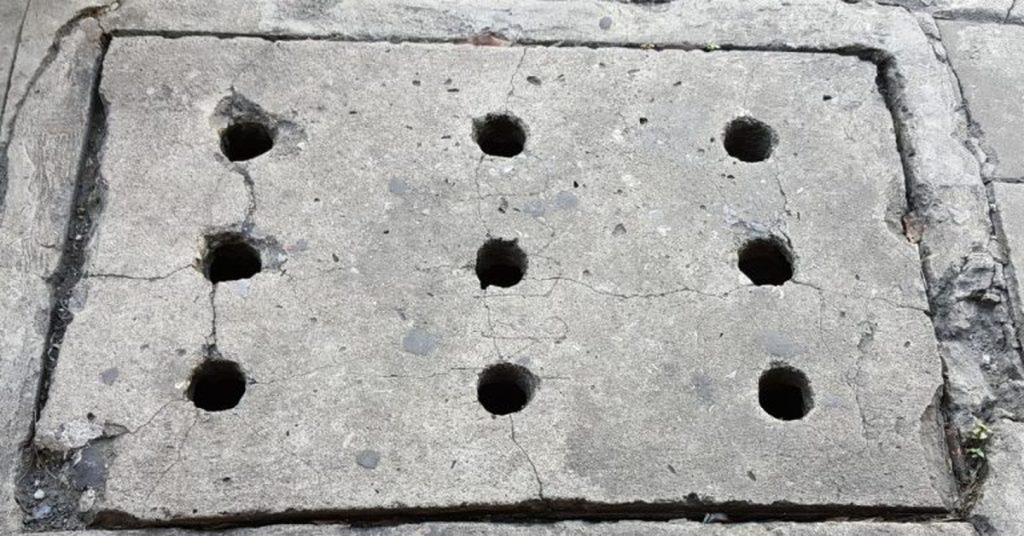
Concrete slab with nine drainage holes

Galvanic Anodes in Patch Repairs: When Sacrificial Protection Prevents Ring-Anode Spalls

Introduction Galvanic anodes in patch repairs are sacrificial metal pieces placed near the patch to protect embedded steel from corrosion. They work by attracting corrosion to themselves rather than the steel, helping prevent ring-anode spalls. Use this approach when you want durable repairs and want to minimize crumble around the patch. Spalling is when concrete

Galvanic Anodes in Patch Repairs: When Sacrificial Protection Prevents Ring-Anode Spalls Read More »