Search Results for: shot blasting

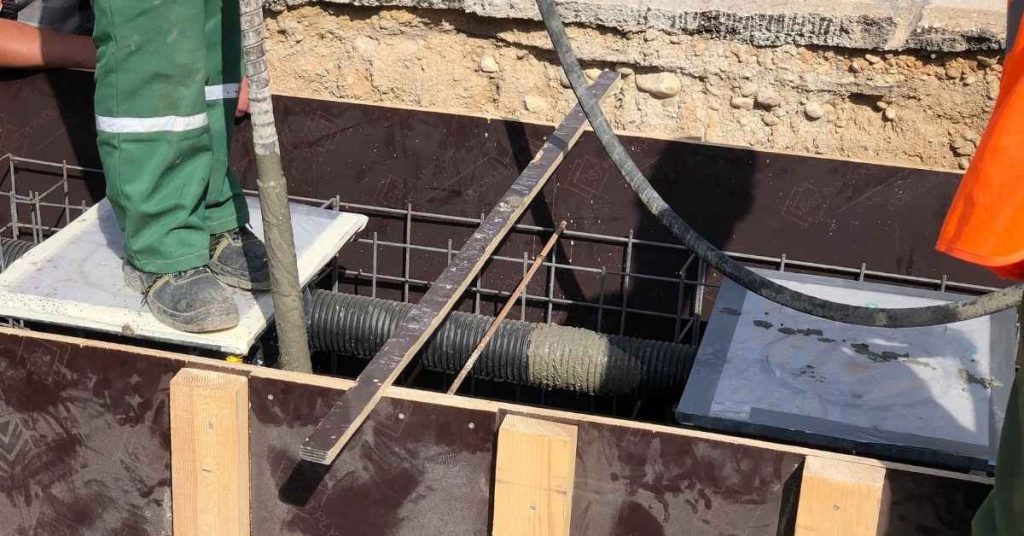
Worker standing on concrete formwork pouring concrete

Concrete Spalling Without Rebar: How deep to remove and how to feather the repair

Introduction Spalling without rebar happens when the surface concrete flakes away, leaving a damaged area that needs patching. You’ll want to remove enough material to reach sound concrete and to create a gradual feathered edge for the new mix to blend in. Check the extent by probing the edge and looking for underlying cracking or […]

Concrete Spalling Without Rebar: How deep to remove and how to feather the repair Read More »

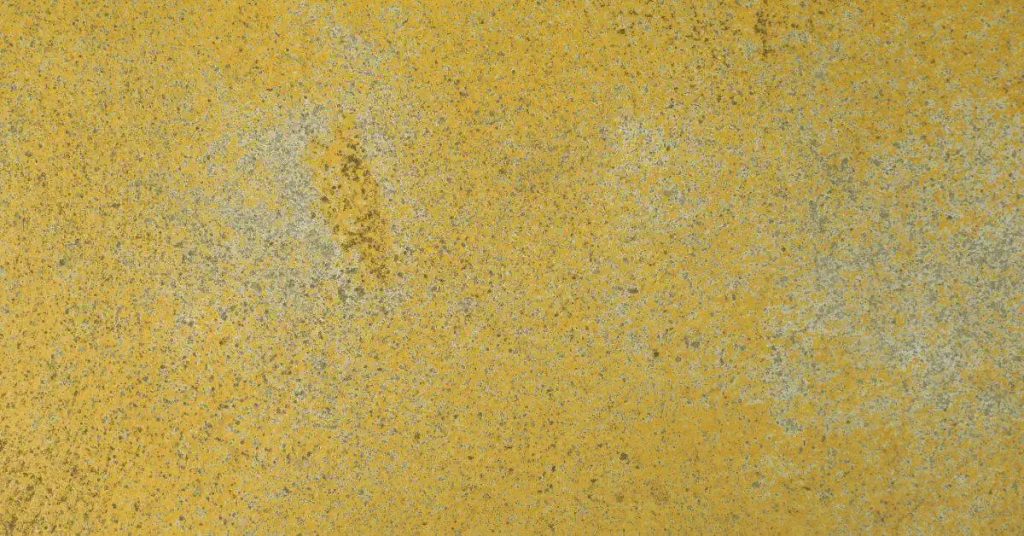
yellow stained concrete surface with varying texture

Concrete Surface Delamination: Causes, diagnosis, and repair that lasts

Introduction Delamination is the surface layer of concrete peeling or separating from the underlying concrete, creating a patchy, hollow feel. It often shows up as a dull patch that may flake or sound hollow when tapped. Lightly tapping suspect areas can help you spot where the top lift isn’t bonded well. To diagnose, look for

Concrete Surface Delamination: Causes, diagnosis, and repair that lasts Read More »

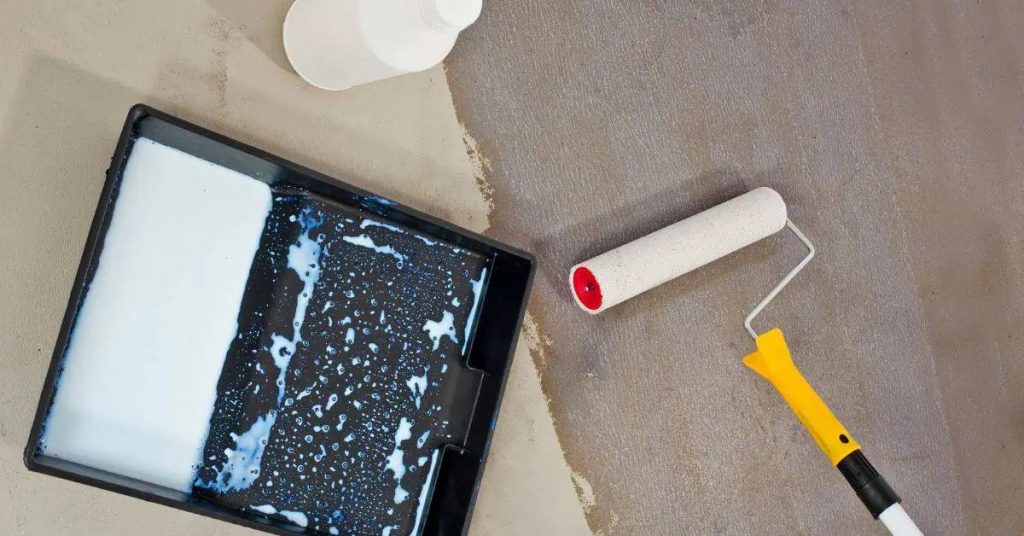
Blue paint roller over open paint can

How Long Concrete Takes to Cure: Real timing for sealing, painting, and loads

Introduction Curing is the period when fresh concrete hardens and gains strength as it dries. For DIY projects, you can start light use only after it has set enough to bear light foot traffic. Temperature and moisture drive this process, and the method you use to cure will affect the outcome. Full curing takes time

How Long Concrete Takes to Cure: Real timing for sealing, painting, and loads Read More »

Concrete wall surface with peeling and cracking finish

Concrete Finish Peeling Off a Patch: Bond failures and how to redo it correctly

Introduction Bond failure happens when a concrete patch peels because the new mix won’t adhere to the old surface. It means the patch didn’t bond well to the substrate due to contamination, moisture, or a weak surface. Fixing it starts with identifying the rough spots and cleaning up before rework. To redo it correctly, start

Concrete Finish Peeling Off a Patch: Bond failures and how to redo it correctly Read More »

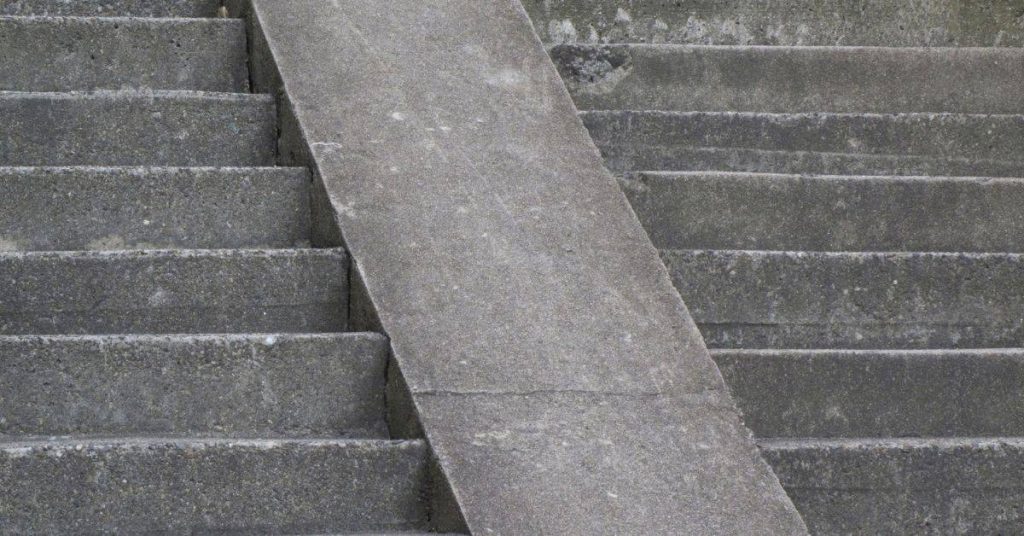
Concrete stairs with a smooth ramp in the middle

Fixing a Concrete Patch That Won’t Take Stain: Porosity matching and blending

Introduction Porosity matching and blending means adjusting a concrete patch so it accepts stain like the surrounding concrete and hides the edges. Start with a clean, dry surface and test a small area to see how the stain looks. If the patch seems off, adjust the patch mix with a compatible additive or bonding agent

Fixing a Concrete Patch That Won’t Take Stain: Porosity matching and blending Read More »

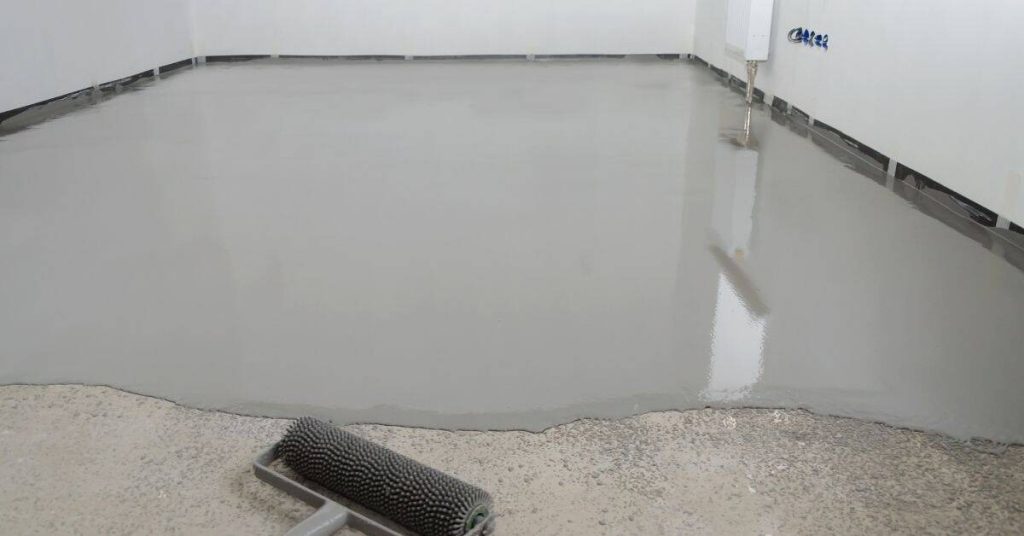
Freshly applied self-leveling concrete floor with roller

Microtopping Problems: Preventing bubbles, pinholes, and delamination

Introduction Microtopping problems are defects like bubbles, pinholes, and delamination that happen when a thin decorative concrete layer can’t bond or level properly. This article covers straightforward, hands-on steps to prevent them during mixing, prep, and application. You’ll also see how surface preparation and choosing self-leveling options can help you get a smoother, longer-lasting finish.

Microtopping Problems: Preventing bubbles, pinholes, and delamination Read More »

Concrete being poured from chute onto prepared slab area

Concrete Against Existing Slabs: How to pour next to old concrete without cracks

Introduction Pouring new concrete next to an existing slab requires careful planning to prevent cracks. You’ll need a clean joint, proper isolation, and a compatible mix to control movement. Inspect the existing slab for movement, moisture, or coating and plan the joint and bonding approach accordingly. Always verify with the product label, manufacturer instructions, or

Concrete Against Existing Slabs: How to pour next to old concrete without cracks Read More »

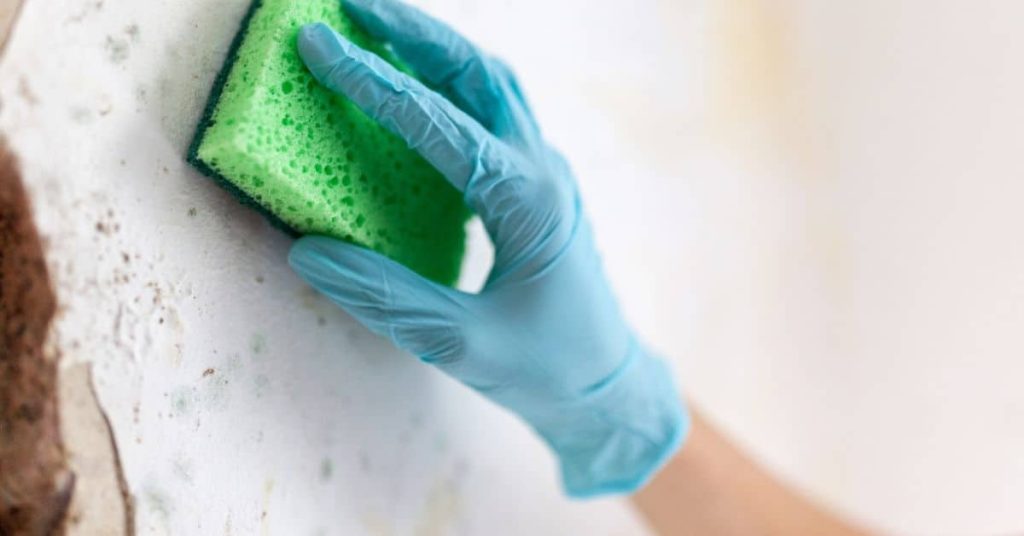
Gloved hand scrubbing white concrete wall with green sponge

Concrete Paint Prep: Cleaning, profiling, and drying for adhesion

Introduction Concrete paint prep is the process of cleaning the surface, creating a slight profile for the paint to grip, and ensuring it dries cleanly before coating. This hands-on approach helps adhesion and long-lasting results, not just a quick splash of color. Check the surface condition, the moisture level, and follow the paint label for

Concrete Paint Prep: Cleaning, profiling, and drying for adhesion Read More »

Concrete garage floor with paint roller and wet coating

Garage Floor Paint vs Epoxy vs Polyaspartic: What Actually Holds Up

Introduction Garage floor coatings come in paint, epoxy, and polyaspartic, each with its own durability profile. Paint is simple and forgiving, epoxy offers a thicker hard coat, and polyaspartic dries fast and resists temperature swings. This guide helps you compare protection, appearance, and DIY viability before you pick. You’ll learn what to expect in terms

Garage Floor Paint vs Epoxy vs Polyaspartic: What Actually Holds Up Read More »