Search Results for: shot blasting

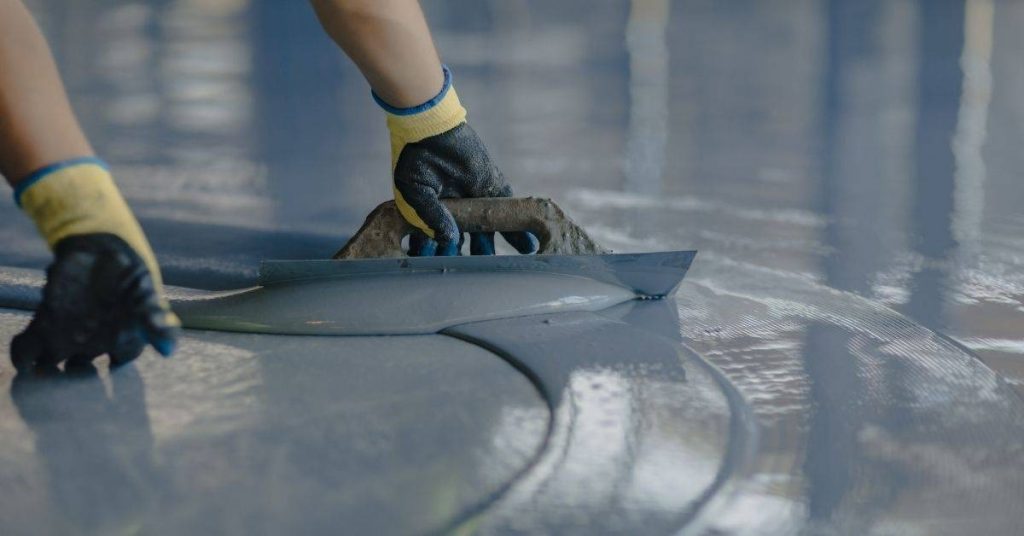
Hands wearing gloves smoothing gray epoxy on floor with trowel

DIY Epoxy Patch on a Garage Floor: Feathering Edges and Matching Gloss Without a Halo

Introduction An epoxy patch is a DIY repair that fills a damaged garage floor and blends it into the surrounding concrete. You’ll feather the edges so the repair tapers into the floor, and aim for a consistent sheen to avoid a noticeable halo. Check manufacturer instructions for cure times, prep steps, and recommended products. This […]

DIY Epoxy Patch on a Garage Floor: Feathering Edges and Matching Gloss Without a Halo Read More »

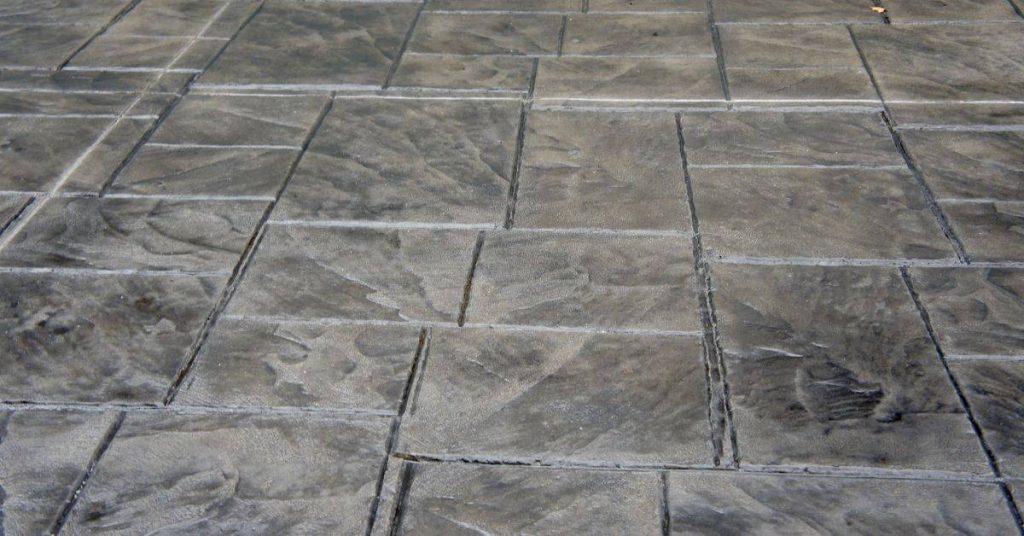
Stamped concrete patio surface with rectangular patterns

Deck Coatings Over Concrete: Urethane Traffic Coatings vs Acrylic Systems

Introduction Urethane traffic coatings and acrylic systems are two common deck coatings for concrete that you apply to protect and beautify a surface. This article gives a plain‑language look at how each one works and what to expect from applying them. Areas we support cover common concrete decks and patios in residential settings. For questions

Deck Coatings Over Concrete: Urethane Traffic Coatings vs Acrylic Systems Read More »

Concrete pour with exposed rebar in metal formwork

Repairing Spalls With Exposed Rebar: Cleaning Standards, Priming Steel, and Patch Layering

Introduction Repairing spalls with exposed rebar means patching concrete where the surface has chipped away and rebar is visible. Before you dig in, determine if the area can be saved or needs replacement, and plan for proper bonding between old concrete and the patch. Decide on a bonding method based on the site and materials,

Repairing Spalls With Exposed Rebar: Cleaning Standards, Priming Steel, and Patch Layering Read More »

Concrete driveway ramp with textured surface and striped sides

Concrete Moisture Mapping With RH Probes vs Handheld Meters: Choosing the Right Method

Introduction RH probes map moisture in concrete by measuring relative humidity within the slab and comparing it to a calibrated standard. They assess moisture deeper in the concrete rather than just the surface, giving a more complete picture for decisions on finishing or coatings. This article will compare that approach with handheld meters in plain,

Concrete Moisture Mapping With RH Probes vs Handheld Meters: Choosing the Right Method Read More »

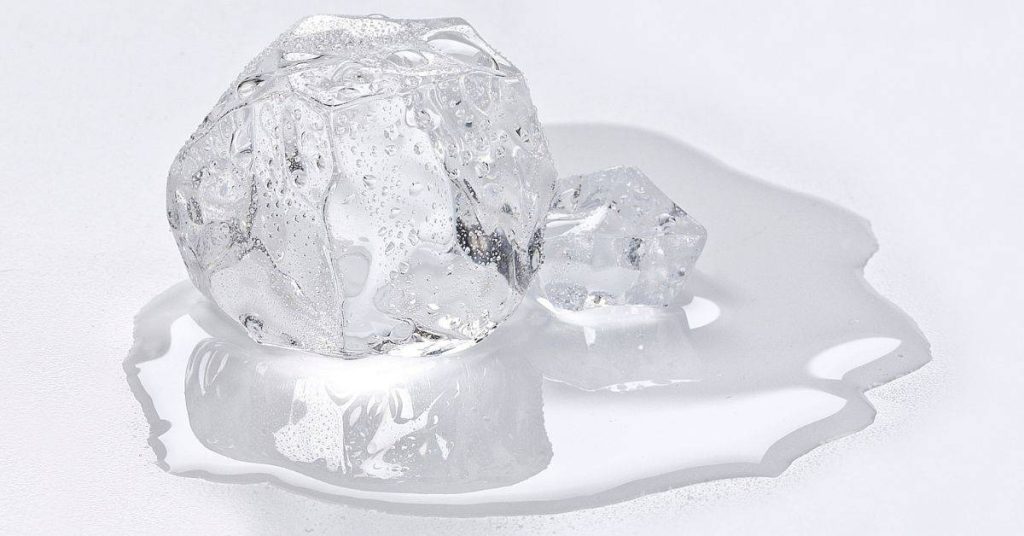
Melting ice cubes with water pool on white surface

Concrete Laitance: How to Identify It and Remove It Before Coatings Fail

Introduction Laitance is a thin, weak surface layer of cement and fines on concrete that can ruin coatings if it isn’t removed. It often feels powdery or dusty and looks lighter or different from the surrounding concrete. If you leave laitance, coatings can fail early and moisture or dirt may trap under the finish. Removal

Concrete Laitance: How to Identify It and Remove It Before Coatings Fail Read More »

Workers pouring wet concrete into a wooden form

Pouring Concrete in Two Lifts: How to avoid a weak plane between pours

Introduction Pouring concrete in two lifts means placing the slab in two separate sessions to build up thickness while ensuring a solid joint. Work carefully so the second lift bonds to the first without forming a weak plane. Keep the site organized and follow the manufacturer’s guidance for timing and preparation. The key is proper

Pouring Concrete in Two Lifts: How to avoid a weak plane between pours Read More »

Gray concrete slabs with visible cracks on surface

Cracks Showing Through Overlays: How to stop telegraphing before it starts

Introduction Telegraphing cracks happen when hairline cracks in an underlying slab show through a new overlay. That visible pattern warns you the topping isn’t masking or bonding well. In this article you’ll learn how to spot causes and fix before you lay down a new surface. Before you pour or apply an overlay, check the

Cracks Showing Through Overlays: How to stop telegraphing before it starts Read More »

Two red concrete pump booms reaching upward

Removing Old Acrylic Sealer: Best stripping methods that don’t scar concrete

Introduction Removing old acrylic sealer means stripping the old finish from the concrete surface without gouging it. This DIY guide walks you through practical methods, safety steps, and what to check on product labels. Start by cleaning the area and choosing a method that fits your concrete and sealer type. Follow product instructions and local

Removing Old Acrylic Sealer: Best stripping methods that don’t scar concrete Read More »