Search Results for: sealer

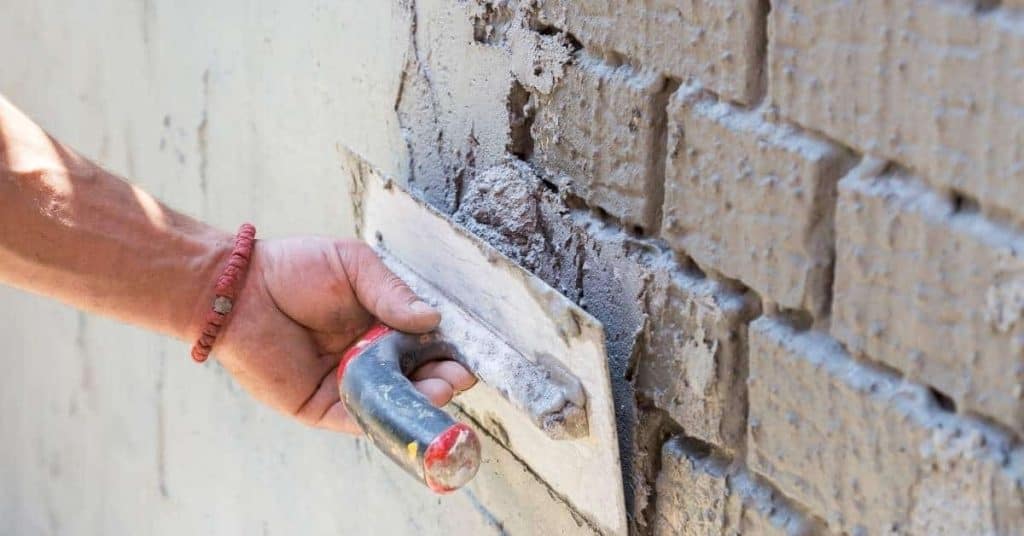
Hand applying textured plaster on wall with trowel

Marmorino Lime Plaster Finish: Step-by-Step to a Soft Stone Look (Beginner Friendly)

Introduction Marmorino lime plaster is a traditional decorative plaster that creates a soft, stone-like finish. This article walks beginners through the basics, from materials to technique, in plain language. You’ll learn what to check on product labels and manufacturer instructions before you start. Expect a hands-on, step-by-step method you can adapt to walls you already […]

Marmorino Lime Plaster Finish: Step-by-Step to a Soft Stone Look (Beginner Friendly) Read More »

Hand smoothing plaster on wall with trowel

Tadelakt for DIY Bathrooms: Surface Prep, Burnishing, and Waxing Without Failure

Introduction Tadelakt is a traditional lime plaster finish used on bathrooms, finished with burnishing and wax to create a smooth, water-resistant surface. This article walks you through surface prep, burnishing, and waxing with practical, hands-on steps. I’ll keep it plain-language and honest about what to check before you start. Prep the surface clean, sound, and

Tadelakt for DIY Bathrooms: Surface Prep, Burnishing, and Waxing Without Failure Read More »

Hands holding brown color paint swatches over building plans

DIY Stucco Paint Selection by Climate: Hot/Humid vs. Freeze/Thaw vs. Coastal Salt

Introduction DIY stucco paint selection by climate means choosing paints and finishes that tolerate hot and humid, freeze/thaw, or coastal salt conditions. Your climate dictates how well coatings bond, dry, and resist cracking. Think of it as matching the product to your weather and exposure. Start by checking the label for moisture tolerance, temperature range,

DIY Stucco Paint Selection by Climate: Hot/Humid vs. Freeze/Thaw vs. Coastal Salt Read More »

Exterior stucco wall with scaffolding and windows

Hairline Stucco Cracks Over Framing: When It’s Normal Movement vs. a Missing Joint

Introduction Hairline stucco cracks over framing are small, common movement cracks at the edges where the wall framing meets the exterior skin. They happen as the house settles, dries, or seasons change. Usually they’re cosmetic, but it helps to keep an eye on them and assess what caused them. If a crack follows a straight

Hairline Stucco Cracks Over Framing: When It’s Normal Movement vs. a Missing Joint Read More »

Stucco wall with peeling revealing concrete underneath

Efflorescence on Stucco After Rain: What It Indicates and Gentle Removal Methods

Introduction Efflorescence is a white, powdery salt deposit that shows up on stucco after rain. It means moisture is moving through the wall and carrying soluble salts to the surface. This is common after wet weather and is not mold, though it points to moisture behind the veneer. To remove it gently, start with a

Efflorescence on Stucco After Rain: What It Indicates and Gentle Removal Methods Read More »

Hand holding a rusty trowel on a stucco surface

Diagnosing ‘Soft’ Stucco: Simple Probing Tests to Separate Surface Erosion From Lath Failure

Introduction Diagnosing soft stucco means using simple probing to tell if the issue is surface erosion or actual lath failure. This hands-on approach helps you identify trouble without tearing the whole wall apart. You’ll base any next steps on what the probe reveals about attachment and depth. Start with gentle, vertical and horizontal probing at

Diagnosing ‘Soft’ Stucco: Simple Probing Tests to Separate Surface Erosion From Lath Failure Read More »

Exterior stucco wall with fresh dark patch above basement window

DIY Stucco Patch Color Matching: Making Test Tiles and Accounting for Cure Darkening

Introduction DIY stucco patch color matching means creating small test tiles to compare color before applying a patch, then adjust for curing changes. You’ll mix a small batch, apply it to a sample board or patch, and let it cure in the same conditions as the repair. Compare the dried tile to nearby surfaces and

DIY Stucco Patch Color Matching: Making Test Tiles and Accounting for Cure Darkening Read More »

Exterior stucco wall with fresh dark patch above basement window

Stucco at Grade: Fixing a Wall That’s Too Close to Soil Without Tearing Everything Off

Introduction When stucco sits too close to soil, it traps moisture and can lead to damage over time. This article explains a practical way to fix it without tearing everything off. You’ll look for a small gap, proper flashing, and a plan to widen the clearance as needed. Start by inspecting for contact points and

Stucco at Grade: Fixing a Wall That’s Too Close to Soil Without Tearing Everything Off Read More »

Concrete slab with nine small drilled drainage holes

Core Drilling Small Holes in Concrete: Water Control, Bit Choices, and Patch Strategy

Introduction Core drilling small holes in concrete means using a core drill to bore precise holes and manage water for clean cuts. Water control is about keeping the dust down and cooling the drill, so use a steady water feed or a flood guard. Choose a bit size and type that matches the hole you

Core Drilling Small Holes in Concrete: Water Control, Bit Choices, and Patch Strategy Read More »

Closeup of spider crack on rough concrete surface

DIY Concrete Waterproofing on the Inside: When It Works and When It’s a Trap

Introduction DIY concrete waterproofing on the inside is applying moisture barriers and sealants to interior concrete surfaces to keep dampness at bay. It helps when intrusion comes through cracks, porous walls, or hydrostatic pressure, but it isn’t a substitute for good exterior drainage. We’ll walk through identifying water sources and choosing practical interior steps for

DIY Concrete Waterproofing on the Inside: When It Works and When It’s a Trap Read More »