Search Results for: sealer

Freshly poured concrete floor inside a building

Why New Concrete Gets Soft Spots: Bleed Water, Overworking, and Local Fixes

Introduction Soft spots in new concrete are areas where the surface feels mushy or weak while it cures. They commonly form when extra bleed water rises to the surface or when the mix is overworked during finishing. Identifying the cause helps you choose the right fix and prevent this from reoccurring. Watch for shiny patches, […]

Why New Concrete Gets Soft Spots: Bleed Water, Overworking, and Local Fixes Read More »

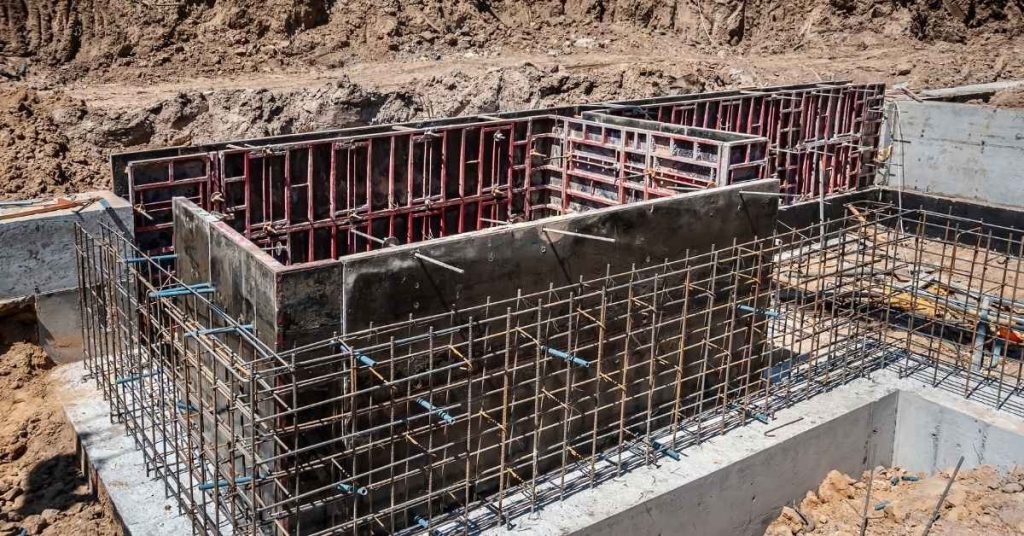
Concrete wall formwork with bracing supports at construction site

How to Fix Concrete That Starts Dusting Early: Curing Mistakes and Densifier Options

Introduction Dusting concrete early means the surface is wearing away, leaving a chalky film. It often comes from curing mistakes that kept the slab too dry or too wet during early hardening. This basic guide covers how to spot it and what you can do next. Densifiers and similar surface hardeners can help bind the

How to Fix Concrete That Starts Dusting Early: Curing Mistakes and Densifier Options Read More »

Concrete driveway slab with visible discoloration and stains

Why Thin Concrete Warps: Moisture Gradients, Reinforcement, and Better Curing Setups

Introduction Thin concrete warps when uneven moisture and temperature pull the slab in different directions. Moisture gradients and the way the mix dries out interact with the slab’s thin profile to cause bowing. Reinforcement and curing setup can worsen or help the effect depending on how evenly things stay throughout the cure. To keep things

Why Thin Concrete Warps: Moisture Gradients, Reinforcement, and Better Curing Setups Read More »

Hand tools including scissors pliers screwdrivers tape measure and level

Hand Edger Radius Guide: Picking 1/8″, 1/4″, 3/8″ Edges for Durability vs Looks

Introduction A hand edger radius guide helps you pick edge profiles around 1/8″, 1/4″, or 3/8″ to shape exposed concrete edges. The choice affects durability and how clean or decorative the edge will look. Always check the product label, manufacturer instructions, and local rules to confirm what radius is allowed for your project. To use

Hand Edger Radius Guide: Picking 1/8″, 1/4″, 3/8″ Edges for Durability vs Looks Read More »

Close-up of broken concrete pieces and aggregate rubble

Why Concrete Chips at Control Joints: Sawcut Timing, Aggregate, and Edge Protection

Introduction Concrete chips at control joints happen when sawcuts are not timed with the curing stage and edge protection isn’t maintained. In practice, the cut should occur when the slab has enough strength but before random cracks form. If you rush or delay, you can end up with chipped edges and uneven joints. Timing is

Why Concrete Chips at Control Joints: Sawcut Timing, Aggregate, and Edge Protection Read More »

Black spiked roller on smooth concrete floor

Resealing Only Traffic Lanes: Avoiding Roller Bands and Gloss Differences

Introduction Resealing only traffic lanes means applying a seal coating to just the lane surfaces to protect them and restore color, without sealing adjoining areas. Do the prep, mask the edges, and keep the sealer off markings and shoulder while you work. Check the product label for surface prep steps, cure time, and any local

Resealing Only Traffic Lanes: Avoiding Roller Bands and Gloss Differences Read More »

Worker in safety gear handling rusty rebar on construction site

Cleaning Rebar for Small Repairs: When Wire-Brushing Is Enough and When It Isn’t

Introduction Wire-brushing rebar is a surface cleaning method used to remove loose rust and scale from small repair bars before patching. It can be enough when the rust is light and the bar is still solid, with clean steel showing through. Check that the metal is not deeply pitted or flaky; if it is, further

Cleaning Rebar for Small Repairs: When Wire-Brushing Is Enough and When It Isn’t Read More »

Person painting white window sill with brush

Stucco Hairline Cracking After Painting: Film Thickness, Moisture, and How to Diagnose

Introduction Hairline cracks in painted stucco are tiny, visible splits in the finish that appear after you paint. The issue often comes from how thick the paint film is, moisture effects, or the way the substrate moved over time. To diagnose, look for patterns, damp spots, or soft areas that suggest moisture trouble, and note

Stucco Hairline Cracking After Painting: Film Thickness, Moisture, and How to Diagnose Read More »

Paint roller applying white paint on wall surface

How to Paint Concrete Block Without Trapping Moisture: Breathability vs Washability

Introduction Painting concrete block should let moisture escape while protecting the surface. That balance is breathability vs washability, not just color. You’ll need guidance from labels and local rules. Start by cleaning and inspecting for cracks, then plan a breathable, washable finish. Check product labels for vapor permeability and washability, and follow manufacturer instructions. If

How to Paint Concrete Block Without Trapping Moisture: Breathability vs Washability Read More »

Paintbrush applying dark varnish to wooden plank

Coating Over Damp Wood Near Concrete: Why Blisters Form and Better Breathable Systems

Introduction Blisters form when moisture underneath the coating pushes through and splits the film over damp wood near concrete. You’ll see raised bubbles or pockets as the coating tries to cure in a wet, alkaline environment. Work is risky if you skip drying and proper surface prep. Look for breathable coating options and follow proper

Coating Over Damp Wood Near Concrete: Why Blisters Form and Better Breathable Systems Read More »