Search Results for: sealer

Person spraying stucco mixture onto a wall

How to Fix a Stucco Patch That Dries Too Fast: Pre-Wetting and Cure Mist Schedules

Introduction Pre-wetting and cure mist schedules help control how fast a stucco patch dries. This simple approach keeps the patch workable and reduces cracking. Set up a light dampening routine and watch for a smooth, even surface as you work. Common causes of rapid drying are sun exposure, wind, and heat on the patch area. […]

How to Fix a Stucco Patch That Dries Too Fast: Pre-Wetting and Cure Mist Schedules Read More »

Concrete driveway with brick border and straight control joints

Concrete Fountain Leaks: Pinholes, Cold Joints, and Repair Options That Hold Water

Introduction Concrete fountain leaks happen when tiny holes or seams let water escape. Common causes are pinholes and cold joints that form gaps as concrete cures and settles. If you notice damp spots, dripping, or a steady seep near joints, that signals a leak to investigate. To fix it, you’ll seal pinholes and address cold

Concrete Fountain Leaks: Pinholes, Cold Joints, and Repair Options That Hold Water Read More »

Stack of gray concrete cinder blocks under blue sky

Concrete Planter Drain Holes: Placement, Wicking Risk, and Waterproofing Details

Introduction Concrete planter drainage holes are openings made in the sides or bottom to let excess water escape and keep soil from becoming waterlogged. Place them where excess water can drain freely and where roots won’t be damaged, keeping an eye on their placement relative to the planter edge. Too little drainage can cause waterlogging

Concrete Planter Drain Holes: Placement, Wicking Risk, and Waterproofing Details Read More »

Corded angle grinder lying on dusty concrete floor

How to Avoid Grinder ‘Swirl Marks’: Technique, Tool Path, and When to Cross-Hatch

Introduction Grinder swirl marks are fine scratches left by abrasive motion, and you avoid them with the right technique. Choose the right grinder and disk for the wood task, keep the surface clean, and maintain steady, even pressure. Work in small, overlapping passes and check your progress often before moving to a finer abrasive. Use

How to Avoid Grinder ‘Swirl Marks’: Technique, Tool Path, and When to Cross-Hatch Read More »

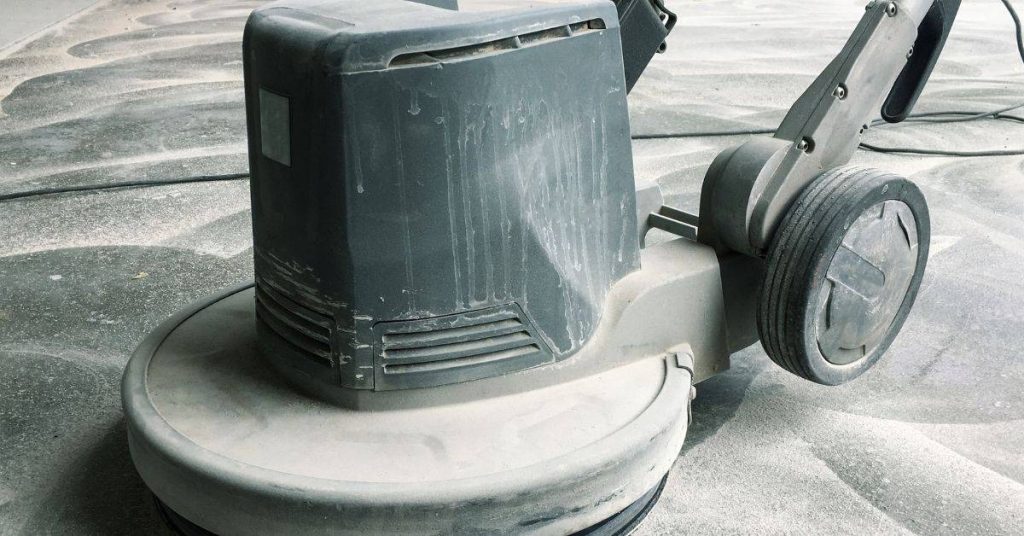
Concrete floor grinder machine working on concrete surface

Concrete Grinding Grit Guide: What 16, 30, 60, 120 Actually Do to a Surface

Introduction Grinding concrete with grit sizes is how you condition the surface by progressively removing roughness and shallow imperfections. In practice, coarser grits like 16 and 30 remove material quickly, while finer grits such as 60 and 120 smooth and refine the finish. Start with a surface assessment and plan the steps based on your

Concrete Grinding Grit Guide: What 16, 30, 60, 120 Actually Do to a Surface Read More »

Concrete formwork with steel rebar reinforcement at construction site

Concrete Accelerator for DIY: Picking Non-Chloride Types and Avoiding Soft Surfaces

Introduction A concrete accelerator is an additive that speeds up the setting and hardening of concrete without relying on chlorides. For DIY use, look for non-chloride formulations and read the label to confirm compatibility with your mix and any additives you plan to use. Always follow manufacturer instructions and check local rules if you plan

Concrete Accelerator for DIY: Picking Non-Chloride Types and Avoiding Soft Surfaces Read More »

Close-up of rough concrete wall with wood formboard texture

Concrete That Looks Mottled After Sealing: Moisture Trap vs Uneven Absorption

Introduction Mottled concrete after sealing is uneven color that shows up on the surface due to moisture movement or uneven absorption. This isn’t a failure of the seal alone—it’s how the color beneath the seal reacts to the moisture levels in the slab. In plain terms, small differences in how the concrete absorbed the mix

Concrete That Looks Mottled After Sealing: Moisture Trap vs Uneven Absorption Read More »

Worker smoothing wet concrete with rake near pouring excavator

Concrete Discoloration From Plastic Curing: Preventing ‘Tarp Lines’ and Blotches

Introduction Concrete discoloration from plastic curing happens when the surface dries unevenly under plastic sheeting, creating lighter and darker patches. Tarp lines and blotches form where edges or wrinkles trap moisture or restrict evaporation. That’s a common DIY issue when you want a smooth, uniform finish without waiting longer. To prevent it, lay the plastic

Concrete Discoloration From Plastic Curing: Preventing ‘Tarp Lines’ and Blotches Read More »

Concrete floor with large water puddle near wall

Concrete Dark Spots After Cure: Water, Curing Plastic, or Contamination—How to Tell

Introduction Dark spots on cured concrete usually indicate moisture issues, improper curing, or contamination. This article will help you tell which cause is at play and what to check on a DIY jobsite. We’ll cover practical signs to look for and simple checks you can do with common tools. Curing methods include keeping moisture with

Concrete Dark Spots After Cure: Water, Curing Plastic, or Contamination—How to Tell Read More »