Search Results for: sanding plaster

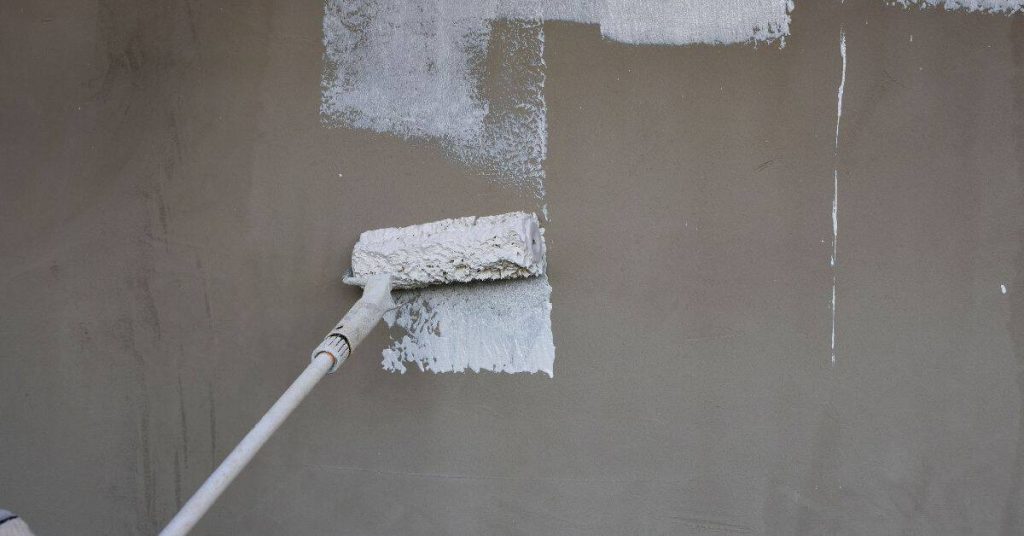
Paint roller applying white paint on brown stucco wall

Elastomeric Paint Over Hard Coat Stucco: When It Bridges Cracks and When It Blisters

Introduction Elastomeric paint over hard coat stucco is a flexible coating designed to bridge small cracks in the surface. It can improve weather resistance but may blister if the surface is dirty, damp, or improperly prepped. Proper prep and careful application are essential to a durable coat. Preparation and proper application are key to avoiding […]

Elastomeric Paint Over Hard Coat Stucco: When It Bridges Cracks and When It Blisters Read More »

Paint roller covered in white paint dripping into paint can

Roller Lint in Paint: How to Pre-Wash Rollers and Stop Fuzz in the Finish

Introduction Pre-washing rollers removes loose fibers and lint to improve the finish. Before you load paint, rinse the roller with clean water or a recommended solvent, then spin or squeeze out the moisture and let it dry before use. Lint and fuzz usually come from new rollers, rough surfaces, or poor storage, so check the

Roller Lint in Paint: How to Pre-Wash Rollers and Stop Fuzz in the Finish Read More »

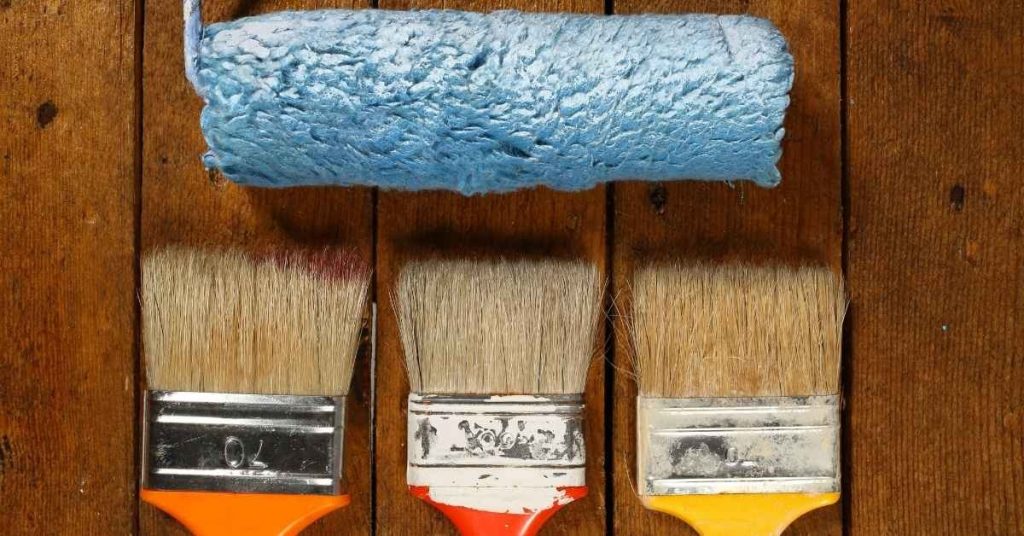
Three paintbrushes and one paint roller on wooden surface

Fixing Paint that ‘Alligators’: Causes, Patch Strategy, and When to Strip

Introduction Alligatoring is when cracked, ridged paint film looks like alligator skin. It happens when the top layer loses flexibility and the underlayer shows through. This tells you that the surface needs attention beyond a quick touch-up. A practical plan is to assess the damage, remove loose paint, and decide whether you can patch or

Fixing Paint that ‘Alligators’: Causes, Patch Strategy, and When to Strip Read More »

White electrical outlet on a painted white wall

Limewash Over Previously Painted Walls: What Prep Makes It Stick (and What Doesn’t)

Introduction Limewash can be applied over previously painted walls with proper prep to let it stick. Start by cleaning and inspecting the surface, scraping off loose paint, and washing until it’s clean and dry. Then follow the product label directions and any local rules for bonding or priming as needed. In practice, the beginners’ approach

Limewash Over Previously Painted Walls: What Prep Makes It Stick (and What Doesn’t) Read More »

Hand applying white plaster with metal putty knife

Lime Putty Storage and Aging: What ‘Mature’ Lime Changes in Workability and Strength

Introduction Aging lime putty changes its workability and strength with time. Store it in breathable containers and keep it from direct moisture and temperature swings. In practice, older lime can feel different to work with than fresh material; check the manufacturer’s storage guidance for specifics. What you notice in the mix tells you how mature

Lime Putty Storage and Aging: What ‘Mature’ Lime Changes in Workability and Strength Read More »

Empty room with large windows and polished concrete floor

Salt-and-Pepper Polished Concrete: Achieving a Consistent Exposure Without Over-Grinding Edges

Introduction Salt-and-pepper polished concrete is a finish created by exposing a small, random mix of aggregate to produce a speckled, even look. The goal is to achieve a consistent exposure across the slab without carving too deep at edges. This approach keeps the surface looking uniform and practical for DIY applications. Edge finishing matters because

Salt-and-Pepper Polished Concrete: Achieving a Consistent Exposure Without Over-Grinding Edges Read More »

paint brush lying on concrete floor partially painted red tiles

Concrete Surface Contamination Tests: Oil, Silicone, Curing Compound, and Why Water Bead Tests Mislead

Introduction Concrete surface contamination tests tell you whether a surface is clean enough for bonding by revealing any residual oils, silicones, or waxes. For epoxy or other adhesives, you must verify cleanliness requirements with the product label and local rules, because expectations vary. If unsure, follow a basic check: a dry, dust-free feel and a

Concrete Surface Contamination Tests: Oil, Silicone, Curing Compound, and Why Water Bead Tests Mislead Read More »

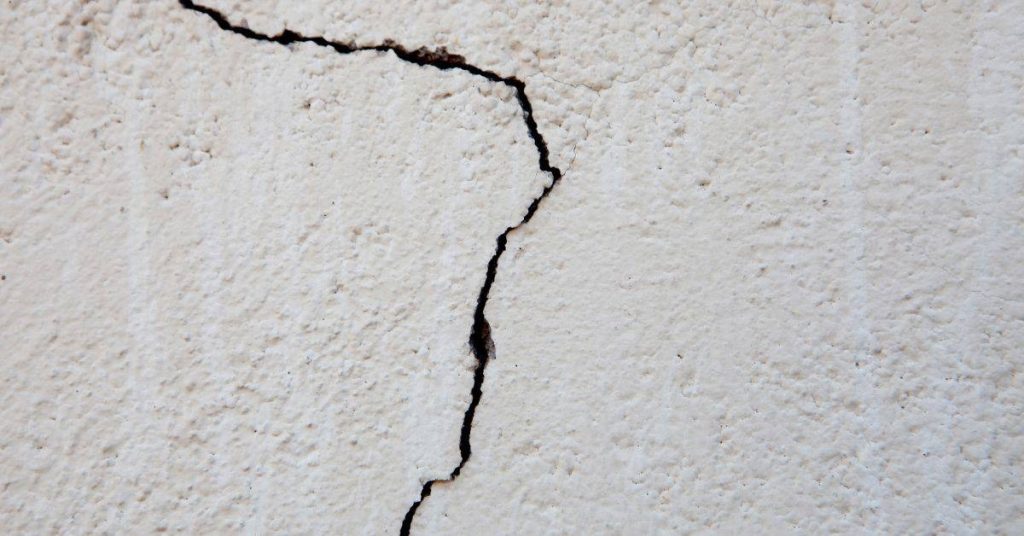
Closeup of cracked white stucco wall texture

Stucco Patch Color Matching: Avoiding halos and obvious repair rings

Introduction Color matching stucco patches means blending the new patch with the existing wall so it looks seamless. Start by inspecting the surface, note the shade under natural light, and compare small test spots. Plan to mix from the same material and apply in thin layers to avoid halos. Feather the edges and apply thin,

Stucco Patch Color Matching: Avoiding halos and obvious repair rings Read More »

Close-up of wrinkled burlap fabric texture in natural brown color

Stucco Patch Blending: Matching texture so it doesn’t flash in sunlight

Introduction Stucco patch blending is the process of making a new patch texture match the existing wall so it doesn’t flash in sunlight. Keep the goal simple: blend edges, lay color or texture subtly, and avoid obvious patches. Work in small, incremental steps and compare under the sun as you go. Check the patch material

Stucco Patch Blending: Matching texture so it doesn’t flash in sunlight Read More »

Concrete surface with small holes and surface pitting

Hairline Cracks in Countertops: Repair methods that don’t leave lines

Introduction Hairline cracks in countertops are tiny, surface-level fractures that often appear in concrete or stone slabs. They can be caused by shrinkage, temperature changes, or minor impacts during curing and use. Polishing can sometimes reveal hidden flaws, so assess the whole slab before deciding how to fix it. For repair, choose materials designed for

Hairline Cracks in Countertops: Repair methods that don’t leave lines Read More »