Search Results for: rebar

Rows of concrete blocks with metal anchor bolts embedded

Concrete Anchor Pullout: Hole Cleaning Levels That Actually Change Strength

Introduction Hole cleaning level refers to how clean the hole is before you install the anchor and that cleanliness can influence pullout strength. Different anchor types require different cleaning steps, and following the manufacturer’s instructions matters. In practice, I check for dust and debris, brush or air-blow the hole, and wipe it out until the […]

Concrete Anchor Pullout: Hole Cleaning Levels That Actually Change Strength Read More »

Concrete formwork with steel rebar reinforcement at construction site

Concrete Accelerator for DIY: Picking Non-Chloride Types and Avoiding Soft Surfaces

Introduction A concrete accelerator is an additive that speeds up the setting and hardening of concrete without relying on chlorides. For DIY use, look for non-chloride formulations and read the label to confirm compatibility with your mix and any additives you plan to use. Always follow manufacturer instructions and check local rules if you plan

Concrete Accelerator for DIY: Picking Non-Chloride Types and Avoiding Soft Surfaces Read More »

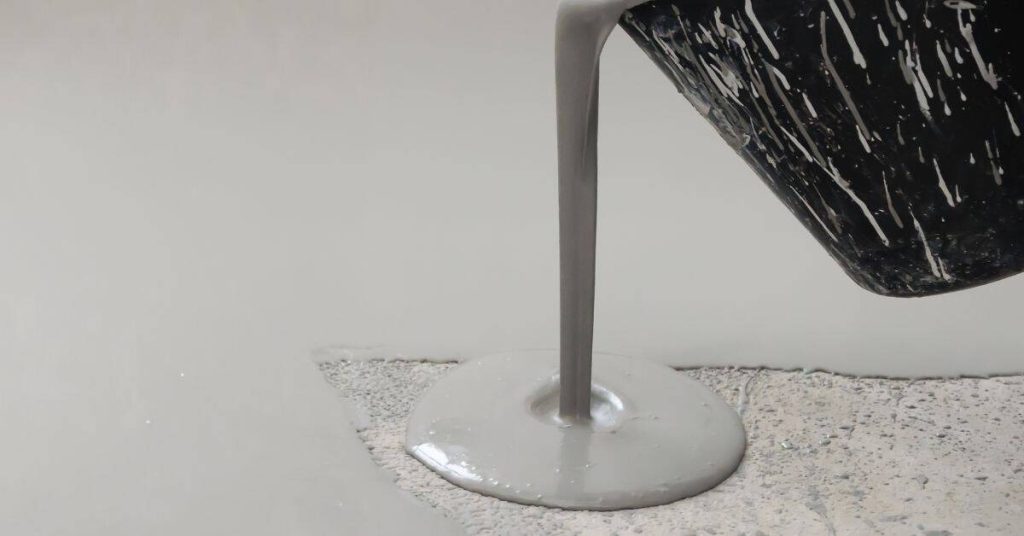
Freshly poured concrete floor inside a building

Why New Concrete Gets Soft Spots: Bleed Water, Overworking, and Local Fixes

Introduction Soft spots in new concrete are areas where the surface feels mushy or weak while it cures. They commonly form when extra bleed water rises to the surface or when the mix is overworked during finishing. Identifying the cause helps you choose the right fix and prevent this from reoccurring. Watch for shiny patches,

Why New Concrete Gets Soft Spots: Bleed Water, Overworking, and Local Fixes Read More »

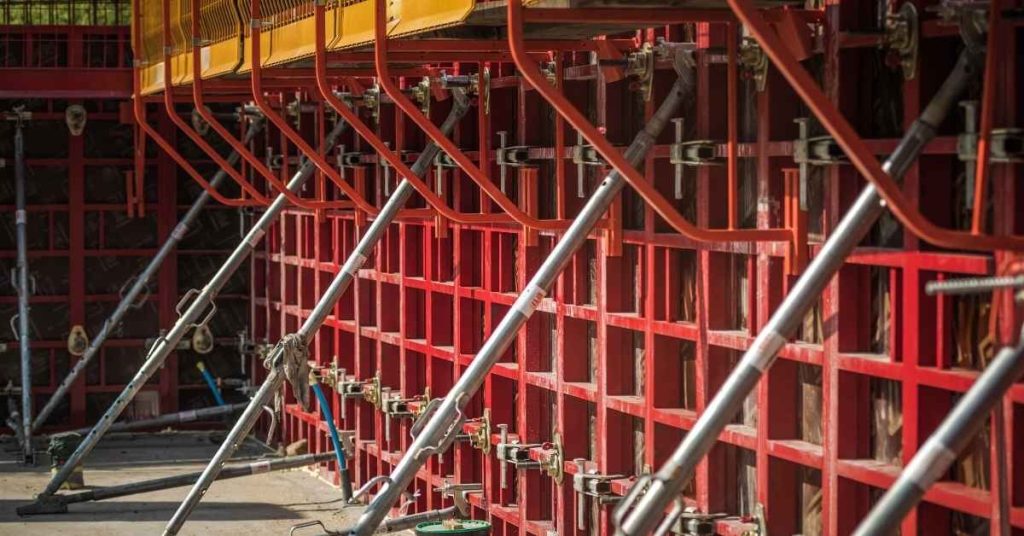
Concrete wall formwork with bracing supports at construction site

How to Fix Concrete That Starts Dusting Early: Curing Mistakes and Densifier Options

Introduction Dusting concrete early means the surface is wearing away, leaving a chalky film. It often comes from curing mistakes that kept the slab too dry or too wet during early hardening. This basic guide covers how to spot it and what you can do next. Densifiers and similar surface hardeners can help bind the

How to Fix Concrete That Starts Dusting Early: Curing Mistakes and Densifier Options Read More »

Concrete driveway slab with visible discoloration and stains

Why Thin Concrete Warps: Moisture Gradients, Reinforcement, and Better Curing Setups

Introduction Thin concrete warps when uneven moisture and temperature pull the slab in different directions. Moisture gradients and the way the mix dries out interact with the slab’s thin profile to cause bowing. Reinforcement and curing setup can worsen or help the effect depending on how evenly things stay throughout the cure. To keep things

Why Thin Concrete Warps: Moisture Gradients, Reinforcement, and Better Curing Setups Read More »

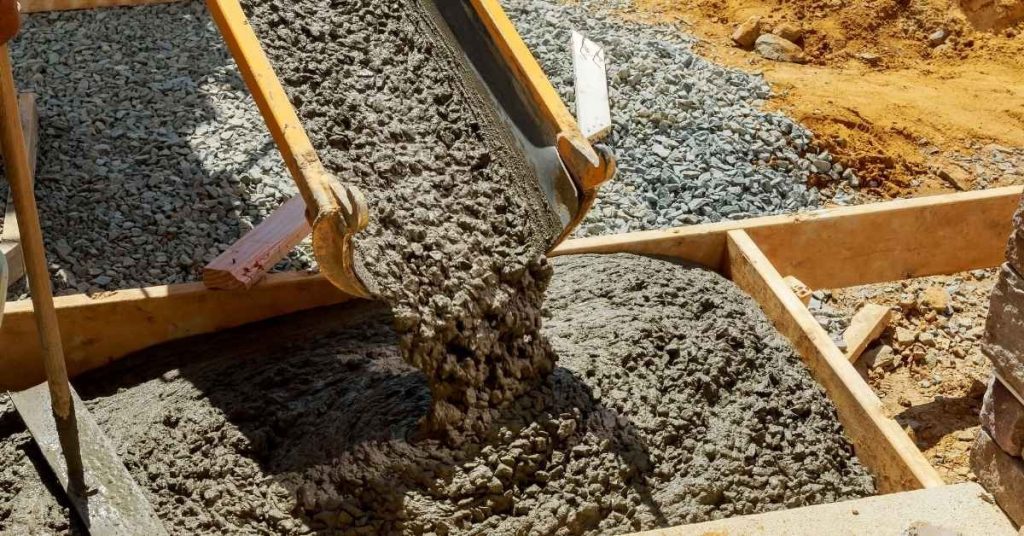
Fresh concrete poured into supported wooden forms outdoors

How to Strip Forms Without Breaking Corners: Release Timing and Support Tricks

Introduction Stripping forms without breaking corners means releasing the form panels at the right time and with proper support so the edges stay sharp. This article gives practical, hands-on tips for homeowners doing a small project. Use the right sequence, supports, and careful tool handling to minimize corner damage. Release timing depends on cure progress

How to Strip Forms Without Breaking Corners: Release Timing and Support Tricks Read More »

Concrete pouring into wooden formwork on construction site

Concrete Form Blowouts on DIY Forms: Bracing Patterns That Resist Wet Pressure

Introduction Concrete form blowouts occur when the wet concrete pressure pushes on the forms and they fail or bow. It happens when the form panels bow or kick out under load. If you see gaps or misalignment after a test lift, pause and inspect braces and joints. Use bracing patterns that keep panels square and

Concrete Form Blowouts on DIY Forms: Bracing Patterns That Resist Wet Pressure Read More »

Hand tools including scissors pliers screwdrivers tape measure and level

Hand Edger Radius Guide: Picking 1/8″, 1/4″, 3/8″ Edges for Durability vs Looks

Introduction A hand edger radius guide helps you pick edge profiles around 1/8″, 1/4″, or 3/8″ to shape exposed concrete edges. The choice affects durability and how clean or decorative the edge will look. Always check the product label, manufacturer instructions, and local rules to confirm what radius is allowed for your project. To use

Hand Edger Radius Guide: Picking 1/8″, 1/4″, 3/8″ Edges for Durability vs Looks Read More »