Search Results for: rebar

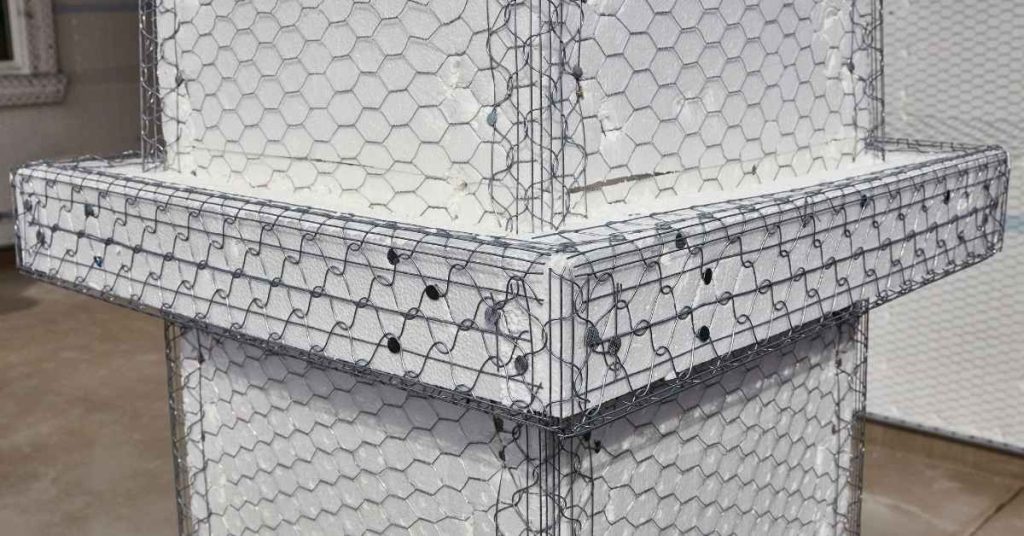
Wire lath attached over foam insulation at inside corner

Inside-Corner Stucco Cracks: Reinforcement That Works Without Bulking

Introduction Inside-corner stucco crack reinforcement is a way to strengthen the joint without making it bulky. It focuses on tying the corner back together and borrowing the surrounding material’s strength so the crack doesn’t widen. Check local guidelines and product instructions to choose a method that fits your wall and climate. Different stucco types and […]

Inside-Corner Stucco Cracks: Reinforcement That Works Without Bulking Read More »

Empty painted concrete pool shell near rocky coastline

Grouting Concrete Block Cells Successfully: Mix, Lift Heights, and Blowout Prevention

Introduction Grouting concrete block cells means filling the hollow cores with a cement-based mix to bond the wall. Do it after laying block when the mortar joints have set enough to hold but before finishing. Check manufacturer guidance and local codes for your mix and curing. Key takeaways Choose grout type based on block voids,

Grouting Concrete Block Cells Successfully: Mix, Lift Heights, and Blowout Prevention Read More »

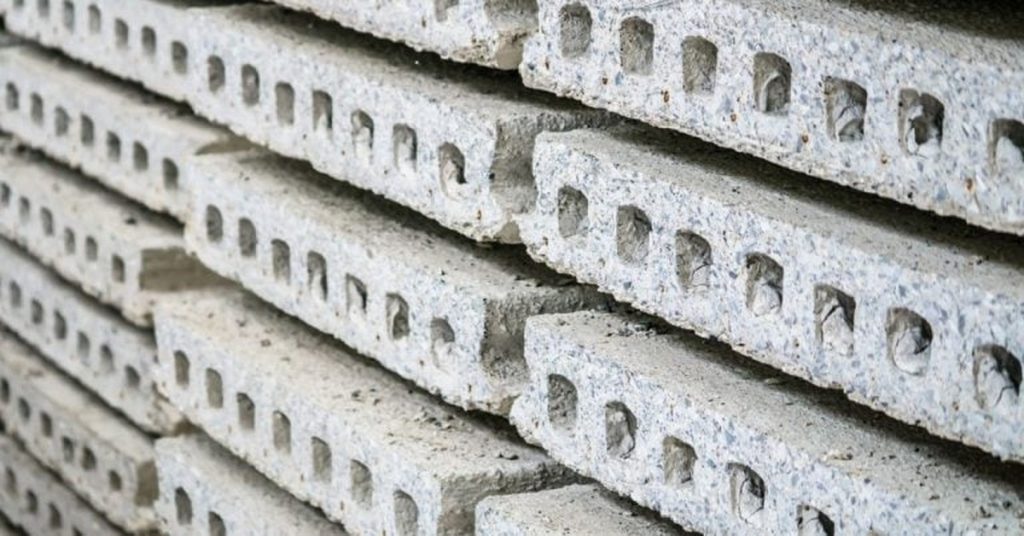
Stacked hollow core concrete slabs with rectangular voids

Anchoring Into Hollow vs Grouted Concrete Block: Fastener Picks and Pullout Reality

Introduction Anchoring into hollow vs grouted concrete block means picking fasteners and installation methods based on whether the block cavity is hollow or filled with grout. In practice, you’ll need different anchors and installation approaches for hollow blocks versus solid, grouted blocks. Always check product labels and manufacturer instructions for proper use, load guidance, and

Anchoring Into Hollow vs Grouted Concrete Block: Fastener Picks and Pullout Reality Read More »

Worker applying plaster to wall with trowel

Smoothing Interior Concrete Block Walls: Skim Coats, Bonding, and Moisture Concerns

Introduction Smoothing interior concrete block walls means applying a skim coat to create a flat, paint-ready surface. It’s a light, even layer that fills small voids and helps the wall accept finish coats. The key is good bonding and proper moisture handling before you start. Lean on simple steps: clean and rough up the surface,

Smoothing Interior Concrete Block Walls: Skim Coats, Bonding, and Moisture Concerns Read More »

Close-up of a rough gray concrete surface

Concrete Block Retaining Walls for DIY: Drainage Rock, Fabric, and Failure Warning Signs

Introduction A concrete block retaining wall is a simple, built-up wall made from durable blocks that holds back soil. For DIY installations, drainage rock behind the wall and landscape fabric help water escape and keep pressure in check. Always read product labels and manufacturer instructions, and follow local rules for materials and installation where applicable.

Concrete Block Retaining Walls for DIY: Drainage Rock, Fabric, and Failure Warning Signs Read More »

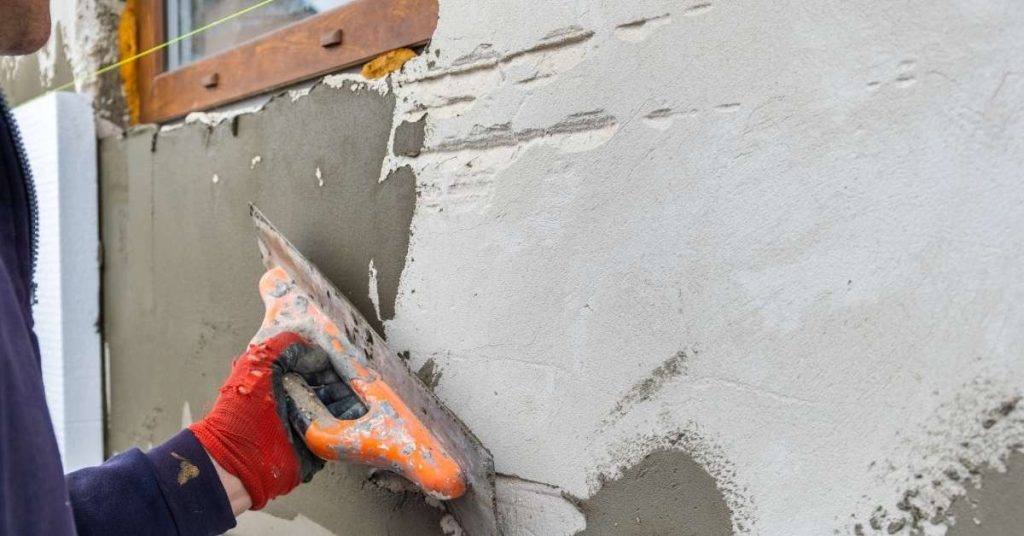
Person applying stucco to exterior wall with trowel

How Thick Is Your Stucco? Measuring Without Full Demo (and Patching Cleanly)

Introduction Measuring stucco thickness without full demolition means estimating how thick the outer layer sits on the wall. In plain terms, you’re looking for clues you can verify without tearing the surface apart. Use simple tools and a careful approach to avoid creating new cracks or exposing the substrate. Tools you can rely on include

How Thick Is Your Stucco? Measuring Without Full Demo (and Patching Cleanly) Read More »

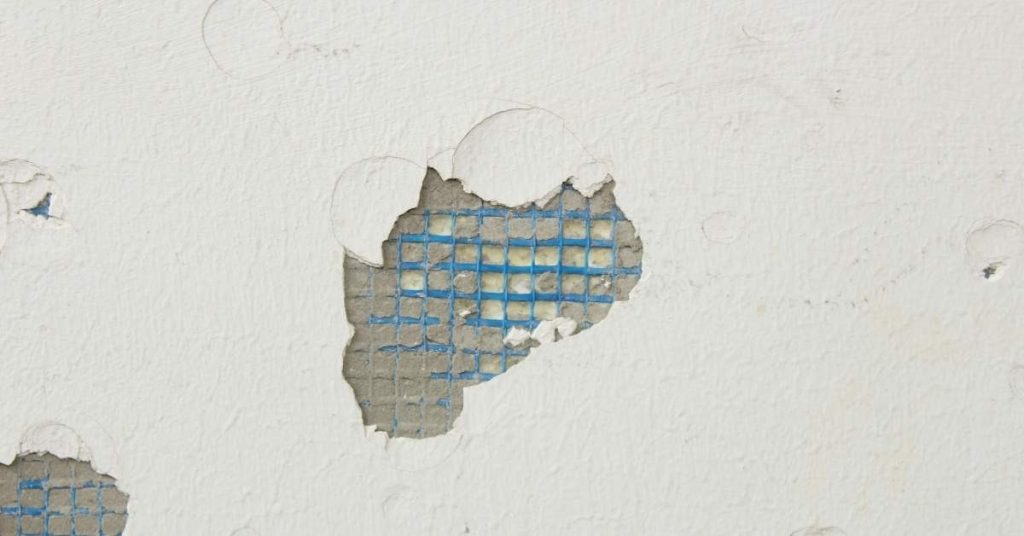
White stucco wall with damaged areas showing blue reinforcing mesh

Damaged Stucco Control Joints: When to Reseal and When to Replace the Accessory

Introduction Damaged stucco control joints require resealing or replacement to restore movement control and weather sealing. Look for cracks, loose edges, out-of-plane movement, or water staining that indicate the joint has been compromised. Carefully tape off surrounding surfaces, inspect behind the joint, and note whether the substrate shows movement or spalling before choosing a repair

Damaged Stucco Control Joints: When to Reseal and When to Replace the Accessory Read More »

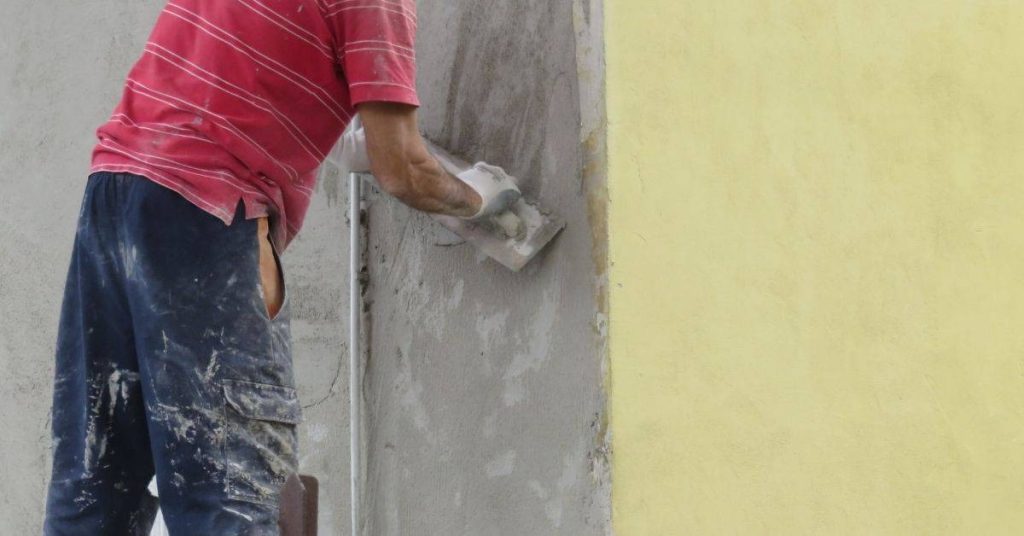
Worker applying wet stucco to wall with trowel

Stopping Parapet Leaks with Stucco: Coping Caps and Top-Edge Detailing

Introduction This article covers how to stop parapet leaks with stucco through coping caps and top-edge detailing. You’ll approach this as a hands-on project, not a textbook lesson. Expect practical steps you can check on site and adjust for your wall setup. Plan for proper flashing, sealants, and coping cap installation, and verify what your

Stopping Parapet Leaks with Stucco: Coping Caps and Top-Edge Detailing Read More »

Red concrete pump booms set against clear blue sky

Concrete Splash Blocks That Actually Move Water: Shapes, Slopes, and Soil Protection

Introduction A splash block is a molded block placed under a downspout to direct rainwater away from the foundation. This article focuses on concrete splash blocks that actually move water, considering shapes, slopes, and soil protection. Choose a design based on how much flow you have and what the soil needs, and verify you follow

Concrete Splash Blocks That Actually Move Water: Shapes, Slopes, and Soil Protection Read More »

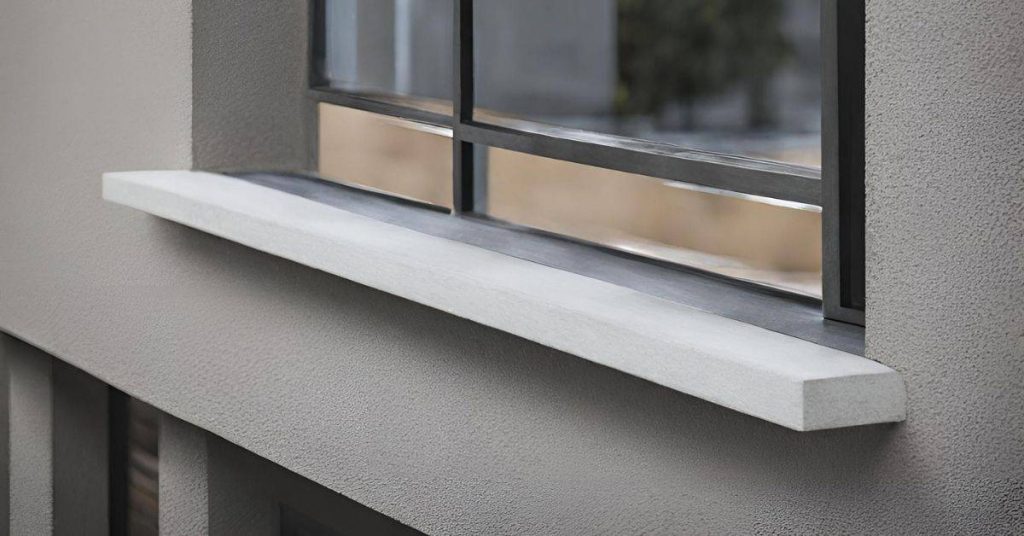
Precast concrete window sill on textured exterior wall

Concrete Pads for Mini-Split Condensers: Vibration Isolation and Drainage Details

Introduction Concrete pads provide a solid, level base for mini-split condensers while helping dampen vibration and manage drainage. In practice, you’ll pick a pad size and placement that suits your unit and how you route condensate away from the slab. Always verify load limits, mounting hardware recommendations, and local rules before pouring. Anti-vibration features and

Concrete Pads for Mini-Split Condensers: Vibration Isolation and Drainage Details Read More »