Search Results for: product to seal between floor and wall

Hand spraying sealer with spray gun in outdoor setting

Sealer Haze Only in Spots: Moisture Pockets vs Application Thickness and How to Fix

Introduction Sealer haze in spots is caused by moisture pockets or too-thick coats leaving a cloudy film on the surface. It’s a surface symptom you can fix with proper prep and careful re-application. Look for uneven sheen, milky areas, or spots that never fully dry after the sealer sets. To fix, identify where moisture pockets […]

Sealer Haze Only in Spots: Moisture Pockets vs Application Thickness and How to Fix Read More »

Concrete building with vertical and horizontal structural elements

How to Patch Vertical Concrete Without Sag: Mix Stiffness, Bonding, and Lift Thickness

Introduction Patch vertical concrete without sag by using a stiff, workable mix that stays put once placed. Choose a mix with good bonding and low slump, and apply in quick, controlled strokes. Always check product labels and local guidelines to confirm compatible bonding agents and lift thickness. Keep the surface clean and dampened as needed,

How to Patch Vertical Concrete Without Sag: Mix Stiffness, Bonding, and Lift Thickness Read More »

Stone fireplace surrounded by plaster walls and large windows

Clay Plaster in Entryways: Scuff Resistance, Touch-Ups, and Protective Finishes

Introduction Clay plaster in entryways is a clay-based finish applied to walls to create a durable, breathable surface. In busy entry spots you’ll want to understand how it resists scuffs and how touch-ups go when scuffs happen. Check product labels and local rules for any limits on sealing or indoor use before you start. Touch-ups

Clay Plaster in Entryways: Scuff Resistance, Touch-Ups, and Protective Finishes Read More »

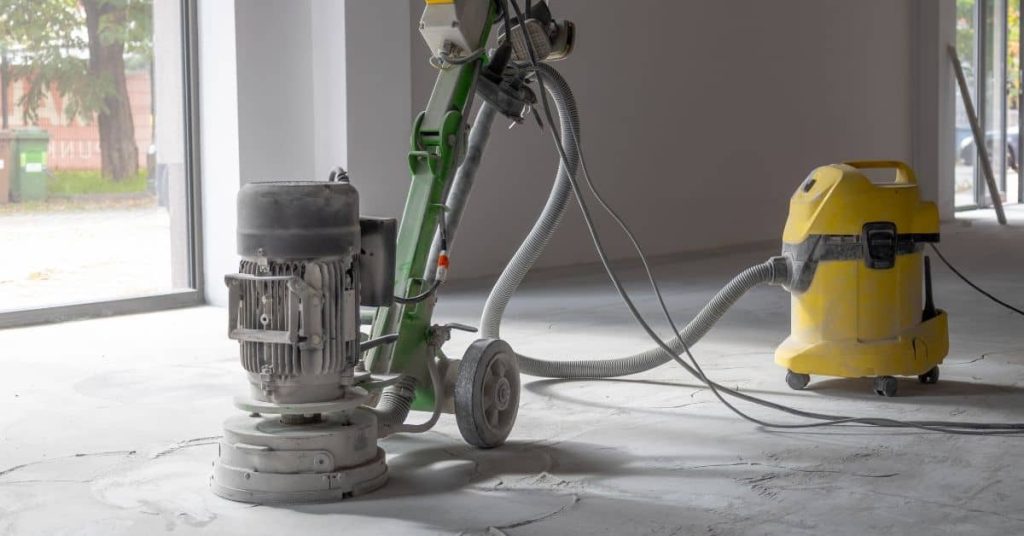
Concrete floor grinder connected to yellow vacuum cleaner indoors

Diagnosing Concrete Delamination: Chain Drag vs Hammer Sounding and What Each Misses

Introduction Delamination in concrete is when layers or patches separate, revealing hollow or weaker zones beneath the surface. Using a chain drag helps you feel for soft spots by listening and feeling where the chain catches. Hammer sounding can also reveal hollow tones, but it may miss shallow or narrow separations. Both tests have limits

Diagnosing Concrete Delamination: Chain Drag vs Hammer Sounding and What Each Misses Read More »

Hand holding trowel with wet concrete inside container

Feather-Edge Patch Failures: Minimum Thickness Rules and Better Edge Details

Introduction Feather-edge patch failures occur when the thin edge of a patch is not thick or stable enough to grip the surrounding concrete. In plain terms, the edge can erode or chip and the patch pulls away. Make sure you follow the material’s directions and local rules for edge prep. To avoid failures, clean and

Feather-Edge Patch Failures: Minimum Thickness Rules and Better Edge Details Read More »

Concrete beams with exposed rebar on construction site

Salt-Finish Concrete on Small Projects: Timing, Cleanup, and Sealing Without Haze

Introduction Salt-finish concrete is a decorative surface created by applying and later washing away salt to expose a textured layer. On small projects, it’s a practical way to add grip and character, but timing and technique matter for a clean look. Always check manufacturer guidelines for how long to work the surface, how to apply

Salt-Finish Concrete on Small Projects: Timing, Cleanup, and Sealing Without Haze Read More »

Hand painting metal frame with orange paint roller

Sealing Cracks Before Painting Concrete: Fillers That Don’t Telegraph Through Topcoats

Introduction Sealing cracks before painting concrete means filling and sealing gaps so the finished surface looks uniform and the cracks don’t telegraph through the topcoat. It’s a practical, hands-on step you can tackle with basic fillers and simple tools. Always check the product label for curing time and application temperature before you start. Choose a

Sealing Cracks Before Painting Concrete: Fillers That Don’t Telegraph Through Topcoats Read More »

modern multi-story apartment building with concrete surfaces and balconies

Concrete Surface Densifying on Vertical Faces: When It’s Worth It and Application Tricks

Introduction Concrete surface densifying on vertical faces is a treatment that hardens and seals the outer layer of the concrete. It aims to improve abrasion resistance and make vertical surfaces easier to keep clean. Before you start, read the product label and follow the manufacturer’s instructions for temps, application method, and cure time. It’s worth

Concrete Surface Densifying on Vertical Faces: When It’s Worth It and Application Tricks Read More »

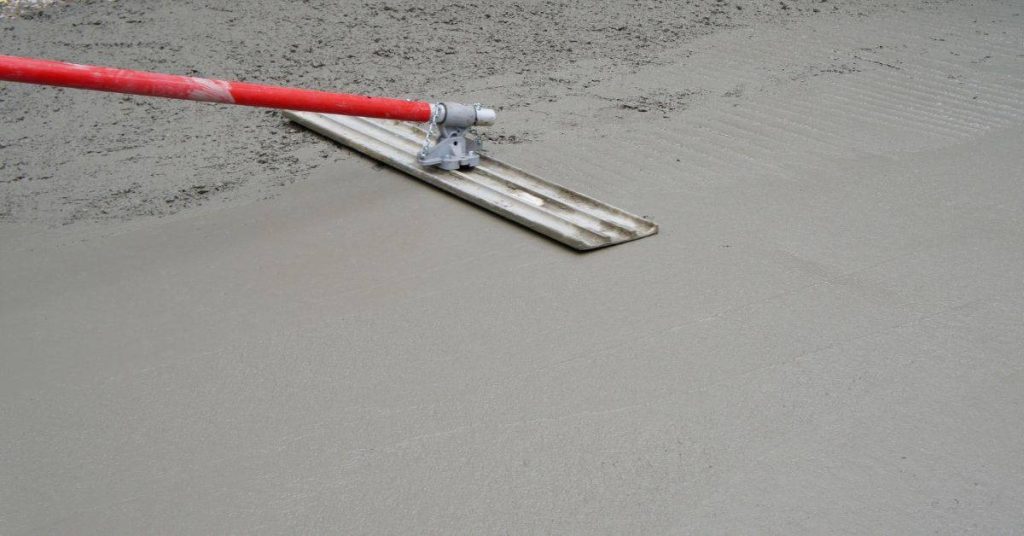
Red-handled tool smoothing wet concrete surface

Concrete Crack Stitching for DIYers: When Staples Help and When They Don’t

Introduction Concrete crack stitching is a repair method that uses staples to grab and hold cracked slabs together. It aims to slow opening and transfer movement across the crack when appropriate. This DIY intro explains when staples help and when they don’t in plain language. Before you start, check manufacturer instructions, local rules, and the

Concrete Crack Stitching for DIYers: When Staples Help and When They Don’t Read More »

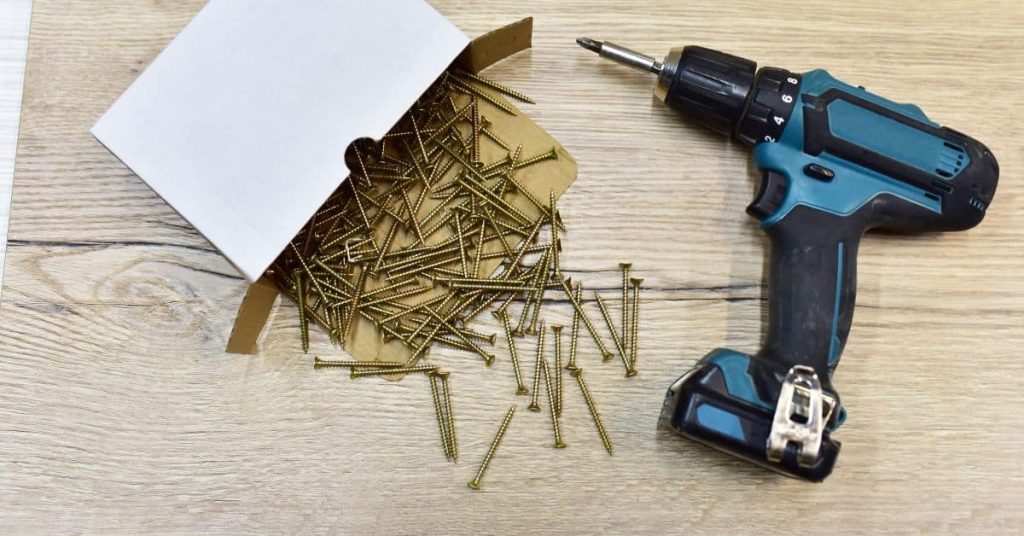
Cordless drill next to scattered box of screws on wood surface

How to Make Temporary Wet Screed Rails: Pipe, Wood, and Why Some Methods Leave Weak Lines

Introduction Temporary wet screed rails are temporary guides used to shape a wet concrete screed with straight edges. They can be made from pipes or boards that are set level and supported to leave clean, even lines. This intro covers how to choose materials and set up without leaving weak spots. What you do next

How to Make Temporary Wet Screed Rails: Pipe, Wood, and Why Some Methods Leave Weak Lines Read More »