Search Results for: primer sealer for concrete

paint brush lying on concrete floor partially painted red tiles

Concrete Surface Contamination Tests: Oil, Silicone, Curing Compound, and Why Water Bead Tests Mislead

Introduction Concrete surface contamination tests tell you whether a surface is clean enough for bonding by revealing any residual oils, silicones, or waxes. For epoxy or other adhesives, you must verify cleanliness requirements with the product label and local rules, because expectations vary. If unsure, follow a basic check: a dry, dust-free feel and a […]
Concrete Surface Contamination Tests: Oil, Silicone, Curing Compound, and Why Water Bead Tests Mislead Read More »

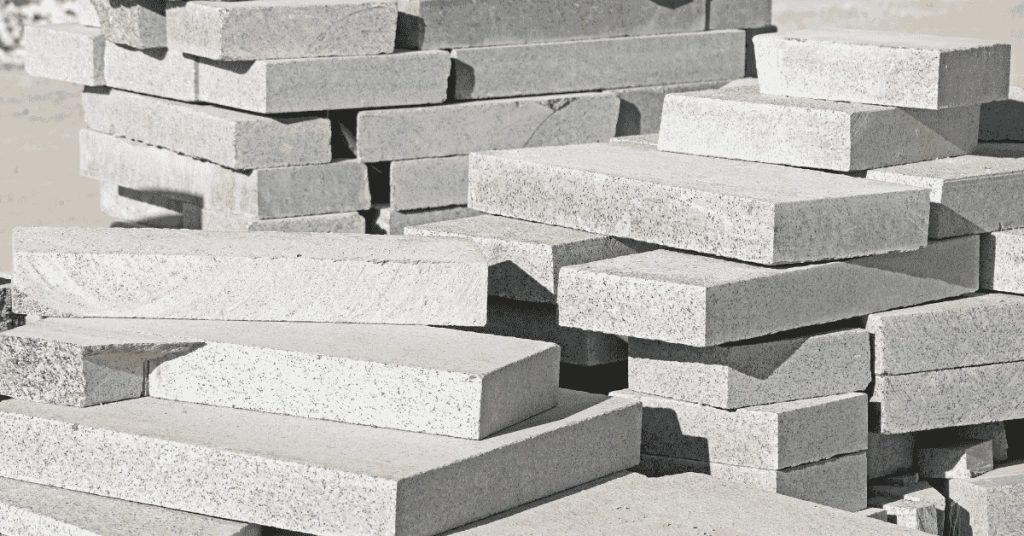
Stacked concrete bricks and blocks outdoors

Concrete Planters: Waterproofing details that don’t peel or trap moisture

Introduction Waterproofing concrete planters means using sealants or coatings that block moisture from entering the concrete and from leaching out. Choose products labeled for concrete and exterior use, and follow the label for surface prep and drying times. Check the manufacturer instructions and local rules for any specific requirements. Apply the sealant with even coverage

Concrete Planters: Waterproofing details that don’t peel or trap moisture Read More »

Concrete slab construction with wooden formwork and steel rebar

Concrete Drainage Without Demo: Small slope fixes that actually move water

Introduction Concrete drainage without demo means guiding water away from the area by tweaking existing surfaces, not tearing out concrete. It’s a practical, hands-on approach that relies on small slope tweaks, edge shaping, and surface detailing. Check local rules and the product labels to ensure your method is allowed. Map out a simple plan for

Concrete Drainage Without Demo: Small slope fixes that actually move water Read More »

Trowel smoothing fresh concrete joint surface

Concrete Joint Adhesion Failure: Dirt, moisture, and primer fixes that work

Introduction Adhesion failure in a concrete joint means the surface won’t bond as intended, leaving joints that can peel or separate. Dirt, moisture, and poorly prepared or incompatible primers are common culprits that block proper adhesion. Check the surface for dust, oil, and dampness before applying anything. Polyurethane primer can help restore grip between concrete

Concrete Joint Adhesion Failure: Dirt, moisture, and primer fixes that work Read More »

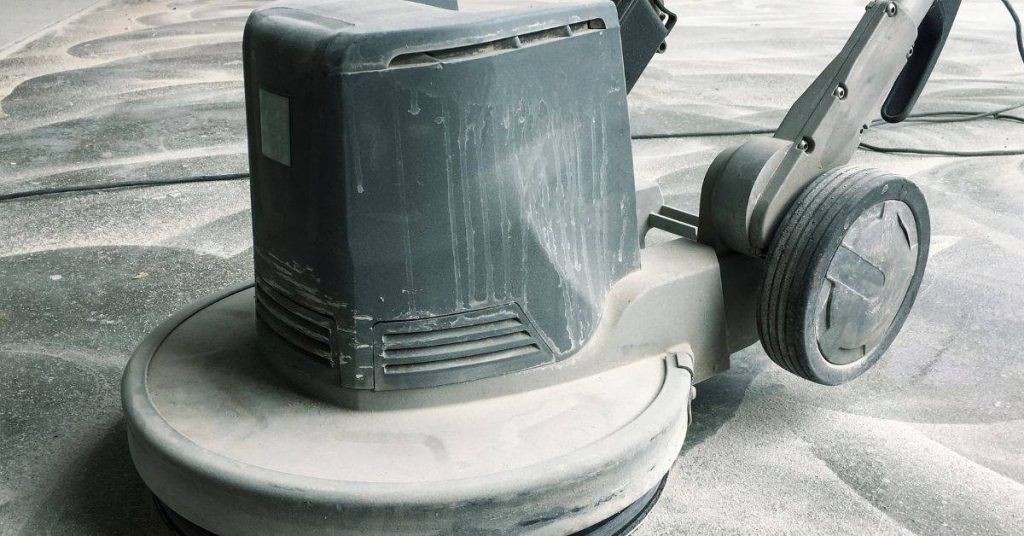
Close-up of a concrete floor grinder on dusty floor surface

Concrete Overlay Failures: Why toppings debond and how to prevent it

Introduction Debonding in concrete toppings happens when the new layer separates from the existing slab. This article explains why that happens and how to prevent it, with practical steps you can check on a home job. In plain talk, it often comes from not prepping the surface or skipping the right profile. Surface preparation is

Concrete Overlay Failures: Why toppings debond and how to prevent it Read More »

Hand holding trowel with wet concrete over mixing container

Matching Concrete Texture in Repairs: Tricks for broom and trowel patterns

Introduction Matching concrete texture in repairs means recreating the surface look of existing concrete using compatible broom and trowel patterns. This guide focuses on how to blend a new patch with the old surface, using common hand tools and basic technique. You’ll want to check the patch and the surrounding area as you work to

Matching Concrete Texture in Repairs: Tricks for broom and trowel patterns Read More »

Person pressure washing concrete patio surface

Concrete Sealer Compatibility: Why some sealers refuse to bond to old coats

Introduction Concrete sealer compatibility is about whether a new coating will bond to an existing old sealer or film on the surface. If the old coat has residue, moisture, or incompatible chemistry, the bond can fail. Understanding this helps you avoid a patchy finish. Solvent-based and water-based sealers behave differently with old coatings, so check

Concrete Sealer Compatibility: Why some sealers refuse to bond to old coats Read More »

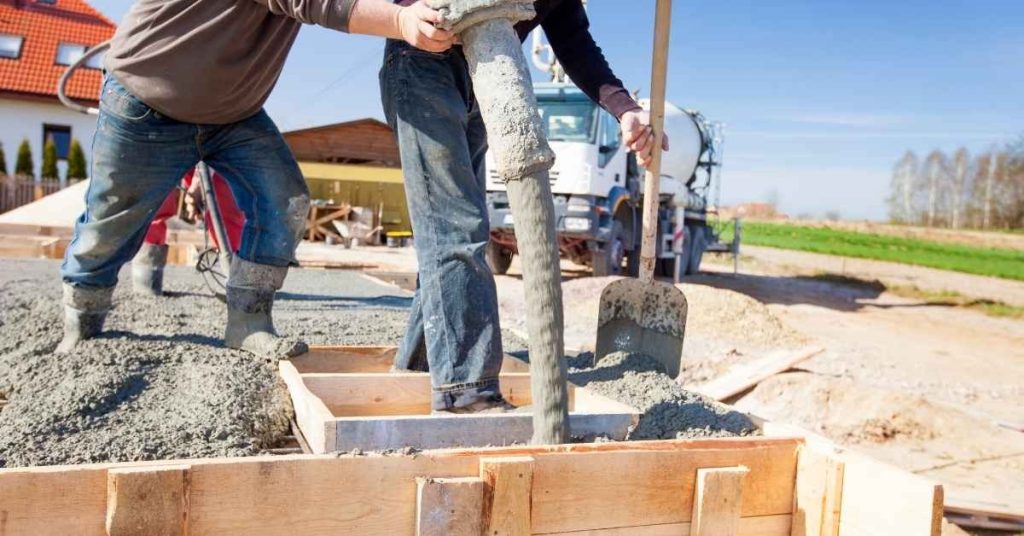
Workers pouring concrete into wooden frame outdoors

Stripping Concrete Sealer: Chemical vs grinding—what’s safer for your slab

Introduction Stripping concrete sealer boils down to choosing between chemical removal and grinding. Chemicals dissolve or soften the sealer, while grinding removes it by abrasion. For DIYers, weigh safety, dust control, and surface prep, and check labels and manufacturer instructions. Grinding creates dust and potential heat, while chemicals require ventilation and proper disposal. Adhesion of

Stripping Concrete Sealer: Chemical vs grinding—what’s safer for your slab Read More »