Search Results for: primer sealer for concrete

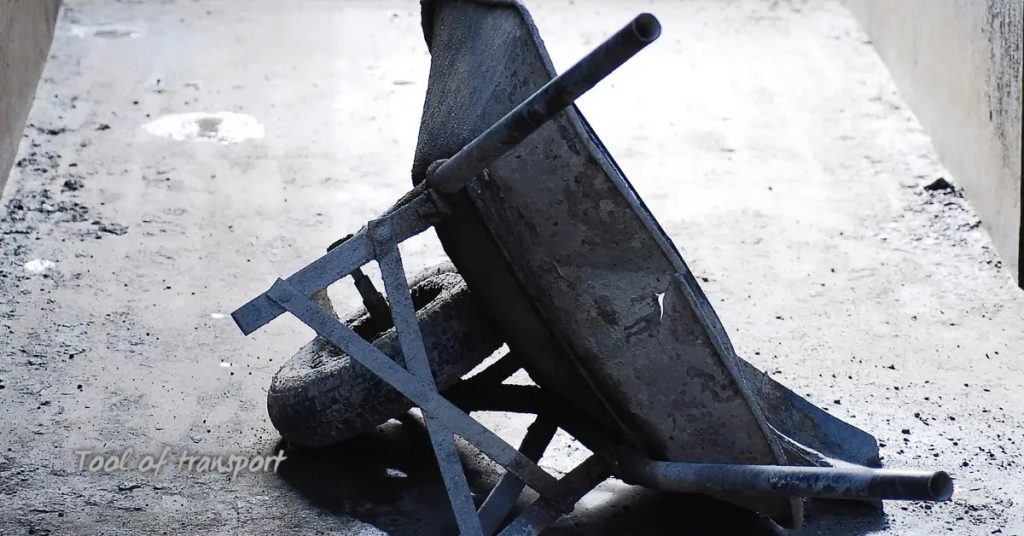
Empty wheelbarrow on concrete floor in shaded area

Concrete Dark Spots: Moisture, curing, or contamination—how to tell which

Introduction Dark spots on concrete are usually caused by moisture, improper curing, or surface contaminants. To tell which, look at the spot’s texture and sheen, note when it appeared, and check for signs of lingering dampness nearby. This guide offers practical, hands-on ways to diagnose and plan fixes. Start with surface prep, like degreasing if […]

Concrete Dark Spots: Moisture, curing, or contamination—how to tell which Read More »

Two melting ice cubes on a white surface

Concrete Pop-Outs: Causes, repairs, and prevention for future winters

Introduction Concrete pop-outs are shallow, rounded chunks of concrete that lift away from the surface when the ground or the mix expands. They often come from moisture getting trapped under the slab, poor compaction, or steel reinforcement pushing outward. Weather conditions, especially rapid temperature shifts in winter, play a big role in how fast pop-outs

Concrete Pop-Outs: Causes, repairs, and prevention for future winters Read More »

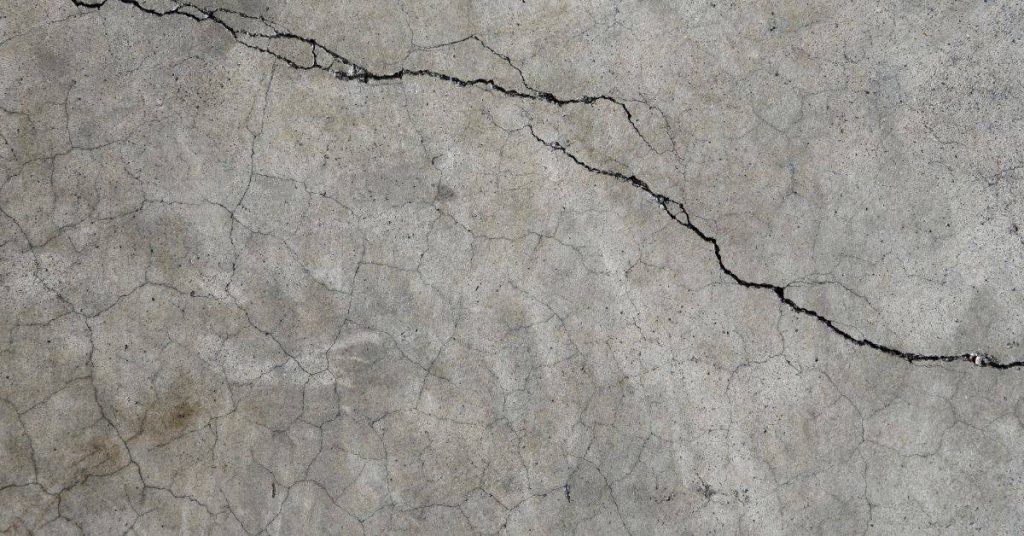
Cracked grey concrete surface with visible fissures

Concrete Surface pH: Why high pH breaks some coatings and how to manage it

Introduction High pH in concrete can break down coatings and weaken their grip. That alkaline environment reacts with many sealers and paints, especially when new concrete is unfinished. Always check the coating’s label and follow manufacturer instructions, and consider what local rules say about surface prep. To prepare, scrub and rinse the surface and let

Concrete Surface pH: Why high pH breaks some coatings and how to manage it Read More »

Concrete stairs with a smooth ramp in the middle

Concrete Scaling in Winter: Why the surface flakes and how to stop it

Introduction Concrete scaling in winter is when the top layer peels or flakes off because cold weather, moisture, and repeated freezing push water in and out. Cold temperatures slow curing and make water move through the surface, so you see scaling more on sidewalks, driveways, and slabs that get wet. Watch for slick, rough patches

Concrete Scaling in Winter: Why the surface flakes and how to stop it Read More »

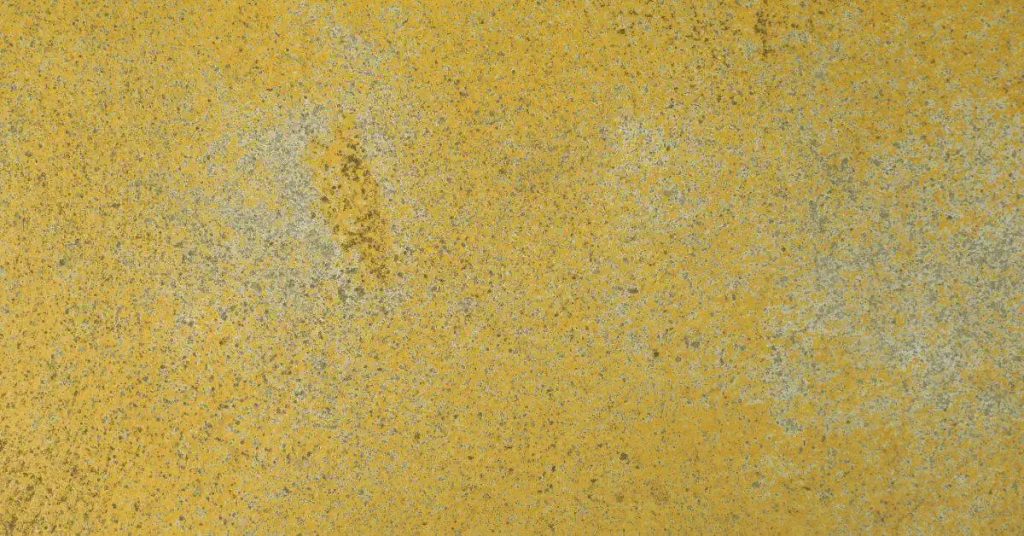
yellow stained concrete surface with varying texture

Concrete Surface Delamination: Causes, diagnosis, and repair that lasts

Introduction Delamination is the surface layer of concrete peeling or separating from the underlying concrete, creating a patchy, hollow feel. It often shows up as a dull patch that may flake or sound hollow when tapped. Lightly tapping suspect areas can help you spot where the top lift isn’t bonded well. To diagnose, look for

Concrete Surface Delamination: Causes, diagnosis, and repair that lasts Read More »

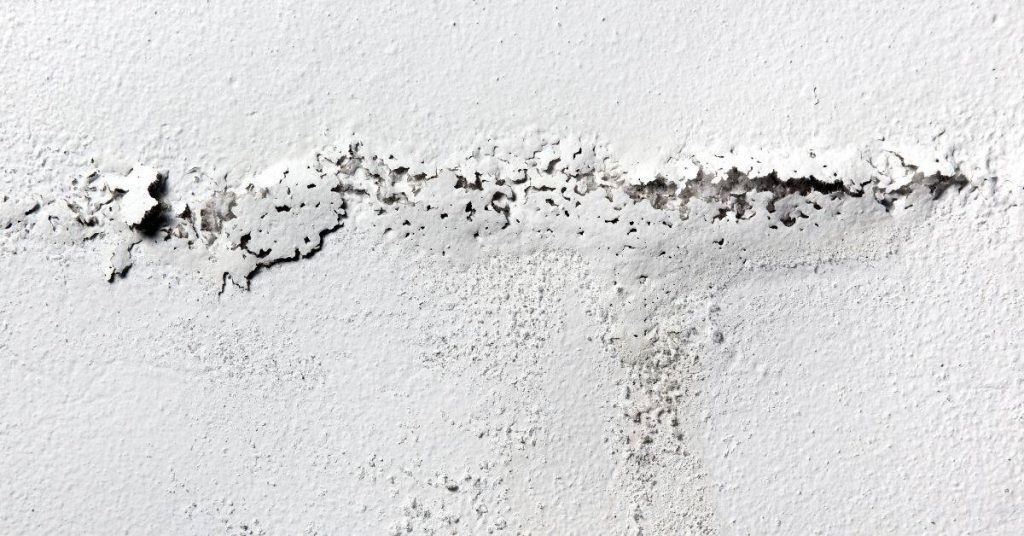
Concrete wall surface with peeling and cracking finish

Concrete Finish Peeling Off a Patch: Bond failures and how to redo it correctly

Introduction Bond failure happens when a concrete patch peels because the new mix won’t adhere to the old surface. It means the patch didn’t bond well to the substrate due to contamination, moisture, or a weak surface. Fixing it starts with identifying the rough spots and cleaning up before rework. To redo it correctly, start

Concrete Finish Peeling Off a Patch: Bond failures and how to redo it correctly Read More »

Peeling white paint on rough concrete wall surface

Concrete Sealer on New Concrete: The moisture traps that cause peeling later

Introduction Sealing new concrete can trap moisture and cause peeling later. That moisture gets trapped under the sealer if the surface is still damp or the slab is still curing. Let the concrete cure fully and follow the manufacturer’s guidance before applying any sealer. Before sealing, clean the surface and remove dust, oil, and any

Concrete Sealer on New Concrete: The moisture traps that cause peeling later Read More »

Precast concrete panel resting on sandy ground

Concrete Sealer Whitening After Rain: Causes and how to restore clarity

Introduction Sealer whitening after rain is a cloudy, milky look on newly sealed concrete caused by moisture and uneven drying. It happens when the surface still holds moisture or the sealer cures too fast in damp conditions. Check the product label and local guidelines for ideal conditions and reapplication steps. To prevent it, seal only

Concrete Sealer Whitening After Rain: Causes and how to restore clarity Read More »

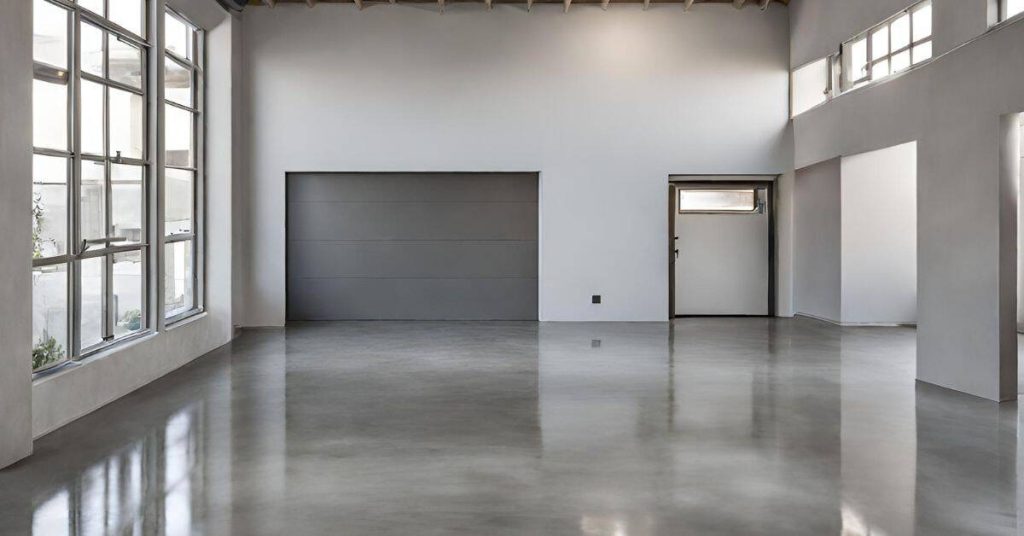
Empty room with polished concrete floor and large windows

Concrete Patch Lines: Blending repairs so they don’t scream ‘patch’

Introduction Concrete patch lines are blended repairs that look like part of the surrounding slab rather than obvious patches. The goal is a seamless join that doesn’t stand out when people walk on or near it. You’ll use careful technique and matching materials to hide the repair. Focus on patch techniques that blend edges with

Concrete Patch Lines: Blending repairs so they don’t scream ‘patch’ Read More »

Concrete slab being smoothed with a long-handled float

Concrete Pinholes After Grinding: Filling pores without losing texture

Introduction Pinholes after grinding are tiny surface pores left in the concrete after smoothing. They can show up after grinding and may affect texture if not filled. This article explains a practical way to fill them while keeping the surface feel intact. You’ll need simple fillers and a bit of patience, and always check product

Concrete Pinholes After Grinding: Filling pores without losing texture Read More »