Search Results for: primer sealer for concrete

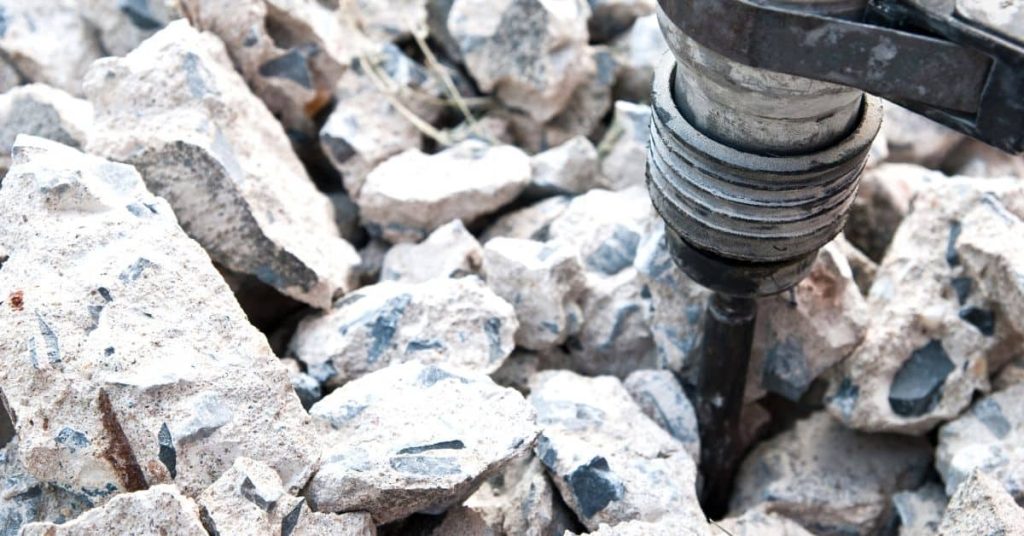
Close-up of hammer drill breaking concrete into pieces

Marker and layout tools for concrete and masonry: soapstone, paint pens, and what survives wet work

Introduction Marker and layout tools for concrete and masonry are simple implements used to mark lines and reference points on stone, brick, or poured surfaces. Soapstone sticks mark clearly on damp or rough surfaces, while paint pens provide visible lines that can stay legible in wet conditions. These tools are intended for use during layout, […]
Marker and layout tools for concrete and masonry: soapstone, paint pens, and what survives wet work Read More »

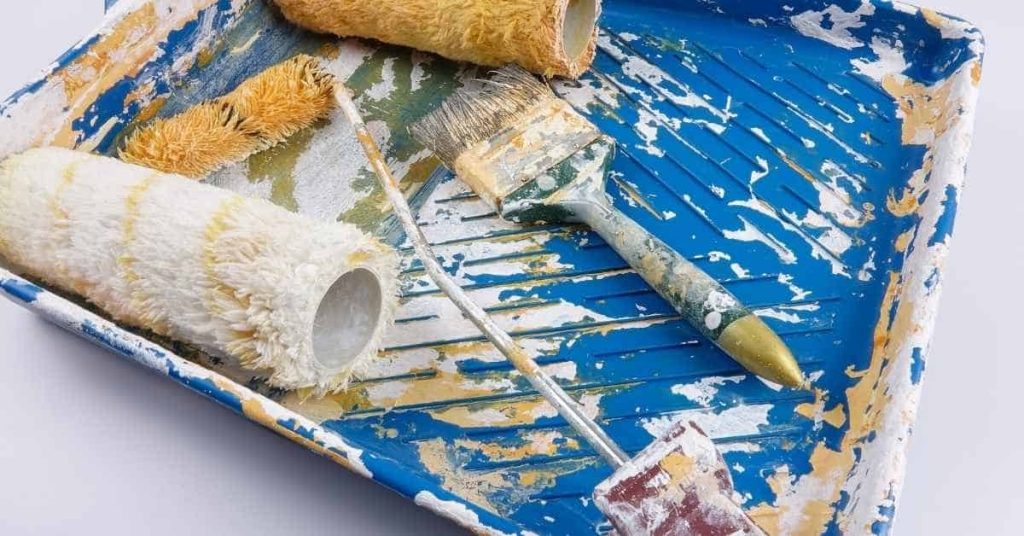
paint tray with rollers and brush covered in paint

Preventing flashing under paint on plaster: primers that lock down porosity changes

Introduction Primers that lock down porosity changes help prevent flashing under paint on plaster by sealing the surface before coating. Proper surface prep and choosing the right primer are crucial steps. Follow the product label and local guidance for preparation and recoat requirements. Assess plaster porosity by a simple, dust‑free test and plan primer accordingly.

Preventing flashing under paint on plaster: primers that lock down porosity changes Read More »

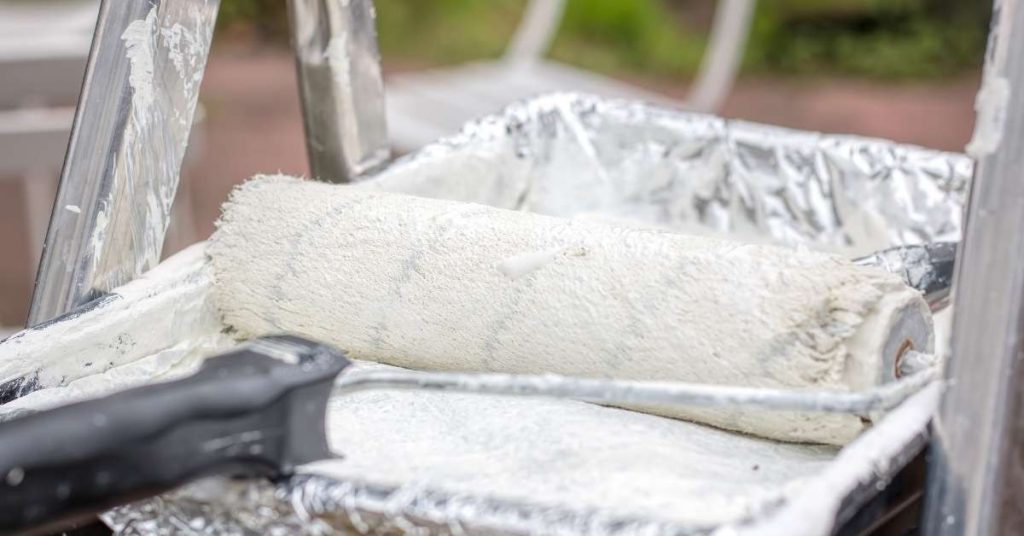
White paint roller resting in paint tray on ladder

Budget moisture tests for concrete coatings: what homeowners can trust without pro meters

Introduction Budget moisture tests for concrete coatings are simple, low-cost checks homeowners can use to gauge whether a floor is dry enough for coating. Be aware surface-based tests, like calcium chloride tests, only measure surface moisture and can mislead if conditions aren’t right. Always check manufacturer guidance and consider timing relative to temperature and humidity

Budget moisture tests for concrete coatings: what homeowners can trust without pro meters Read More »

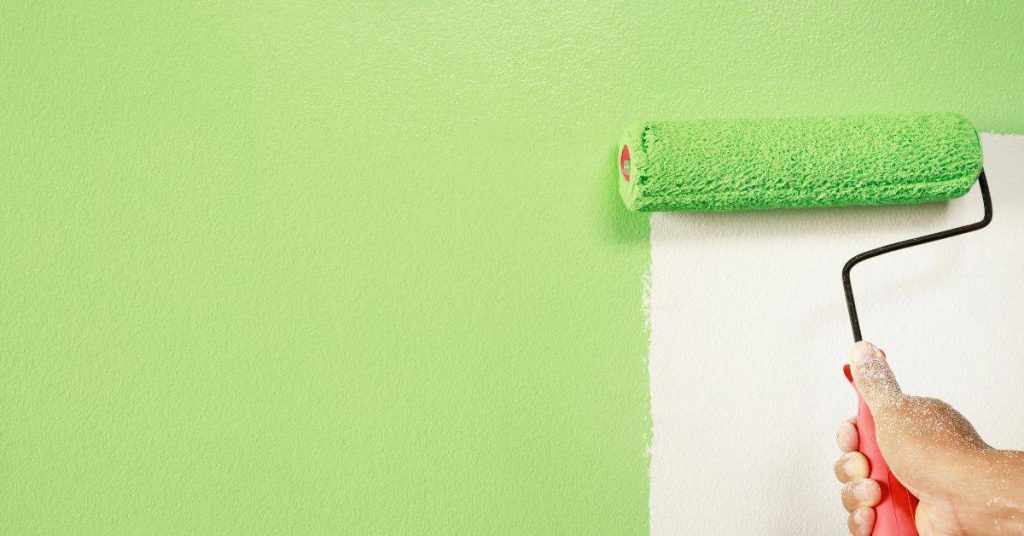
Hand using green paint roller on white textured wall

Testing concrete pH before you paint: simple strip tests and what the numbers really mean

Introduction Testing concrete pH before you paint tells you how acidic or basic the surface is. This helps you choose the right prep steps and paint compatibility. A simple strip test can give you a quick read and reduce guesswork. There are a few common types of pH test strips that you can use on

Testing concrete pH before you paint: simple strip tests and what the numbers really mean Read More »

Stack of precast concrete beams covered with snow

Air-entrained concrete for driveways and steps: real freeze–thaw failures and how to avoid them

Introduction Air-entrained concrete is a mix that includes tiny air bubbles to improve resistance to freeze–thaw damage. For driveways and steps, this type of concrete helps reduce cracking when the surface repeatedly freezes and thaws. To avoid real freeze–thaw failures, follow the manufacturer’s guidance on mix options and ensure proper placement and curing. Check labels

Air-entrained concrete for driveways and steps: real freeze–thaw failures and how to avoid them Read More »

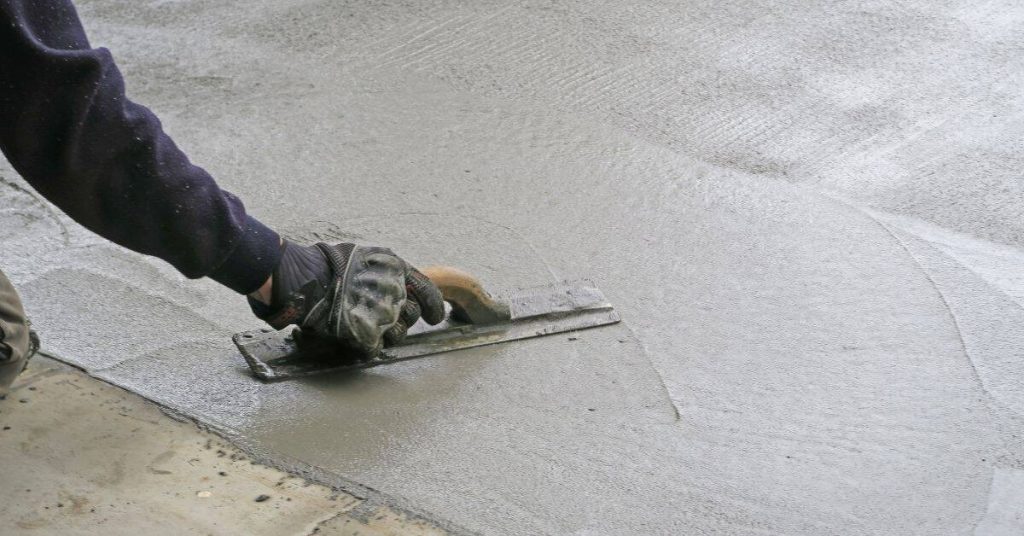
Worker smoothing fresh concrete slab with trowel

Laitance on fresh concrete pours: quick tests and the right removal method before coatings

Introduction Laitance is the thin, weak film of cement and fine particles that rises to the surface of freshly poured concrete. It forms when fines and moisture push to the top, leaving a smooth but poor bonding layer. Quick checks include a light skim with a dull tool or a damp wipe to feel for

Laitance on fresh concrete pours: quick tests and the right removal method before coatings Read More »

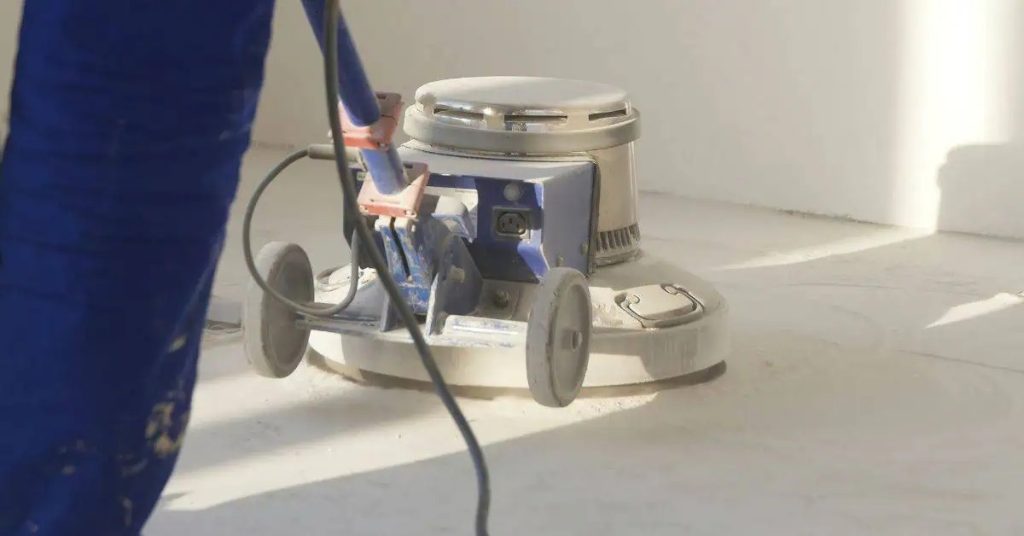
Concrete floor polishing machine on smooth concrete surface

Bonding new concrete to old work: scarify vs grind vs acid (and why acid often disappoints)

Introduction Scarify, grind, and acid are surface-prep methods used to promote bonding between new concrete and old work. Choosing the right method depends on the old surface condition and the project, and acid often disappoints if not applied carefully. This article explains practical choices in plain language and what to expect when you prep for

Bonding new concrete to old work: scarify vs grind vs acid (and why acid often disappoints) Read More »

Unfinished multi-story concrete building structure outdoors

Self-leveling overlays on concrete: dams, primers, and stopping pinholes and ripples

Introduction Self-leveling overlays are pourable surface toppings designed to flow into low spots and produce a flat, smooth concrete surface. They rely on proper surface preparation, containment dams at edges, and primer or bond agents to promote adhesion. Always follow the material manufacturer’s instructions for mixing, compatibility with the concrete, and cure requirements. Before you

Self-leveling overlays on concrete: dams, primers, and stopping pinholes and ripples Read More »

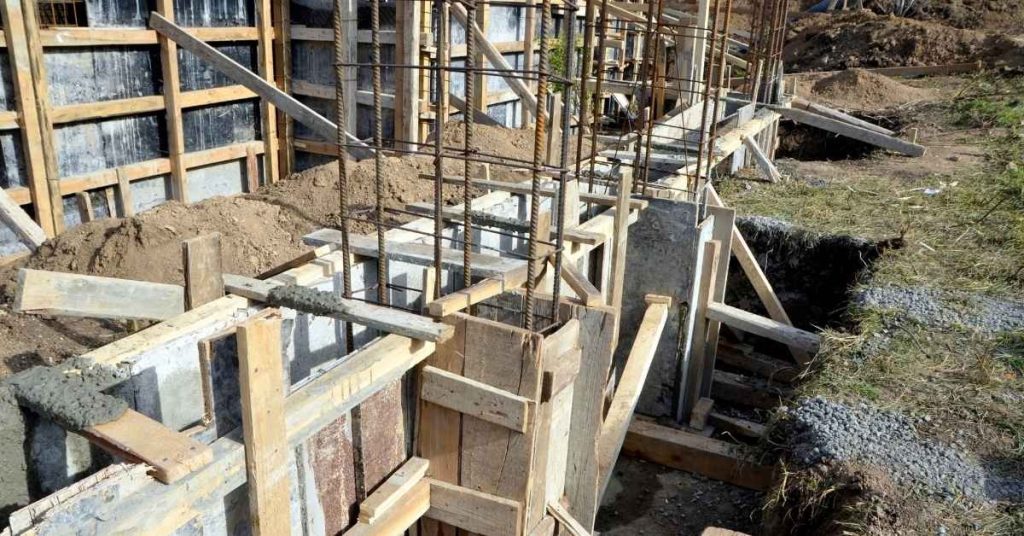
Concrete foundation formwork with exposed rebar and soil

Feather finish vs polymer patch on concrete: choosing a repair that won’t pop off in winter

Introduction Cement Skim Coat vs Polymer Patch for Winter Repairs Feather finish is a thin cement skim coat, ideal for smoothing surfaces. A polymer patch, on the other hand, is a patching compound used to fill small defects. This guide compares their winter performance and provides practical DIY repair steps. Assess damage extent, substrate condition,

Feather finish vs polymer patch on concrete: choosing a repair that won’t pop off in winter Read More »

Person smoothing fresh concrete with tools wearing gloves

Cold-Weather Concrete Repairs: Keeping Thin Patches and Small Slabs from Freezing Out

Introduction Cold-weather concrete repairs are fixes done in cold conditions to prevent thin patches and small slabs from freezing. This article explains practical steps you can take with common materials to keep patches durable. Approach is hands-on and focused on safe, simple techniques you can apply without special equipment. Cold weather slows concrete hydration and

Cold-Weather Concrete Repairs: Keeping Thin Patches and Small Slabs from Freezing Out Read More »