Search Results for: primer sealer for concrete

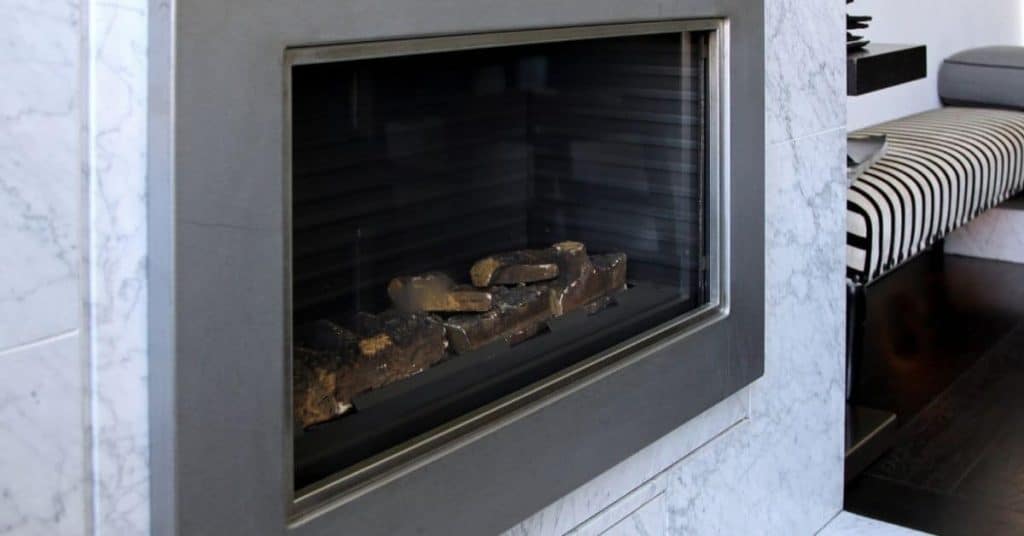
Modern gas fireplace with marble surround and striped bench nearby

Concrete Fireplace Surrounds: Heat Cycling, Crack Control, and Safe Clear-Coat Options

Introduction Concrete fireplace surrounds are finished concrete frames around a fireplace that can handle heat cycling with proper care. They need attention to how heat shifts and ages the surface, especially where the surround meets the hearth and mantel. The goal is a durable, even finish that resists cracking and looks good for years. Crack […]

Concrete Fireplace Surrounds: Heat Cycling, Crack Control, and Safe Clear-Coat Options Read More »

Close-up of exposed aggregate concrete pool edge with water

Concrete Furniture Outdoors: Mix Tweaks and Detailing to Avoid Edge Spalls and Staining

Introduction Concrete furniture outdoors is solid, weather-ready seating and tabletops cast from concrete that you use outside. Tweaks to the mix and detailing at the edges help prevent edge spalls and reduce staining over time. This article keeps things practical, focusing on what to check in your mix, forms, and finishes before you pour. Maintenance

Concrete Furniture Outdoors: Mix Tweaks and Detailing to Avoid Edge Spalls and Staining Read More »

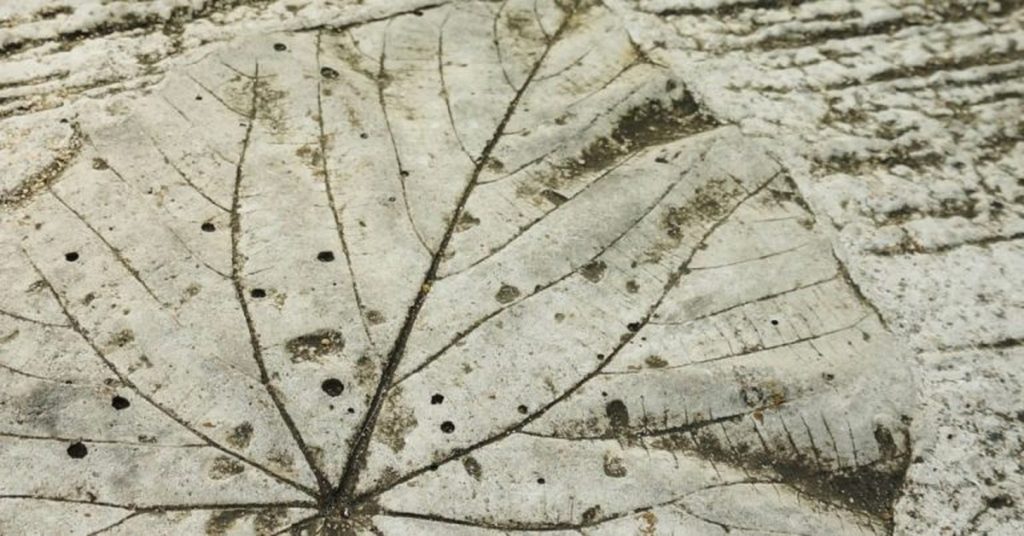
Leaf imprint pressed into wet concrete surface

Concrete Planters With Integral Pigments: Avoiding Efflorescence and Blotchy Color

Introduction Concrete planters with integral pigments are planters cast with color mixed into the concrete so the color runs through the entire piece. This helps avoid uneven surface staining and blotchy color when the planter ages or dries. Focus on practical steps like choosing a pigment with good lightfastness, checking drainage and ventilation, and protecting

Concrete Planters With Integral Pigments: Avoiding Efflorescence and Blotchy Color Read More »

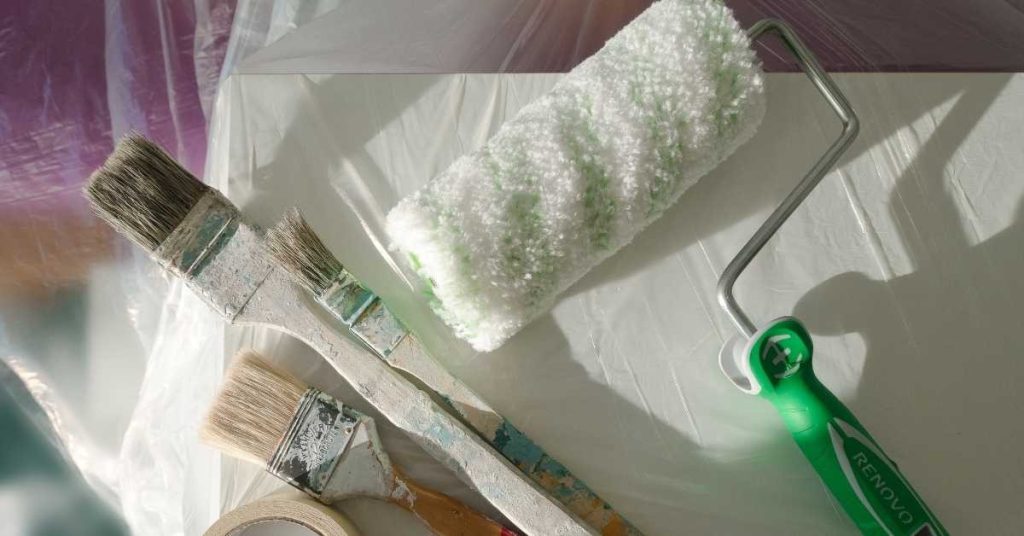
Three paintbrushes and a paint roller on a plastic sheet

Anti-Graffiti Coatings on Masonry and Concrete: Sacrificial vs Permanent Systems

Introduction Anti-graffiti coatings are protective barriers for masonry and concrete that simplify graffiti removal. Sacrificial coatings are designed to be removed along with graffiti and re-applied, while permanent systems stay on the surface and resist staining. Both aim to simplify cleanup and reduce damage, but choose based on maintenance tolerance and environment. Application methods vary

Anti-Graffiti Coatings on Masonry and Concrete: Sacrificial vs Permanent Systems Read More »

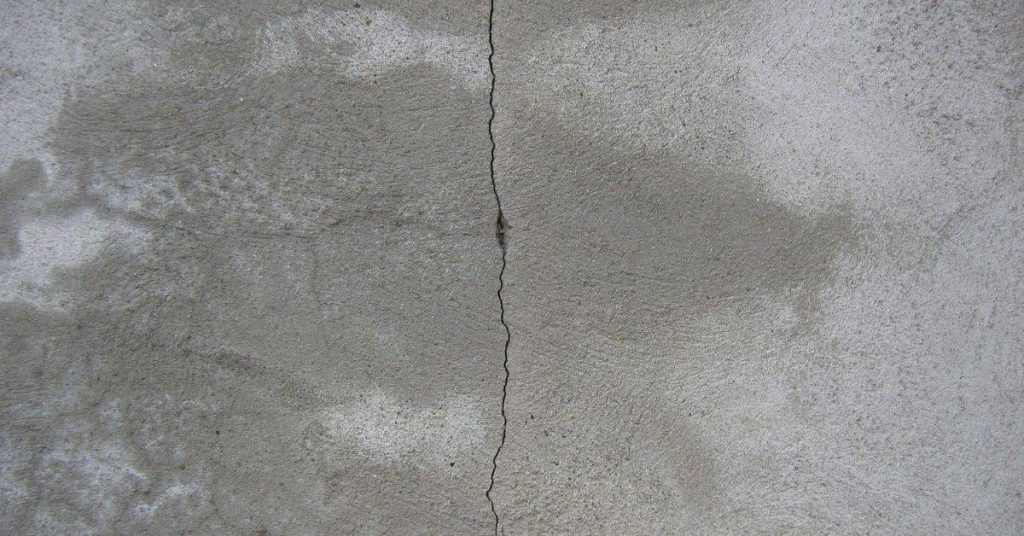
Close-up of concrete surface with fine vertical crack

DIY Concrete Stepping Stones That Don’t Crack: Reinforcement, Curing, and Freeze–Thaw Design

Introduction These stepping stones are reinforced concrete pieces designed to resist cracking through proper reinforcement, curing, and freeze–thaw considerations. Cracks typically come from shrinkage, settling, or temperature shifts, so controlling moisture and movement helps. When choosing materials, check labels and manufacturer instructions for suitability in outdoor, mid-stain conditions and for any local rules that apply

DIY Concrete Stepping Stones That Don’t Crack: Reinforcement, Curing, and Freeze–Thaw Design Read More »

Precast concrete wall panels stacked outside a building

Concrete Micro-Inlays: Engraving, Filling With Colored Grout, and Sealing So It Stays Clean

Introduction Concrete micro-inlays are small engravings in concrete that are filled with colored grout and sealed to stay clean. The basic idea is to create a crisp line or pattern, then repair and protect it with color and a sealant. With the right hand tools and a steady hand, you can add simple lines or

Concrete Micro-Inlays: Engraving, Filling With Colored Grout, and Sealing So It Stays Clean Read More »

Covered porch with painted concrete floor and metal chairs

Controlling Sheen on Concrete Sealers: Matte vs Gloss, Slip Risk, and Maintenance Reality

Introduction Matte and gloss sealers define the look and reflectivity of a concrete surface. A matte finish hides minor wear but can be harder to keep clean, while a gloss finish is clearer but may show wear and slip risk more readily. This article gives a practical, DIY‑friendly overview of what to expect and how

Controlling Sheen on Concrete Sealers: Matte vs Gloss, Slip Risk, and Maintenance Reality Read More »

Close-up of gray concrete floor surface texture

Concrete Floor Drains That Stink: Trap Primers, Sealing, and Fixing the Actual Cause

Introduction Stinky floor drains happen when the trap loses its water seal and lets sewer odors escape. That means the fix often starts with resealing or keeping the trap primed. Maintenance steps and a careful check of what’s causing the odor are key to a lasting fix. Maintenance steps are simple but hands-on: verify water

Concrete Floor Drains That Stink: Trap Primers, Sealing, and Fixing the Actual Cause Read More »

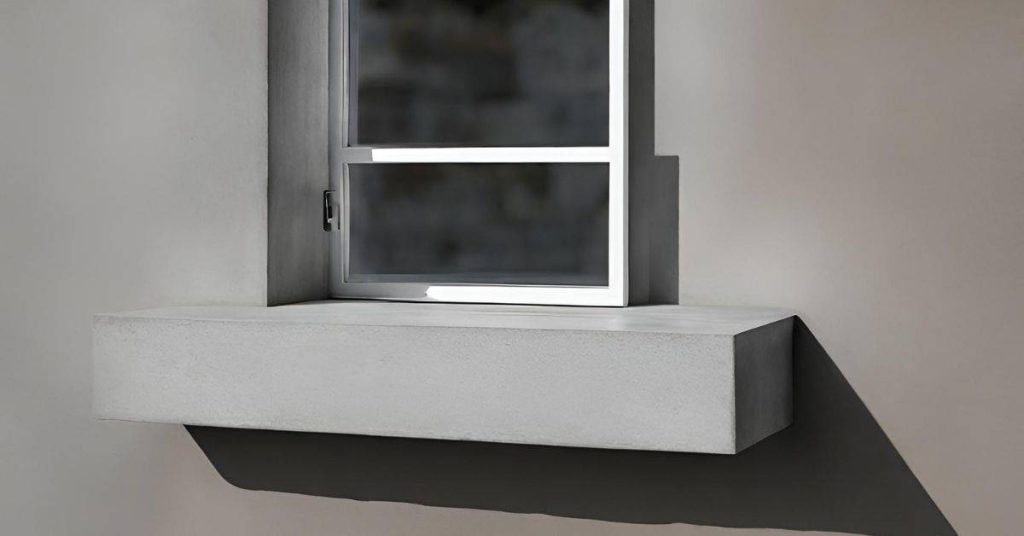
open window above wide concrete window sill casting shadow

Waterproofing Cast Concrete Fountains and Birdbaths: Coatings vs Liners and Maintenance

Introduction Waterproofing cast concrete fountains and birdbaths means choosing a method to keep water from leaking through the concrete. You can use coatings or liners, and each has its own pros for DIY setup and long-term maintenance. Check the product instructions and local rules to confirm compatibility with your concrete, climate, and any decorative finishes.

Waterproofing Cast Concrete Fountains and Birdbaths: Coatings vs Liners and Maintenance Read More »

Close-up of cracked gray concrete surface with visible fissures

Concrete Surface Profile Comparators: Choosing CSP Without Over-Grinding

Introduction CSP stands for Concrete Surface Profile, and it describes how rough or smooth a concrete surface is. Choosing the right CSP helps coatings and overlays grip well, without grinding away too much material. This article keeps it practical for DIYers and focuses on getting the profile right without overdoing it. The ICRI CSP scale

Concrete Surface Profile Comparators: Choosing CSP Without Over-Grinding Read More »