Search Results for: primer sealer for concrete

Closeup of rough stucco texture with grooves and patches

Dash-and-Lace Stucco Repairs: Hiding Patches Under Raking Light

Introduction Dash-and-Lace Stucco Repairs are patch-and-texture fixes designed to hide patches when light hits the wall. This hand-on method relies on small, deliberate texture changes to blend repairs with the surrounding surface under raking light. It’s a straightforward, bottom-line approach you can do with basic tools and patience. Work up-close so you can see the […]

Dash-and-Lace Stucco Repairs: Hiding Patches Under Raking Light Read More »

Worker smoothing fresh plaster wall wearing helmet and mask

Fresco vs Limewash on Fresh Plaster: What’s Possible and What Isn’t

Introduction Fresco involves pigments mixed into plaster as it cures, while limewash is pigment suspended in lime that you apply to the surface. On fresh plaster, the timing and technique you use will influence how well each method sticks and how the final look develops. This article gives a plain‑spoken DIY overview of what each

Fresco vs Limewash on Fresh Plaster: What’s Possible and What Isn’t Read More »

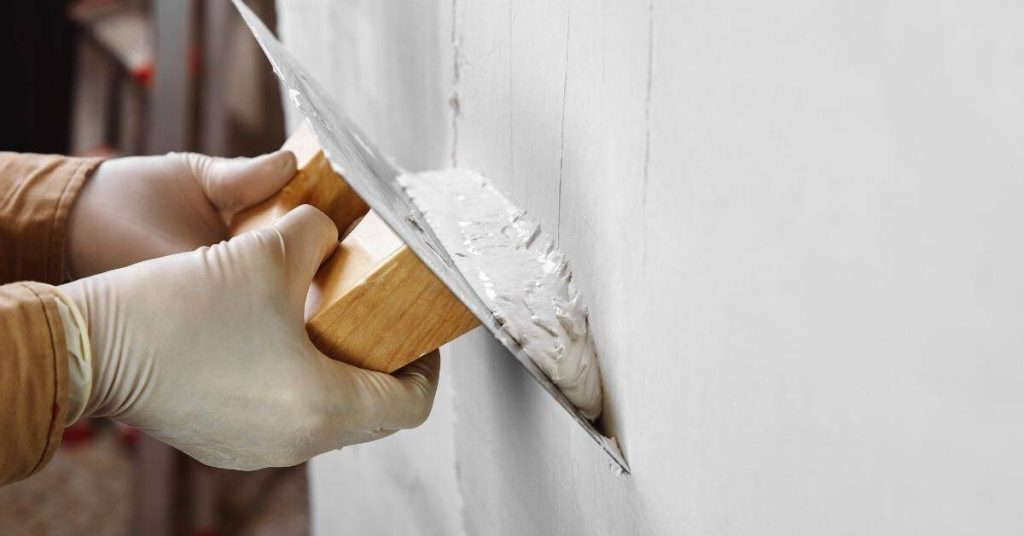
Hands wearing gloves applying plaster with a trowel on wall

Interior Limewash on Plaster: Prep, Multi-Coat Technique, and Blotch Fixes

Introduction Interior limewash on plaster is a breathable, traditional finish applied in thin coats to even color and texture. Prep steps include cleaning the wall, dampening the surface, repairing cracks, and applying a compatible breathable primer. Always check the primer and limewash compatibility on the product label or with the manufacturer instructions. Apply multiple thin

Interior Limewash on Plaster: Prep, Multi-Coat Technique, and Blotch Fixes Read More »

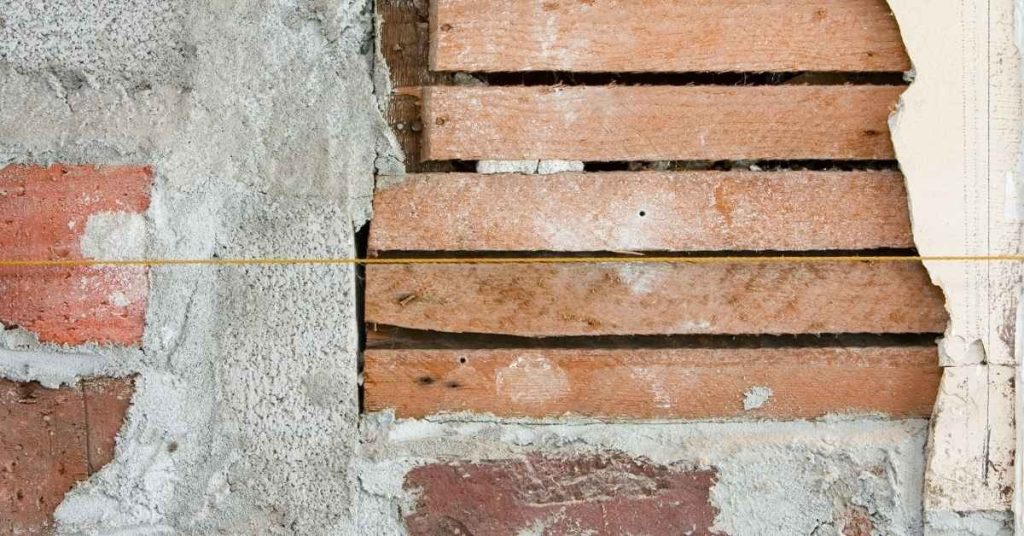
Exposed wooden lath under cracked plaster wall section

Rusting Stucco Lath in a Patch: Safe Cutback Limits and Better Refastening

Introduction Rusting stucco lath in a patch means the metal lath under the plaster has corroded and loosened, reducing support for the patch. That corrosion can cause the patch to crack or fall away if not addressed. Start by pulling back loose plaster and securing any loose lath pieces, then replace or tie back missing

Rusting Stucco Lath in a Patch: Safe Cutback Limits and Better Refastening Read More »

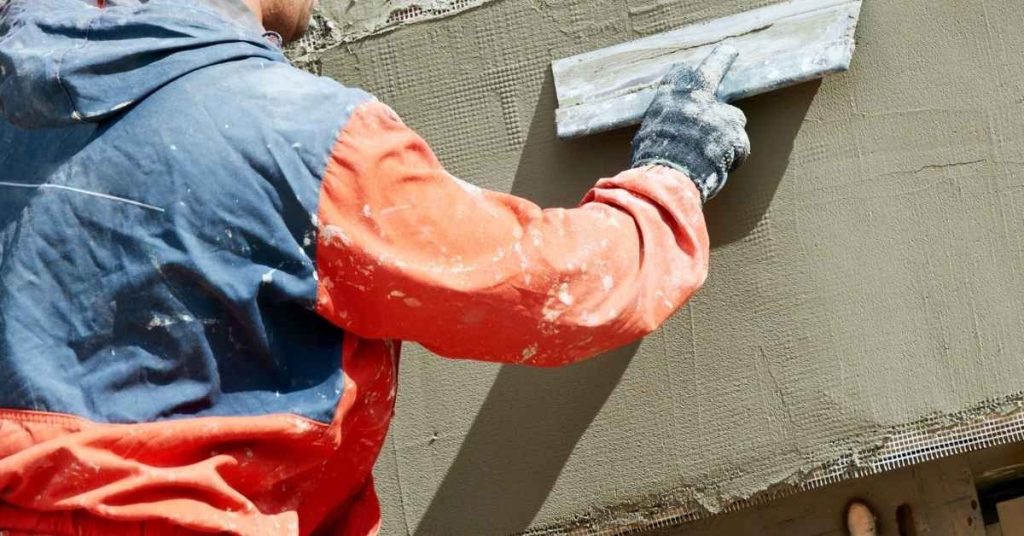
Person applying stucco to wall with trowel

Stucco Window Sills Done Right: Slope, End Dams, and Rot Prevention

Introduction This is about making stucco window sills that shed water properly and resist rot. You’ll focus on the right slope, install end dams, and plan for long-lasting rot prevention. Tackle it like a practical DIY project with common tools and careful flashing. Choose materials and details that stand up to moisture, and verify with

Stucco Window Sills Done Right: Slope, End Dams, and Rot Prevention Read More »

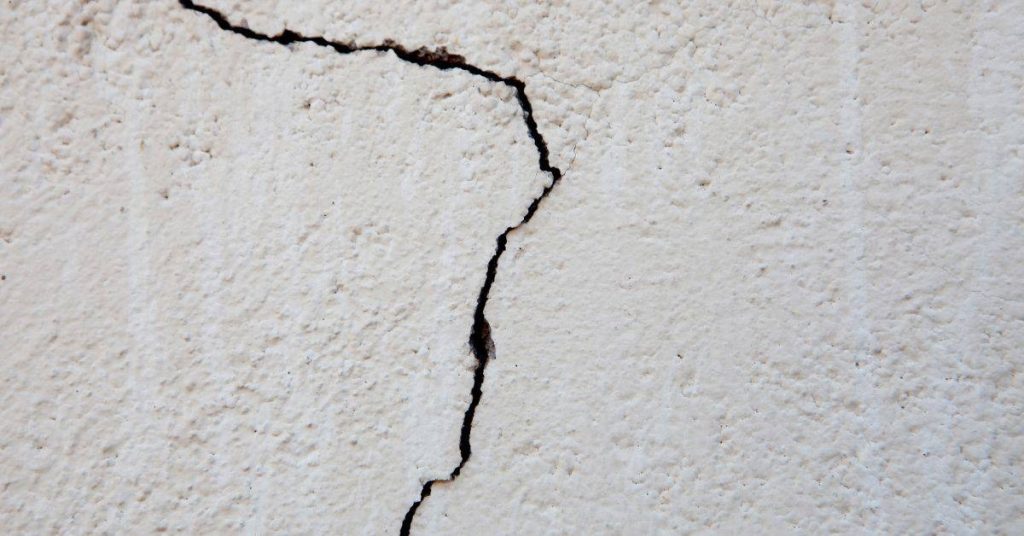
Closeup of stucco surface with a visible crack

Curing Stucco Patches in Heat and Wind: Mist Schedules and Weak-Finish Prevention

Introduction Curings stucco patches in heat and wind means maintaining a light, frequent mist to keep the surface from drying too fast and cracking. Misting is usually done on a schedule you adjust to the day, shielding the patch from direct sun when needed. Always monitor the patch for dryness, and check product and local

Curing Stucco Patches in Heat and Wind: Mist Schedules and Weak-Finish Prevention Read More »

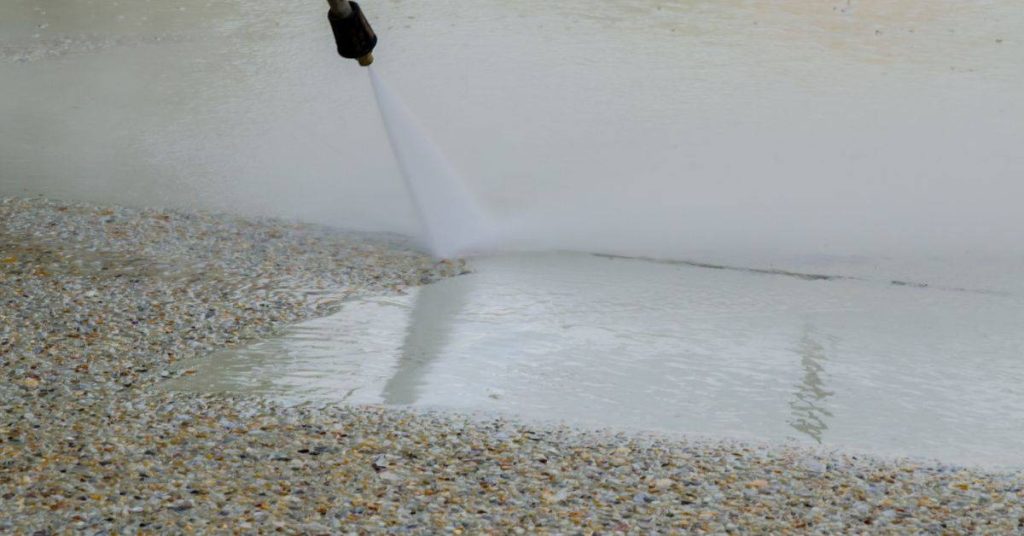
Pressure washing exposed aggregate concrete surface

Exposed Aggregate Repair Patches: Blending Stone Size and Washing Timing to Match

Introduction Exposed aggregate repair patches involve matching the look of the existing surface by using stone-size blends and controlled washing timing. This article gives a practical, hands-on view for DIYers on how to prep, bond, and patch exposed aggregate without a full resurfacer. We’ll cover how to choose the right aggregate size, how to wash

Exposed Aggregate Repair Patches: Blending Stone Size and Washing Timing to Match Read More »

Blue painted wooden doors with visible horizontal paint streaks

Why Paint Gets Sticky Behind Doors: Soft Films, Plasticizers, and Blocking Prevention

Introduction Sticky paint behind doors is when the film stays soft and tacky after it dries. That softness can come from plasticizers in the paint and a finish that cures slowly in tight spaces. Heat, humidity, and being pressed between door frames can make the film stay sticky longer. To prevent or fix it, read

Why Paint Gets Sticky Behind Doors: Soft Films, Plasticizers, and Blocking Prevention Read More »

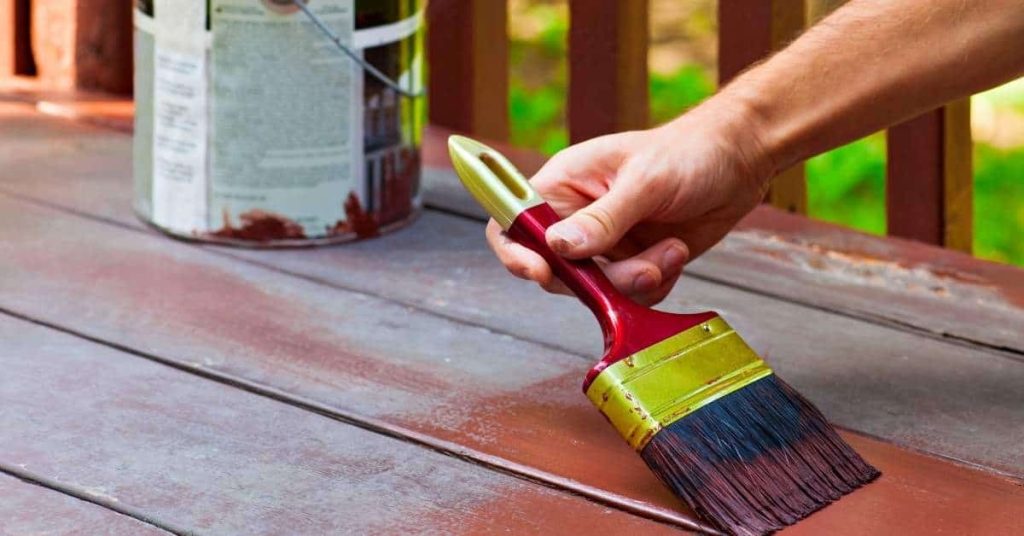
Hand painting wooden deck with red paint and brush

How to Paint When Nights Are Cold: Dew, Condensation, and Why Morning Painting Sometimes Fails

Introduction Cold nights create dew and condensation that can sabotage paint adhesion. If you paint when surfaces are damp or the surface is cooling through the night, you risk cloudy finishes and peeling. This article explains practical checks and timing to avoid those problems. To plan smartly, check the forecast and test surfaces for moisture

How to Paint When Nights Are Cold: Dew, Condensation, and Why Morning Painting Sometimes Fails Read More »

Man in blue overalls painting a plain interior wall

Painting Over Paint That Never Fully Cured: Why It Wrinkles and How to Reset the Surface

Introduction Wrinkling happens when a paint layer hasn’t fully cured, so a new coat can’t lay flat. That soft film traps solvents and moisture, causing bubbles and wrinkles as you apply fresh paint. Work with the surface you have, not against it, and you’ll improve the look. To reset the surface, start by cleaning and

Painting Over Paint That Never Fully Cured: Why It Wrinkles and How to Reset the Surface Read More »