Search Results for: poly sand

Large precast concrete wall panels supported by braces at construction site

Geopolymer Concrete: When It Beats Portland Cement (Including Precast Planters)

Introduction Geopolymer concrete is an alternative to Portland cement that uses aluminosilicate binders activated by alkalis. For DIY projects, it can be mixed and cured similarly to regular concrete, but you’ll want to follow the product instructions and local guidelines. In precast planters, it can offer different finish options and installation flexibility. Geopolymer concrete often […]

Geopolymer Concrete: When It Beats Portland Cement (Including Precast Planters) Read More »
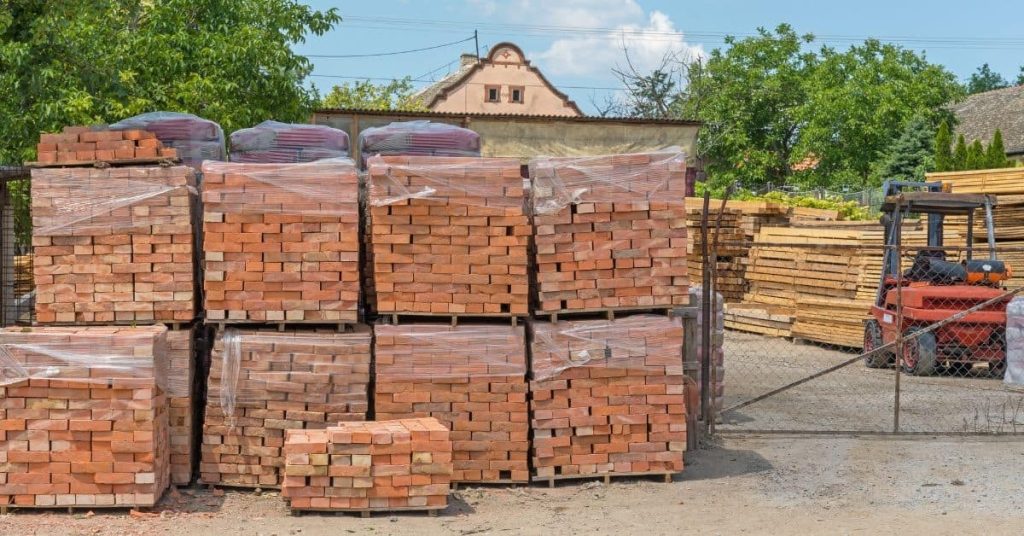
Stacks of red bricks wrapped on wooden pallets outdoors

Alternative Building Materials Compared: Hempcrete, Limecrete, Rammed Earth, and Geopolymer

Introduction This article compares hempcrete, limecrete, rammed earth, and geopolymer concrete as alternative building materials. In plain terms, these are non-traditional mixes and methods used for walls, floors, and envelopes in DIY projects. If you’re planning a project, check product labels, manufacturer instructions, and local rules for guidance on handling, curing, and compatibility with other

Alternative Building Materials Compared: Hempcrete, Limecrete, Rammed Earth, and Geopolymer Read More »

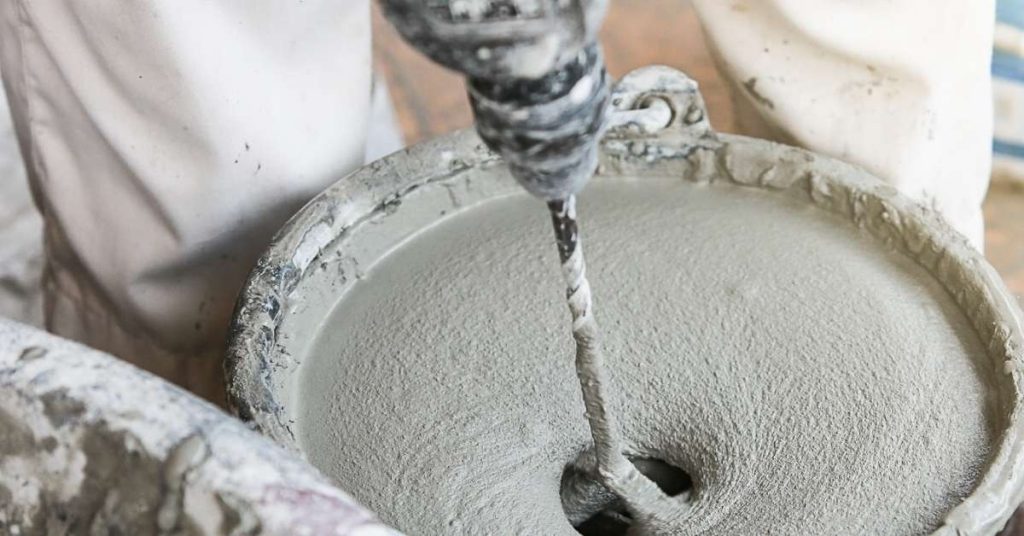
Mixing gray cement mixture in a bucket with drill paddle

Polymer-Modified Overlays: Mixing, Thickness, and Curing for Durability

Introduction Polymer-modified overlays are thin concrete toppings that use polymer additives to improve adhesion and durability. Mix according to the product label and manufacturer instructions; mix until uniform. Apply in an even coat to the prepared surface, checking that the mixture stays workable. The right thickness and proper curing are key to long‑lasting results. Follow

Polymer-Modified Overlays: Mixing, Thickness, and Curing for Durability Read More »

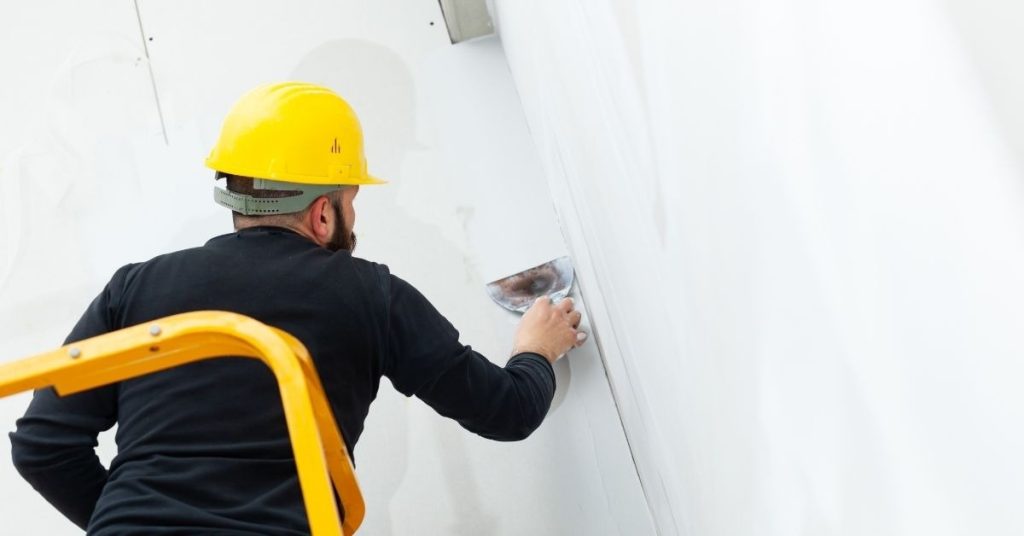
Worker wearing yellow helmet applying plaster to wall

Lime Plaster Base Coats: Sand Selection, Hair Reinforcement, and Shrink Control

Introduction Lime plaster base coats are the first thick layer of lime-rich render that provides a key substrate for finish coats and helps control moisture and movement. For DIY work that means picking clean, well-graded sand suited to lime, keeping hair or fiber reinforcement evenly distributed to bridge shrinkage, and using mixing proportions recommended by

Lime Plaster Base Coats: Sand Selection, Hair Reinforcement, and Shrink Control Read More »

white plaster wall with uneven textured surface

Venetian Plaster Over Existing Texture: When to Skim, When to Sand, and When to Remove

Introduction Venetian plaster over existing textured walls means deciding whether to skim, sand, or remove that texture so the final finish looks smooth and bonds properly. In plain jobsite terms: skim if the texture is shallow and solid, sand if it’s flaky or slightly high, and remove if it’s loose, highly uneven, or has adhesion

Venetian Plaster Over Existing Texture: When to Skim, When to Sand, and When to Remove Read More »

Glossy shiny black epoxy coated floor reflecting light

Polyurea vs Epoxy Floor Coatings: Where Fast Cure Helps and Where It Causes Failure

Introduction Polyurea and epoxy are two different floor coatings: polyurea cures very fast and stays flexible, while epoxy cures slower and tends to be harder and more rigid. For a DIYer that means polyurea can get you back on the floor quickly, but the fast cure also makes surface prep and application less forgiving. Check

Polyurea vs Epoxy Floor Coatings: Where Fast Cure Helps and Where It Causes Failure Read More »

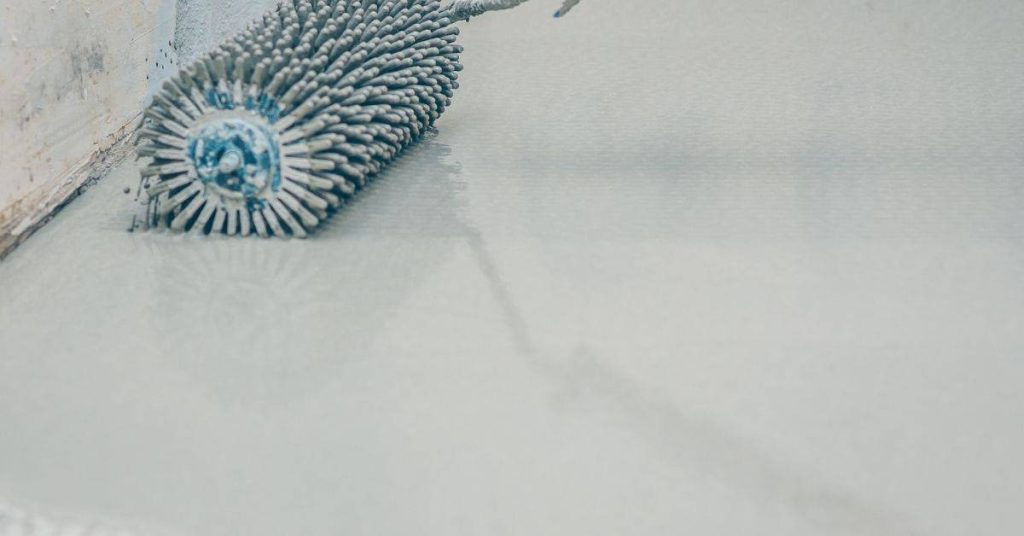
Spiked roller tool on wet floor coating surface

Polyaspartic Floor Coatings for DIY: Working Time, Odor, and Surface Prep Requirements

Introduction Polyaspartic floor coatings are fast-curing two-part coatings used to protect and finish concrete, and for a DIYer that means short working time, noticeable odor, and careful surface prep. Think like a tradesperson: plan your mixing and application in short, deliberate steps and check the product label for working time, recommended respirators, and substrate requirements.

Polyaspartic Floor Coatings for DIY: Working Time, Odor, and Surface Prep Requirements Read More »

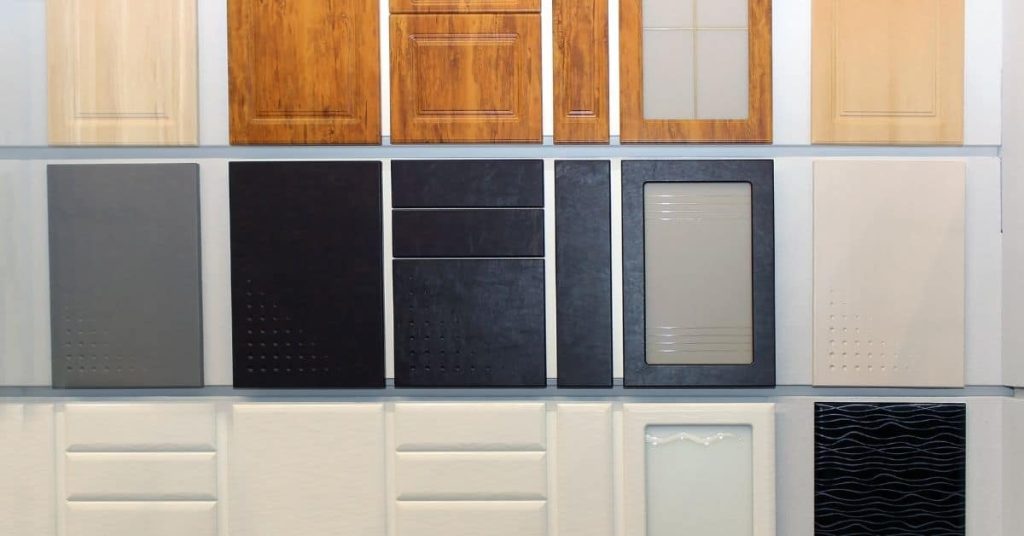
Various painted cabinet door samples in multiple colors and finishes

Furniture-Grade Painted Finishes: Grain Filling, Sanding, and Topcoat Choices

Introduction Furniture-grade painted finishes means getting a smooth, filled grain surface that takes paint like shop work so your piece looks professional; it’s done by filling open grain, sanding flat, and choosing the right topcoat. This is a hands-on sequence: pick a grain filler compatible with your paint, sand progressively to remove filler and level

Furniture-Grade Painted Finishes: Grain Filling, Sanding, and Topcoat Choices Read More »

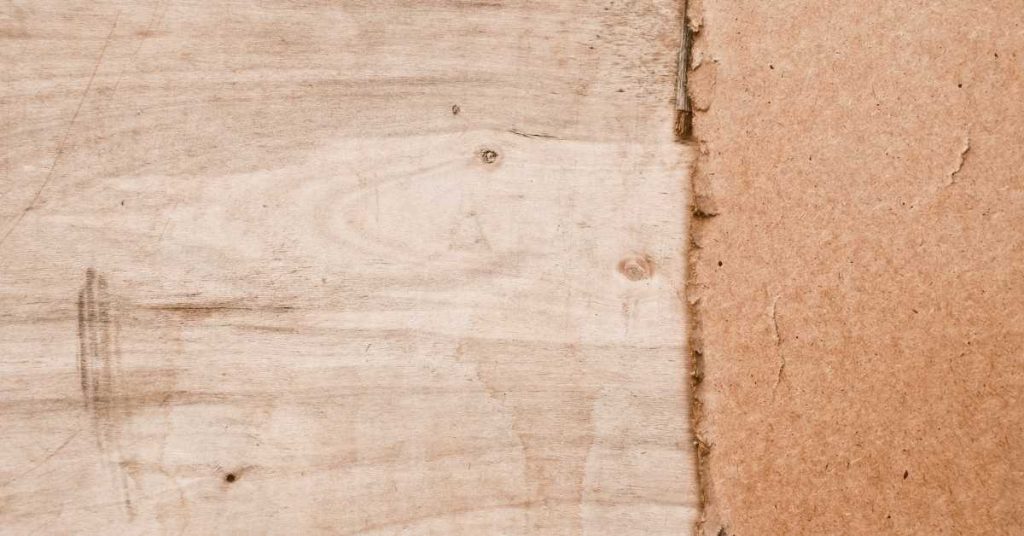
Closeup of rough plywood and fiberboard surfaces meeting

Chalk Paint Topcoats: Wax vs Poly and How to Avoid Sticky Surfaces

Introduction Chalk paint topcoats are either wax or polyurethane (poly) finishes that protect and change the feel of the painted surface; wax leaves a softer, low-sheen hand while poly gives a tougher, more durable film. Choose wax for a velvety, easy-to-touch finish and poly for higher abrasion and moisture resistance, and check the product label

Chalk Paint Topcoats: Wax vs Poly and How to Avoid Sticky Surfaces Read More »

smooth beige plaster wall texture

Venetian Plaster Over Existing Texture: Timeline & Duration for Skim, Sand, or Remove

Introduction Planning to apply Venetian plaster over existing texture? Understanding the timeline and duration of each preparation method—skim, sand, or remove—is crucial to set realistic expectations and ensure a smooth project. Let’s break down the time commitment for each approach so you can plan your project effectively. For the full guide, see Venetian Plaster Over

Venetian Plaster Over Existing Texture: Timeline & Duration for Skim, Sand, or Remove Read More »