Search Results for: poly sand

Person wearing dusty work boots standing on exposed wooden floor joists

Polyaspartic That Sets Too Fast: Staging Your Work to Avoid Lap Marks

Introduction When a polyaspartic coating sets too fast, you lose time to blend edges and fix lap marks. Staging your work means breaking the job into smaller batches so you can maintain a wet edge and avoid visible seams. This article gives practical, hands-on tips you can apply at the jobsite. Factors like temperature, humidity, […]

Polyaspartic That Sets Too Fast: Staging Your Work to Avoid Lap Marks Read More »

Stucco wall with two boarded windows and one boarded door

Stucco Discoloration From Efflorescence vs Salts in Sand: Simple Tests and Fixes

Introduction Efflorescence is a white salt bloom that appears on stucco when moisture moves soluble salts to the surface. It can look like chalky powder and is often mistaken for new stains. But salts in the sand or mix can also discolor, and moisture is the common driver. To tell efflorescence from salts in the

Stucco Discoloration From Efflorescence vs Salts in Sand: Simple Tests and Fixes Read More »

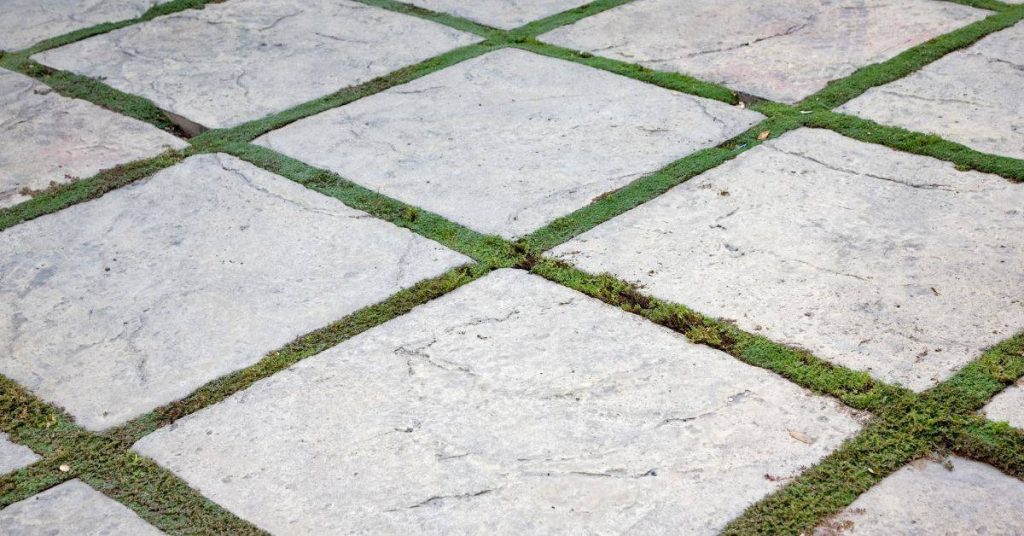
Square stone pavers with green moss in the joints

Sandblasted Finishes: Uniformity Tricks and How to Avoid Shadowing Around Joints

Introduction Sandblasted finishes are a textured surface created by blasting marble with abrasive media to reveal the stone’s grain. The result is a matte, slip-resistant look that hides tiny flaws and can add character to a space. As a DIY project, it’s important to understand that consistency comes from planning, the right media, and steady

Sandblasted Finishes: Uniformity Tricks and How to Avoid Shadowing Around Joints Read More »

Concrete ceiling with patched spalling areas

Polymer-Modified Repair Mortars in Freeze–Thaw Zones: When Polymer Helps and When It Hurts

Introduction Polymer-modified repair mortars are cement mixes that use polymers to improve adhesion and cohesiveness in damaged concrete. In DIY jobs near freeze–thaw cycles, they can help keep cracks from reopening if applied to a clean, prepped surface. Always read the product label for mixing ratios, cure time, and any temperature guidance before starting. Polymers

Polymer-Modified Repair Mortars in Freeze–Thaw Zones: When Polymer Helps and When It Hurts Read More »

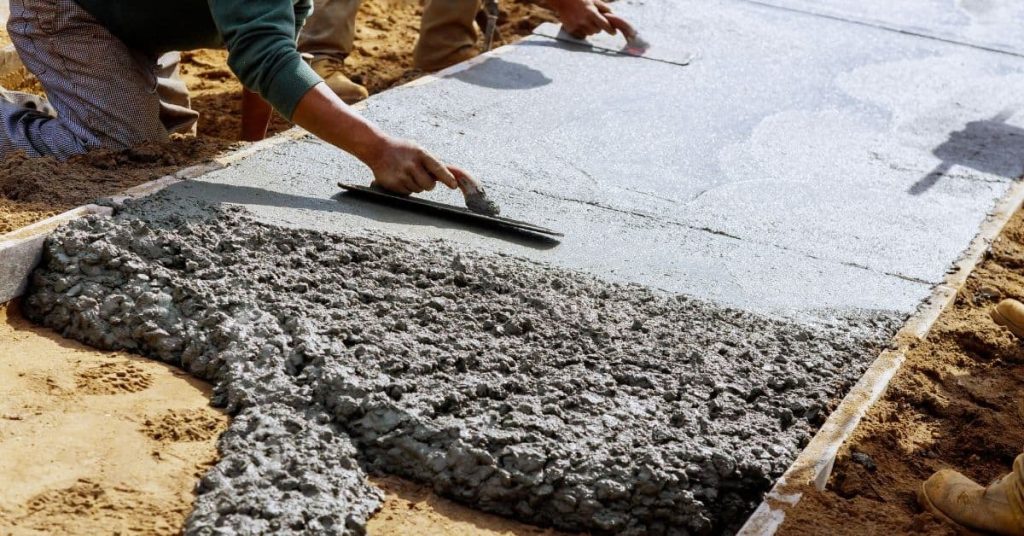
Hands smoothing wet concrete with trowels on a slab

Basalt Fibers vs Polypropylene Fibers: Crack Control, Finishing, and Cost Tradeoffs

Introduction Basalt fibers and polypropylene fibers are two concrete add-ons that help crack control and finishing, with different costs and handling requirements. In practice, the choice comes down to how you mix, place, and finish the concrete, plus how much you’re willing to pay for long-term durability. Always check the manufacturer instructions and local rules

Basalt Fibers vs Polypropylene Fibers: Crack Control, Finishing, and Cost Tradeoffs Read More »

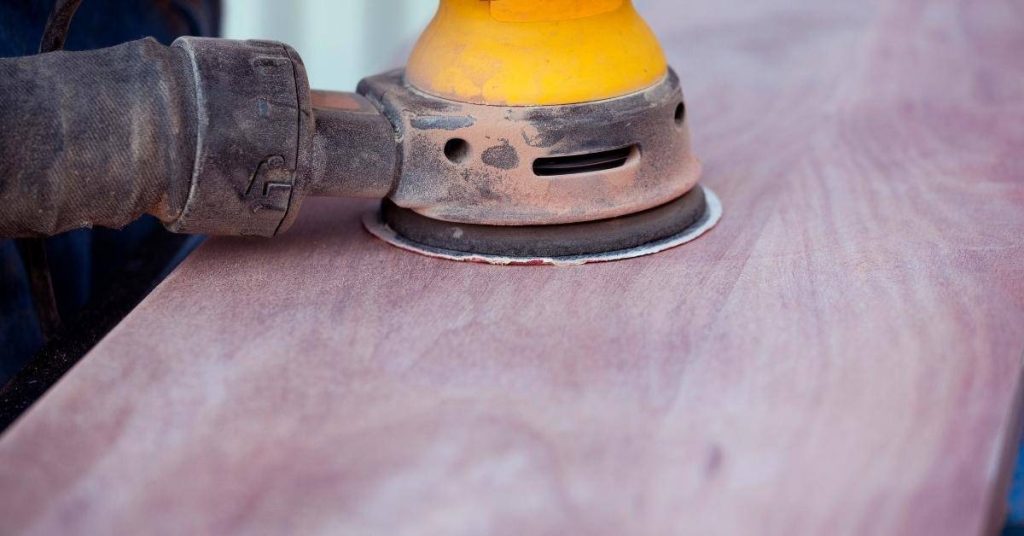
Orbital sander sanding smooth plywood surface

How to Fix Raised Paint Edges at Tape Lines: Sanding and recoat strategy

Introduction Raised paint edges at tape lines are ridges formed where tape seals and paint creeps under. This guide shows how to sand them smooth and refinish without pulling off surrounding paint. Use a light touch, gentle feathering, and follow the tape and paint manufacturer’s instructions. Sanding should be light and even, targeting only the

How to Fix Raised Paint Edges at Tape Lines: Sanding and recoat strategy Read More »

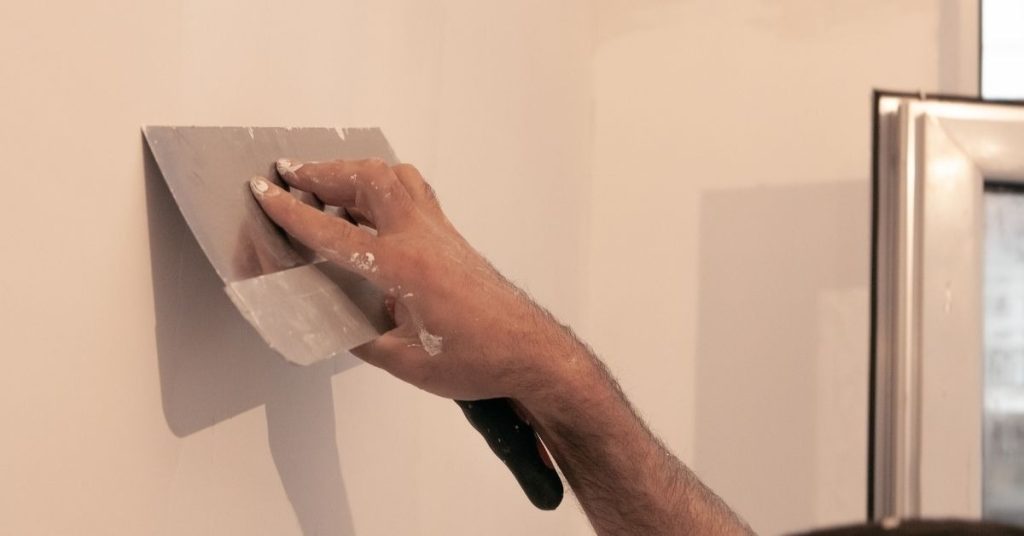
Close-up of painted textured drywall surface

Polyaspartic Coatings: Cure Times, Surface Prep, and DIY Reality Check

Introduction Polyaspartic coatings are fast-curing concrete coatings used to seal and protect floors. This article cuts through hype and tells you what to expect in terms cure times, prep steps, and what DIY installers should plan for. We’ll cover the real-world steps, from surface prep to finishing touches, in plain language you can actually follow.

Polyaspartic Coatings: Cure Times, Surface Prep, and DIY Reality Check Read More »

Concrete garage floor with paint roller and wet coating

Garage Floor Paint vs Epoxy vs Polyaspartic: What Actually Holds Up

Introduction Garage floor coatings come in paint, epoxy, and polyaspartic, each with its own durability profile. Paint is simple and forgiving, epoxy offers a thicker hard coat, and polyaspartic dries fast and resists temperature swings. This guide helps you compare protection, appearance, and DIY viability before you pick. You’ll learn what to expect in terms

Garage Floor Paint vs Epoxy vs Polyaspartic: What Actually Holds Up Read More »

Concrete screeding tool smoothing wet concrete surface

Concrete Sand: Mason Sand vs Concrete Sand vs Play Sand (What Actually Works)

Introduction Concrete sand is the coarse, well-graded sand used in concrete mixes and as bedding material. Mason sand, concrete sand, and play sand differ mainly in texture, particle size, and how they compact. Knowing which to use depends on the job and what the sand needs to do in the mix or base. Mason sand

Concrete Sand: Mason Sand vs Concrete Sand vs Play Sand (What Actually Works) Read More »