Search Results for: poly sand

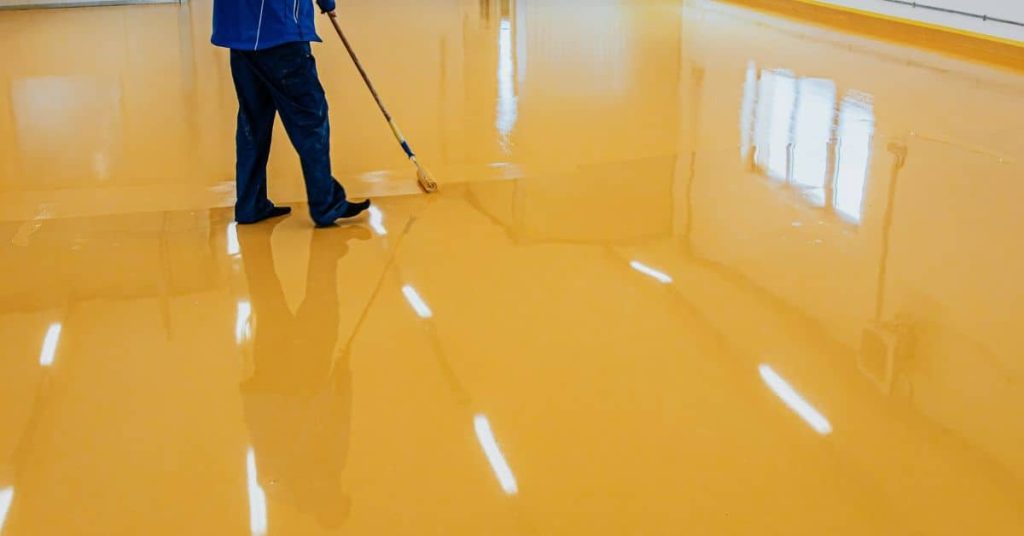
Person applying yellow epoxy coating on garage floor

Painting a Garage Floor: Epoxy vs Polyurea vs Polyaspartic Systems Compared

Introduction Painting a garage floor means choosing between epoxy, polyurea, and polyaspartic systems based on what you need: epoxy is durable and affordable but slower to cure, polyurea is extremely tough and fast-curing, and polyaspartic sits between them with quick return-to-service and good UV resistance; check product labels and manufacturer instructions for exact cure times […]

Painting a Garage Floor: Epoxy vs Polyurea vs Polyaspartic Systems Compared Read More »

Liquid concrete pouring onto rough concrete slab

Concrete Overlay Over Old Broom Finish: How to Lock Down Loose Sand and Prevent Delamination

Introduction Locking down loose sand and preventing delamination means preparing a broom-finished surface so the new overlay bonds firmly without peeling. Start by cleaning the surface, removing dust and loose particles with a stiff brush and a vacuum. Check the old slab for cracks and moisture and address any defects before proceeding. Choose a compatible

Concrete Overlay Over Old Broom Finish: How to Lock Down Loose Sand and Prevent Delamination Read More »

Hand painting wall with green paint using roller

Chalk Paint Topcoats: Wax vs Poly – A Step-by-Step Timeline to Avoid Sticky Surfaces

Introduction Applying chalk paint topcoats can be a rewarding DIY project, but it’s crucial to understand the timeline and duration of each step to ensure a successful finish without sticky surfaces. This guide walks you through the process from start to finish, focusing on the time commitment for each task. Whether you’re using wax or

Chalk Paint Topcoats: Wax vs Poly – A Step-by-Step Timeline to Avoid Sticky Surfaces Read More »

Worker applying stucco to block wall near windows covered in blue plastic

Mixing Stucco for Repairs: Sand Gradation, Lime Content, and Workability Tips

Introduction Mixing stucco for repairs means blending cement, sand, and lime to get a durable, workable patch that matches the existing surface. Use sand graded for stucco (check the product label or supplier gradation), add lime for flexibility per manufacturer guidance, and adjust water until the mix holds shape without slumping. Aim for a consistency

Mixing Stucco for Repairs: Sand Gradation, Lime Content, and Workability Tips Read More »

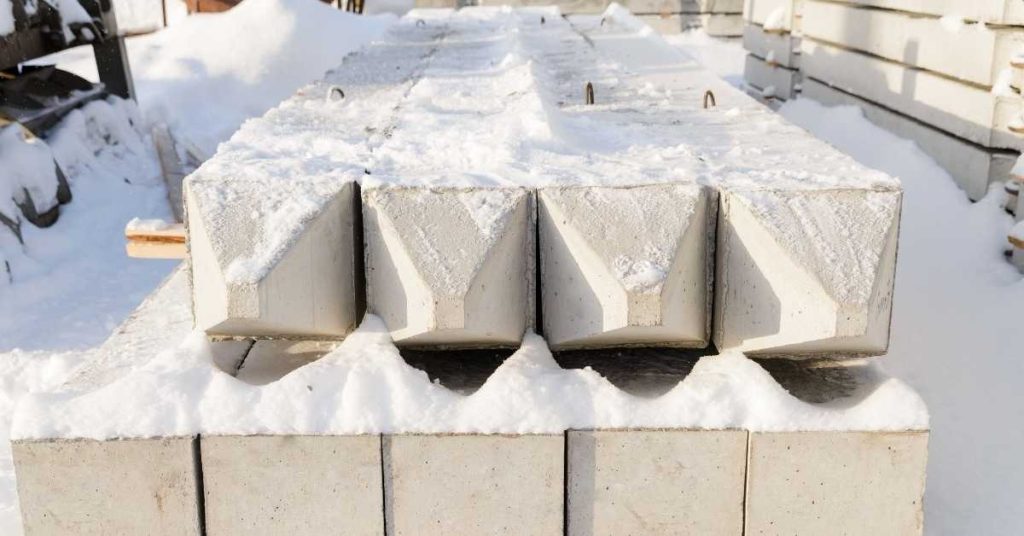
Precast concrete beams covered with snow outdoors

Fiber Reinforced Concrete for Small Projects: Poly vs Glass vs Steel Fibers Compared

Introduction Fiber reinforced concrete for small projects is concrete mixed with short fibers—polypropylene, glass, or steel—added to improve crack control and toughness; think of them as a distributed reinforcement choice rather than a substitute for rebar when needed. For a DIYer, the choice depends on the job: polypropylene is economical and helps plastic shrinkage, glass

Fiber Reinforced Concrete for Small Projects: Poly vs Glass vs Steel Fibers Compared Read More »

Hand using float tool smoothing fresh concrete joint

Polyurethane Crack Sealants in Concrete: Joint Prep, Backer Rod, and Tooling Tips

Introduction Polyurethane crack sealant is a flexible caulk used to fill and seal concrete joints and cracks to keep water and debris out while allowing movement. For a good DIY result, clean the joint, set an appropriate backer rod if the crack is deep or wide, and follow the sealant manufacturer’s instructions for temperature, priming,

Polyurethane Crack Sealants in Concrete: Joint Prep, Backer Rod, and Tooling Tips Read More »

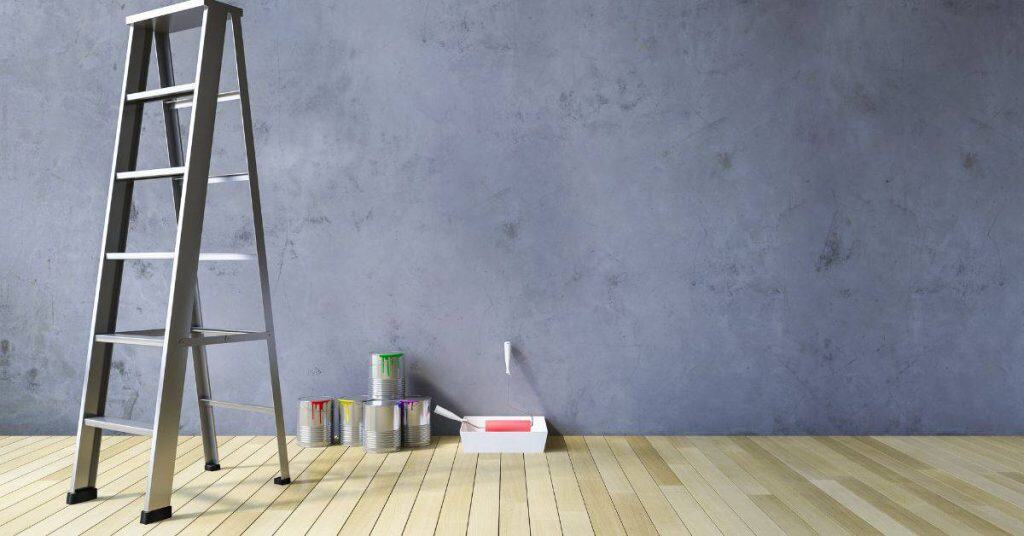
Aluminum ladder next to paint cans and roller on wooden floor

Prepping Glossy Surfaces for Paint Adhesion: Bond Tests, Sanding Grits, and When Deglossers Fail

Introduction Prepping glossy surfaces for paint adhesion means removing or disrupting the shiny layer and testing the bond before committing—either by sanding, using a chemical deglosser, or combining both with the right primer. You can sometimes skip aggressive sanding if a proper deglosser and an adhesion-promoting primer are compatible with the substrate, but check product

Prepping Glossy Surfaces for Paint Adhesion: Bond Tests, Sanding Grits, and When Deglossers Fail Read More »

Drywall panels with taped and mudded joints in unfinished room

How to Repair a Damaged Drywall Vapor Barrier/Poly Behind the Wall (When It Matters)

Introduction Repairing a damaged drywall vapor barrier behind the wall means fixing the moisture barrier layer in the wall cavity to control condensation and potential mold. This is a hands-on job you can do with basic tools, but you need to confirm the barrier’s location and condition. Check the wall area for moisture signs and

How to Repair a Damaged Drywall Vapor Barrier/Poly Behind the Wall (When It Matters) Read More »

Interlocking permeable paver blocks with open joints and gravel fill.

Concrete Paver ‘Rocking’ Fix on Sand: When to Regrade vs. Switch to Mortar

Introduction A rocking concrete paver on sand happens when the base shifts and the paver isn’t bedded level. You’ll usually see movement when a surface feels wobbly or shows gaps around edges. This article helps you decide whether to regrade the base or switch to mortar in a simple, hands-on way. To identify the problem,

Concrete Paver ‘Rocking’ Fix on Sand: When to Regrade vs. Switch to Mortar Read More »