Search Results for: poly sand

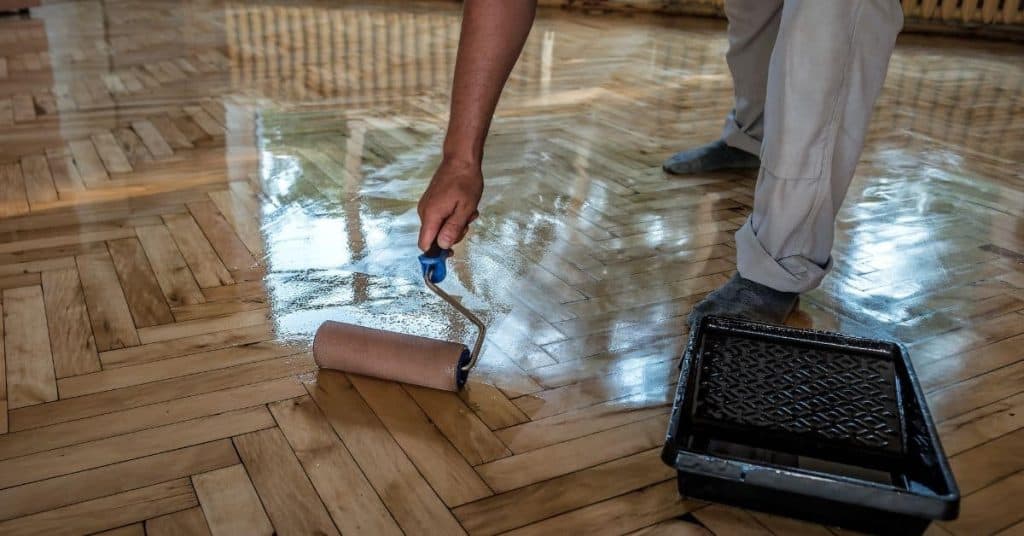
Person applying finish with roller on wooden floor

Water-Based Vs Oil-Based Polyurethane Floor Finish: Which One to Use in Wet Areas

Introduction Water-based and oil-based polyurethane are two finish options for sealing wood floors in wet areas. Water-based finishes dry quickly and stay relatively clear, while oil-based finishes tend to deepen the wood color as they cure. Both can protect against moisture when applied correctly, but prep and cure conditions matter. Durability, odor, and price vary

Water-Based Vs Oil-Based Polyurethane Floor Finish: Which One to Use in Wet Areas Read More »

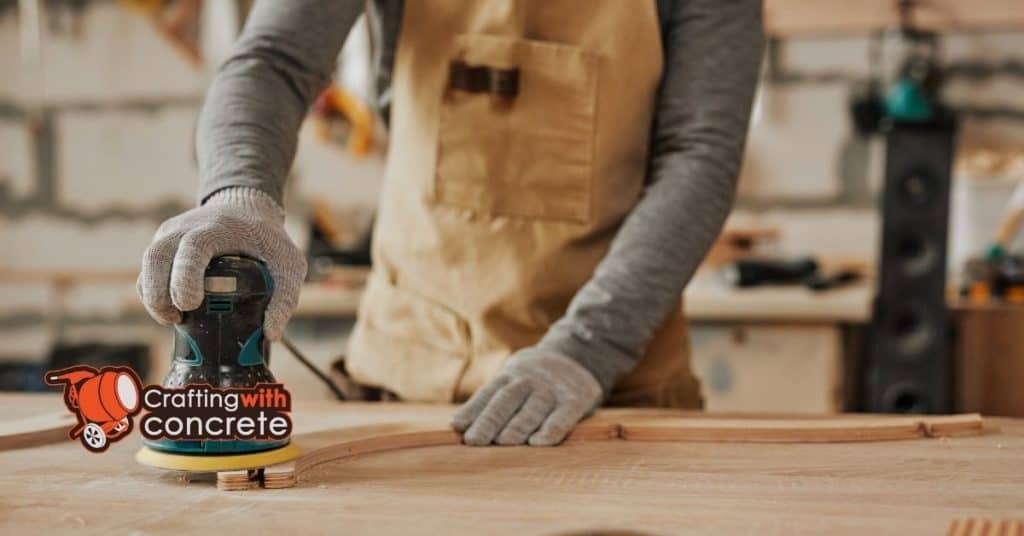
Worker using floor sanding machine on hardwood floor

Best Sanders for Hardwood Floors 2026: Problems Explained: Causes, Testing, and Fixes

Introduction Best Sanders for Hardwood Floors 2026 means choosing the right sander category to finish wood smoothly and evenly. This guide explains common sanding problems, why they happen, and how you can test and address them on a real job. Think of it as a practical, hands-on check that helps you pick the best tool

Best Sanders for Hardwood Floors 2026: Problems Explained: Causes, Testing, and Fixes Read More »

Stucco Texture Options That Hide Repairs: Sand Float Vs Lace Vs Dash Vs Skip Trowel

Stucco Repair Timeline: Step-by-Step Guide to Hiding Repairs with Sand Float, Lace, Dash, and Skip Trowel Textures

Introduction Embarking on a stucco repair project? Understanding the timeline is crucial for planning your work efficiently. This guide walks you through the step-by-step process of hiding repairs using sand float, lace, dash, and skip trowel textures, ensuring you complete each task within the right timeframe. Whether you’re a seasoned DIYer or a first-timer, this

Stucco Repair Timeline: Step-by-Step Guide to Hiding Repairs with Sand Float, Lace, Dash, and Skip Trowel Textures Read More »

Water Based vs Oil Based Polyurethane Floor Finish: Key Differences + Which One to Choose

Water Based vs Oil Based Polyurethane Floor Finish: Key Differences + Which One to Choose

Introduction Water-based polyurethane dries quickly and stays clear, while oil-based polyurethane darkens floors and adds durability. This guide helps you compare factors like odor, cure time, traffic, and maintenance so you can choose the right finish for your floor. You’ll learn how to assess your project, weigh the pros and cons, and follow practical guidance

Water Based vs Oil Based Polyurethane Floor Finish: Key Differences + Which One to Choose Read More »

Capillary Break Under Footings: Simple Gravel + Poly Details That Reduce Damp Basements

Capillary Break Under Footings: Simple Gravel + Poly Details That Reduce Damp Basements

Introduction A gravel capillary break beneath footings, combined with a poly barrier, prevents capillary rise and reduces basement dampness. The article shows how this simple system works in practice and walks you through practical steps for selecting gravel, installing the barrier, and laying out the under-footing layer to improve moisture control. Key takeaways Use continuous

Capillary Break Under Footings: Simple Gravel + Poly Details That Reduce Damp Basements Read More »

Stucco Cracks: the Myth of ‘just Cosmetic’ Damage That Can Cost You Thousands

Stucco Cracks: the Myth of ‘just Cosmetic’ Damage That Can Cost You Thousands

Introduction Stucco cracks are rarely cosmetic and can signal costly structural or moisture issues. This guide explains why cracks matter, how to assess severity, and what steps you can take to prevent further damage. You’ll learn practical tips for inspection, signs to watch for, and the kind of expert advice to seek before repairs. Back

Stucco Cracks: the Myth of ‘just Cosmetic’ Damage That Can Cost You Thousands Read More »

How to Find the Right Stucco Mix for Patching: Sand, Lime, and Cement Ratios

How to Find the Right Stucco Mix for Patching: Sand, Lime, and Cement Ratios

Introduction Find the right stucco mix for patching by balancing sand, lime, and cement to match your repair. This guide explains practical ratios, how to adjust for climate and substrate, and the key steps to mix, test, and apply patch material. By the end, you’ll be able to choose a mix that matches existing plaster

How to Find the Right Stucco Mix for Patching: Sand, Lime, and Cement Ratios Read More »

Wet-Sanding Counters Without Clouds of Dust

Wet-Sanding Counters Without Clouds of Dust

Table of Contents When to choose wet-sanding vs dry-sanding Tools and materials checklist Workspace setup and containment to minimize dust spread Surface preparation and repairs before wet-sanding Step-by-step wet-sanding technique Polishing and buffing for a streak-free finish Cleanup, drying, and post-project inspection Safety, health risks, and PPE (explicit guidance) Wastewater, environmental handling, and legal considerations

Wet-Sanding Counters Without Clouds of Dust Read More »