Search Results for: mortar type

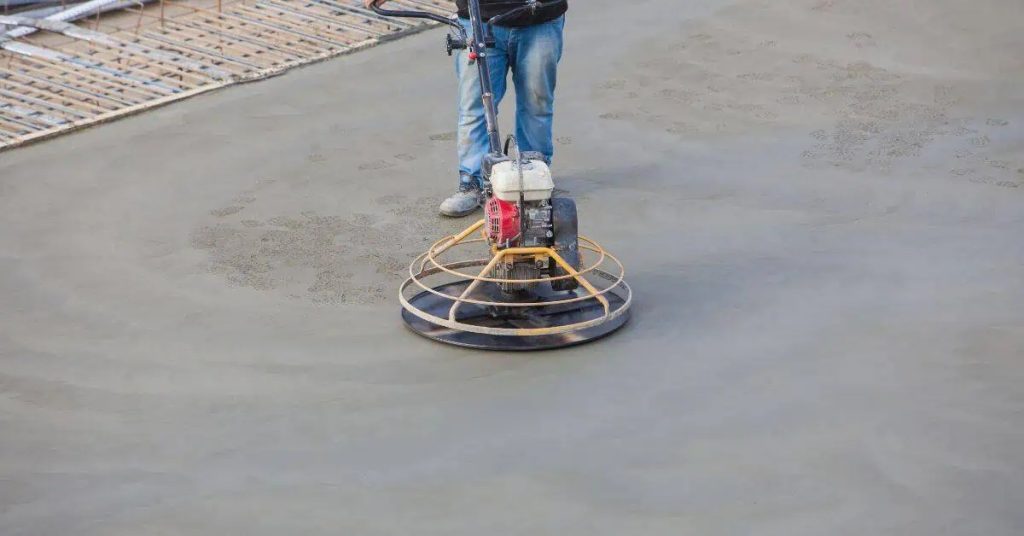
person using power trowel on wet concrete slab

Foamed Concrete for Lightweight Planters and Fill: DIY Mixing, Placing, and Finishing

Introduction Foamed concrete is a lightweight mix used for making planters and fill, mixed with air-entraining foam to reduce weight. This article walks you through practical, hands-on steps for mixing, placing in forms, and finishing for a durable, good-looking result. Check the product instructions and local rules for material limits before you start. Choose the […]

Foamed Concrete for Lightweight Planters and Fill: DIY Mixing, Placing, and Finishing Read More »
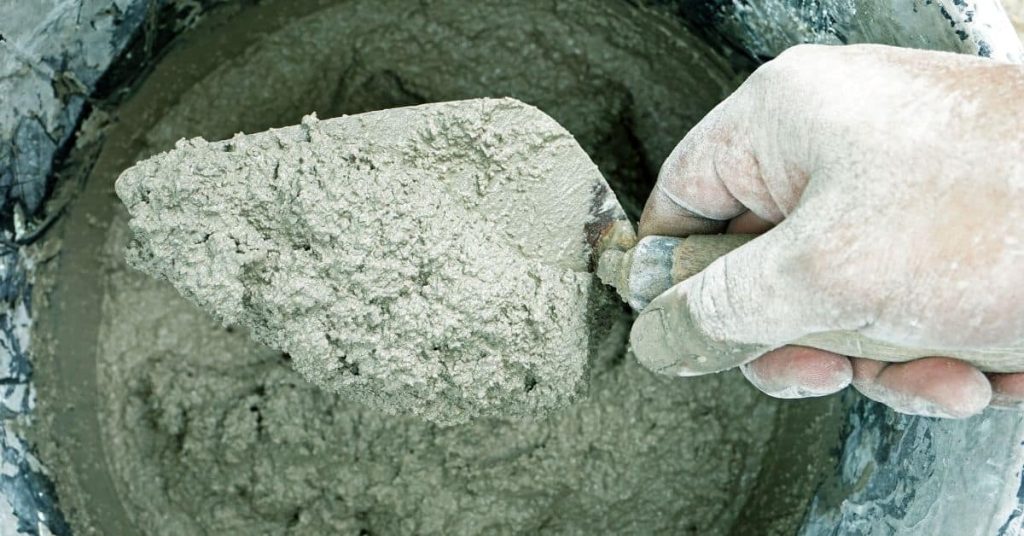
Hand holding trowel with wet concrete mixture

Shotcrete vs Hand Patching for Vertical Repairs: When Shotcrete Wins (and Why Patches Fail)

Introduction Shotcrete is a sprayed concrete repair method that builds up material quickly on vertical surfaces. Hand patches involve applying a keyed patch with mix and hand troweling, which is slower and more surface-bound. For DIY projects, shotcrete can address larger flaws, while patches rely on proper surface prep and bonding. In practice, shotcrete wins

Shotcrete vs Hand Patching for Vertical Repairs: When Shotcrete Wins (and Why Patches Fail) Read More »

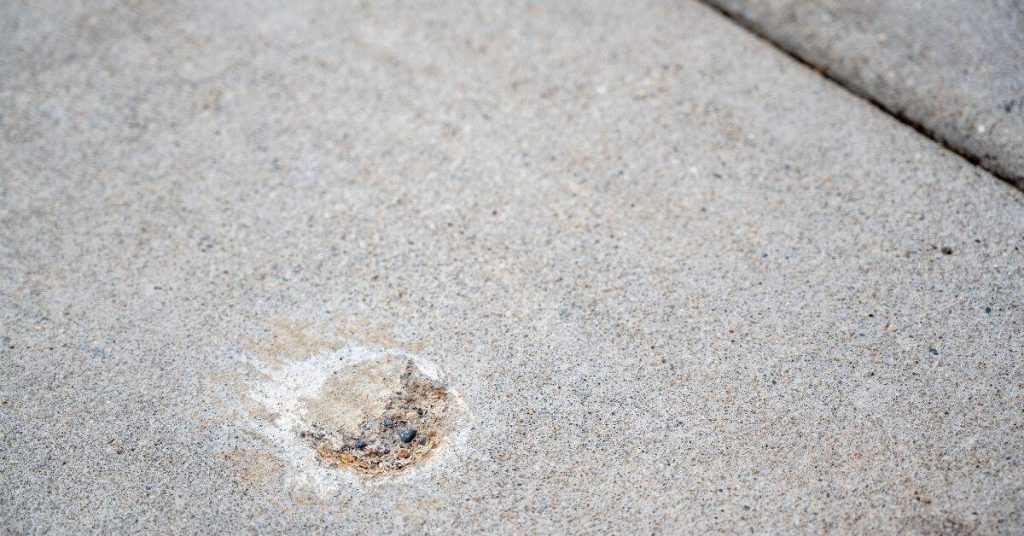
Close-up of damaged concrete surface with small pit

Alkali–Carbonate Reaction: How It Differs from ASR and What to Watch For

Introduction Alkali–carbonate reaction is a chemical reaction in concrete that happens when alkalis in cement react with carbonate rock in the aggregate. It can cause slow cracking and changes in stiffness over time. This article explains what to watch for and how you might address it in a DIY setting. ACR differs from ASR in

Alkali–Carbonate Reaction: How It Differs from ASR and What to Watch For Read More »

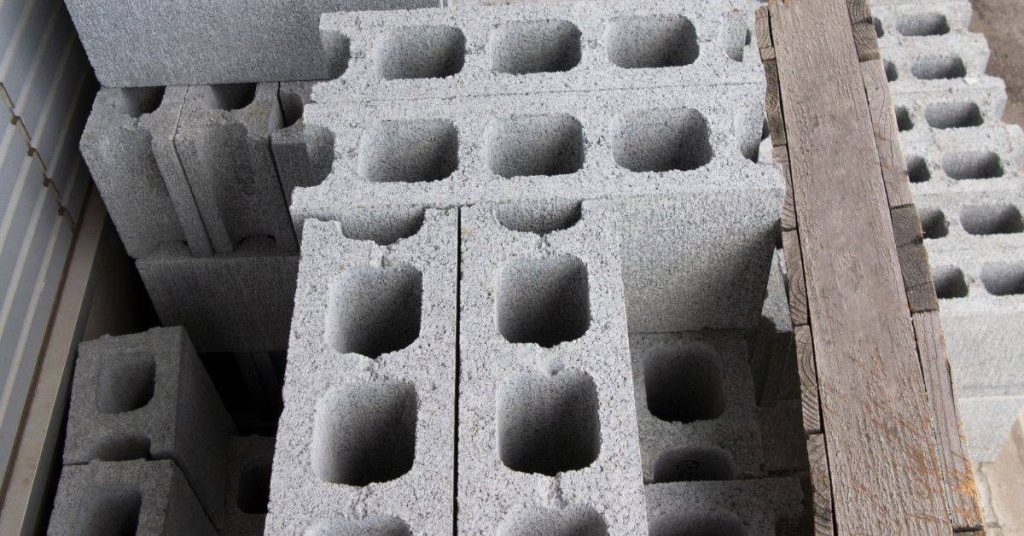
Stacked gray concrete cinder blocks with hollow centers

Rammed Earth vs Concrete Block Outdoors: Cost, Durability, and Maintenance Compared

Introduction Rammed earth and concrete block outdoors are two exterior wall options to compare in terms of cost, durability, and maintenance. This quick, hands-on look will help you decide what fits a DIY setup in your climate and budget. You’ll want to weigh initial costs, long-term upkeep, and how each holds up under weather and

Rammed Earth vs Concrete Block Outdoors: Cost, Durability, and Maintenance Compared Read More »

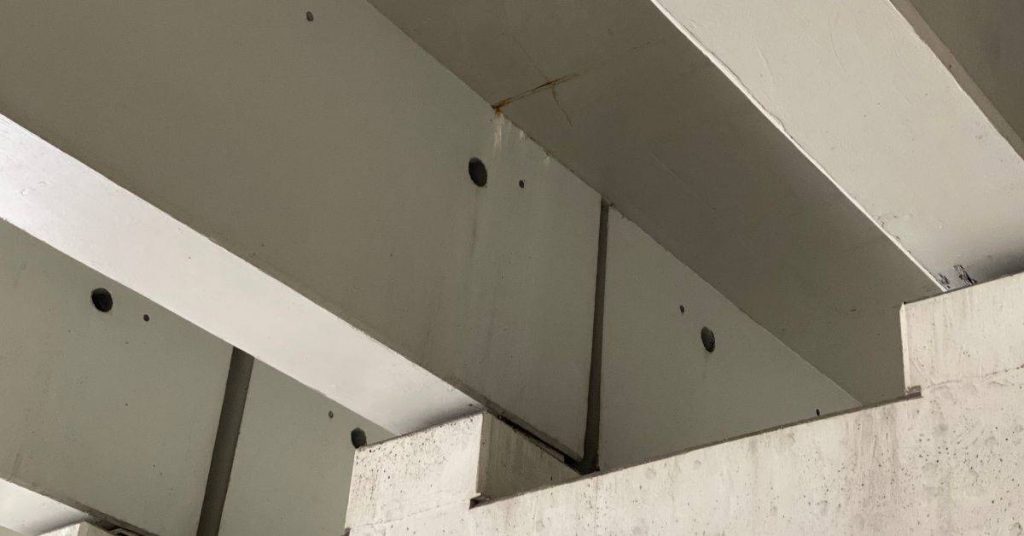
Concrete beams connected to a concrete column indoors

Sulfate Attack in Concrete: Symptoms, Simple Checks, and Repair Strategies

Introduction Sulfate attack in concrete is deterioration caused when sulfates in water or soil react with cement compounds, leading to cracking and loss of strength. Key takeaways Look for map cracking, efflorescence, or hollow-sounding concrete near exposed surfaces. Perform a simple finger indent test in non-reinforced areas to detect softness. Check movement under load is

Sulfate Attack in Concrete: Symptoms, Simple Checks, and Repair Strategies Read More »

Box fan facing damp concrete basement floor and wall

Limecrete Basement Floors: Breathability, Moisture Control, and DIY Installation

Introduction Limecrete basement floors are lime-based, breathable floor layers that help moisture move through the slab. They differ from traditional concrete by using lime binders and softer finishes, which are more forgiving for moisture control. In practice, you’ll prep the area, mix according to the product label, and check for proper ventilation and curing. DIY

Limecrete Basement Floors: Breathability, Moisture Control, and DIY Installation Read More »

Empty unfinished room with smooth white plastered walls

Hempcrete Walls: DIY Build Basics, Drying Time, and Moisture Failure Modes

Introduction Hempcrete walls are walls built from a lime-hemp composite that forms a lightweight, breathable enclosure. As a DIY builder, you’ll mix a lime-hemp composite and place it into formwork, then let it cure with good airflow. The key is understanding that these walls are different from cement blocks and rely on porous curing and

Hempcrete Walls: DIY Build Basics, Drying Time, and Moisture Failure Modes Read More »

Close-up of textured stamped concrete floor tiles

Concrete Curing Compounds: When to Use Them (and When They Ruin Adhesion)

Introduction Concrete curing compounds are products applied to fresh concrete to retain moisture and control evaporation. They often come as liquid sprays or wipe-on films that form a moisture-retaining barrier as the concrete hardens. Check the label to see if it’s intended for curing only or for sealing and curing, and follow local guidance. Use

Concrete Curing Compounds: When to Use Them (and When They Ruin Adhesion) Read More »

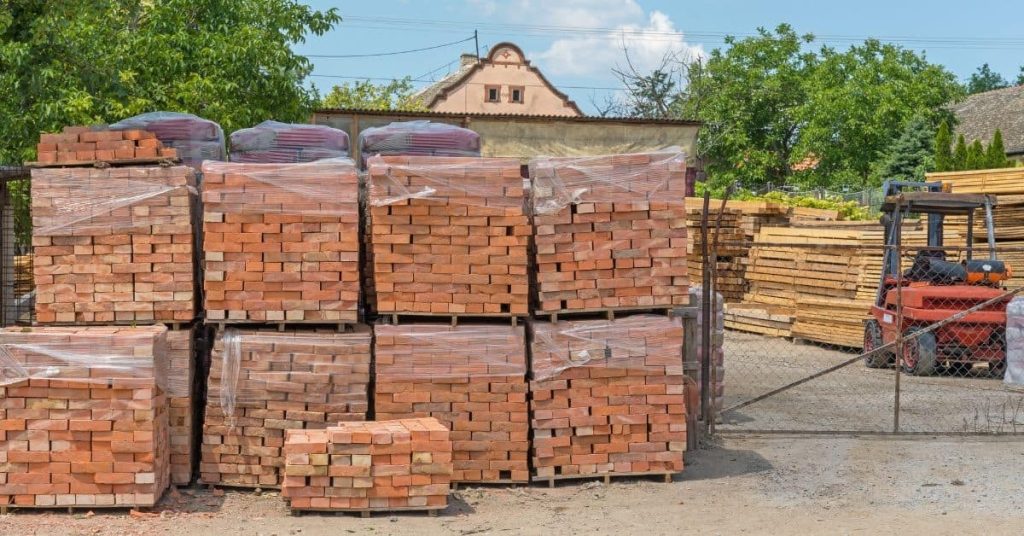
Stacks of red bricks wrapped on wooden pallets outdoors

Alternative Building Materials Compared: Hempcrete, Limecrete, Rammed Earth, and Geopolymer

Introduction This article compares hempcrete, limecrete, rammed earth, and geopolymer concrete as alternative building materials. In plain terms, these are non-traditional mixes and methods used for walls, floors, and envelopes in DIY projects. If you’re planning a project, check product labels, manufacturer instructions, and local rules for guidance on handling, curing, and compatibility with other

Alternative Building Materials Compared: Hempcrete, Limecrete, Rammed Earth, and Geopolymer Read More »

Closeup of orange concrete hopper against clear blue sky

Metakaolin in Concrete: What Changes (Strength, Finish, Workability) and Best Uses

Introduction Metakaolin is a supplementary cementitious material added to concrete to modify performance. In DIY terms, you mix it with cement and aggregate to replace part of the cement, following the product label and local rules. It’s used to improve consistency and reduce shrinkage, but you should verify compatibility with your mix and jobsite conditions.

Metakaolin in Concrete: What Changes (Strength, Finish, Workability) and Best Uses Read More »