Search Results for: mortar type

Stacked precast concrete columns outdoors on grass

SCMs for Stronger, Denser, Lower-Carbon Concrete: Metakaolin, Silica Fume, and LC3

Introduction SCMs are supplementary cementitious materials added to concrete to improve strength and density while lowering overall carbon. Metakaolin, silica fume, and LC3 are common options you might encounter in DIY mixes, each with distinct effects on workability and set. Always check product labels and manufacturer instructions, and start with small test batches to see […]

SCMs for Stronger, Denser, Lower-Carbon Concrete: Metakaolin, Silica Fume, and LC3 Read More »
Wood block with nail standing upright on concrete surface

Superplasticizer in Concrete: What It Does and When It’s Worth It

Introduction A superplasticizer is a chemical additive that helps concrete flow more easily without adding water, improving workability for tricky pours. It lets you place and finish concrete smoother, especially in finer mixes or when you need higher slump without weakening the mix. Check the product label and follow the manufacturer’s instructions for mixing and

Superplasticizer in Concrete: What It Does and When It’s Worth It Read More »

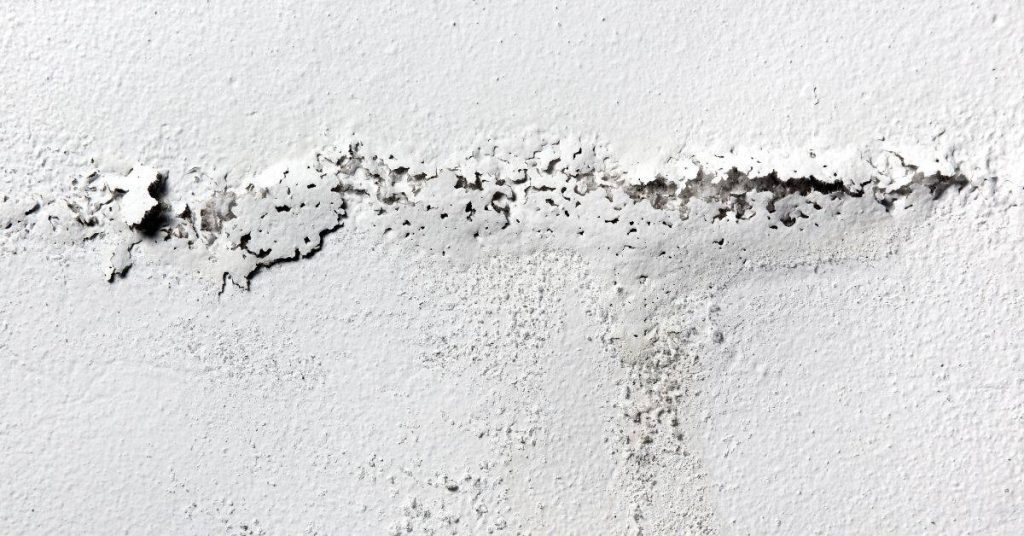
Concrete wall with peeling and damaged white paint surface

Crystalline Waterproofing for Concrete: How It Works and Where It Fails

Introduction Crystalline waterproofing is a treatment that makes concrete itself less permeable by filling its pores with crystalline compounds. It is typically applied or incorporated during construction, so the concrete blocks water intrusion rather than just coating it. This approach aims to create internal barriers that work as the concrete hydrates and cures. The mechanism

Crystalline Waterproofing for Concrete: How It Works and Where It Fails Read More »

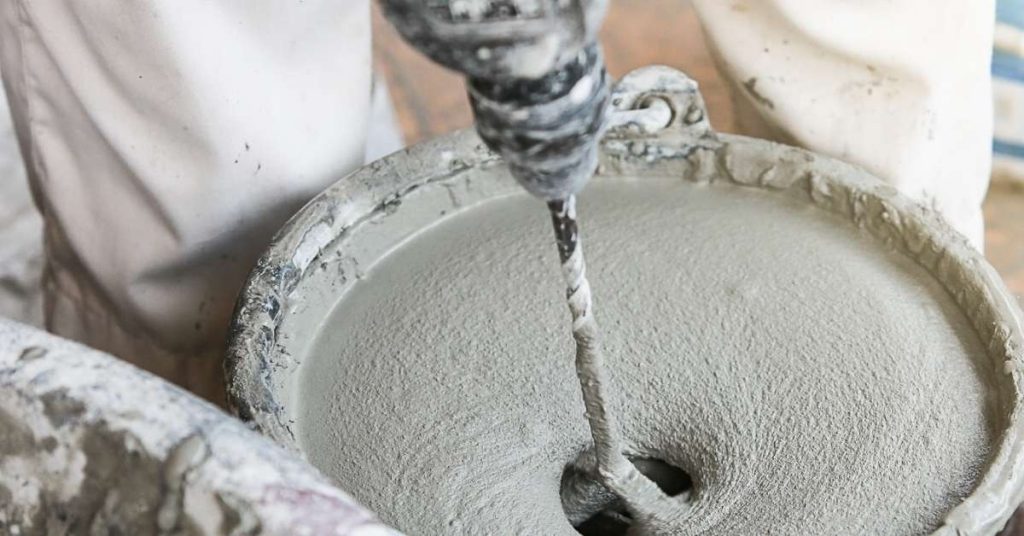
Mixing gray cement mixture in a bucket with drill paddle

Polymer-Modified Overlays: Mixing, Thickness, and Curing for Durability

Introduction Polymer-modified overlays are thin concrete toppings that use polymer additives to improve adhesion and durability. Mix according to the product label and manufacturer instructions; mix until uniform. Apply in an even coat to the prepared surface, checking that the mixture stays workable. The right thickness and proper curing are key to long‑lasting results. Follow

Polymer-Modified Overlays: Mixing, Thickness, and Curing for Durability Read More »

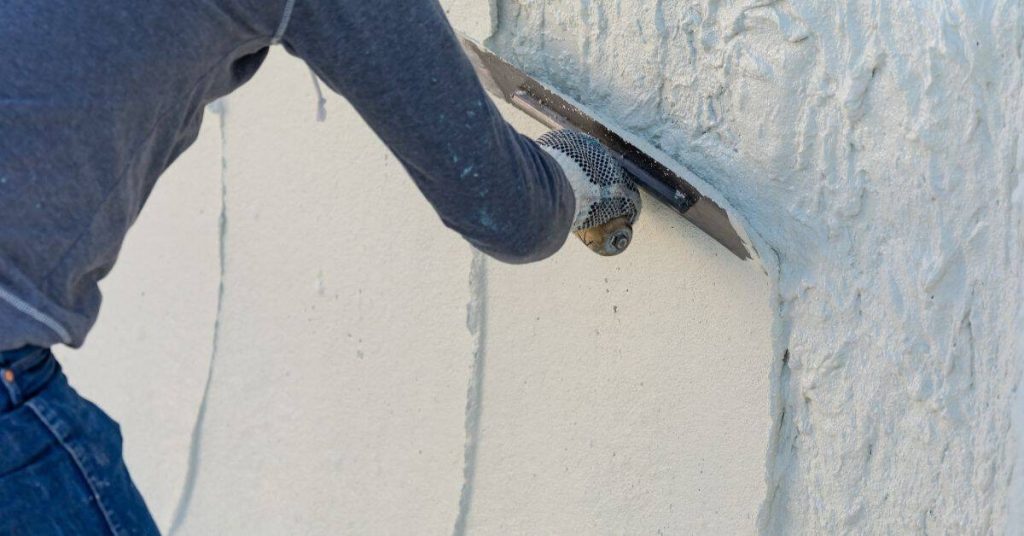
Person smoothing stucco on exterior wall with trowel

Drainage Stucco vs Barrier Stucco: How to Tell What You Have on Your House

Introduction Drainage stucco is a cladding system designed to let water that gets behind the finish drain out, while barrier stucco is meant to shed water at the surface and keep moisture out; that’s the practical difference. Think of drainage as a layered system with a gap or channels to manage moisture and barrier as

Drainage Stucco vs Barrier Stucco: How to Tell What You Have on Your House Read More »

Hand marking wall near electronic stud finder device

Stucco Clearance Over Walkways: How to Fix Wicking Without Full Removal

Introduction Stucco clearance over walkways means keeping the bottom edge of an EIFS or stucco finish high enough and detailed so moisture doesn’t wick into the walking surface; in plain terms, it’s about creating a gap and proper flashing so water drains away instead of soaking the path. For DIYers that can mean trimming finish,

Stucco Clearance Over Walkways: How to Fix Wicking Without Full Removal Read More »

Hand applying stucco on brick wall with trowel

Stucco Termination at Brick or Stone: Transition Details That Don’t Crack or Trap Water

Introduction Stucco termination at brick or stone is the method of finishing and sealing the edge where stucco meets masonry so water is kept out and movement doesn’t crack the finish. Do the job with a clear gap for flashing, a solid backstop, and a termination trim that lets water drain; check product labels and

Stucco Termination at Brick or Stone: Transition Details That Don’t Crack or Trap Water Read More »

Person applying plaster over blue mesh on wall

Reinforcing Plaster at Material Transitions: Mesh Choices That Don’t Telegraphed Through

Introduction Reinforcing plaster at material transitions means embedding the right type of mesh or alternative so the joint won’t crack or show through once the plaster dries. Pick a mesh compatible with your plaster and substrate and follow the product label and common-sense joint detailing to avoid telegraphing. If you’re unsure which mesh to use,

Reinforcing Plaster at Material Transitions: Mesh Choices That Don’t Telegraphed Through Read More »

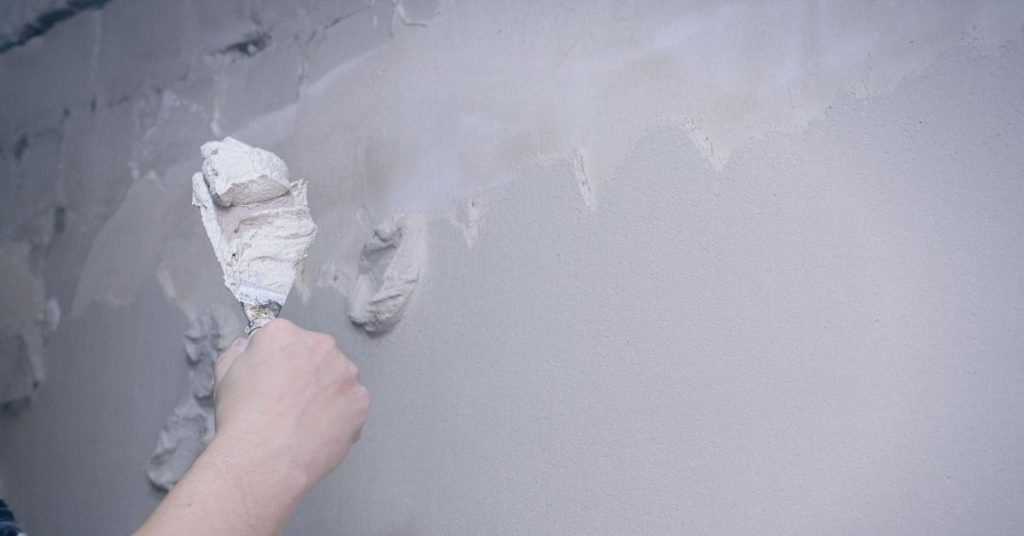
Hand applying plaster to wall with trowel tool

Plaster Delamination ‘Bubbles’: Cutback Rules and How to Reattach Without Big Tear-Out

Introduction Plaster delamination “bubbles” are areas where the top plaster coat has lost adhesion to the substrate and forms a raised blister that can pop or tear back. This usually means moisture, weak bonding, or movement has separated layers; check the surface and product instructions to confirm causes before you act. In many cases you

Plaster Delamination ‘Bubbles’: Cutback Rules and How to Reattach Without Big Tear-Out Read More »

Man applying plaster over rough stone wall wearing gloves

Salts in Masonry Plaster: Efflorescence, Spalling, and Compatible Repair Materials

Introduction Salts in masonry plaster are soluble minerals that migrate to the surface as moisture moves through the wall, leaving white or powdery deposits called efflorescence and in worse cases causing spalling where the plaster flakes or crumbles. This usually comes from water intrusion, damp soils, or moisture wicking through masonry and carries salts via

Salts in Masonry Plaster: Efflorescence, Spalling, and Compatible Repair Materials Read More »