Search Results for: mortar type

Worker pouring concrete mix over steel rebar grid

DIY Grout-Style Mixes vs True Concrete: When High Sand Content Is Actually Stronger

Introduction Grout-style mixes with high sand content differ from true concrete in composition and how they cure. In some cases, more sand can bulk up the mix and feel stronger, but that doesn’t mean it works the same as real concrete in every situation. Always check the product label and manufacturer guidance to confirm sand […]

DIY Grout-Style Mixes vs True Concrete: When High Sand Content Is Actually Stronger Read More »
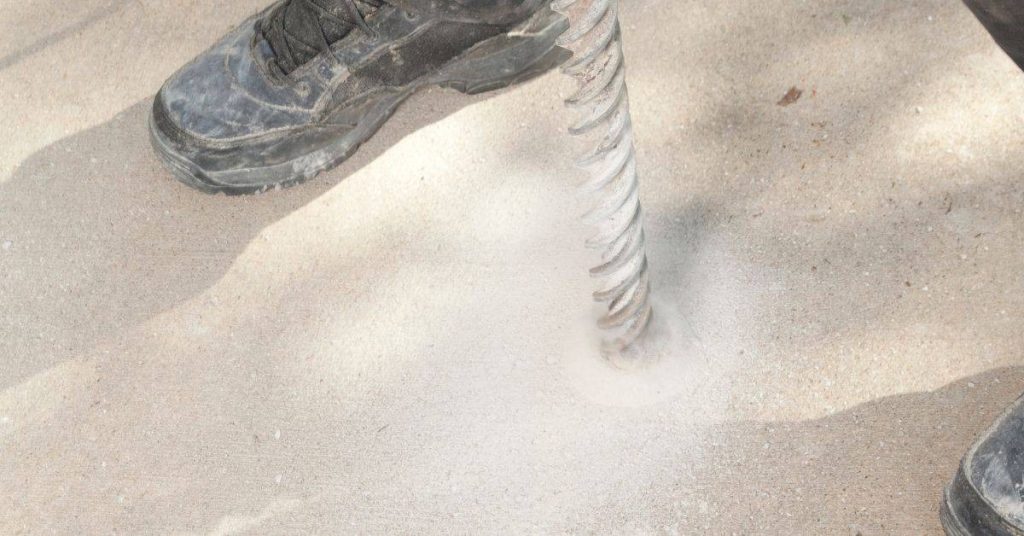
Close-up of drill bit boring into concrete with worker's boots

Concrete Core Sampling 101: Where to Drill, How to Patch, and What Labs Can Tell You

Introduction Concrete core sampling is the process of extracting a small cylindrical sample from a hardened slab or wall to inspect its strength, composition, and condition. This is a hands-on task that you may tackle in simple projects, but you should plan for proper safety, access, and documentation, and verify local rules and requirements before

Concrete Core Sampling 101: Where to Drill, How to Patch, and What Labs Can Tell You Read More »

Paintbrush with white paint against white background

Mixing Pigments With White vs Gray Cement: Controlling Undertone and Saturation

Introduction Pigments are color additives you mix into cement to change its look, and using white or gray cement sets the undertone you’ll work from. In practice, you’ll notice white cement tends to brighten and cool things, while gray gives a neutral base that can lean warm or cool depending on the pigment. Start with

Mixing Pigments With White vs Gray Cement: Controlling Undertone and Saturation Read More »

Close-up of fibrous gray insulation material texture

Perlite and Vermiculite Concretes: Lightweight Fills, Insulation Value, and Crush Limits

Introduction Perlite and vermiculite concretes are lightweight mixes made with expanded mineral fillers that increase porosity in cement. They can help reduce weight and add some insulation value for fills, beds, or non-structural applications. Check the product label for how they’re intended to be used and what the mix recommends for your project. In DIY

Perlite and Vermiculite Concretes: Lightweight Fills, Insulation Value, and Crush Limits Read More »

Outdoor metal water faucet dripping water drops

Integral Waterproofing Powders vs Liquid Admixtures: What Changes in the Mix Water

Introduction Integral waterproofing powders are dry admixtures added to the concrete mix to bond with cement and block water paths. Liquid admixtures, on the other hand, are poured or stirred in with the water to change how the mix behaves and how water moves through the concrete. In short, powders stay in the cement matrix

Integral Waterproofing Powders vs Liquid Admixtures: What Changes in the Mix Water Read More »

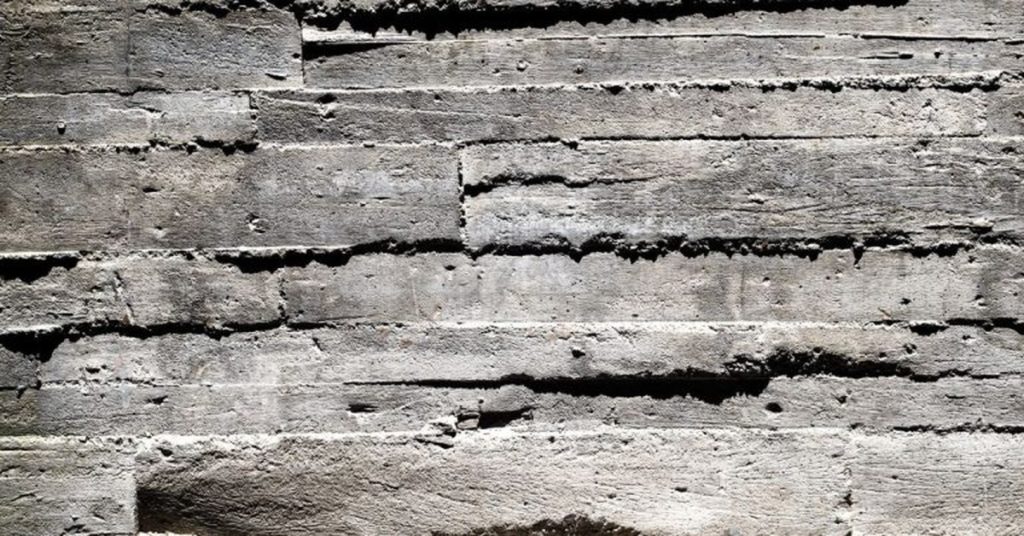
Close-up of rough concrete wall with wood formboard texture

Hydrated Lime in Concrete Mixes: Workability, Finish, and Strength Effects

Introduction Hydrated lime is a dry powder added to concrete to adjust texture and binding. In DIY mixes, it can improve workability and long-term texture, but it also changes setting behavior. Check the product label and local guidelines before use. It can influence finish quality and how smoothly you can trowel or pour. Lime affects

Hydrated Lime in Concrete Mixes: Workability, Finish, and Strength Effects Read More »

Worker spraying cement plaster on interior wall

Aluminate Cement Systems: Compatibility Traps With Portland Cement Repairs

Introduction Aluminate cement systems can clash with Portland cement repairs because their chemistries and hydration behave differently. That mismatch can affect bonding, crack resistance, and how the repair ages in real-world use. In practical terms, you want to know if the two systems will stick together over time and cope with the environment around your

Aluminate Cement Systems: Compatibility Traps With Portland Cement Repairs Read More »

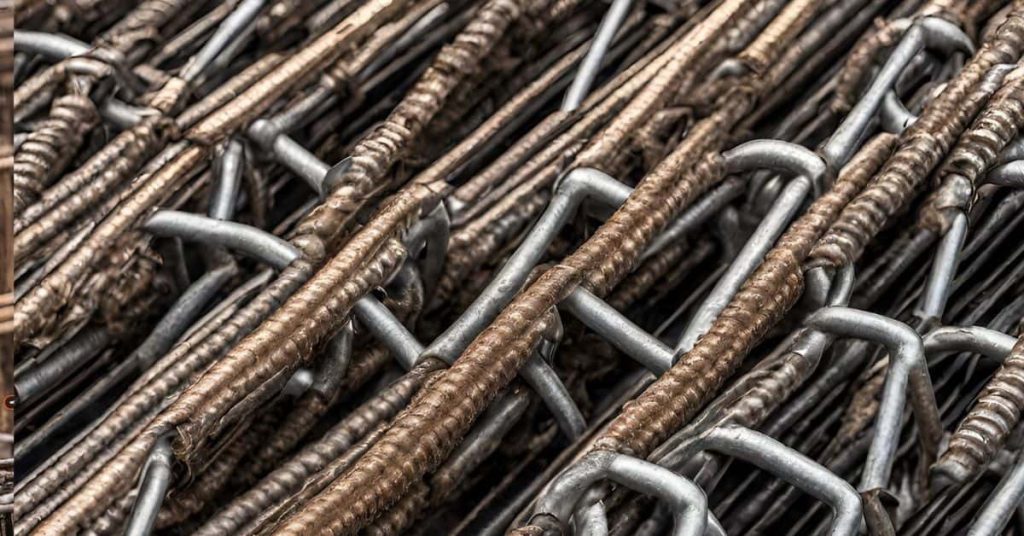
Close-up of rusted steel rebar with metal ties

Steel Microfibers in Overlays: When They Outperform Rebar Mesh

Introduction Steel microfibers in overlays are tiny reinforcement fibers mixed into concrete to control cracking and improve durability, often replacing some needs for traditional rebar mesh. They disperse with the mix and can reduce crack widths, making overlays tougher for DIY projects. For a DIY job, compare them to rebar mesh in terms of installation

Steel Microfibers in Overlays: When They Outperform Rebar Mesh Read More »

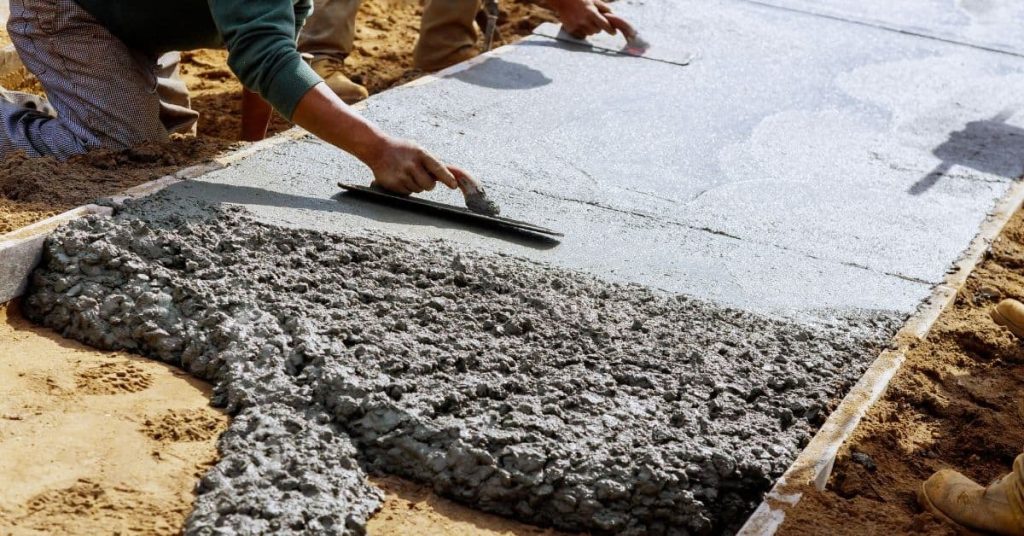
Hands smoothing wet concrete with trowels on a slab

Basalt Fibers vs Polypropylene Fibers: Crack Control, Finishing, and Cost Tradeoffs

Introduction Basalt fibers and polypropylene fibers are two concrete add-ons that help crack control and finishing, with different costs and handling requirements. In practice, the choice comes down to how you mix, place, and finish the concrete, plus how much you’re willing to pay for long-term durability. Always check the manufacturer instructions and local rules

Basalt Fibers vs Polypropylene Fibers: Crack Control, Finishing, and Cost Tradeoffs Read More »

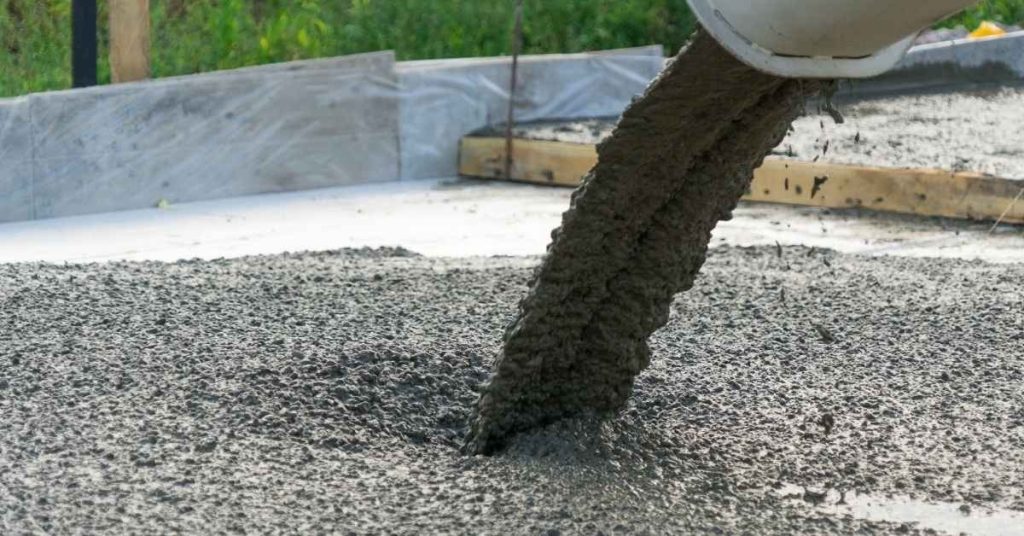
Fresh concrete pouring onto a slab outdoors

Concrete Alkali-Silica Reaction (ASR) Spot Checks: Symptoms That Mimic Other Failures

Introduction ASR is a chemical reaction in concrete between alkalis and reactive silica in aggregates that can lead to slow expansion and cracking. In the field, it can look like cracking, blistering, or powdery patches that mimic other problems. Understanding these symptoms helps you tell whether you might be dealing with ASR or something else.

Concrete Alkali-Silica Reaction (ASR) Spot Checks: Symptoms That Mimic Other Failures Read More »