Search Results for: mortar type

Empty white plastered room with concrete floor and doorway

Diagnosing Honeycombing in Formed Walls: Severity Grading and Repair Thresholds

Introduction Honeycombing in formed walls is a condition where voids and rough cement gaps appear on the surface, signaling poor compaction and near-surface voids. For DIY homeowners, identify it by a spongy or crumbling feel, visible voids, and a rough, uneven finish. Addressing it depends on how widespread it is and whether the inner steel […]

Diagnosing Honeycombing in Formed Walls: Severity Grading and Repair Thresholds Read More »

Four rectangular concrete slabs with handwritten markings

Chloride Ion Testing in Old Slabs: When Salt Exposure Is the Real Problem

Introduction Chloride ion testing in old slabs is a way to find out whether salt exposure is the real problem behind concrete issues. It helps separate chloride-related damage from other moisture or subfloor failures. In plain terms, it’s part of diagnosing why a floor isn’t performing as you’d expect. Many times, moisture problems drive cracking,

Chloride Ion Testing in Old Slabs: When Salt Exposure Is the Real Problem Read More »

Stacked hollow core concrete slabs outdoors

Recycled Concrete Aggregate (RCA) for Slabs: Gradation, Water Demand, and Pop-Out Risk

Introduction RCA for slabs is crushed concrete from demolished pavement or structures that you reuse as aggregate. You’ll typically screen and wash it to remove fines before it finds a place in a slab mix. Use it where the mix and compaction are appropriate and check local rules. Gradation and water demand depend on how

Recycled Concrete Aggregate (RCA) for Slabs: Gradation, Water Demand, and Pop-Out Risk Read More »

Electric drill mixing cement in bucket outdoors

Viscosity-Modifying Admixtures (VMA): Stopping Segregation in Flowable Mixes

Introduction Viscosity-modifying admixtures (VMAs) help concrete stay workable without segregating. They slow down the mix’s tendency to separate into heavy cement slurry and lighter aggregate. Use them when you plan long pours, thick slurries, or hot weather. Choose a VMA based on the mixer and concrete type, and follow the label directions. Test a small

Viscosity-Modifying Admixtures (VMA): Stopping Segregation in Flowable Mixes Read More »

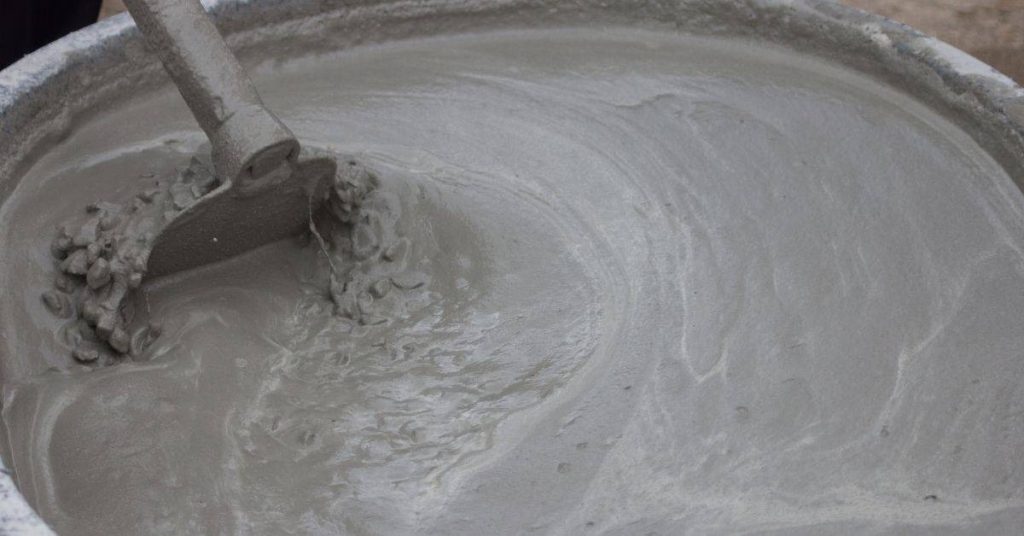
Trowel mixing wet cement mortar in a large container

Shrinkage-Compensating Cement: Where It Shines, Detailing Rules, and DIY Reality

Introduction Shrinkage-compensating cement is a concrete mix designed to offset shrinkage as it cures. In DIY projects, it helps reduce cracking on slabs and pads. Use it when you expect movement or large flat surfaces; check product instructions for mixing and cure guidance. For rules and specifications, follow the manufacturer’s directions and any local rules.

Shrinkage-Compensating Cement: Where It Shines, Detailing Rules, and DIY Reality Read More »

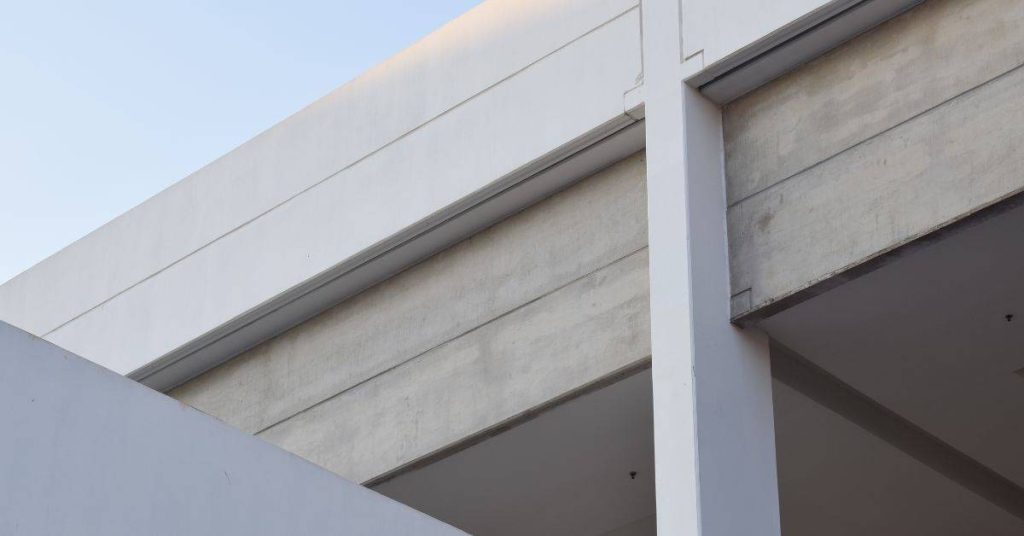
Close-up of concrete beams and columns on building exterior

Petrographic Analysis for Concrete Problems: When It’s Worth Sending a Sample

Introduction Petrographic analysis is identifying what’s inside concrete by examining thin sections under a microscope to diagnose problems. Sending a sample is worth it when surface tests don’t tell you the cause, or when you need to confirm suspicion of reactions or cracking. It’s a straight‑forward way to separate chemical reactions from physical wear. A

Petrographic Analysis for Concrete Problems: When It’s Worth Sending a Sample Read More »

Stacked precast concrete hollow core slabs outdoors

Chloride Penetration in Concrete: Why Coastal Slabs Fail and How to Slow It Down

Introduction Chloride penetration in concrete is the inward movement of chloride ions from the environment into the concrete and reinforcement area. In coastal areas, salt spray, moisture, and wet-dry cycles push chlorides into the concrete matrix. This can lead to corrosion of reinforcing steel and reduce the structure’s long-term durability. To slow chlorides down, choose

Chloride Penetration in Concrete: Why Coastal Slabs Fail and How to Slow It Down Read More »

Melting ice cubes with water pool on white surface

Concrete Laitance: How to Identify It and Remove It Before Coatings Fail

Introduction Laitance is a thin, weak surface layer of cement and fines on concrete that can ruin coatings if it isn’t removed. It often feels powdery or dusty and looks lighter or different from the surrounding concrete. If you leave laitance, coatings can fail early and moisture or dirt may trap under the finish. Removal

Concrete Laitance: How to Identify It and Remove It Before Coatings Fail Read More »

Cut cement board pieces with green cutting tool and yellow level

CSA Cement Repairs: Fast-Set Patches That Don’t Turn to Dust

Introduction CSA cement repairs are fast-setting patches that stay solid rather than crumbling. This guide shows you how to apply them on small cracks, chips, and damaged edges without turning the project into a mess. You’ll get a workable patch quickly and keep the surface ready for use. Check product labels and follow manufacturer instructions

CSA Cement Repairs: Fast-Set Patches That Don’t Turn to Dust Read More »