Search Results for: mortar type

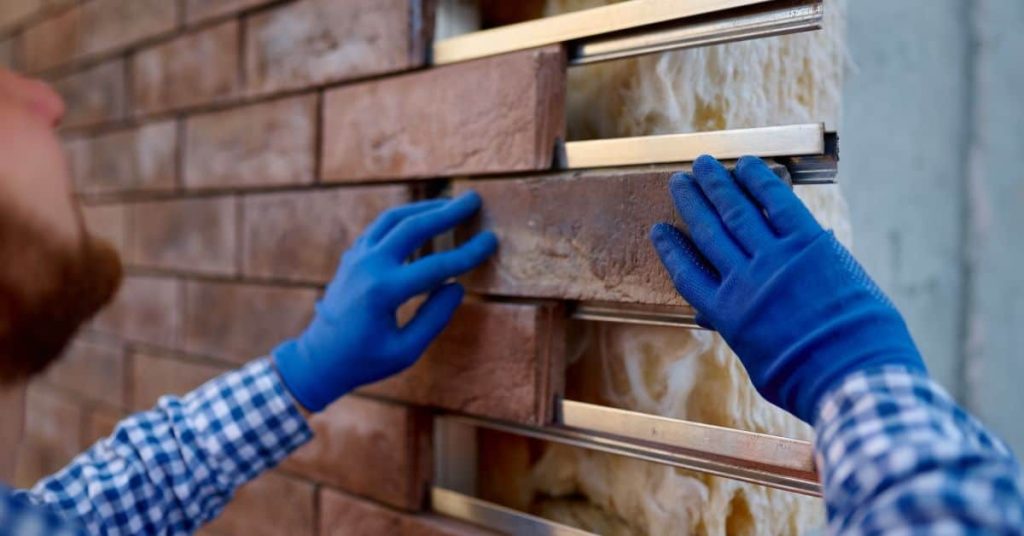
Person installing faux brick GFRC panels with blue gloves

GFRC Panels for DIY Projects: Mix Basics, Fiber Dosage, and Common Failures

Introduction GFRC panels are lightweight, fiber-reinforced cement panels that you can cast for DIY projects. They mix cement, fine aggregates, water, plus short glass fibers to add strength. Proper mixing and curing matter to avoid cracks. Getting the mix right means watching the ratio of cement to aggregate and ensuring the fiber dosage is even. […]

GFRC Panels for DIY Projects: Mix Basics, Fiber Dosage, and Common Failures Read More »
Orange road work ahead sign with workers in safety gear

Ferrocement Repair Shells: When They Work, How to Build Them, and How They Fail

Introduction A ferrocement repair shell is a thin, reinforced mortar skin applied over a frame to repair or rebuild a boat or similar surface. Work is done in stages—from prep to application to curing—and relies on a solid bond to the existing substrate. This article walks you through what you need to know to decide

Ferrocement Repair Shells: When They Work, How to Build Them, and How They Fail Read More »

Closeup of large jagged crack in white stucco wall

Stucco Crack Patterns: What vertical, diagonal, and stair-step cracks usually mean

Introduction Vertical, diagonal, and stair-step cracks in stucco are signals of movement or stress in the wall rather than just a cosmetic flaw. These patterns often point to shifts in framing, moisture issues, or settlement and you should check the crack size, location, and whether it keeps opening after weather changes. For a DIY approach,

Stucco Crack Patterns: What vertical, diagonal, and stair-step cracks usually mean Read More »

Rough concrete wall with horizontal wood grain texture

Lime Leaching on Concrete Features: Why it happens and how to reduce it

Introduction Lime leaching on concrete features is the migration of lime compounds to the surface, leaving white deposits. This happens when water moves through the concrete and dissolves soluble lime, then brings it up as it evaporates. For DIY work, you can slow it by careful curing, avoiding long wet periods, and following manufacturer guidance

Lime Leaching on Concrete Features: Why it happens and how to reduce it Read More »

Worker using electric chisel removing stucco from wall

Stucco Bottom Edge Crumbling: Fixing wicking and keeping the base dry

Introduction Crumbling stucco at the bottom edge happens when moisture wicks into the base and weakens the coating. This article covers a practical DIY approach to stop the leak, remove damaged material, and start a proper patch. Check your local rules and product labels for compatibility and any safety steps. Start by cleaning the edge,

Stucco Bottom Edge Crumbling: Fixing wicking and keeping the base dry Read More »

Concrete slab construction with wooden formwork and steel rebar

Concrete Drainage Without Demo: Small slope fixes that actually move water

Introduction Concrete drainage without demo means guiding water away from the area by tweaking existing surfaces, not tearing out concrete. It’s a practical, hands-on approach that relies on small slope tweaks, edge shaping, and surface detailing. Check local rules and the product labels to ensure your method is allowed. Map out a simple plan for

Concrete Drainage Without Demo: Small slope fixes that actually move water Read More »

Concrete slab being smoothed with a long-handled float

Control Joints That Look Bad: Making sawcuts straighter and less noticeable

Introduction Control joints that look bad are joints in concrete that are crooked or wavy and draw the eye. They’re not meeting the surface cleanly, and that makes the floor look unfinished. A straight, neat sawcut can dramatically improve the overall look with less crowding around the joints. Your best bet is to use proper

Control Joints That Look Bad: Making sawcuts straighter and less noticeable Read More »

Trowel smoothing fresh concrete joint surface

Concrete Joint Adhesion Failure: Dirt, moisture, and primer fixes that work

Introduction Adhesion failure in a concrete joint means the surface won’t bond as intended, leaving joints that can peel or separate. Dirt, moisture, and poorly prepared or incompatible primers are common culprits that block proper adhesion. Check the surface for dust, oil, and dampness before applying anything. Polyurethane primer can help restore grip between concrete

Concrete Joint Adhesion Failure: Dirt, moisture, and primer fixes that work Read More »

Gray concrete slabs with visible cracks on surface

Cracks Showing Through Overlays: How to stop telegraphing before it starts

Introduction Telegraphing cracks happen when hairline cracks in an underlying slab show through a new overlay. That visible pattern warns you the topping isn’t masking or bonding well. In this article you’ll learn how to spot causes and fix before you lay down a new surface. Before you pour or apply an overlay, check the

Cracks Showing Through Overlays: How to stop telegraphing before it starts Read More »