Search Results for: mortar type

Hand holding trowel with wet concrete over mixing container

Matching Concrete Texture in Repairs: Tricks for broom and trowel patterns

Introduction Matching concrete texture in repairs means recreating the surface look of existing concrete using compatible broom and trowel patterns. This guide focuses on how to blend a new patch with the old surface, using common hand tools and basic technique. You’ll want to check the patch and the surrounding area as you work to […]

Matching Concrete Texture in Repairs: Tricks for broom and trowel patterns Read More »

Close-up of a gray concrete slab surface with cracks and pitting

Concrete Dusting Floors: Why the surface powders and how to harden it

Introduction Concrete dusting is the surface powdering that happens when the upper layer of the concrete wears away, leaving a chalky film. It can occur from weak finishing, too much air in the mix, poor curing, or heavy traffic without protection. Understanding the signs helps you decide whether to protect, repair, or reseal the floor.

Concrete Dusting Floors: Why the surface powders and how to harden it Read More »

Two melting ice cubes on a white surface

Concrete Pop-Outs: Causes, repairs, and prevention for future winters

Introduction Concrete pop-outs are shallow, rounded chunks of concrete that lift away from the surface when the ground or the mix expands. They often come from moisture getting trapped under the slab, poor compaction, or steel reinforcement pushing outward. Weather conditions, especially rapid temperature shifts in winter, play a big role in how fast pop-outs

Concrete Pop-Outs: Causes, repairs, and prevention for future winters Read More »

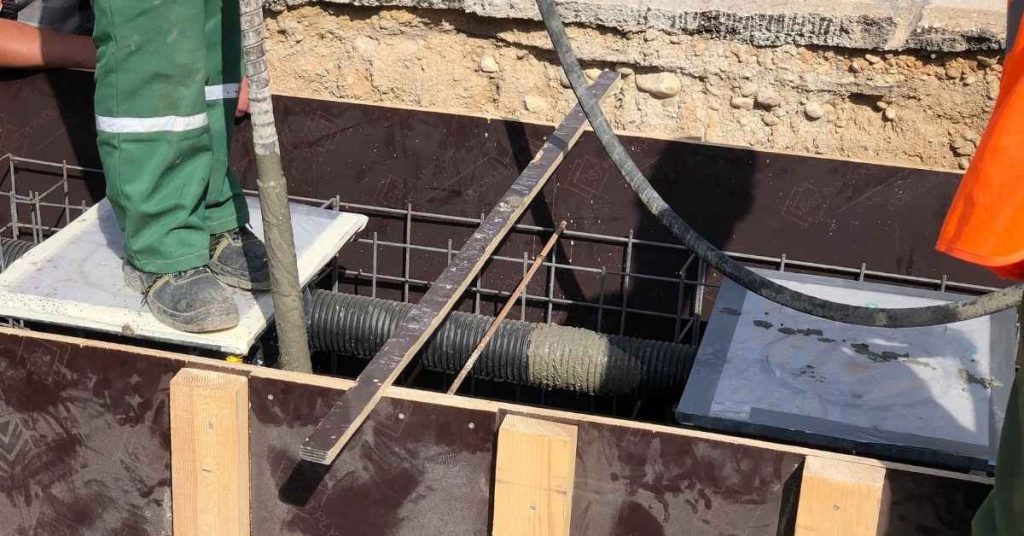
Worker standing on concrete formwork pouring concrete

Concrete Spalling Without Rebar: How deep to remove and how to feather the repair

Introduction Spalling without rebar happens when the surface concrete flakes away, leaving a damaged area that needs patching. You’ll want to remove enough material to reach sound concrete and to create a gradual feathered edge for the new mix to blend in. Check the extent by probing the edge and looking for underlying cracking or

Concrete Spalling Without Rebar: How deep to remove and how to feather the repair Read More »

partially constructed concrete building with metal roof frame

Cold Weather Concrete: Simple heat and wind protection for small projects

Introduction Cold weather concrete is concrete work that takes place when temperatures are low and requires protection to cure correctly. This article shares practical, DIY‑friendly steps to heat and shield the mix and the work area. You’ll get a straightforward, hands‑on approach you can apply to small projects. Plan your project by checking forecasts and

Cold Weather Concrete: Simple heat and wind protection for small projects Read More »

White concrete pump truck boom arm above building railing

Concrete Repair Shrinkage: How to reduce edge cracking in patches

Introduction Shrinkage edge cracking is cracks that form along the edges as concrete hardens and dries. This happens when moisture leaves the mix and the surface contracts more than the underlying material. It’s common in patches, especially with rapid drying or temperature swings. Cracks come in different kinds, like hairline shrinkage cracks or wider splits

Concrete Repair Shrinkage: How to reduce edge cracking in patches Read More »

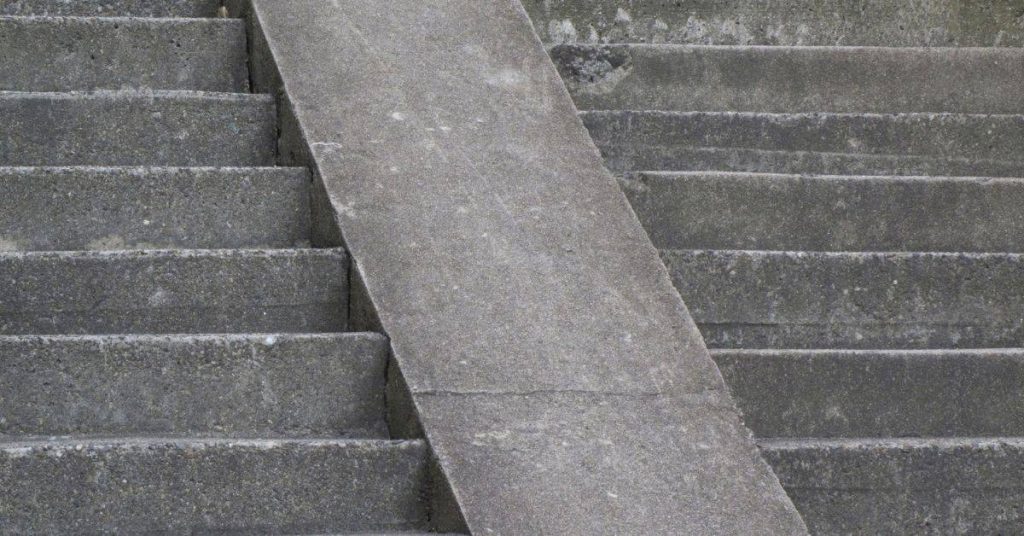
Concrete stairs with a smooth ramp in the middle

Concrete Scaling in Winter: Why the surface flakes and how to stop it

Introduction Concrete scaling in winter is when the top layer peels or flakes off because cold weather, moisture, and repeated freezing push water in and out. Cold temperatures slow curing and make water move through the surface, so you see scaling more on sidewalks, driveways, and slabs that get wet. Watch for slick, rough patches

Concrete Scaling in Winter: Why the surface flakes and how to stop it Read More »

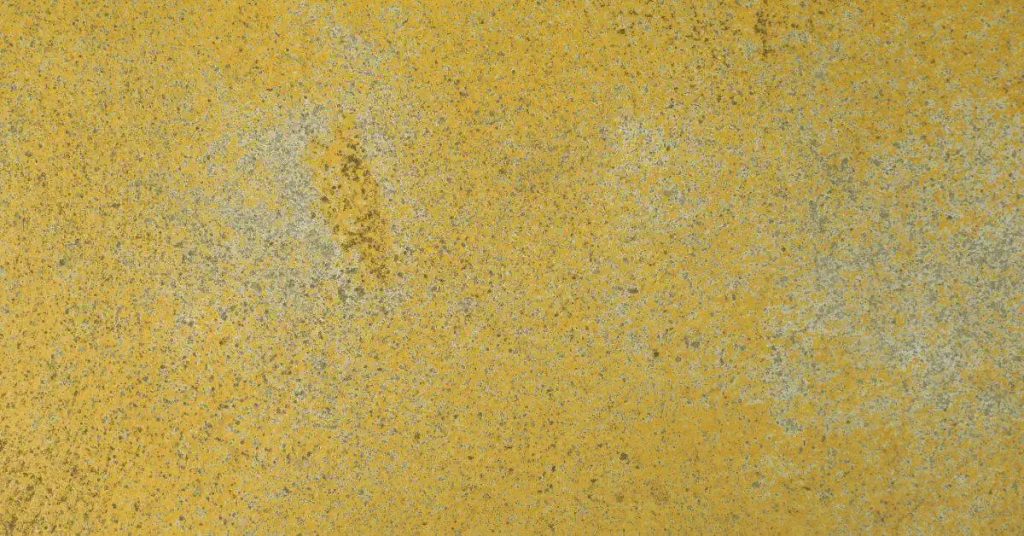
yellow stained concrete surface with varying texture

Concrete Surface Delamination: Causes, diagnosis, and repair that lasts

Introduction Delamination is the surface layer of concrete peeling or separating from the underlying concrete, creating a patchy, hollow feel. It often shows up as a dull patch that may flake or sound hollow when tapped. Lightly tapping suspect areas can help you spot where the top lift isn’t bonded well. To diagnose, look for

Concrete Surface Delamination: Causes, diagnosis, and repair that lasts Read More »

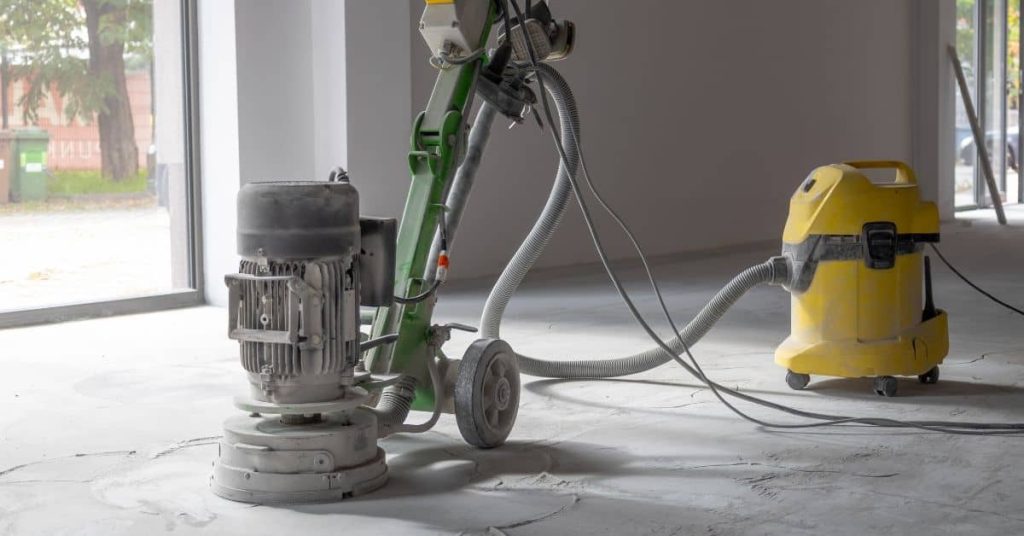
Concrete floor grinder connected to yellow vacuum cleaner

Bugholes on Formed Concrete: Vibration, release agents, and mix tweaks that help

Introduction Bugholes on formed concrete are small air cavities that mar the surface after form removal. They happen from trapped air, sticky release agents, or improper vibration. In DIY work, you can reduce them by adjusting how you vibrate, how you release the form, and how you mix your concrete. Use the right vibration technique

Bugholes on Formed Concrete: Vibration, release agents, and mix tweaks that help Read More »