Search Results for: mortar color

unfinished concrete block building under clear sky

Foundation Parging Over Concrete Block: Durability, Breathability, and Grade Detailing

Introduction Foundation parging over concrete block is the thin coating that seals and smooths the surface while letting moisture breathe. It’s a DIY-friendly job, but it needs clean blocks, good adhesion, and careful edge detailing. Plan your surface prep, mix consistency, and control of joints before you start. Durability comes from proper prep, correct application, […]

Foundation Parging Over Concrete Block: Durability, Breathability, and Grade Detailing Read More »
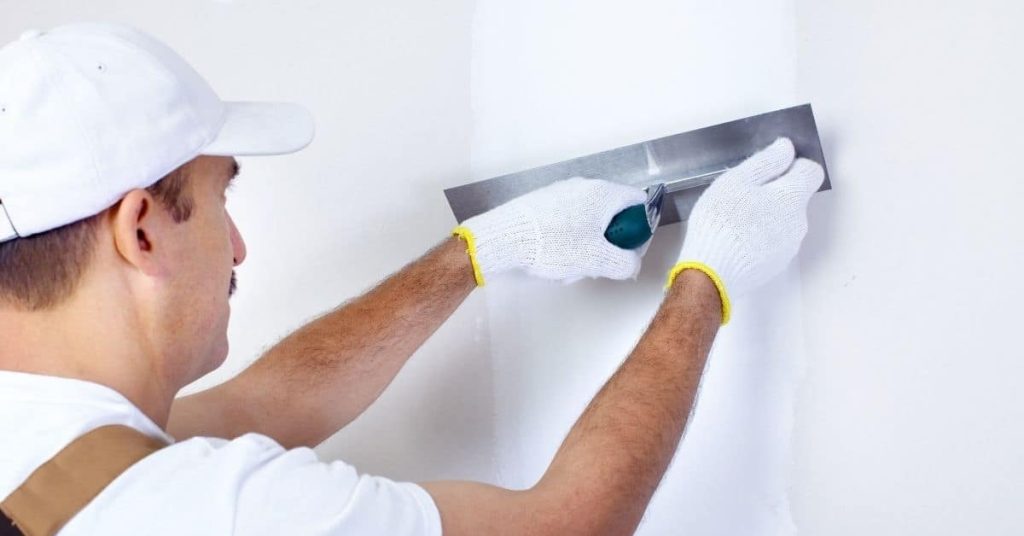
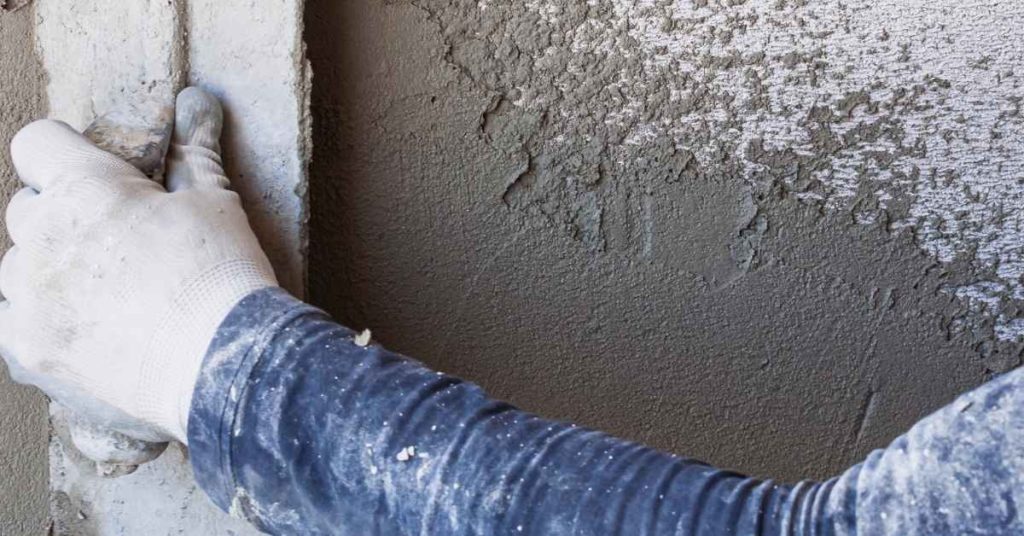
Worker smoothing white plaster wall with metal trowel

Plaster Returns at Deep Windows: Reinforcement That Doesn’t Bulge the Edge

Introduction Reinforcement for plaster returns at deep windows means adding solid edge support so the plaster won’t bulge. In practice you build up a stable, tight edge before the final coat. This keeps the plaster flush and reduces cracking. Use appropriate edging, furring, or metal lath as directed on the product label and by the

Plaster Returns at Deep Windows: Reinforcement That Doesn’t Bulge the Edge Read More »

Worker smoothing plaster on a wall with a trowel

Microcement Over Old Plaster: Bond Layers, Movement Risk, and Sealer Selection

Introduction Microcement over old plaster means applying a thin cement-based coating on top of a plaster substrate with careful surface prep. Start by cleaning the surface and repairing obvious flaws to give the new layer something to grip. Roughen or abrade slightly and use an appropriate bonding primer to improve adhesion. Movement risk comes from

Microcement Over Old Plaster: Bond Layers, Movement Risk, and Sealer Selection Read More »

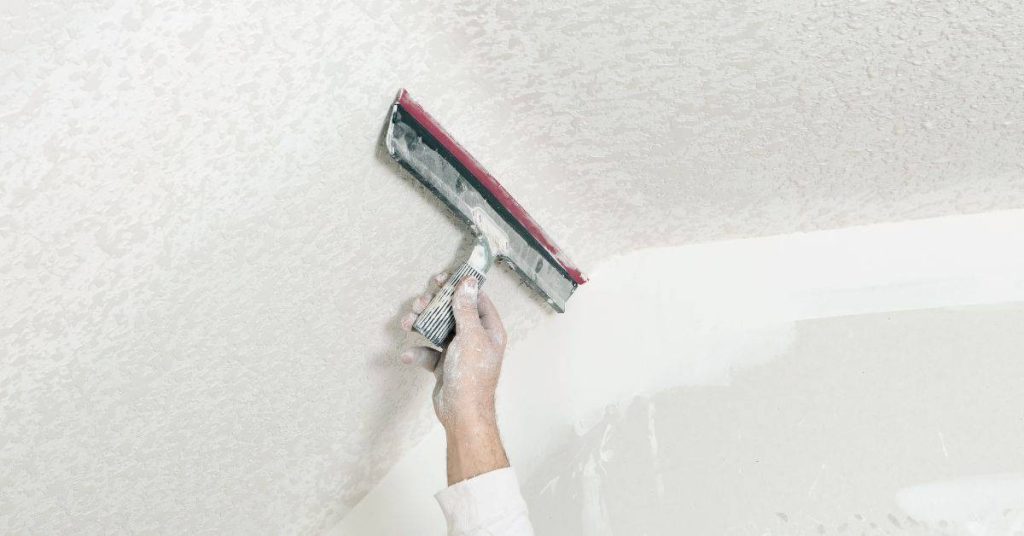
Hand applying textured plaster to wall with a red trowel

Clay Plaster Basics: Mixing, Application, and Crack Control That’s Realistic

Introduction Clay plaster basics are simple, old-fashioned wall coverings made from clay, sand, and water that you mix and trowel onto a surface. This article gives a practical, hands-on look at mixing, applying, and why cracks happen. You’ll learn how to handle the mix and what to watch for on site. Expect a straightforward, honest

Clay Plaster Basics: Mixing, Application, and Crack Control That’s Realistic Read More »

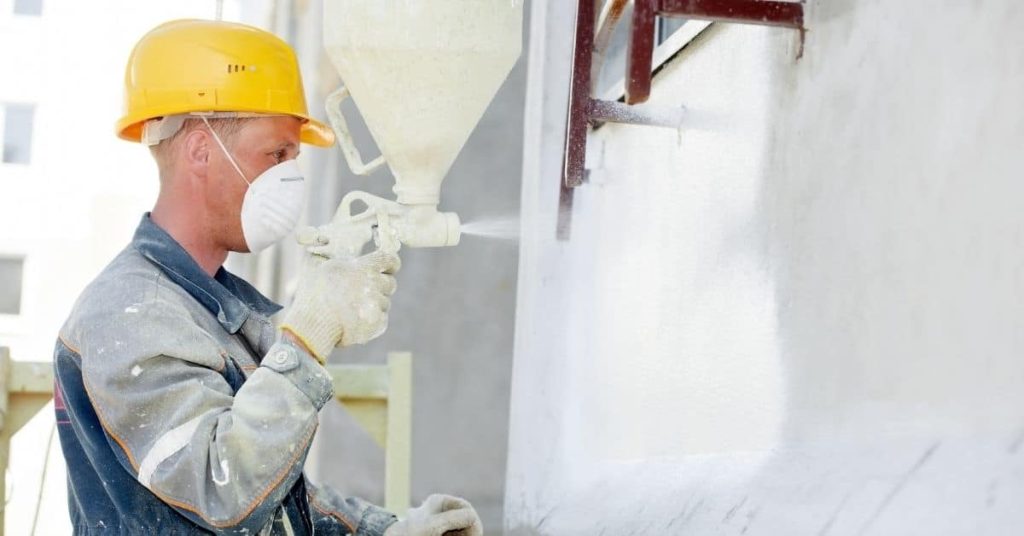
Worker spraying stucco on exterior wall wearing hard hat and mask

Stucco Around Hose Bibs: Sleeves, Sealant Geometry, and Crack Prevention

Introduction Stucco around hose bibs is the practice of enclosing the faucet with a protective sleeve and proper sealant so water stays out. The goal is a tight, weatherproof transition where the hose bib meets the stucco skin. This is a hands-on task, not a theory exercise. Start with correct sleeves and a flush, clean

Stucco Around Hose Bibs: Sleeves, Sealant Geometry, and Crack Prevention Read More »

Closeup of rough stucco texture with grooves and patches

Dash-and-Lace Stucco Repairs: Hiding Patches Under Raking Light

Introduction Dash-and-Lace Stucco Repairs are patch-and-texture fixes designed to hide patches when light hits the wall. This hand-on method relies on small, deliberate texture changes to blend repairs with the surrounding surface under raking light. It’s a straightforward, bottom-line approach you can do with basic tools and patience. Work up-close so you can see the

Dash-and-Lace Stucco Repairs: Hiding Patches Under Raking Light Read More »

Exposed brick wall partly covered with gray stucco render

Stucco-to-Brick Transitions: Movement Joints and Water Breaks That Don’t Crack

Introduction A movement joint at a stucco-to-brick transition is a deliberate gap that lets the siding materials expand and contract without cracking. Its job is to separate the two substrates so stresses don’t transfer and crack the finish. This article shows practical, hands-on steps for placing joints and installing water breaks so the transition stays

Stucco-to-Brick Transitions: Movement Joints and Water Breaks That Don’t Crack Read More »

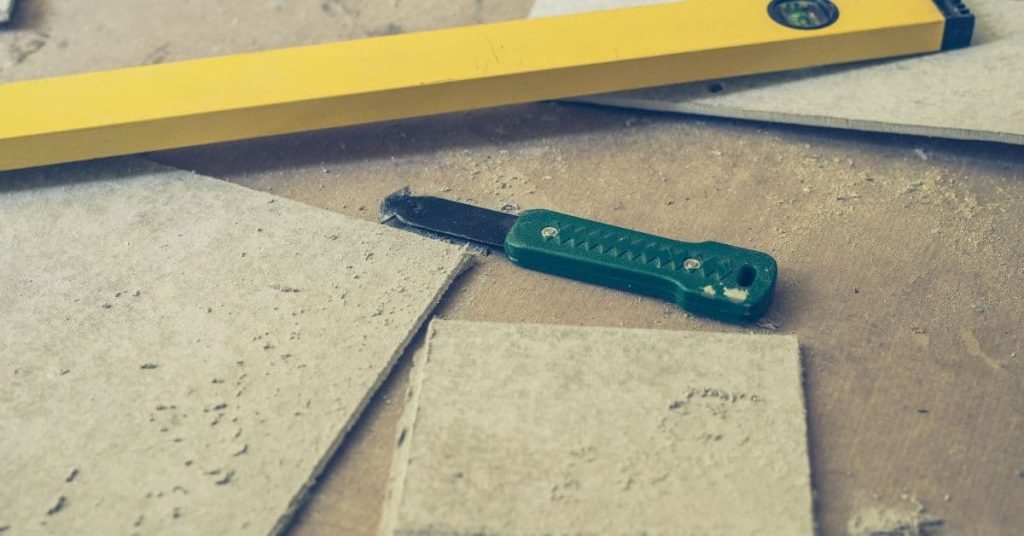
utility knife and level on concrete board pieces

Cutting a Utility Trench Through Concrete: Sawcut, Demo, and Patching Back to Flat

Introduction A utility trench through concrete is a narrowed channel cut into concrete to install or access services. Do this with care by planning the path, selecting the right tools, and sizing expectations for the demo and patch. You’ll be cutting, removing, and cleaning as you go, keeping safety and local rules in mind. Start

Cutting a Utility Trench Through Concrete: Sawcut, Demo, and Patching Back to Flat Read More »

stacked precast concrete columns outdoors

Concrete Pop-Out Repairs: How Deep to Remove, What to Patch With, and How to Blend

Introduction A concrete pop-out is a damaged, loose piece of concrete that needs removal and repair. Treat it as a small excavation: remove the loose material and sound the edges to see how deep the void goes. This article shows a practical way to safely cut back, patch, and blend so the repair looks and

Concrete Pop-Out Repairs: How Deep to Remove, What to Patch With, and How to Blend Read More »

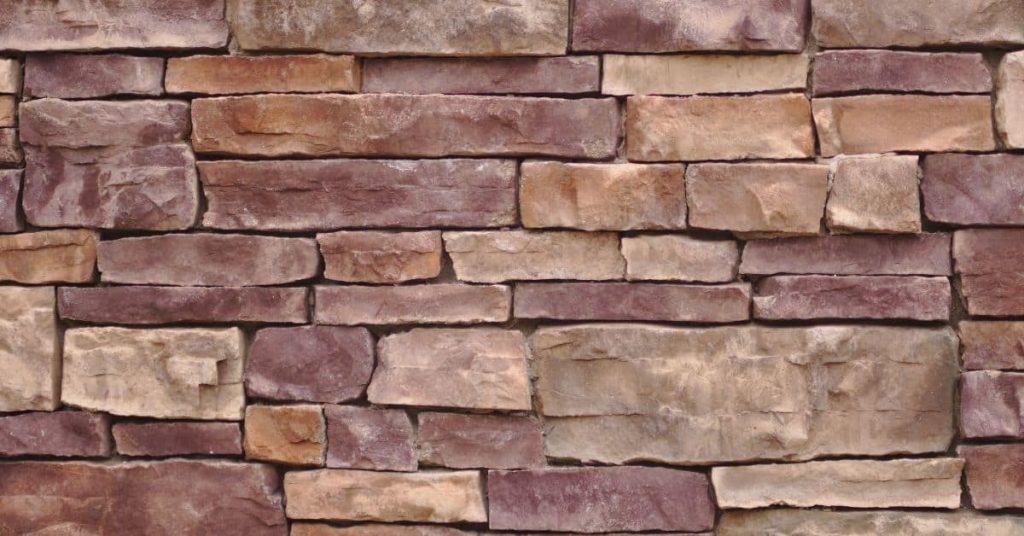
Close-up of stacked stone veneer wall with varied shapes

Brick Veneer 101: Air Gaps, Weeps, and Why “Stuck-On” Systems Fail

Introduction Brick veneer is a non-structural facing that sits on a wall with an intentional air gap to vent moisture. Understanding why air gaps and weep holes matter helps you spot issues before they show up. This setup is what keeps brick veneer performing without relying on the wall itself for support. Stuck-on brick systems

Brick Veneer 101: Air Gaps, Weeps, and Why “Stuck-On” Systems Fail Read More »