Search Results for: mortar color

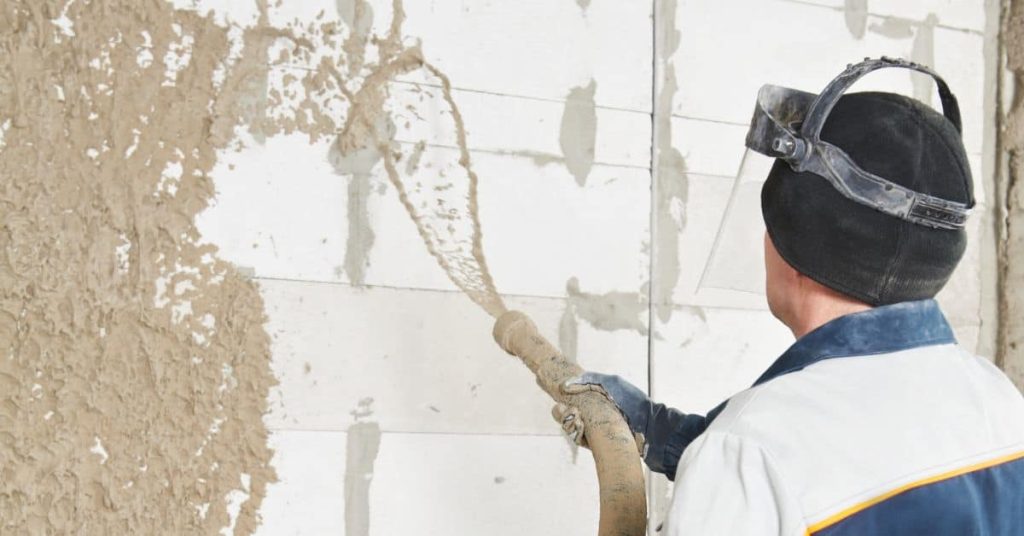
Worker spraying wet stucco onto wall surface

Plaster Base Coats on Metal Lath: Thickness Targets and Scratch Patterns That Hold

Introduction A plaster base coat on metal lath is the first plaster layer that bonds to the lath and creates a solid surface. Apply it over clean, prepared metal lath and follow the guidance on the product label or manufacturer instructions. Keep the mix at a workable consistency and follow any local rules or instructions […]

Plaster Base Coats on Metal Lath: Thickness Targets and Scratch Patterns That Hold Read More »
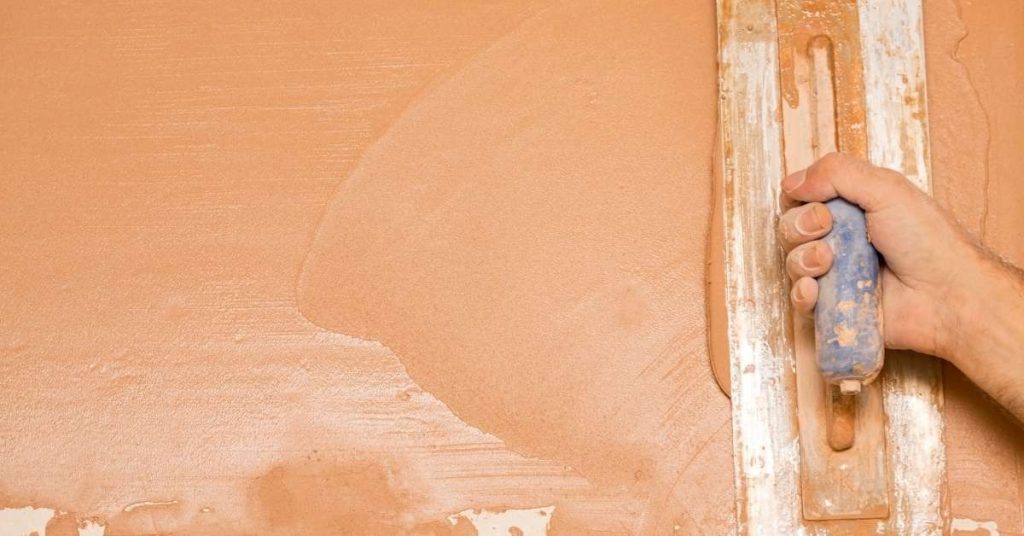
Hand applying brown stucco coat with trowel on wall

Stucco Over AAC or Soft Masonry: Suction Control and Base Coat Choices

Introduction Stucco over AAC or soft masonry requires managing suction and choosing a suitable base coat to ensure a durable finish. Prepare the substrate properly and assess suction levels before applying any finish coat. Always check the product labels and manufacturer instructions for compatible base coats and local requirements. Practice proper application techniques for plaster

Stucco Over AAC or Soft Masonry: Suction Control and Base Coat Choices Read More »

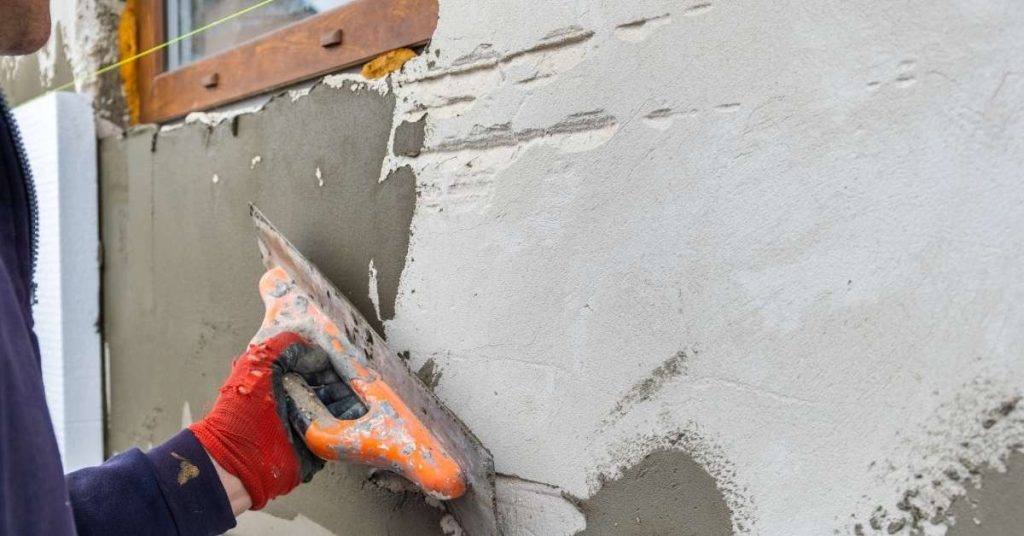
Person applying stucco to exterior wall with trowel

How Thick Is Your Stucco? Measuring Without Full Demo (and Patching Cleanly)

Introduction Measuring stucco thickness without full demolition means estimating how thick the outer layer sits on the wall. In plain terms, you’re looking for clues you can verify without tearing the surface apart. Use simple tools and a careful approach to avoid creating new cracks or exposing the substrate. Tools you can rely on include

How Thick Is Your Stucco? Measuring Without Full Demo (and Patching Cleanly) Read More »

Close-up of a concrete floor grinder machine on concrete surface

Edge-and-Corner Concrete Polishing with a Small Grinder: A Tooling Map That Works

Introduction Edge-and-Corner Concrete Polishing with a Small Grinder is about using a compact handheld grinder to smooth and shine the edges and corners of a concrete surface. It’s a practical, do-it-yourself approach that fits tight spots and uneven edges. Plan for safety and steady, slow passes to avoid gouging or overheating. For small spaces, choose

Edge-and-Corner Concrete Polishing with a Small Grinder: A Tooling Map That Works Read More »

Stone-look concrete gate pillars with metal fence panels

Stone-Look Concrete Finishes: Rub Techniques, High Spots, and Sealer Choices

Introduction Stone-Look Concrete Finishes are achieved by rubbing and refining a concrete surface to resemble natural stone. On the job, you’ll use hand tools and trowels to work the surface while it’s still workable, then wipe, rub, and burnish to blend colors. Check product labels and manufacturer instructions for cure times and safety before starting.

Stone-Look Concrete Finishes: Rub Techniques, High Spots, and Sealer Choices Read More »

Long, multi-tier stone-retaining wall with blue metal posts.

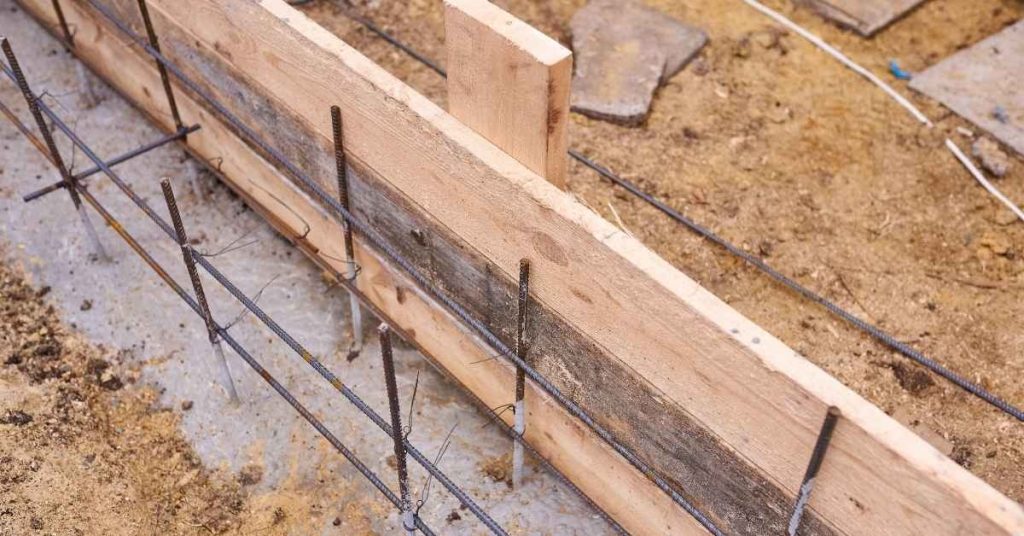
Building a Small Concrete Block Garden Wall: Footing Size, Layout, and Cap Details

Introduction A small concrete block garden wall is a simple structure built with a footing, a straight layout, and a cap to finish. This intro will guide you through planning and basic on-site steps in plain, hands-on language. You’ll learn what to check on site and how to keep things level and sturdy as you

Building a Small Concrete Block Garden Wall: Footing Size, Layout, and Cap Details Read More »

Smooth light gray concrete wall surface

Surface-Bonding Cement on Dry-Stack Concrete Block: When It’s Allowed and How to Reinforce

Introduction Surface-bonding cement on dry-stack concrete block is a thin adhesive layer applied to the face of stacked blocks to improve bond and stability when allowed. It’s a practical option you can use to reinforce and tidy up a wall that’s already in place. Check your local rules and manufacturer instructions to know if this

Surface-Bonding Cement on Dry-Stack Concrete Block: When It’s Allowed and How to Reinforce Read More »

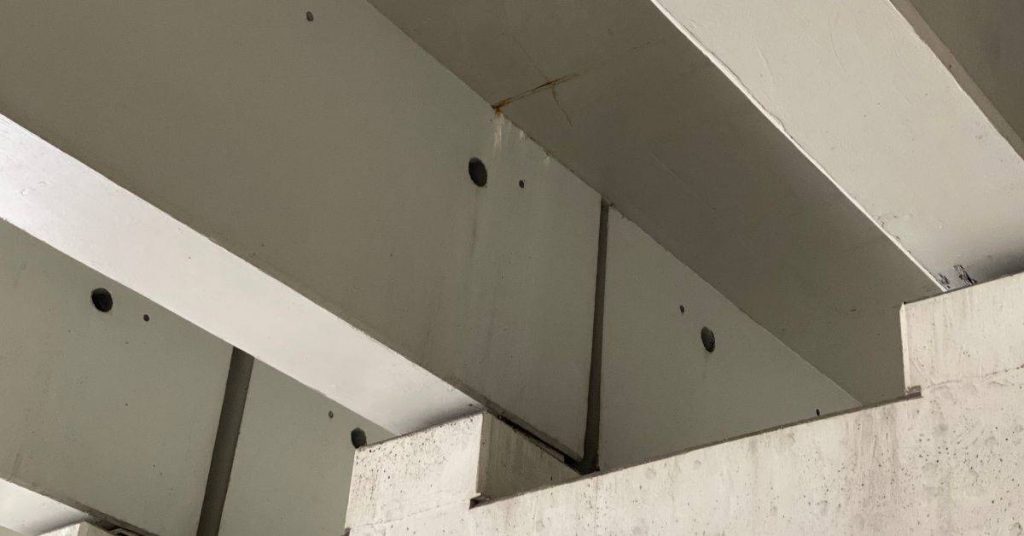
Close-up of concrete beam to column connection with visible joint

Choosing Caulk for Concrete Block Joints: Polyurethane vs Hybrid vs Silicone (and why it matters)

Introduction Caulk for concrete block joints is a flexible sealant used to close gaps between concrete blocks to keep out water and air. Choosing the right sealant starts with the joint type and weather exposure, then applying it with the right tools. Keep in mind it should bond to masonry, cure properly, and be compatible

Choosing Caulk for Concrete Block Joints: Polyurethane vs Hybrid vs Silicone (and why it matters) Read More »

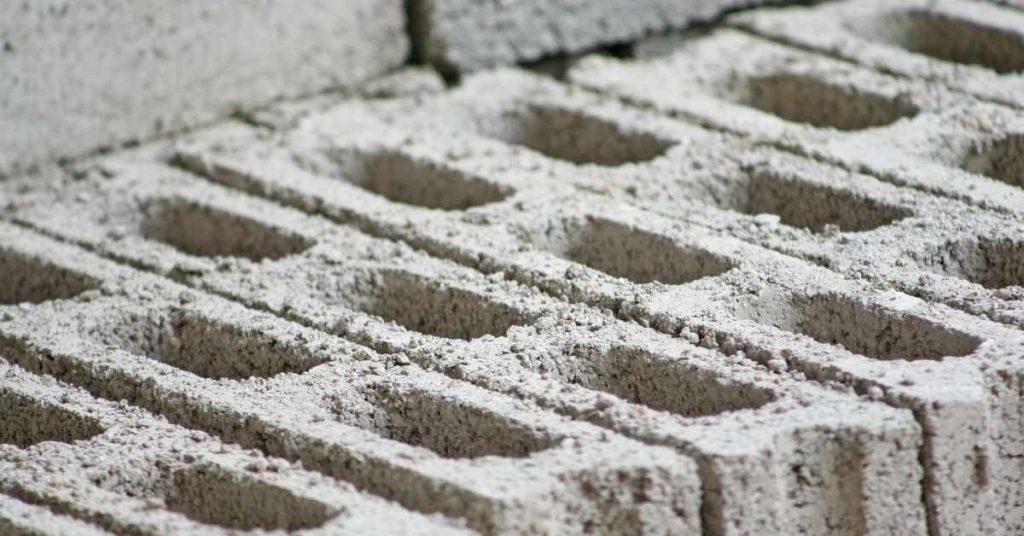
Closeup of stacked gray concrete cinder blocks

Keeping Concrete Block Sealant Lines Clean: Masking, Tooling, and Smear-Free Cleanup

Introduction Keeping concrete block sealant lines clean means preventing excess sealant from smearing onto the block faces by masking and timing your work. Mask surrounding edges with tape or masking paper before you start, and plan to tool the bead cleanly as you go. Check the product label for guidance on working time and curing,

Keeping Concrete Block Sealant Lines Clean: Masking, Tooling, and Smear-Free Cleanup Read More »