Search Results for: mold and mildew caulk for tile

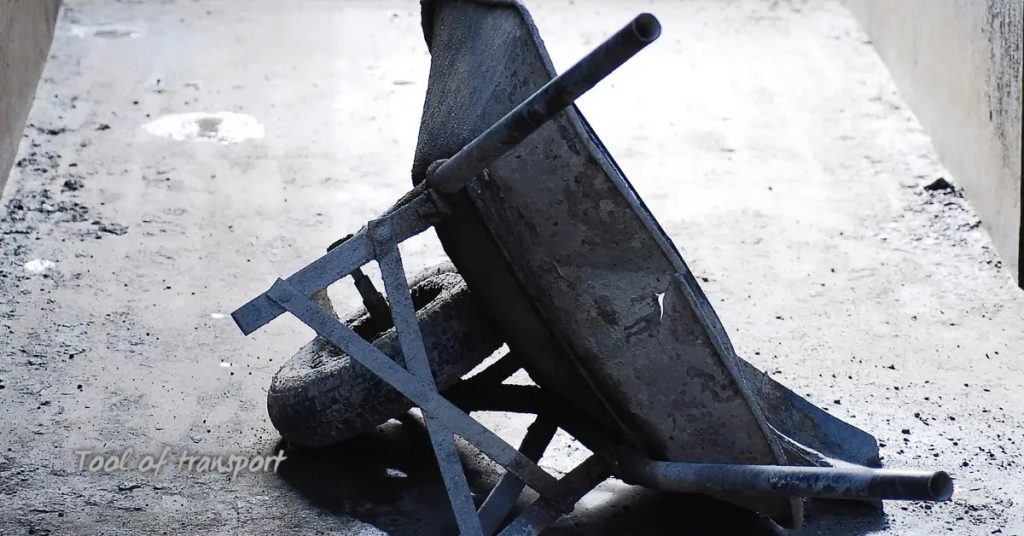
Empty wheelbarrow on concrete floor in shaded area

Concrete Dark Spots: Moisture, curing, or contamination—how to tell which

Introduction Dark spots on concrete are usually caused by moisture, improper curing, or surface contaminants. To tell which, look at the spot’s texture and sheen, note when it appeared, and check for signs of lingering dampness nearby. This guide offers practical, hands-on ways to diagnose and plan fixes. Start with surface prep, like degreasing if […]

Concrete Dark Spots: Moisture, curing, or contamination—how to tell which Read More »
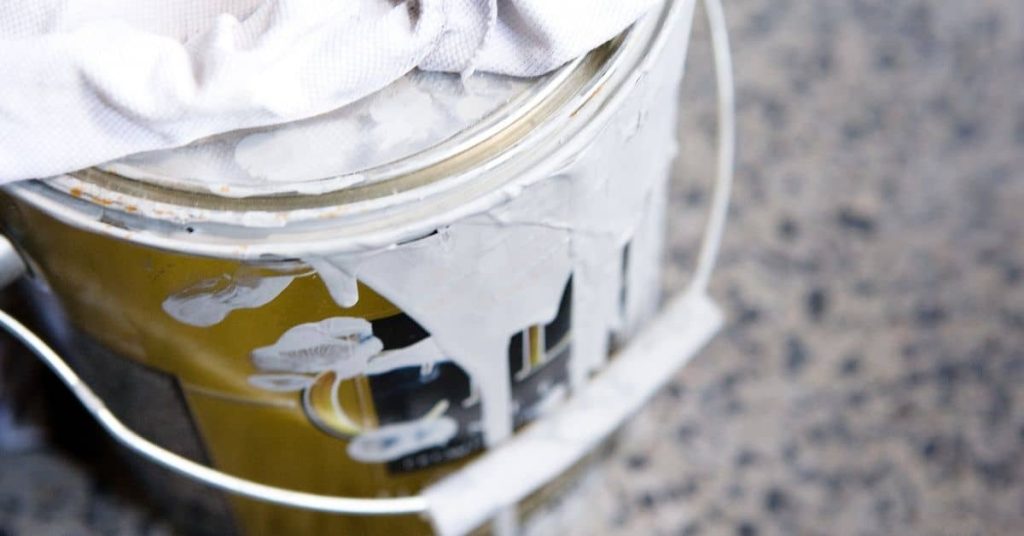
Close-up of paint can with white paint spilled on side

Why Paint Bubbles on Walls: Moisture vs Heat vs Dirt (How to Diagnose)

Introduction Paint bubbles occur when moisture, heat, or dirt get trapped under the paint. That trapped stuff lifts the coating and creates blisters you can see on walls. Check for damp spots, recent heat exposure, or dusty surfaces that weren’t cleaned before painting. To diagnose, inspect the area for moisture, heat exposure, or dirt. Try

Why Paint Bubbles on Walls: Moisture vs Heat vs Dirt (How to Diagnose) Read More »

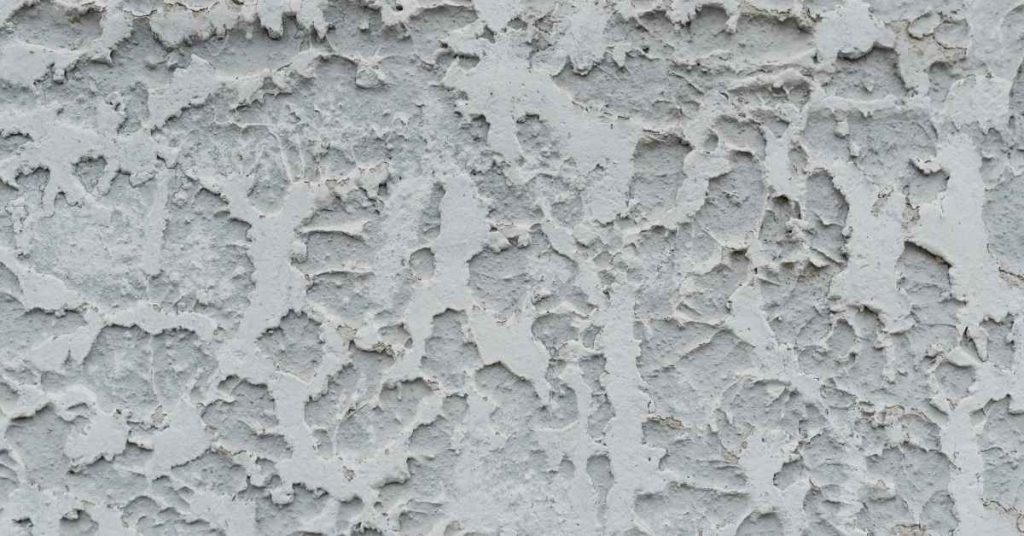
Close-up of rough textured gray stucco wall surface

How to Identify EIFS vs Hard-Coat Stucco: Simple On-Wall Tests

Introduction EIFS is an exterior insulation system with a foam board base and a thin textured finish, while hard-coat stucco is a cement-based, multi-layered plaster bonded to masonry or a lath substrate. In plain jobsite terms: EIFS feels lighter and can have a separation behind the finish, whereas hard-coat stucco is rigid and is trowel-applied

How to Identify EIFS vs Hard-Coat Stucco: Simple On-Wall Tests Read More »

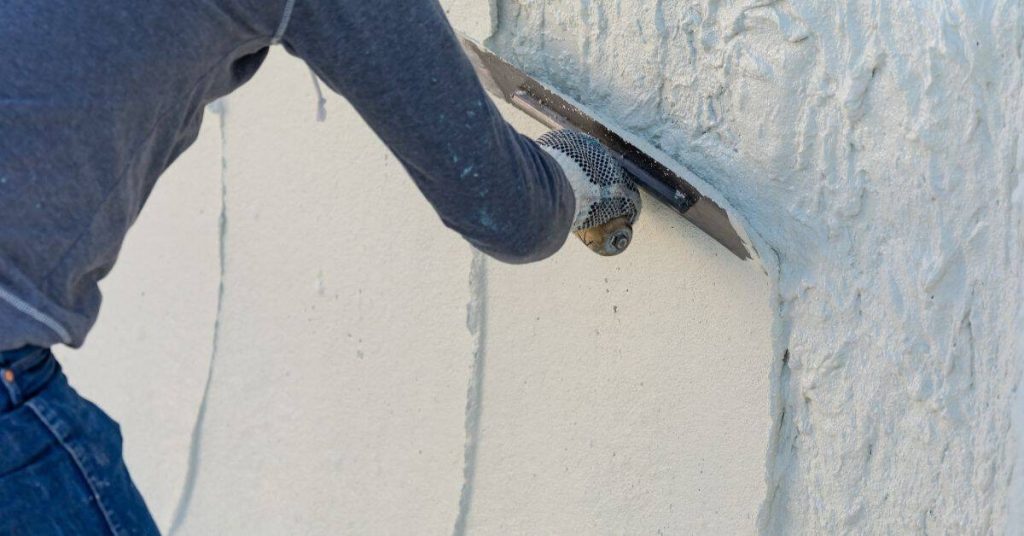
Person smoothing stucco on exterior wall with trowel

Drainage Stucco vs Barrier Stucco: How to Tell What You Have on Your House

Introduction Drainage stucco is a cladding system designed to let water that gets behind the finish drain out, while barrier stucco is meant to shed water at the surface and keep moisture out; that’s the practical difference. Think of drainage as a layered system with a gap or channels to manage moisture and barrier as

Drainage Stucco vs Barrier Stucco: How to Tell What You Have on Your House Read More »

Hand marking wall near electronic stud finder device

Stucco Clearance Over Walkways: How to Fix Wicking Without Full Removal

Introduction Stucco clearance over walkways means keeping the bottom edge of an EIFS or stucco finish high enough and detailed so moisture doesn’t wick into the walking surface; in plain terms, it’s about creating a gap and proper flashing so water drains away instead of soaking the path. For DIYers that can mean trimming finish,

Stucco Clearance Over Walkways: How to Fix Wicking Without Full Removal Read More »

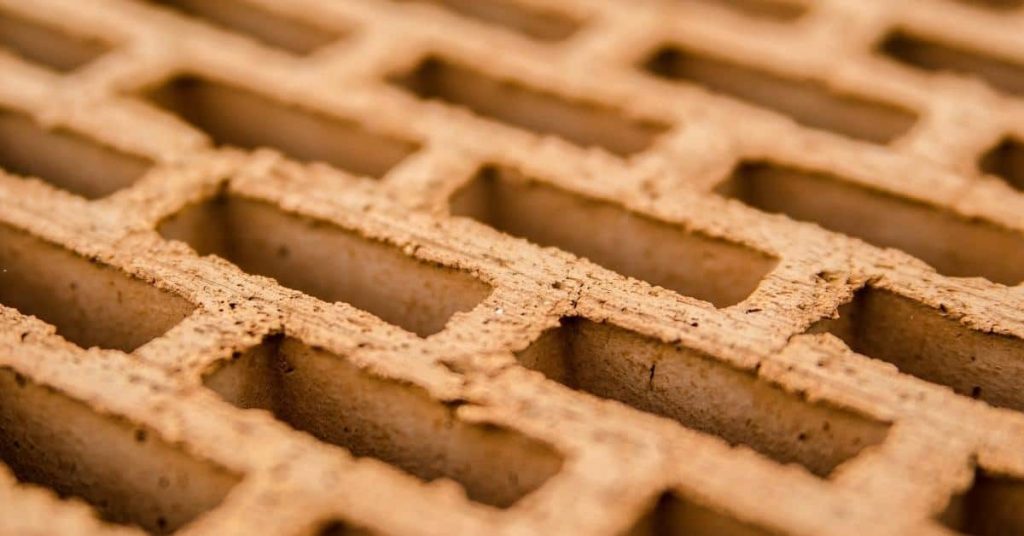
closeup of hollow clay blocks stacked together

Roman Clay Maintenance: Spot Repair & Re-Seal Timeline – Step-by-Step in Under 3 Hours

Introduction Tackling Roman clay maintenance doesn’t have to be a time-consuming chore. With the right approach, you can complete spot repairs and re-sealing in under three hours. Let’s break down the process into manageable steps, ensuring you stay on schedule without compromising quality. For the full guide, see Roman Clay Maintenance: Spot Repair, Re-Seal, and

Roman Clay Maintenance: Spot Repair & Re-Seal Timeline – Step-by-Step in Under 3 Hours Read More »

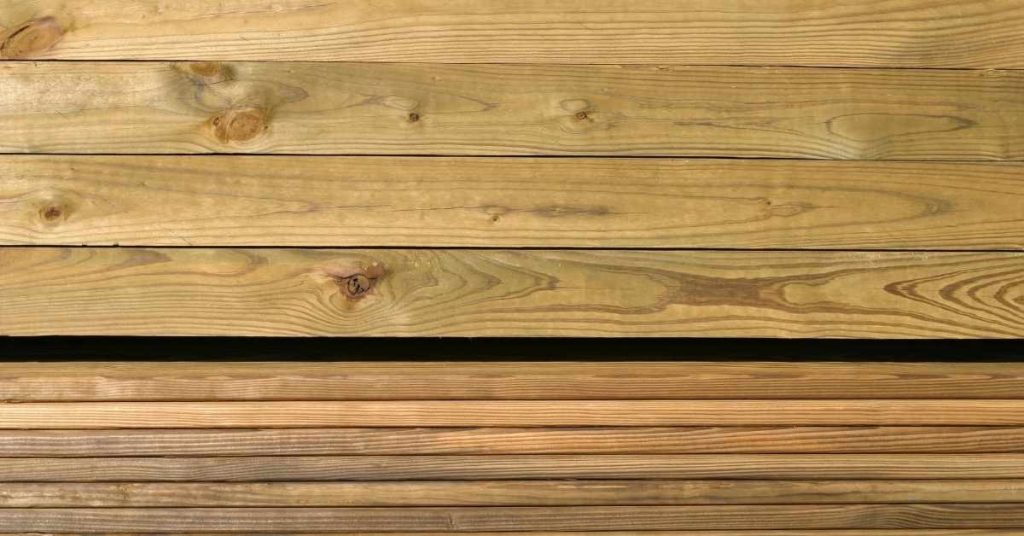
Stacked pressure-treated wood boards with visible grain patterns

Painting Pressure-Treated Lumber: A Step-by-Step Timeline to Ensure Readiness

Introduction The timeline for painting pressure-treated lumber is crucial to ensure a durable, long-lasting finish. Rushing the process can lead to peeling, warping, or mildew growth. Understanding the drying time and when to test your lumber is key. Here’s a step-by-step timeline to guide you through the process. For the full guide, see Painting Pressure-Treated

Painting Pressure-Treated Lumber: A Step-by-Step Timeline to Ensure Readiness Read More »

Paint roller applying white paint on bathroom wall

Bathroom Paint Systems: A Step-by-Step Timeline for Long-Lasting Results

Introduction Repainting your bathroom can seem like a daunting task, especially when considering the unique challenges bathrooms present. But with a well-planned timeline and the right approach, you can achieve long-lasting results that will make your space look fresh and inviting. The key to a successful bathroom paint job is understanding the sequence of steps

Bathroom Paint Systems: A Step-by-Step Timeline for Long-Lasting Results Read More »

blue stucco wall texture with varied surface depth

Sealing Penetrations Through Stucco (Vents, Linesets, Pipes): The ‘Sleeve + Flange’ Method

Introduction Sleeve + flange is a method to seal vents, linesets, or pipes where they pass through stucco. You install a sleeve through the opening, then attach a flange to seal against the wall and weather. This approach helps keep water out and makes future maintenance easier. Start by choosing a sleeve size that fits

Sealing Penetrations Through Stucco (Vents, Linesets, Pipes): The ‘Sleeve + Flange’ Method Read More »