Search Results for: mold and mildew caulk for tile

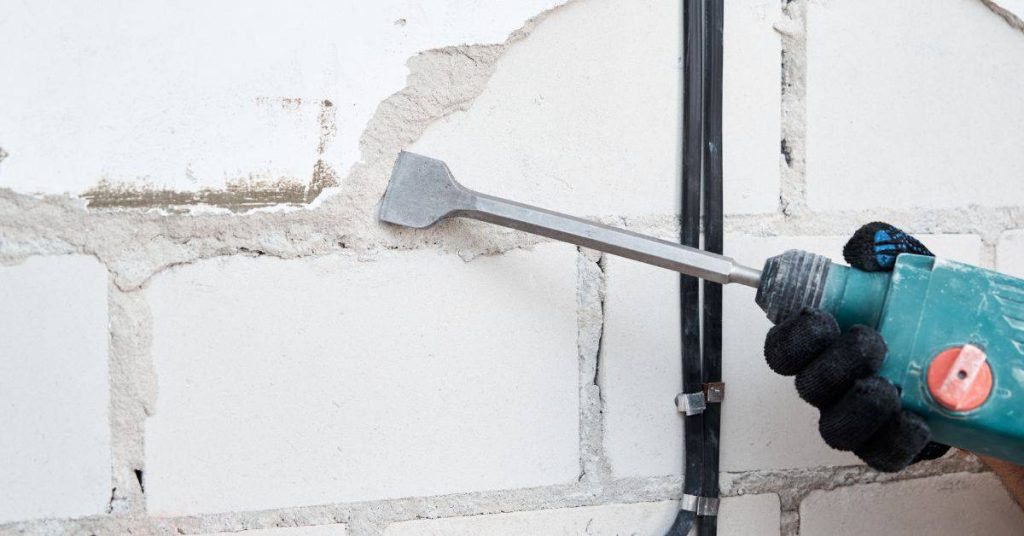
Close-up of drill bit drilling into concrete wall

Fixing loose cap blocks: why they pop and a reset method that survives winter

Introduction Fixing loose cap blocks means resetting and securing the caps so they stay in place through freeze-thaw cycles. Loose caps can pop off from settling, wind, or vibration, and winter conditions make the problem worse. A safe reset method is essential to keep the cap aligned and prevent water intrusion. To reset, clean the […]

Fixing loose cap blocks: why they pop and a reset method that survives winter Read More »
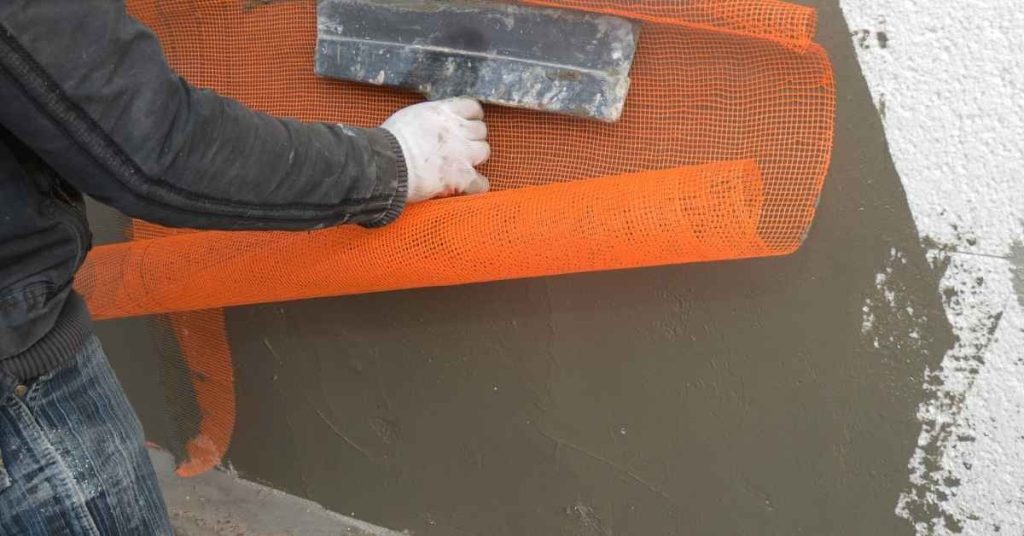
Person applying orange mesh over wet brown stucco base coat

Repairing stucco chips at corners: building back profile with mesh and base coat

Introduction Repairing stucco chips at corners means restoring damaged edge areas by rebuilding the corner profile with mesh and a base coat. This approach reinforces the edge, provides a uniform surface, and prepares it for finish. Keep the work neat and check that the base coat adheres well to the existing stucco. Start by cleaning

Repairing stucco chips at corners: building back profile with mesh and base coat Read More »

Gloved hand holding power tool against stucco joint

Sealant failure at stucco joints: choosing the right sealant type and tooling shape

Introduction Sealant failure at stucco joints means the sealant loses adhesion, cracks, or pulls away, allowing water intrusion. Choosing the right sealant involves matching the substrate and climate, and confirming compatibility with stucco. Think of the job as preparing the joint, selecting a compatible sealant, and planning proper tooling. Selecting the right tool shapes helps

Sealant failure at stucco joints: choosing the right sealant type and tooling shape Read More »

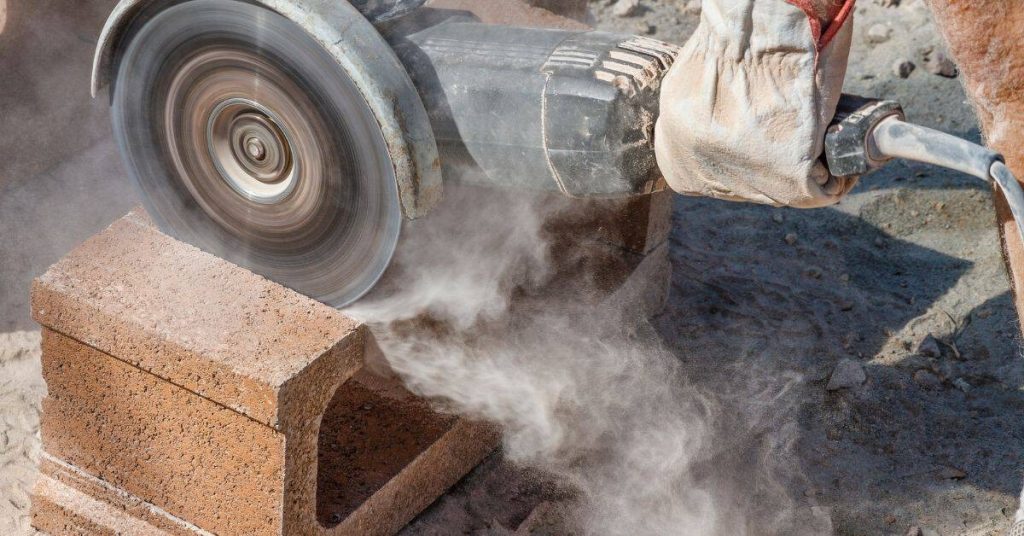
Person cutting cinder block with angle grinder outdoors

Re-sealing old stucco window edges: cutting out bad caulk and reinstalling proper backing

Introduction This is the process of removing deteriorated caulk around a stucco window and replacing it with proper backing and sealant. You will inspect the edge, cut out the old caulk, and prepare the gap for new material. The goal is a clean joint that stops water intrusion and allows for flexible, long-lasting sealing. Next,

Re-sealing old stucco window edges: cutting out bad caulk and reinstalling proper backing Read More »

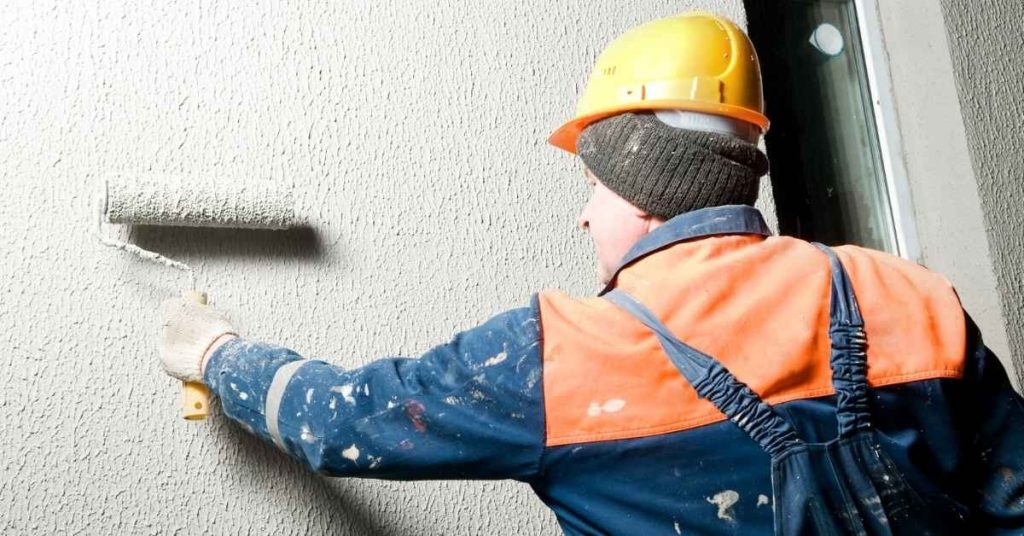
Worker applying textured stucco to exterior wall with paint roller

Hairline cracks in stucco: when elastomeric paint helps and when it hides bigger problems

Introduction Hairline cracks in stucco are very thin cracks in the exterior plaster that can form from settling, temperature changes, or minor shrinkage. They often appear as pale lines and may run across walls or around windows. Understanding what they are helps you decide whether to address them before painting. Elastomeric paint can bridge small

Hairline cracks in stucco: when elastomeric paint helps and when it hides bigger problems Read More »

close-up of red brick wall with mortar joints

Choosing Caulk for Brick Joints: Polyurethane vs Hybrid vs Silicone (and why it matters)

Introduction Caulk for brick joints is the sealant you install between bricks to keep water out and allow for some movement. Common options are polyurethane, hybrid, and silicone, each with trade-offs for adhesion, flexibility, and durability. Always check the product label for brick or masonry compatibility and whether it can be painted if you need

Choosing Caulk for Brick Joints: Polyurethane vs Hybrid vs Silicone (and why it matters) Read More »

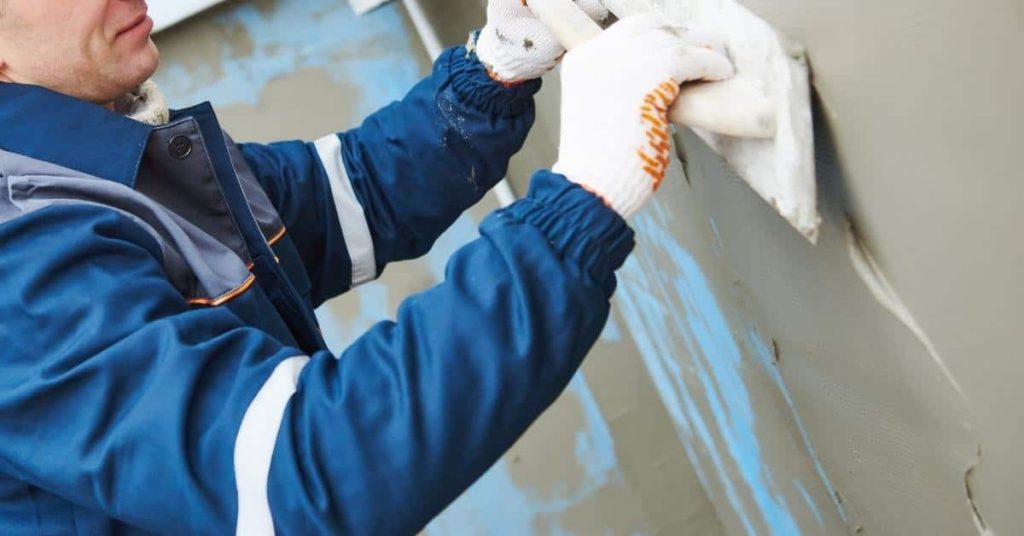
Worker smoothing stucco plaster on wall

Stucco Around Solar Mounts: Standoffs, Sealants, and Keeping Drainage Paths Open

Introduction This article covers how to stucco around solar mounts to seal, support, and keep drainage clear. It’s a hands-on, DIY approach that balances protection with easy maintenance. Use proper technique for applying stucco around mounts, choosing standoffs that keep panels level and allow drainage paths. Select sealants rated for roof penetrations and check manufacturer

Stucco Around Solar Mounts: Standoffs, Sealants, and Keeping Drainage Paths Open Read More »

Close-up of blue painted wood siding with horizontal grooves

Acrylic Render Over Painted Stucco: Bond Tests, Prep, and Failure Prevention

Introduction Acrylic render over painted stucco is the process of applying an acrylic finish coat on top of painted stucco to create a new, durable surface. Before you start, run bond checks and surface prep to decide if the paint will hold and where it may peel. Inspect for peeling paint, loose patches, and gloss,

Acrylic Render Over Painted Stucco: Bond Tests, Prep, and Failure Prevention Read More »

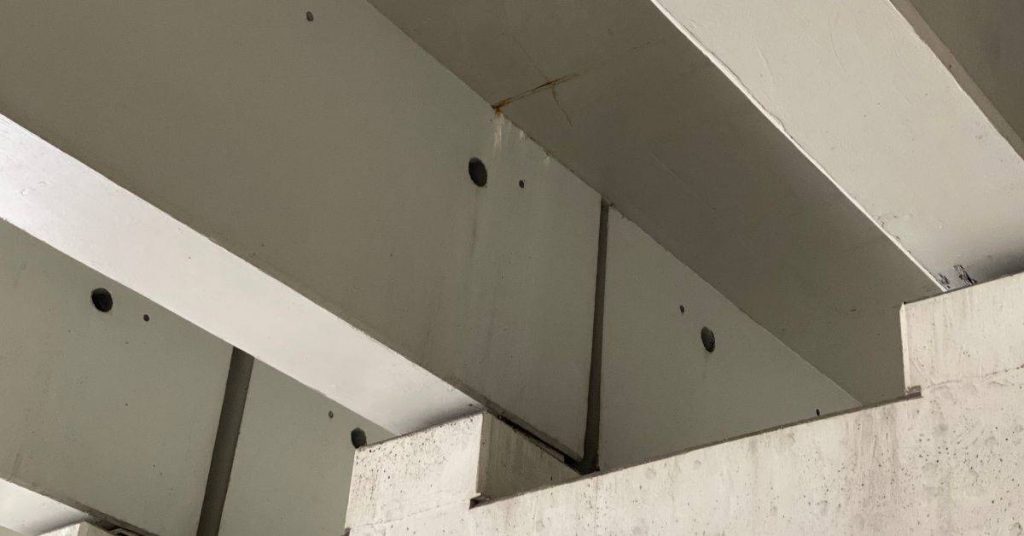
Close-up of concrete beam to column connection with visible joint

Choosing Caulk for Concrete Block Joints: Polyurethane vs Hybrid vs Silicone (and why it matters)

Introduction Caulk for concrete block joints is a flexible sealant used to close gaps between concrete blocks to keep out water and air. Choosing the right sealant starts with the joint type and weather exposure, then applying it with the right tools. Keep in mind it should bond to masonry, cure properly, and be compatible

Choosing Caulk for Concrete Block Joints: Polyurethane vs Hybrid vs Silicone (and why it matters) Read More »

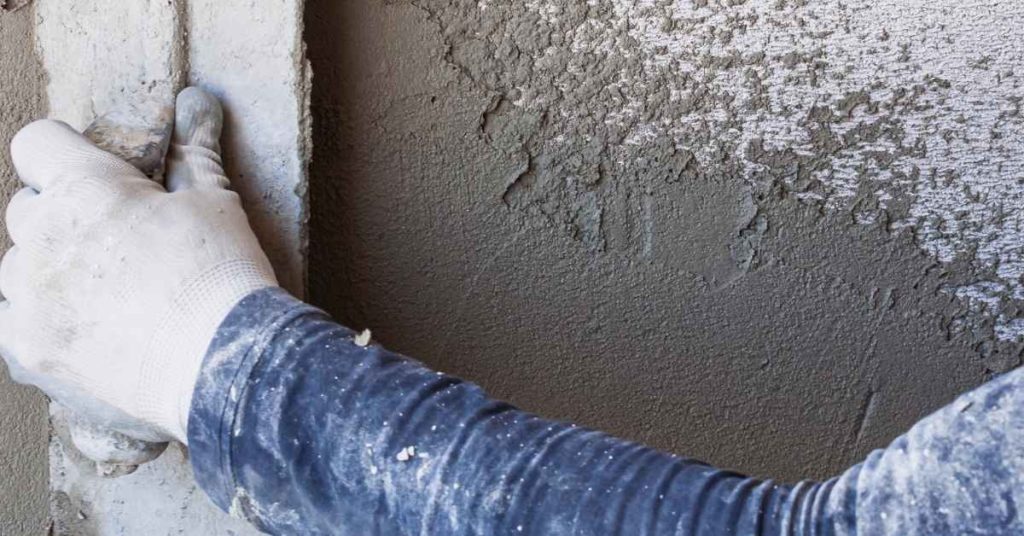
Worker smoothing plaster on a wall with a trowel

Microcement Over Old Plaster: Bond Layers, Movement Risk, and Sealer Selection

Introduction Microcement over old plaster means applying a thin cement-based coating on top of a plaster substrate with careful surface prep. Start by cleaning the surface and repairing obvious flaws to give the new layer something to grip. Roughen or abrade slightly and use an appropriate bonding primer to improve adhesion. Movement risk comes from

Microcement Over Old Plaster: Bond Layers, Movement Risk, and Sealer Selection Read More »