Search Results for: moisture behind stucco

Person cutting cinder block with angle grinder creating dust

Stucco Clearance to Soil: How Much Gap You Need and Why It Prevents Wicking

Introduction Clearance between stucco and soil is the gap that prevents moisture from wicking into the wall. Keep the stucco edge above grade and away from soil or mulch. If soil comes close, there’s a higher chance water can creep behind the finish. Check the product label and local rules to know the recommended clearance […]

Stucco Clearance to Soil: How Much Gap You Need and Why It Prevents Wicking Read More »
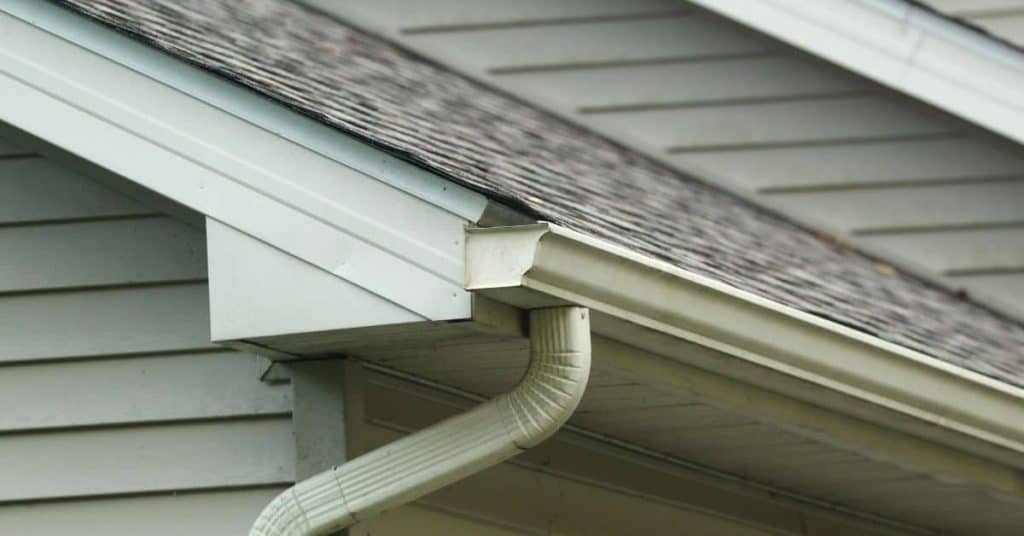
Roof edge with gutter downspout attached to house siding

Roof-to-Wall Clearances: When Stucco Is Too Close and What to Fix

Introduction Roof-to-wall clearances refer to the gap between the roof edge and the adjacent stucco wall. If the space is too tight, moisture and wind can cause problems and costly repairs later. This article keeps things practical and hands-on for a DIY approach. Start by checking the actual gap at the critical spots, then look

Roof-to-Wall Clearances: When Stucco Is Too Close and What to Fix Read More »

Worker wearing helmet applying stucco to exterior wall

Stucco Homes — Common Problems + Fixes

Introduction Stucco homes are exterior walls finished with a cement-based coating. Common problems include cracks, moisture intrusion, and loose patches. This article walks you through practical fixes you can tackle safely. Start by inspecting the damaged area and looking for moisture behind the wall. Use manufacturer instructions and local rules to choose patching, sealing, and

Stucco Homes — Common Problems + Fixes Read More »

Close-up of textured blue stucco wall surface

How to Maintain Stucco — DIY Steps + Stop Points

Introduction Maintaining stucco means keeping its surface intact, dry, and properly protected to prevent damage. This DIY guide walks you through simple checks, cleaning, and small repairs you can handle without special equipment. Always follow the product label and local rules when you choose cleaners or patch materials. Start with a visual check for cracks,

How to Maintain Stucco — DIY Steps + Stop Points Read More »

Close-up of metal chain-link fence outdoors

Poly Vapor Barrier Behind Metal Skirting – Causes, Tests & Fixes

Introduction A poly vapor barrier behind metal skirting is a plastic sheet placed to block moisture from moving through the wall or foundation. It’s installed behind the skirting to keep damp soil and moisture from wicking into the structure. Check the manufacturer guidance and local building rules for acceptable types and placement. If you notice

Poly Vapor Barrier Behind Metal Skirting – Causes, Tests & Fixes Read More »

Workers applying fresh stucco to exterior wall

How to Add a Control Joint to Existing Stucco (Is It Possible?)

Introduction Yes, you can add a control joint to existing stucco by creating a defined break and backing it with proper trim to control cracking. Key takeaways Assess stucco condition and substrate integrity before planning any control joint. Identify joint type (pre-molded, formed, or saw-cut) suitable for existing stucco. Gather tools: chisel, grinder with diamond

How to Add a Control Joint to Existing Stucco (Is It Possible?) Read More »

Closeup of red brick wall with visible mortar joints

Stucco Control Joints: Where They Go and Why They Prevent Cracks

Introduction Control joints are intentional breaks in stucco that give the wall somewhere to move, helping to prevent random cracks. They exist to manage movement from framing, temperature, and moisture rather than to hide cracks after they form. Always check manufacturer guidance and local rules for how wide, where to place, and how to install

Stucco Control Joints: Where They Go and Why They Prevent Cracks Read More »

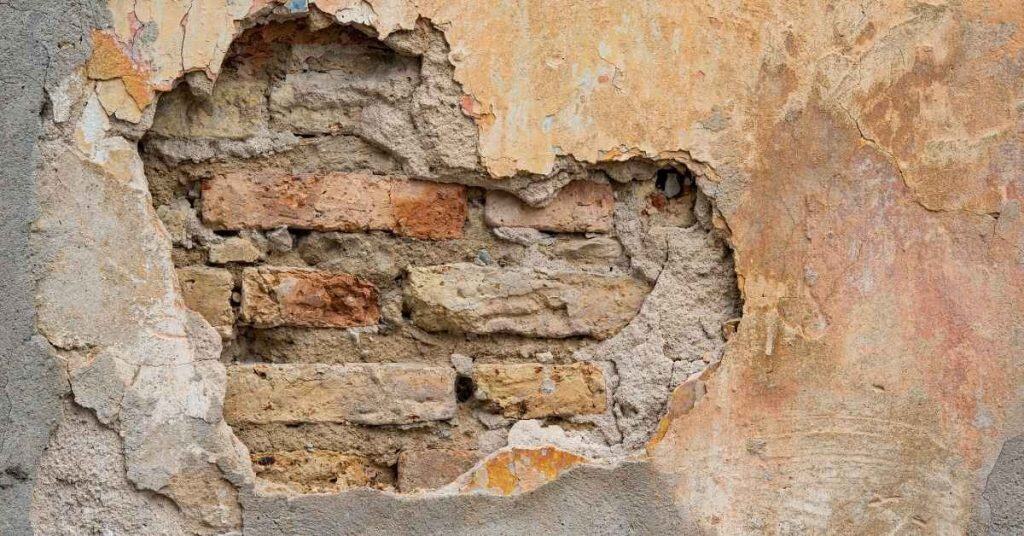
Damaged stucco with hollowed areas exposing brick underneath

How to Fix Loose or Hollow-Sounding Stucco (Delamination Repair)

Introduction Delamination in stucco occurs when the outer stucco layer loses its bond to the underlying substrate, creating a hollow or tinny sound when tapped. Visually, you’ll see cracks, bubbling, or patches that feel loose or wiggle under pressure. That combination signals a likely delamination that needs closer inspection. To assess it, gently probe suspected

How to Fix Loose or Hollow-Sounding Stucco (Delamination Repair) Read More »