Search Results for: moisture behind stucco

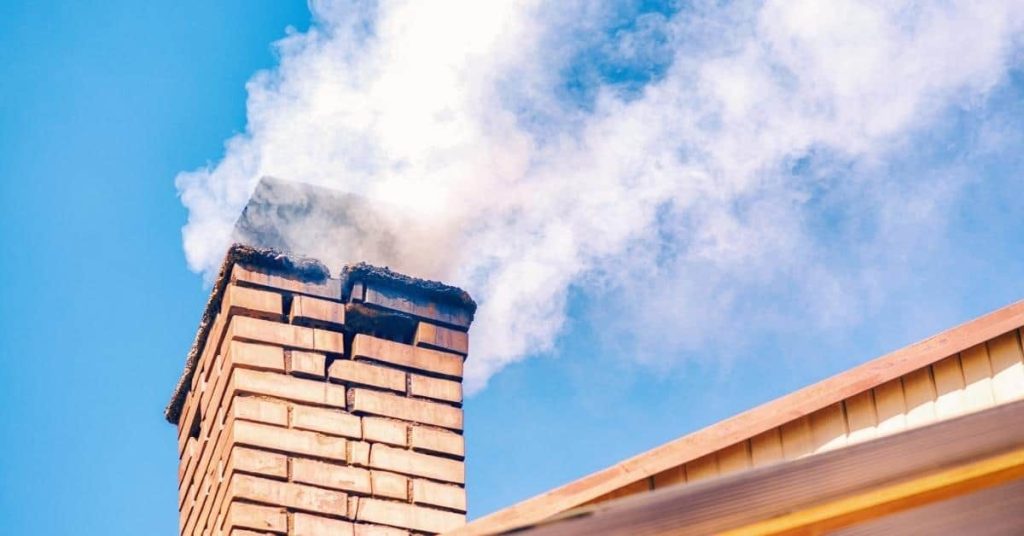
Brick chimney with smoke emitting against blue sky

Chimney Stucco Failures: Heat, Cracks, and Repair Choices

Introduction Chimney stucco failures are cracks and deterioration in the exterior plaster caused by heat exposure, moisture, and movement. These issues show up as hairline cracks, spalling, or texture changes that let water in. Addressing them early keeps water out and protects the brick or block behind the finish. To start, inspect for cracks that

Chimney Stucco Failures: Heat, Cracks, and Repair Choices Read More »

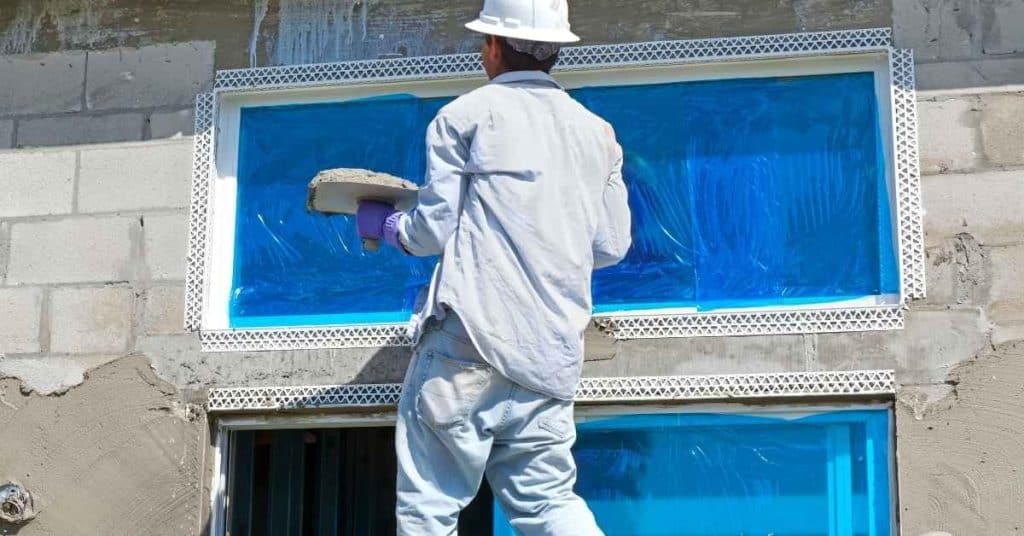
Worker applying stucco around window frames on building exterior

Caulking Stucco to Window Joints: Where to Seal and Where to Leave Drainage

Introduction Caulking stucco to window joints means sealing the gaps where the stucco meets the window frame to keep water out and air in check. It’s a hands-on job that protects the wall and helps prevent leaks. You’ll want to know where not to seal so drainage isn’t blocked and you don’t trap moisture. Start

Caulking Stucco to Window Joints: Where to Seal and Where to Leave Drainage Read More »

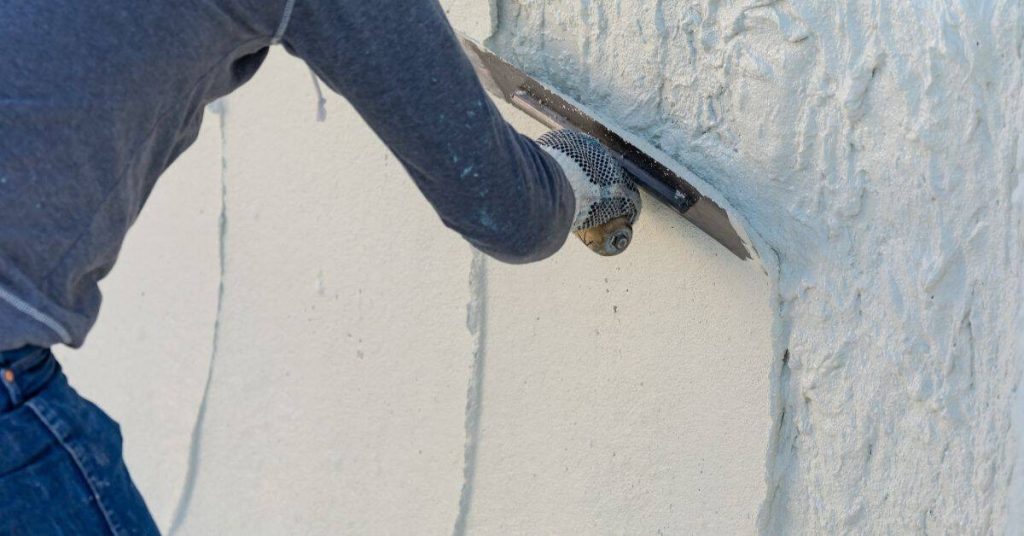
Person smoothing wet stucco on wall with trowel

Decorating Stucco Siding: Safe Ways to Hang, Mount, and Upgrade

Introduction Decorating stucco siding means safely hanging, mounting, and upgrading items on stucco surfaces. This article shares practical methods and the checks you should make before you start. Stucco is a exterior finish that requires the right fasteners and proper installation. From stucco screws and anchors to hot-melt glue and adhesive strips or hooks, we’ll

Decorating Stucco Siding: Safe Ways to Hang, Mount, and Upgrade Read More »

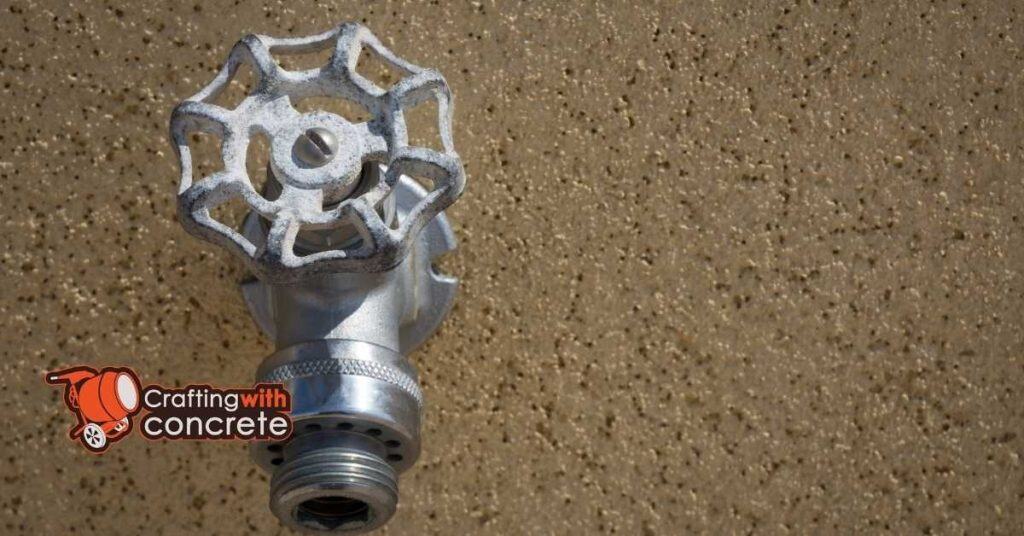
Outdoor metal hose bib mounted on brown stucco wall

Repairing Stucco Around Pipes and Hose Bibs: Patch Details That Don’t Leak

Introduction Repairing stucco around pipes and hose bibs means sealing cracks and gaps so water can’t leak into the wall where pipes and faucets pass through. This is a hands-on fix you can do with basic tools, mindful preparation, and flush paint-matched patches. Check that you’re using the right patch material for your climate and

Repairing Stucco Around Pipes and Hose Bibs: Patch Details That Don’t Leak Read More »

Partially removed tan stucco revealing brick wall underneath

Stucco Soft Spots at the Base: Diagnosing Capillary Wicking vs Leaks

Introduction Soft spots at the base of stucco usually indicate moisture intrusion, most commonly capillary wicking or a leak. Capillary wicking pulls moisture up from the ground through tiny openings in the stucco and underlying plaster. Leaks come from gaps, cracks, or failed flashings letting water in. To tell them apart, look for wetness patterns,

Stucco Soft Spots at the Base: Diagnosing Capillary Wicking vs Leaks Read More »

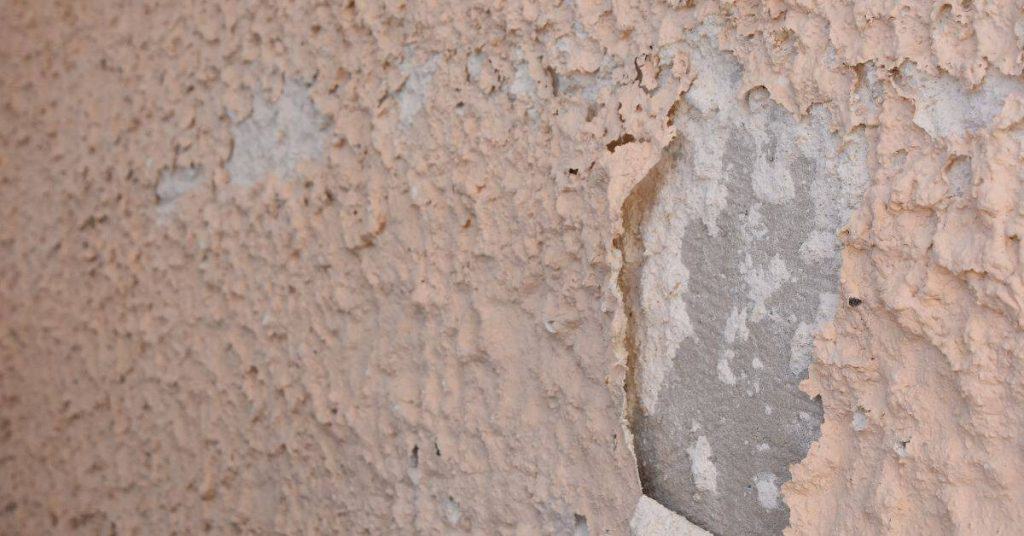
Close up of stucco wall with peeling and damaged surface

Stucco Delamination: Tap Testing, Causes, and Repair Options

Introduction Stucco delamination is when the outer stucco layer separates from the wall underneath. This can show up as hollow spots or peeling under the surface. It’s a sign you should inspect and plan before doing more work. Common causes include poor adhesion, moisture intrusion, or cracks that let the plaster pull away. Repair options

Stucco Delamination: Tap Testing, Causes, and Repair Options Read More »